
Tiny House Brands & Reviews
Tiny house brand reviews is the forensic evaluation of commercial manufacturers, custom fabricators, and modular builders based on structural joinery, chassis certification, material longevity, pricing transparency, and warranty fulfillment.







Foundational Guides & Priority Resources
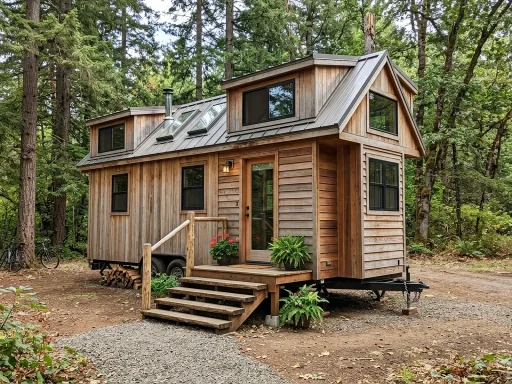
Molecule Tiny Homes: 2026 Architectural Review & Floor Plans
Deep-dive architectural review of Molecule Tiny Homes, evaluating their bespoke cedar woodworking, custom trailer engineering, and luxury floor plans.
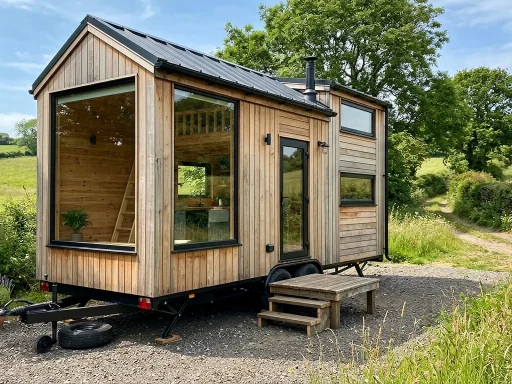
Magdala Tiny Homes: 2026 Custom Builder Review & Pricing
Rigorous appraisal of Magdala Tiny Homes, covering build specifications, four-season insulation packages, turn-key pricing, and client satisfaction.
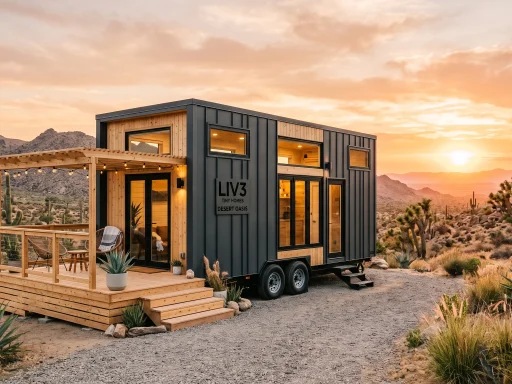
LIV3 Tiny Homes Reviews: Models, Pricing & Build Quality (2026)
Comprehensive analysis of LIV3 Tiny Homes, highlighting their modern Scandinavian aesthetic, RVIA certification status, and standardized pricing tiers.
Builder Evaluation Matrix: Certifications, Joinery Standards & Warranty Enforceability
Choosing a commercial tiny house builder is the single most critical investment decision in a prospective tiny homeowner's journey. With the rapid expansion of the micro-housing market, builder capabilities vary widely—ranging from master craftsmen with decades of residential building experience down to newly established operations lacking third-party engineering oversight. Prospective buyers must look past polished Instagram aesthetics and conduct forensic technical evaluations of framing methodology, trailer chassis source fabrication, and plumbing/electrical compliance.
The hallmark of a tier-one tiny house manufacturer is certified third-party inspection accreditation. Reputable builders undergo rigorous stage-gate inspections from recognized standards agencies such as NOAH (National Organization of Alternative Housing), RVIA (Recreation Vehicle Industry Association), or Pacific West Associates. These certifications require verified photographic and physical auditing of every trade milestone: structural tie-downs, arc-fault circuit breaker installations, pressure-tested PEX water lines, and flame-spread rated interior finishes. Uncertified builders leave buyers vulnerable to municipal eviction, rejected RV park entry, and uninsurable property risk.
Contractual transparency and warranty coverage separate dependable manufacturers from high-risk fabricators. High-caliber builders provide an itemized master contract detailing specific component brands (e.g., Mitsubishi mini-splits, Simpson Strong-Tie hardware, LP SmartSide siding) alongside a structured milestone payment schedule tied to third-party inspection sign-offs rather than arbitrary calendar dates. Furthermore, reliable builders back their craftsmanship with a minimum 1-year comprehensive bumper-to-bumper warranty and a 5-to-10-year structural chassis guarantee.
| Evaluation Metric | Tier 1 Builder Standard | High-Risk Red Flag |
|---|---|---|
| Trailer Fabrication | Custom-engineered tiny house chassis with stamped GVWR plate & dual breakaway chains | Repurposed car hauler or flatbed utility trailer with welded flange extensions |
| Code Certification | Third-party NOAH, RVIA, or PWA inspection seals with serialized digital compliance records | Zero third-party certification; relies solely on internal verbal 'built to code' claims |
| Thermal Envelope | Closed-cell spray foam or rigid Rockwool with unbroken thermal break (R-15+ walls) | Standard fiberglass batt insulation without sealed exterior vapor/air barrier membranes |
| Payment Milestone Structure | Tied directly to verifiable build milestones (Frame Dry-in, MEP Rough-in, Final Inspection) | Demands >50% non-refundable cash upfront before trailer delivery or framing commencement |
Thematic Exploration Directory
Custom Artisanal Builder Reviews
Frequently Asked Questions
How much does a professionally built tiny house cost from a top builder?
Turnkey custom tiny homes from certified manufacturers typically cost between $75,000 and $150,000 depending on length (20 to 34 feet), interior finish levels, off-grid solar equipment, and custom architectural cabinetry.
Why is RVIA or NOAH certification mandatory when hiring a builder?
Certification proves that your home was inspected and constructed according to stringent safety, fire, electrical, and structural codes. Without it, you cannot obtain comprehensive tiny home insurance, secure specialized financing, or park in legal tiny home communities.
How long does it take for a commercial tiny house builder to deliver a home?
From contract signing and architectural sign-off to final delivery, professional manufacturers typically require 10 to 16 weeks, though builder lead times can extend during peak building seasons.
What should I look for in a tiny house manufacturer's contract?
Ensure the contract explicitly outlines a milestone-based payment schedule, lists exact appliance models and insulation types, specifies the third-party certification agency, and provides clear warranty dispute resolution terms.