
Tiny House Lifestyle
The tiny house lifestyle is a conscious philosophy of intentional living, voluntary simplicity, and spatial minimalism that prioritizes financial autonomy, experiential richness, and ecological sustainability over material square footage.
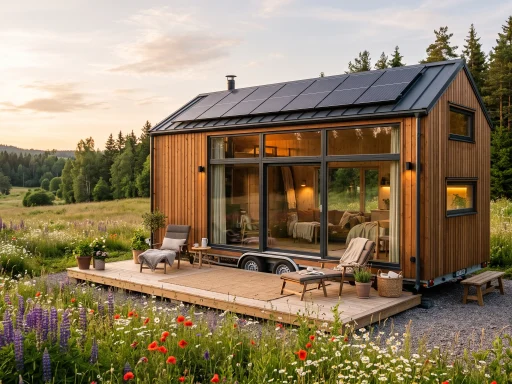
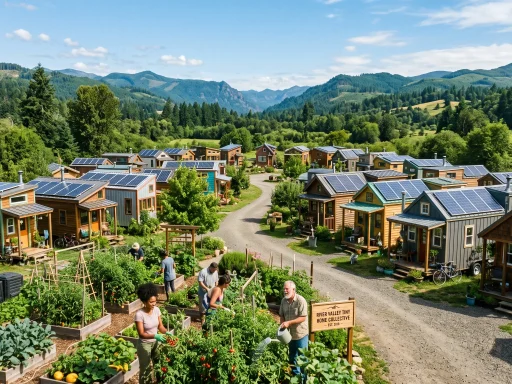

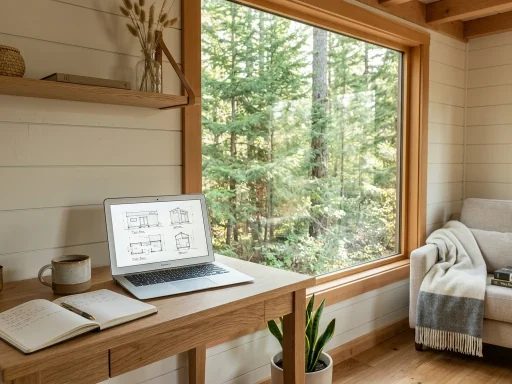


Foundational Guides & Priority Resources
Living Small: Complete Guide to the Tiny House Lifestyle (2026)
Master handbook covering the psychological mindset, daily organizational rituals, and family dynamics of living in under 300 square feet.
Living Small Movement: Trends, Financial Freedom & Downsizing Guide (2026)
Examines the societal drivers, anti-consumerist philosophy, and financial independence goals accelerating the tiny house movement.
Tiny House Blog Living: Guide to Intentional Minimalism & Daily Life (2026)
Realistic daily breakdown of tiny home ownership, covering routine cleaning, winter cabin fever management, and outdoor living integration.
Spatial Psychology, Relationship Resilience & Intentional Habit Loops
Adopting the tiny house lifestyle is far more than an architectural transition; it is a profound psychological rewiring. In modern Western consumer culture, identity and success have long been tethered to accumulating square footage and material possessions. Downsizing to a micro-dwelling necessitates stripping away non-essential possessions, confronting habitual consumer impulse loops, and establishing an intentional lifestyle centered around experiential richness rather than physical inventory.
Interpersonal dynamics within compact living spaces require advanced communication and spatial boundaries. When two or more people share a 250-square-foot environment, conventional passive avoidance is impossible. Couples who thrive in tiny homes develop explicit communication rituals, embrace staggered daily schedules, and design flexible acoustic zones (such as noise-canceling headphone spaces and separate loft sanctuaries) that allow individuals to experience genuine mental solitude.
Daily operational habits in a tiny house become meditative micro-routines. Because every functional surface performs multiple roles, leaving a single dish on the counter or an unmade bed instantly disrupts 30% of the home's total visual footprint. Successful dwellers cultivate the 'two-minute rule': items are cleaned, folded, and returned to dedicated storage bays immediately after use. This organizational discipline transforms domestic upkeep from an overwhelming weekend chore into an effortless, continuous background practice.
| Lifestyle Dimension | Conventional Suburban Home (2,400 sq ft) | Intentional Tiny House (< 400 sq ft) |
|---|---|---|
| Cleaning & Maintenance Overhead | 4 to 8 hours weekly; large vacuuming & yard chores | 20 to 30 minutes daily; rapid micro-cleaning of consolidated surfaces |
| Environmental Footprint | High resource consumption; massive heating/cooling loads | Up to 80% reduction in carbon emissions, energy usage, and household waste |
| Consumer Purchasing Habits | Passive accumulation; bulk storage in basements/garages | Strict 'one-in, one-out' filter; focus on multi-use, durable goods |
| Spatial Lifestyle Integration | Insular; activities confined indoors across multiple rooms | Expansive; lifestyle extends outdoors to decks, parks, and community gardens |
Thematic Exploration Directory
Minimalism, Psychology & Transition
Frequently Asked Questions
Is living in a tiny house realistic for couples or families?
Yes, thousands of couples and families with young children live successfully in tiny homes. Key architectural requirements include private enclosed sleeping lofts, sound-insulated bathroom doors, and dedicated personal storage lockers for each individual.
How do tiny house dwellers manage clutter and possessions?
Dwellers practice the strict 'one-in, one-out' rule: for every new garment or item introduced, an older item must be donated or recycled. Possessions are rigorously curated for utility and emotional value.
What happens during long stretches of bad weather or winter in a tiny home?
Tiny dwellers prevent 'cabin fever' by maximizing natural window daylight, maintaining clean air exchange via continuous HRV ventilation, engaging in focused indoor creative hobbies, and spending time in local community hubs like libraries and cafes.
What is the greatest mental health benefit of the tiny house lifestyle?
A dramatic reduction in chronic stress and anxiety. Eliminating massive mortgage debt, lowering utility bills, and simplifying daily cleaning frees up immense mental bandwidth, allowing dwellers to prioritize relationships, health, and personal growth.