

✨ This article was AI edited. Editorial responsibility: LiveSmallBeMore.blog.
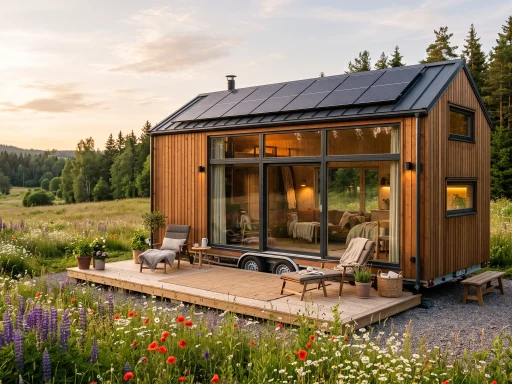
The glossy images popularized across social media feeds depict tiny house living as an endless montage of sun-drenched lofts, artisanal coffee brewing, and idyllic mountain backdrops. While these serene moments exist, true daily life inside a micro-dwelling involves a continuous series of intentional compromises, ergonomic adjustments, and psychological shifts that rarely make the 30-second highlight reel.
Living small is not merely an architectural novelty; it is a profound philosophical realignment. When your entire living environment spans between 160 and 350 square feet, every possession must earn its physical presence, daily routines demand deliberate chore execution, and personal relationships require radical spatial empathy. In this comprehensive guide to tiny house blog living, we examine the unfiltered realities of compact dwelling, emotional stages of downsizing, daily operational systems, mental health benefits, and pragmatic rules for long-term satisfaction.
The Philosophy of Voluntary Simplicity & Spatial Mindfulness
Tiny house living forces a cognitive transition from passive accumulation to active spatial curation. In a conventional suburban home, unused possessions remain tucked away in basements, guest rooms, and attic corners. In a tiny house, unneeded items immediately create visual tension and physical obstruction.
| Lifestyle Dimension | Standard Residential Living (2,200+ sq ft) | Intentional Tiny House Living (<400 sq ft) |
|---|---|---|
| Monthly Fixed Overhead | $1,800 – $3,500+ (Mortgage, utilities, taxes) | $350 – $850 (Lot lease, solar/grid power, propane) |
| Daily Cleaning Time | 45 – 90 minutes across multiple rooms | 10 – 15 minutes for comprehensive reset |
| Material Acquisition Rate | High passive accumulation (convenience buying) | Strict “one-in, one-out” curation filter |
| Ecological Footprint | High carbon intensity (heating/cooling large volumes) | Low carbon intensity (minimal thermal mass, solar ready) |
| Relationship Dynamic | Easy spatial retreat to separate rooms | Shared acoustic environment requiring emotional maturity |
By eliminating the overhead associated with maintaining expansive, underutilized rooms, downsizers free up capital and cognitive bandwidth to invest in travel, creative pursuits, entrepreneurship, and authentic community connections.
Daily Operational Systems: The Mechanics of Living Small
Long-term happiness in a tiny home is determined by systems. Without rigorous organizational structures, a micro-space descends from tranquil sanctuary to cluttered obstacle course within hours.
1. The Ten-Minute Reset Routine
In a tiny home, dishes cannot sit in the sink overnight, and laundry cannot pile on chairs. Successful small-space dwellers implement the “ten-minute reset” twice daily: wash and dry dishes immediately after meals, fold bedding every morning, and return shoes and outerwear to dedicated storage compartments before relaxing.
2. Multifunctional Furniture Dynamics
Every horizontal and vertical surface must serve dual or triple purposes:
- Transformative Dining & Workspaces: Murphy desks, drop-leaf counters, and convertible dinette benches that tuck flush against walls when not in active use.
- Staircase Utility: Converting hollow stair risers into pull-out shoe racks, hanging wardrobes, and pantry dry-goods drawers.
- Hydraulic Under-Bed Storage: Utilizing pneumatic bed platforms to access deep luggage, seasonal winter wear, and emergency supplies without disrupting room aesthetics.
3. Moisture Control & Indoor Air Hygiene
Human respiration, hot showers, and boiling water generate up to 2.5 gallons of airborne moisture daily. In a tight, well-insulated structure, this humidity condenses on cold glass surfaces if unmanaged. Operating bathroom exhaust fans during and for 20 minutes after showers, utilizing kitchen range hoods while cooking, and maintaining continuous balanced ERV/HRV airflow keeps interior relative humidity comfortably between 35% and 50%.
Emotional & Psychological Stages of Downsizing
Downsizing from a conventional multi-room home to a micro-dwelling is rarely a linear mechanical task; it involves distinct emotional phases that every aspiring downsizer encounters.
The 4 Stages of the Downsizing Journey
Stage 1: Sentimentality & Paralyzed Curation: Confronting decades of accumulated memorabilia, sentimental heirlooms, and duplicate kitchenware. Transitioning memories from physical objects to digital photography.
Stage 2: Liberation & Euphoric Lightness: Experiencing the immediate mental relief of releasing material clutter and eliminating unmanageable storage fees.
Stage 3: The Spatial Adjustment Friction: Adapting to acoustic intimacy with partners, cooking in compact galleys, and negotiating shared closet space during the first 90 days.
Stage 4: Grounded Minimalism: Reaching emotional homeostasis where possessions no longer dictate daily peace and small living feels natural, secure, and infinitely expansive.
Social Dynamics, Community & Relationship Survival
One of the most frequent inquiries submitted to tiny house bloggers centers on interpersonal dynamics: can a couple, young family, or pet owner thrive inside 300 square feet without losing their sanity?
Keys to Relational Harmony in Compact Quarters:
- Designate Visual & Acoustic Retreat Zones: Even in an open floorplan, having a private sleeping loft, outdoor covered deck, or noise-canceling headphones allows individuals to decompress without leaving the home.
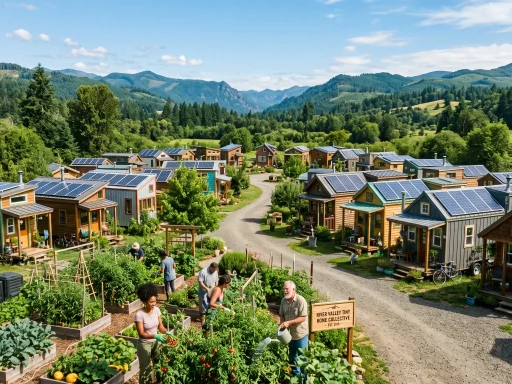
- Embrace Outdoor Living as Primary Square Footage: A tiny home is best experienced as an intimate bedroom, kitchen, and bathroom nested inside a massive outdoor living room. Decks, outdoor kitchen nooks, fire pits, and surrounding nature effectively expand usable footprint by 500%.
- Communicate Spatial Frustrations Early: Minor irritations—such as leaving a backpack on the kitchen floor—become significant tripping hazards. Transparent, humor-filled communication prevents small friction points from evolving into domestic tension.
Financial Liberation: Real Budgets of Tiny House Bloggers
| Monthly Budget Component | Typical Tiny House Budget | Standard Homeowner Equivalent |
|---|---|---|
| Land / Pad Lease (with hookups) | $400 – $750 | $1,650 – $2,800 (Mortgage PITI) |
| Electric Power (Grid / Solar Offset) | $25 – $65 | $180 – $320 |
| Heating & Cooking Propane | $30 – $70 | $120 – $240 (Natural Gas / Oil) |
| Water & Septic / Sewer Service | $20 – $40 (Included in many pad leases) | $80 – $140 |
| Property Insurance (RV / Tiny Home) | $45 – $90 | $110 – $250 (Homeowners Policy) |
| Total Monthly Shelter Cost | $520 – $1,015 | $2,140 – $3,750 |
The annual savings—often exceeding $18,000 to $25,000—accelerates debt liquidation, retirement contributions, and personal investments, providing the structural financial foundation that defines tiny house blog living.
Top 5 Hard Truths No One Mentions About Living in a Tiny House
- Odors Linger Rapidly: Searing salmon or frying onions permeates the entire home within seconds. High-CFM exterior venting and carbon filtration are essential kitchen requirements.
- Tripping Hazards Multiply: If one item is out of place on the floor, you cannot cross the room without navigating around it.
- Hosting Large Dinner Parties Requires Creativity: Entertaining six or more friends indoors is tight; hosting shifts outdoors around covered patios and firepits.
- Laundry Dynamics Shift: All-in-one ventless washer/dryer combos take 2.5 to 3.5 hours per small load. Laundry becomes a steady, rolling daily process rather than a single weekly chore.
- Zoning Vigilance Is Ongoing: Even when parked legally, staying informed about municipal zoning debates and neighborhood relations remains a permanent responsibility for moveable home dwellers.
Get our latest guides, news, and insights highlighted in your Google Search & AI Overviews.