Tiny House Types
Tiny house types is the architectural taxonomy categorizing micro-residential dwellings based on structural foundation, fabrication method, chassis mobility, and regulatory compliance standards.
Foundational Guides & Priority Resources
DublDom Modular Homes Review: Architecture, True Costs, and Owner Feedback
Architectural review of modular factory-built tiny houses (DublDom style), evaluating factory quality control, crane placement, and turn-key speed.
Tiny Mountain Houses Reviews: Model Breakdown, True Build Costs, and Owner Feedback
Detailed breakdown of alpine and rustic custom mobile models, floor plan variations, structural snow-load ratings, and buyer costs.
Are Tiny Homes on Amazon Legit? Truth Behind Online Tiny House Kits
Forensic buyer guide testing pre-fabricated container and flat-pack kit homes sold online, highlighting structural safety truths.
Architectural Typologies: THOW vs. Modular ADU vs. Shipping Containers
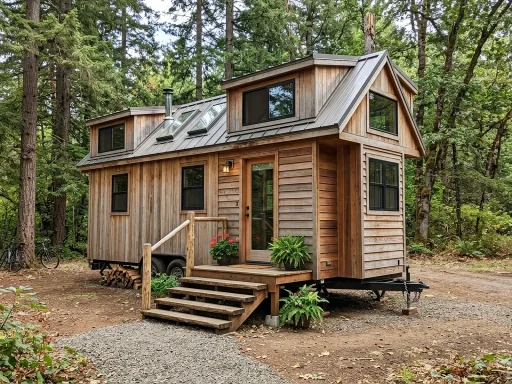
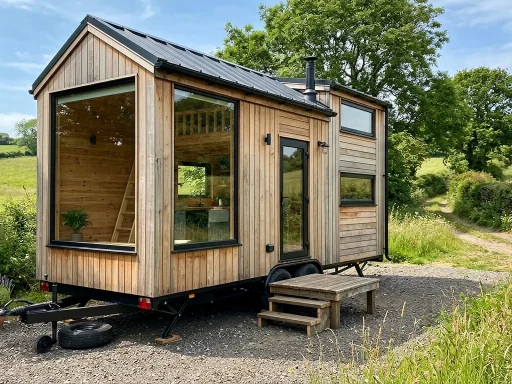
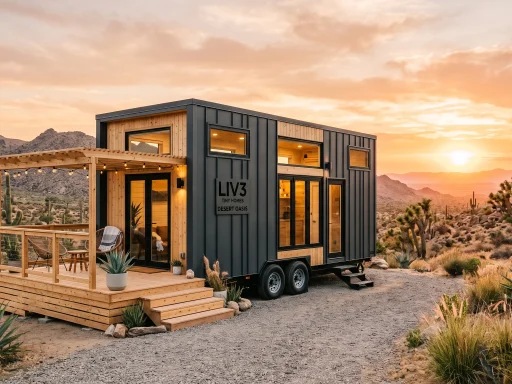
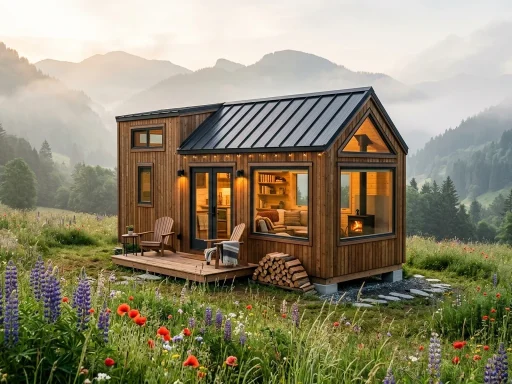
The micro-housing movement encompasses a diverse spectrum of structural typologies, each tailored to distinct lifestyle goals, mobility demands, and zoning realities. The most famous category is the Tiny House on Wheels (THOW), built on a custom heavy-duty trailer chassis. THOWs offer unmatched relocation freedom, exemptions from conventional permanent foundation property tax assessments, and the flexibility to move between private land, tiny home villages, and RV resorts.
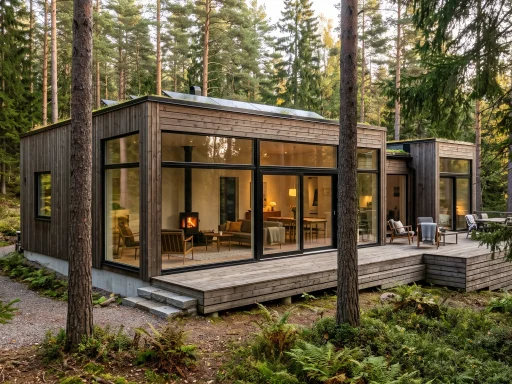
Permanent Foundation Tiny Homes and Modular ADUs represent the stationary wing of the movement. Built according to local residential building codes (IRC Appendix Q), these homes are anchored to concrete footings, slab foundations, or stem walls. Because they are legally classified as permanent real estate fixtures, foundation-built tiny homes appreciate in value alongside conventional housing, qualify for standard residential financing and insurance, and face far fewer zoning hurdles in progressive cities.
Specialty conversions—including shipping containers, converted school buses (Skoolies), and prefab shed homes—provide unique architectural niches. Repurposed steel shipping containers offer extraordinary structural rigidity and fire resistance, though modifying them requires specialized steel-cutting and strict continuous exterior insulation to prevent condensation. Skoolies offer maximum road trip mobility for nomadic living, while prefab modular homes deliver precision climate-controlled factory craftsmanship with rapid site delivery.
| Tiny House Typology | Mobility & Foundation Profile | Average Cost Range & Primary Advantage |
|---|---|---|
| Tiny House on Wheels (THOW) | Mobile on bumper-pull or gooseneck trailer | $45,000 – $130,000; maximum relocation autonomy and lifestyle freedom |
| Foundation-Built ADU | Stationary on concrete slab, crawlspace, or piers | $70,000 – $180,000; permanent real estate appreciation and conventional financing |
| Shipping Container Home | Semi-permanent; crane-lifted on concrete footings | $40,000 – $95,000; extreme structural durability and industrial storm resistance |
| Skoolie (Bus Conversion) | Fully motorized self-contained vehicle | $25,000 – $75,000; nomadic travel flexibility without requiring a heavy-duty tow truck |
Thematic Exploration Directory
Modular & Turnkey Builder Models
Frequently Asked Questions
What is the most popular type of tiny house?
Tiny Houses on Wheels (THOW) are the most popular typology due to their flexibility, mobility, lower initial cost, and the ability to relocate without selling real estate.
Are container tiny homes cheaper than wood-framed tiny houses?
Not necessarily. While raw shipping containers can be acquired for $3,000 to $6,000, specialized steel reinforcement, industrial cutting, rust remediation, and high-performance spray foam insulation make total finished costs comparable to timber framing.
What is the difference between a tiny house on wheels and a Skoolie?
A tiny house on wheels is a towable trailer requiring a heavy-duty truck (Ford F-250/F-350) to transport, built with residential timber/steel construction. A Skoolie is a motorized converted bus with built-in drivetrain and vehicle mechanics.
Can you convert a tiny house on wheels into a permanent home on a foundation?
Yes. A mobile tiny house can be placed onto a permanent concrete foundation (stem wall or engineered piers) by removing the wheels and axles and strapping the chassis frame directly to anchor bolts, provided the local building department approves the conversion.