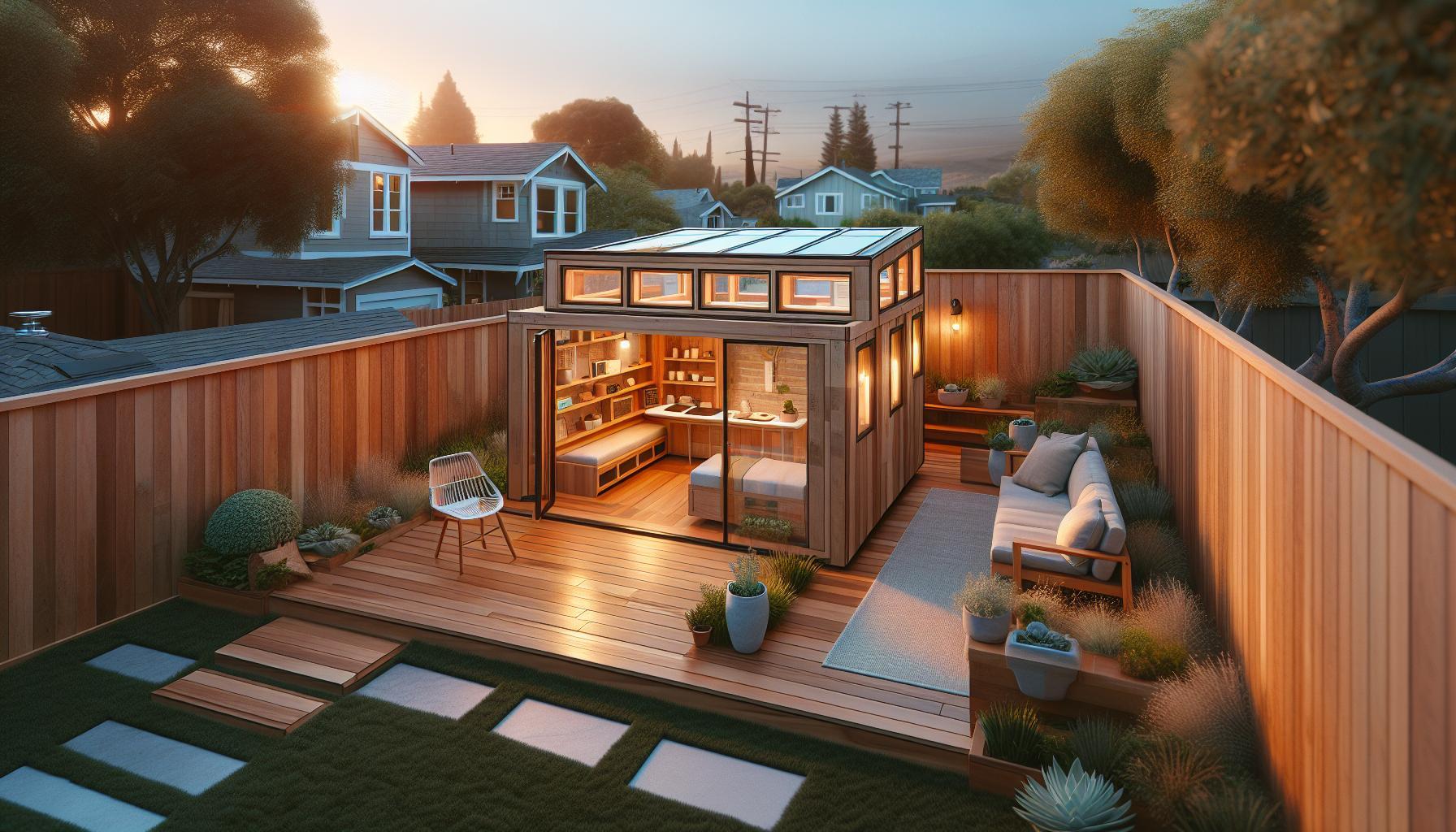
Are you dreaming of a cozy, sustainable lifestyle but wondering about the feasibility of tiny homes in California? Navigating the state’s complex regulations can be daunting for aspiring builders. This guide demystifies the essential legal considerations, helping you turn that dream into reality while ensuring compliance with local laws and zoning requirements.
Understanding California’s Tiny House Regulations: What You Need to Know
Navigating the intricate landscape of tiny house regulations in California can feel like wandering through a maze. With a growing interest in minimalist lifestyles and sustainable living, many are asking, “can I build a tiny house in California?” While the answer is often a resounding yes, various rules and regulations shape the tiny house experience in this diverse state.Understanding these regulations is crucial for anyone exploring this burgeoning trend.
Key Regulations to Consider
Before embarking on your tiny house journey, familiarize yourself with local zoning laws and building codes, as these can vary considerably by municipality.Here are some essential points to keep in mind:
- zoning Restrictions: Many cities have specific zoning laws that determine where tiny houses can be placed. In urban areas, tiny houses may only be allowed in designated areas or on properties with adequate space.
- Building Codes: California has stringent building codes that tiny houses must adhere to, particularly regarding safety and structural integrity. It’s vital to consult local regulations to ensure your design meets these standards.
- Permitting Process: Before constructing or placing a tiny house, securing the necessary permits is vital. This may include permits for electrical and plumbing systems if applicable.
- Utilities and Services: Check if your tiny house can connect to municipal services such as water, sewage, and electricity. Some areas have provisions for off-grid solutions, but you’ll still need to comply with existing services regulations.
Real-World Examples
Many Californian cities have embraced the tiny house movement, often establishing pilot programs or specific zones where these homes are permitted. For instance, Fresno allows tiny houses on wheels in certain districts, provided homeowners adhere to local building codes. Similarly, Los Angeles has initiated programs to encourage the construction of accessory dwelling units (ADUs), which can include tiny homes.Moreover, the state has taken steps to streamline the permitting process for ADUs to promote the creation of more affordable housing options. By staying informed on these initiatives and how they impact zoning, you can better navigate the complexities of tiny house regulations in California.
Key Takeaways
Understanding California’s tiny house regulations is essential for making your tiny living dreams a reality. Here’s a fast summary of actionable steps to take:
| Step | Description |
|---|---|
| Research Local Zoning Laws | Identify areas where tiny houses are allowed and learn about any restrictions you might face. |
| Consult with Local Authorities | Engage with local planning departments to understand specific building codes and permitting requirements. |
| Plan for Utilities | Determine how you will access water, waste disposal, and electricity, ensuring compliance with local guidelines. |
| Stay Updated | Follow changes in legislation and local programs promoting tiny housing to leverage new opportunities. |
by diligently researching and aligning your plans with California’s regulations,you can successfully navigate the path toward building your dream tiny home in the Golden State.
The Importance of Zoning Laws in Tiny House Construction
Navigating the world of tiny house construction can feel like traversing a labyrinth,especially in a complex regulatory habitat like California. Zoning laws play a pivotal role in this journey, significantly influencing where and how tiny homes can be built. These laws are designed to manage land use, and they vary dramatically from one municipality to another. Understanding the intricacies of zoning is essential for anyone asking, “Can I build a tiny house in California?”
Understanding Zoning Regulations
Zoning regulations dictate not only the type of structures that can be constructed but also how existing properties can be modified or converted. For tiny house enthusiasts,this means they must ensure that the chosen location allows for residential tiny homes. Many urban areas, as an example, may have restrictions that only permit single-family residential constructions, thereby excluding tiny houses that may not meet traditional definitions. In rural areas,on the other hand,there might potentially be more flexible options available,making it crucial for prospective builders to engage with local zoning ordinances before proceeding.
Considerations for Tiny House Placement
Before breaking ground, it’s essential to consider specific zoning designations that affect tiny house placements. These may include:
- Residential Zoning: Typically the most straightforward option for tiny house construction.
- Accessory Dwelling Unit (ADU) Regulations: Many California cities have embraced ADUs, allowing for secondary dwellings on residential properties, which can include tiny houses.
- Unincorporated Areas: These regions often have less stringent zoning laws, providing flexibility for tiny house placement.
Additionally, the California Department of Housing and Community Development outlines specific standards and safety regulations that must be adhered to, ensuring that tiny houses, whether on wheels or foundations, comply with building codes.
Navigating Local variances and Permits
Obtaining a local variance may be necessary if a tiny house does not conform to existing zoning laws. This can often involve a detailed application process where stakeholders must justify the need for an exception. It’s advisable to consult with local planning authorities early in the process, as they can offer guidance on both the approvals needed and the feasibility of your tiny house project.
To illustrate the importance of zoning laws, consider the recent trends in California’s housing policies aimed at addressing the housing crisis.Many cities have recognized the rise in tiny house popularity and have begun amending their zoning codes to accommodate these option living arrangements. By staying informed and adaptive, prospective tiny homeowners can secure their place within these evolving regulations.successfully building a tiny house in California hinges on understanding and integrating local zoning laws into your plans. It’s an essential step in ensuring that your dream home not only meets your personal needs but also complies with legal standards set forth by local governments.
Navigating Permits and Building Codes in the Golden State
Building a tiny house in California can be an exciting journey toward minimalism and sustainability, but it is indeed also a path laden with bureaucratic hurdles. From local zoning laws to state-mandated building codes,navigating the regulatory landscape is crucial to ensure your project is both legal and safe. Understanding these intricacies will not only save you time and resources but also help you avoid the stress of potential legal issues down the road.
Key Regulations to Consider
When embarking on your tiny house adventure, a thorough understanding of California’s regulations is essential. Here are some critically important aspects to address:
- Zoning Laws: Every city and county in California has its own zoning laws that dictate where tiny houses can be placed. For example, some areas only allow tiny homes in designated RV parks, while others may permit them on private lots.
- Building Codes: California adheres to the California Building standards Code, which varies by locality. It’s critical to check whether your tiny house meets these codes, especially if it is built on a foundation.
- Permitting: You will likely need various permits, including a building permit, an electrical permit, and possibly a plumbing permit.The specifics can vary significantly from one jurisdiction to another.
- Utility Connections: If you plan to live in your tiny house permanently, inquire about how to connect to local utilities such as water, electricity, and sewage systems.
- Environmental Regulations: In certain areas, especially near coastlines or in fire-prone zones, additional environmental regulations apply that could impact your project.
Specific Steps for Compliance
To navigate the regulatory maze successfully, follow these actionable steps:
- Research Local Regulations: Start by visiting your city or county’s planning department website.This will provide you access to pertinent zoning regulations and building codes.
- Consult with Professionals: Engaging with local architects or contractors who have experience with tiny homes can offer valuable insights into what is permissible in your area.
- Attend Community Meetings: Frequently enough, local government holds forums or city council meetings where changes in zoning laws are discussed. Your participation can provide vital information on upcoming regulations that may affect your project.
- Prepare Your documentation: When you are ready to apply for permits, ensure all your documentation is thorough and accurately reflects your plans to speed up the approval process.
| Permit Type | Required By | Typical Timeline for Approval |
|---|---|---|
| building Permit | Local Building Department | 2-6 weeks |
| electrical Permit | Local Electrical Inspector | 1-3 weeks |
| Plumbing Permit | Local Plumbing Inspector | 1-4 weeks |
| Land Use Permit | City or County Planning Department | 2-8 weeks |
Following these guidelines can definitely help demystify the frequently enough complex process of launching your tiny house project in California.With careful planning and thorough research, you can navigate the permits and building codes that stand between you and your dream home.
Choosing the Right Location: Land Use and Tiny House Communities
Finding the perfect spot for your tiny house in California is an adventure in itself—a puzzle that requires careful consideration of various factors. The Golden State offers a rich tapestry of landscapes, from coastal vistas to serene mountains, but not every area permits tiny dwellings. Understanding land use regulations and the rise of tiny house communities is essential for anyone asking, “Can I build a tiny house in California?”
Understanding Land use Regulations
Before diving into the tiny house lifestyle, it’s pivotal to familiarize yourself with local land use regulations. Each county and city in California has distinct zoning laws that dictate how land can be used. Here are some elements to consider:
- Residential vs.Recreational Zoning: Determine if the desired area is zoned for residential use or if it falls under recreational zoning, which may have different restrictions.
- Minimum lot Size: Many jurisdictions have a minimum lot size for residential properties, which could directly impact your ability to place a tiny house.
- Setbacks and Building Codes: Make sure to check the required setbacks from property lines and the building codes in your area to avoid fines or mandatory removal of your tiny home.
exploring Tiny House Communities
Tiny house communities are cropping up all over California,offering an appealing alternative to traditional housing. These communities often come with shared amenities and a supportive environment for tiny house enthusiasts. Here are a couple of noteworthy examples:
| community Name | Location | Features |
|---|---|---|
| Tiny House Block | Los Angeles | Community kitchen, shared gardens, eco-kind initiatives |
| Fern Valley | Joshua Tree | Art installations, natural landscapes, seasonal events |
In addition to fostering a sense of community, these developments often have established guidelines for building and living in tiny homes. It’s advisable to connect with community organizers to get insights into the building process and obtain necessary permits.Before you embark on this journey,always conduct thorough research and explore multiple options to find a location that aligns with your lifestyle and values. Whether you’re drawn to the hustle of urban life or the tranquility of rural areas,California has something to offer every tiny house dreamer.
Essential considerations for Off-Grid Living in California
When contemplating off-grid living in California,it’s essential to delve into the intricate web of regulations,environmental factors,and practicalities that influence such a lifestyle. This approach not only enhances your understanding of the landscape of tiny home construction but also empowers you to navigate the sometimes elaborate regulatory environment that the Golden State presents. Here are some critical aspects to consider:
Regulatory framework
The first step towards establishing an off-grid tiny house is familiarizing yourself with local zoning laws and building codes. Each county in California has different regulations that dictate where you can place a tiny house and whether you can live in it year-round. Ensure that you do thorough research on local jurisdiction requirements, as they could vary significantly even within the same region. Typical considerations include:
- Minimum lot sizes
- Setback requirements from property lines
- Permitting processes for construction
Building permits, especially when constructing non-traditional housing like tiny homes, may require you to submit plans that conform to specific building codes, including energy efficiency, safety standards, and sewage disposal solutions.
Off-Grid Utilities
Living off the grid necessitates a robust plan for utilities since conventional water, electricity, and sewage may not be readily available. Those interested in sustainable living should consider renewable energy solutions, such as solar power and rainwater harvesting systems.
Here’s a brief look at potential utility solutions:
| Utility Type | Off-Grid Solution |
|---|---|
| Electricity | Solar panels with battery storage |
| Water | Rainwater collection or well water |
| Sewage | Composting toilets and greywater systems |
Implementing off-grid systems not only aligns with sustainable living ideals but can also result in long-term cost savings.
Environmental Considerations
California’s diverse ecosystems come with their own set of challenges and regulations that can impact your off-grid setup. From fire safety regulations, especially in rural and mountainous areas prone to wildfires, to water conservation measures in drought-stricken regions, understanding these environmental factors is paramount.
Engaging in community forums or local workshops can provide valuable insights into living sustainably within California’s diverse environments. Grounded by local knowledge, you can create a tiny house that not only meets your needs but also coexists harmoniously with nature, making a positive impact on the surrounding ecosystem.
Being well-prepared and informed about these essential considerations will empower you to make informed decisions as you move forward in your journey toward off-grid living in California.
Financing Your Tiny House: Tips for Budgeting and Resources
Financing a tiny house can feel daunting, especially in a state like California where property costs soar. However, with the right budgeting strategies and an understanding of available resources, you can make your tiny house dream a reality. As regulations concerning tiny homes in California can vary greatly, as discussed in the complete “Can I Build a Tiny House in California? Golden State Regulation guide,” being financially prepared is crucial.
Understanding Your Budget
Before diving into financing options,it’s essential to establish a clear budget. Tiny houses can range widely in price, influenced by factors such as design, materials, and land costs. Here are a few steps to help you draft an effective budget:
- Research Costs: Investigate local zoning laws and building codes. You might find that certain areas allow for more affordable options than others.
- Define Your Priorities: Decide on must-have elements versus nice-to-haves in your build. This can help you keep costs down.
- Plan for Additional Expenses: Remember to account for utilities,insurance,permits,and potential land costs when adding up your budget.
Financing Options
Once you have a clear budget,explore different financing options tailored for tiny houses. Below are some popular choices:
| Financing Option | Description | Best For |
|---|---|---|
| Personal Loans | Unsecured loans that can be used for various expenses without collateral. | Those with good credit looking for quick funding. |
| RV Loans | Loans specifically for purchasing tiny homes classified as RVs. | Buyers whose tiny home meets RV standards. |
| home Equity Loans | Borrow against your existing home’s equity to finance your tiny home. | Homeowners who have significant equity. |
| Community Financing | Local credit unions or sustainability-focused organizations may offer special loans. | Those in supportive communities,focusing on sustainability. |
Don’t forget to explore assistance programs that may be available in California for first-time homebuyers or those looking to live in eco-friendly homes. These can provide vital financial relief as you navigate your tiny house journey.
Additional Resources
To supplement your financing strategy, consider utilizing the following resources:
- Tiny House Associations: Joining groups like the American Tiny House Association can offer networking opportunities and access to financial resources.
- Online Financing Platforms: Websites such as LendingTree or SoFi can connect you with multiple lenders to compare rates.
- Local Workshops: Attend local workshops focused on tiny house living in California, where you can gather information about financing directly from experienced builders and financial experts.
By taking the time to budget effectively and explore varying financing options and resources,you can confidently move forward with your tiny house project in California,navigating regulations and financial challenges to create your ideal living space.
Overcoming Challenges: Common Legal Hurdles for Tiny Homeowners
Navigating the world of tiny home ownership in California can feel like traversing a maze filled with legal obstacles. With a growing interest in compact living, many aspiring tiny homeowners are eager to understand the nuances of state regulations. Though, navigating local zoning laws, building codes, and permit requirements can present significant challenges that need to be overcome for a successful tiny home build.
Understanding Zoning regulations
One of the primary hurdles for those asking themselves, “Can I build a tiny house in California?” lies in the zoning regulations that vary significantly from one municipality to another. Many cities have strict zoning laws requiring specific land use categories, which can exclude tiny homes outright or limit them to designated areas. As an example, areas zoned for single-family homes might not allow tiny structures unless they adhere to traditional house dimensions. It’s crucial to verify the zoning classification of the property intended for a tiny home to avoid potential violations and fines.
- Research local zoning ordinances.
- Check whether the property is eligible for accessory dwelling units (ADUs).
- Consult with local planning departments for guidance.
Building Codes and Safety Standards
another critical challenge is ensuring compliance with California’s building codes, which are established for safety and structural integrity. Tiny homes, whether on wheels or fixed foundations, must meet various safety standards that can complicate the construction process. As an example, if a tiny house is classified as an RV, it may fall under different regulations than a traditional home, impacting plumbing, electrical systems, and more.
| Category | Building Code Requirements |
|---|---|
| Fixed Foundation Tiny Homes | Must comply with California residential Code. |
| Tiny Homes on Wheels | Must adhere to RV regulations and safety standards. |
Challenges with Permits
Securing the necessary permits can be a daunting aspect of the tiny home building process. From initial planning permits to inspections, the bureaucratic process can be lengthy and complex. Many counties require a separate permit for water and septic systems, adding further layers of complexity. It’s advisable to engage with a local contractor who is familiar with the permit process or a legal consultant who specializes in tiny home legislation.
- Prepare detailed construction plans to streamline the permit approval process.
- Stay updated on any new developments in tiny house regulations in California.
- Consider joining local tiny house communities for support and sharing experiences.
By understanding these challenges and proactively addressing them, prospective tiny homeowners can turn their dream of compact living into a reality while remaining compliant with California’s multifaceted regulations.
Embracing Minimalism: The Philosophical Appeal of tiny House Living
In an age where materialism permeates our lives, the concept of minimalism has emerged as a refreshing counterpoint, drawing many to embrace tiny house living. The allure of a simplified lifestyle, characterized by fewer possessions and reduced environmental impact, reflects a deep philosophical appeal that resonates with the desire for authenticity and personal freedom. For those pondering a transition to such a lifestyle, particularly within the vibrant context of California, understanding the regulations surrounding tiny homes becomes crucial.
Living in a tiny house embodies more than just downsizing; it represents a profound shift in mindset. People are increasingly recognizing that happiness stems not from accumulating possessions but from prioritizing experiences and relationships. This is particularly relevant for those considering the question, “Can I build a tiny house in California?” As regulations vary widely across the Golden State, being informed can empower aspiring tiny home dwellers to navigate the legal landscape while staying true to their minimalist ideals.
Philosophical Roots of Minimalism
The minimalism movement is steeped in various philosophical traditions that advocate for simplicity and intentional living. Here are some key philosophical tenets that underscore tiny house living:
- Existentialism: Emphasizes personal freedom and choice, encouraging individuals to define their meaning of life beyond societal expectations.
- Buddhism: Teaches non-attachment and mindfulness, advocating for a focus on the present moment over material accumulation.
- Simplicity: Echoes the writings of Henry David Thoreau, who famously stated, “Simplify, simplify,” reminding us that less can indeed be more when it fosters deeper connections with ourselves and nature.
By integrating these philosophies into tiny house living, individuals can cultivate a lifestyle that values quality over quantity, leading to greater satisfaction and fulfillment.
Practical Steps for Embracing Tiny House Living in California
For those contemplating this lifestyle,it’s essential to weave the philosophical with the practical. Navigating the complexities of tiny house regulations in California involves critical steps:
| Step | Description |
|---|---|
| 1. Research Local Regulations | Each city in California has its own zoning laws and building codes. Start by exploring local requirements to ensure your tiny home complies. |
| 2.Connect with Tiny House Communities | Engage with existing tiny house dwellers online or in person. They can offer invaluable insights about living small and working through regulations. |
| 3. Prioritize Sustainability | Incorporate eco-friendly practices, such as solar energy and rainwater harvesting, which align with minimalism’s ethos and can facilitate meeting regulatory standards. |
| 4. Plan Your Layout Wisely | Maximize space utilization while maintaining functionality—the design should reflect your lifestyle choices and personal values. |
By approaching the idea of tiny living through a philosophical lens, individuals can create a home that resonates with their personal values while harmonizing with their surroundings. As the movement grows, answering the question “Can I build a tiny house in California?” becomes not just about navigating legal requirements, but also about crafting a meaningful existence that celebrates simplicity.
Frequently asked questions
Can I Build a Tiny House in California? Golden State Regulation Guide?
Yes, you can build a tiny house in California, but you must comply with local zoning laws and building regulations. Understanding the specific requirements for your desired location is essential.
California has various regulations regarding tiny homes,including questions of whether they are classified as accessory dwelling units (ADUs) or mobile homes. Each city or county will have its own rules, so it’s critically important to check local ordinances.For detailed insights, refer to our Golden State regulation Guide.
What are the zoning laws for tiny houses in california?
Zoning laws for tiny houses in California vary widely depending on the city or county. Generally, they fall under residential zoning categories, but some areas may have specific regulations for ADUs.
To ensure compliance, it’s advisable to start by checking with your local planning department. Zoning laws will dictate factors like lot size,setbacks,and maximum height. Each region may have unique conditions, so local regulations play a crucial role in your tiny house project.
How do I obtain permits to build a tiny house in California?
To obtain permits for building a tiny house in California, you’ll need to submit plans that comply with local building codes and zoning laws. Check with your local building department for specific requirements.
Permits may include building permits, engineering approvals, and possibly even environmental assessments depending on your location. Engaging with a local architect or builder familiar with these regulations can aid in navigating the permit process efficiently.
Can I live full-time in a tiny house on wheels in california?
Yes, you can live full-time in a tiny house on wheels in California, but you must comply with local regulations regarding mobile homes and RVs. Some areas may restrict long-term residency.
While living in a movable dwelling can offer flexibility, ensure that you check local zoning laws—some counties classify tiny homes on wheels as RVs, which can limit where you park and live. Investigating your options thoroughly will help avoid any regulatory issues.
Why does California have strict regulations for tiny homes?
California has strict regulations for tiny homes primarily due to concerns over safety, environmental impact, and urban planning. These rules ensure that developments are sustainable and fit within community frameworks.
As a state with high population density and limited land, California’s regulations aim to balance housing needs with environmental sustainability. Regulations help maintain infrastructure standards and promote orderly growth, making compliance necessary for any tiny house initiative.
What are the benefits of tiny house living in California?
Tiny house living in California offers various benefits, including lower costs, reduced environmental impact, and a minimalist lifestyle that encourages less clutter and more freedom.
Many tiny house enthusiasts appreciate the ability to downsize and embrace a simpler way of living. moreover,tiny homes often foster a sense of community and provide opportunities to customize living spaces creatively,contributing to the ongoing minimalist movement.
Are there financing options available for tiny houses in California?
Yes, there are several financing options available for tiny houses in California, including personal loans, RV loans, and some traditional mortgage options depending on how the house is classified.
It’s important to research lenders familiar with tiny homes as they may offer tailored financing solutions. Some tiny house builders also provide financing packages to their customers, so exploring all avenues can be beneficial in securing the right funding.
Future Outlook
As we’ve explored throughout this guide, building a tiny house in California is a journey that involves navigating a complex landscape of regulations, zoning laws, and practical considerations. From understanding what constitutes a tiny house to recognizing the importance of building permits and site regulations, it’s clear that while the dream of minimalist living is within reach, it does come with its challenges.
The key takeaways include knowing your local zoning laws, securing the right permits, and being aware of the nuances that each county may have regarding tiny homes.Embracing tiny house living is not just about the size of your dwelling; it’s a lifestyle change that prioritizes simplicity, sustainability, and intentionality.
we encourage you to dig deeper into the specifics of your locality and engage with the tiny house community for support and inspiration. Whether you’re a seasoned builder or just starting to dream about your future tiny home,remember that each step you take brings you closer to creating a space that reflects your values and aspirations. So, continue to explore the resources available, connect with fellow enthusiasts, and let your tiny house journey begin!