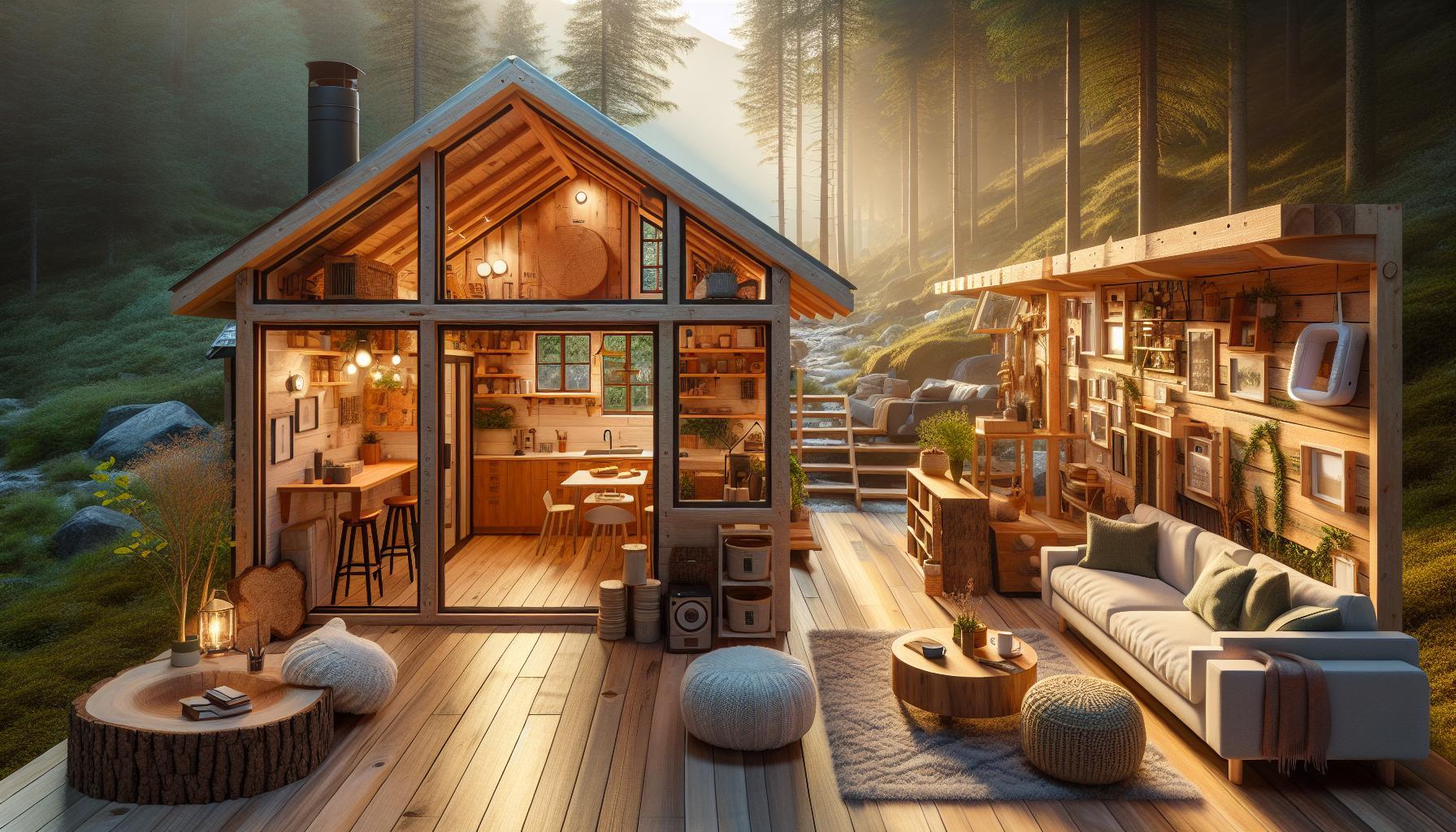
As the tiny house movement gains momentum, many dreamers face a crucial dilemma: Are these compact living spaces actually permitted in their desired locations? Understanding zoning laws and regulations is essential for aspiring homeowners looking to embrace minimalist living. In this guide, we demystify tiny house legality across the nation, so you can make informed decisions for your lifestyle choice.
Understanding Zoning Laws: the Framework for Tiny House Living
Navigating the complexities of zoning laws is crucial for anyone interested in adopting a tiny house lifestyle. As urban living becomes increasingly resource-conscious, tiny homes have emerged as a viable solution to housing shortages and environmental concerns. Though, their legality largely hinges on various zoning regulations that dictate how land can be utilized. Understanding these zoning laws is essential, as they vary widely across different jurisdictions, making it critical for potential tiny house dwellers to conduct thorough research and possibly engage with local planning departments.
Zoning laws classify land into different categories, each with specific rules governing what can be built and how properties can be used. For tiny houses, common zoning categories to consider include residential zones, mixed-use zones, and agricultural zones. In many areas, tiny houses can be classified as accessory dwelling units (ADUs) or temporary structures, which may allow for greater adaptability in placement and usage. Moreover, some cities and towns may have enacted special provisions to accommodate tiny houses, reflecting a growing trend toward compact living spaces in urban planning discussions.
- Research Local Zoning Codes: Before purchasing or relocating a tiny house, it’s paramount to consult local zoning ordinances. Some areas may have restrictions on the size of dwellings or may require specific permits for choice housing options.
- Consider building Codes: Alongside zoning laws, building codes must be adhered to. These regulations govern safety, sanitation, and structural integrity, ensuring that tiny homes meet basic living standards.
- Explore Tiny House Communities: Many regions are witnessing the emergence of tiny house communities that have navigated the zoning hurdles. These developments demonstrate successful collaborations between tiny house advocates and local governments.
Practical Steps for Tiny House Enthusiasts
A practical approach for those pursuing tiny house living includes gathering data about local laws,perhaps applying for variances where standard zoning regulations are restrictive. Engaging with your community can also foster supportive networks that advocate for more flexible zoning laws regarding tiny homes. The growing acceptance of tiny houses signals a potential shift in urban planning paradigms,making it essential for enthusiasts to stay informed and active in local planning discussions.
| State | Common Zoning Designation for Tiny Houses | Notes |
|---|---|---|
| California | Accessory Dwelling Unit (ADU) | Many cities encourage tiny homes to address housing shortages. |
| Florida | Urban and Agricultural Zones | Flexible options but requires adherence to building codes. |
| Texas | Residential Zoning | Growing number of tiny house communities available. |
Understanding zoning laws is not merely a legal consideration; it’s an integral part of making informed decisions regarding tiny house living. By familiarizing yourself with pertinent regulations and remaining proactive in engaging with local policies, you can create a sustainable and fulfilling living space that aligns with the principles of simplicity and ecological duty.
Navigating Building Codes: What You Need to Know
Understanding building codes is essential for anyone considering a tiny house, as these regulations can considerably impact legalities and practical considerations related to construction and occupancy. building codes are sets of standards established by local authorities to ensure that structures meet safety, health, and welfare guidelines. Because tiny houses, with their unique designs and dimensions, often challenge conventional standards, navigating these codes can be daunting yet critical.
To successfully maneuver through building regulations, it’s vital to consult local code officials and thoroughly research the specific codes applicable to tiny houses in your area. Key elements to consider include:
- Size and Dimensions: many jurisdictions have minimum square footage requirements for residences.Understanding how your tiny house fits within these parameters is crucial.
- Foundation Type: Some codes differentiate between mobile homes and permanent structures. Clarifying whether your tiny house is considered permanent or temporary can determine the applicable regulations.
- utility Connections: Compliance with plumbing, electrical, and heating codes is necessary. this includes ensuring that your tiny house can be safely connected to local utilities.
- Zoning Laws: Local zoning regulations often dictate where tiny houses can be placed, including restrictions on land use, minimum lot sizes, and proximity to other structures.
Key Resources for Tiny House Owners
Finding up-to-date information regarding building codes can be easily achieved through various resources. States and municipalities frequently enough provide official websites where current building codes are outlined. As an example, many states have minimum standards for construction available through community affairs boards or state fire marshal offices [[2]](https://dca.georgia.gov/community-assistance/construction-codes/current-state-minimum-codes-construction). More expansive resources like UpCodes can also be valuable, offering a comprehensive library of code adoptions that can be filtered by jurisdiction [[1]](https://up.codes/codes).
For those pondering, “Are Tiny Houses Legal? Essential Guide to Zoning Laws Nationwide,” it is indeed advisable to join local tiny house communities or online forums. Engaging with experienced tiny house owners can provide practical insights and help you navigate the intricacies of building regulations effectively. Always remember that each local code may vary, making it imperative to conduct thorough research tailored to your specific location.
Tiny House Communities: Opportunities or Legal Headaches?
The rise of tiny house living has garnered significant attention, presenting an appealing lifestyle choice for those seeking minimalism and lower living costs. Though, within this burgeoning movement lies a challenging landscape marked by varying zoning laws and regulations. Navigating these legal realms is crucial for potential residents of tiny house communities, which frequently enough promise a close-knit surroundings and sustainable living while harboring potential legal headaches that could complicate the dream of tiny living.
Understanding Zoning Laws
Tiny house communities may appear to offer an idyllic setting free from the burdens of conventional homeownership, but the reality is that many municipalities have not adapted their zoning laws to accommodate this trend. To mitigate potential frustrations, it is essential to research local zoning regulations. Key considerations include:
- Minimum Size Requirements: Many areas stipulate a minimum square footage that may exclude smaller tiny homes.
- Land Use Compatibility: Check if the land is zoned for residential use to avoid conflicts.
- Building Codes: Local building codes may impose additional requirements that tiny homes must meet.
Familiarizing yourself with these regulations can prevent unexpected setbacks when attempting to establish residency within a tiny home community.
Community Benefits vs. Legal Challenges
Participating in a tiny house community offers various benefits,including shared resources,communal spaces,and a supportive network of like-minded individuals. However, these communities can sometimes face opposition from local governments or neighborhood groups, especially when zoning laws do not align with the community’s vision. As an example, a community that prioritizes eco-friendly living may run into legal challenges if the local jurisdiction has strict regulations regarding land use or environmental standards.
To enhance your chances of successfully integrating into a tiny house community, consider the following actionable steps:
- Engage with Local Officials: Building a relationship with local goverment officials can provide insight and facilitate smoother communication regarding zoning inquiries.
- Participate in Community Meetings: Attend town meetings to stay informed about changes to local zoning laws that could affect tiny house living.
- Join Advocacy Groups: Collaborating with groups dedicated to tiny house rights can empower collective action for favorable legislation.
Ultimately, while tiny house communities present many opportunities, the pursuit of living in one necessitates a proactive approach to understanding and navigating the complex legal landscape rooted in zoning laws. By being well-informed and prepared, potential residents can better position themselves to enjoy the benefits of tiny home living without falling victim to the pitfalls of legal obstacles.
Mobile vs. Permanent Tiny Houses: legal Distinctions Explained
Understanding the legal landscape surrounding tiny houses can feel like navigating a complex maze, especially when it comes to differentiating between mobile and permanent structures. Each type comes with its own set of zoning laws and requirements that can significantly impact where you can place your tiny home.
Defining Mobile Tiny Houses
Mobile tiny houses, often built on trailers, are designed for mobility.They can be relocated from one place to another, which provides homeowners greater flexibility. Though, this mobility can complicate legal matters. Many municipalities classify them as recreational vehicles (rvs) or trailers, subjecting them to specific rules that govern where they can be parked or stationed. For those considering this option,it’s crucial to check local ordinances regarding RV parking,as well as any restrictions on long-term residency in such vehicles.
- May require a special permit or registration.
- Often limited to designated RV parks.
- Possible restrictions on utilities and connections.
The Nature of Permanent Tiny Houses
In contrast, permanent tiny houses are often built with the intention of long-term habitation and are typically placed on a foundation. These structures tend to align more closely with traditional residential properties, but they may still encounter zoning challenges. Many areas have specific requirements regarding size, placement, and building materials, transforming tiny houses into potential zoning headaches. Homeowners may find that they benefit from zoning classifications designed for single-family homes but still need to navigate regulations tied to their unusually small dimensions.
| Aspect | Mobile Tiny Houses | Permanent tiny Houses |
|---|---|---|
| Mobility | Highly mobile, designed for relocation | Fixed to a foundation, intended for long-term living |
| Zoning Classification | Often classified as RVs or trailers | Typically falls under residential zoning laws |
| Utility Connections | May face restrictions | Full utilities, similar to homes |
| Permit Requirements | varies by region, potential for special permits | Generally subject to standard building permits |
the distinction between mobile and permanent tiny houses can dramatically impact their legality and the regulations that come into play. Homeowners must conduct thorough research into local zoning laws before making an investment in either option. Understanding these nuances is vital for anyone considering a tiny lifestyle, ensuring that the dream of downsizing doesn’t turn into a legal nightmare.
Finding Your Space: Where Tiny Homes Are Welcome
finding the perfect location for your tiny home can be as exciting as designing and building it. With a growing movement emphasizing minimalist living and sustainability, many areas across the nation are becoming more accommodating to tiny houses. However, differences in zoning laws and regulations can greatly influence where you can settle down. Understanding these legal landscapes is essential to avoid potential headaches and to truly enjoy the freedom that tiny home living offers.
Understanding Zoning Laws Across the U.S.
Each jurisdiction has its unique regulations regarding tiny homes, so it’s crucial to conduct thorough research before making any commitments. Here are some key aspects to consider that highlight where tiny houses are more welcome:
- Communities Designed for Tiny Living: Some towns are paving the way for tiny home communities, presenting a supportive environment for residents. Areas like Fremont, California, and Beaufort County, South Carolina offer designated zoning for tiny homes within specific developments.
- Backyard Tiny Homes: Many cities like Portland, Oregon, allow for accessory dwelling units (ADUs). This means you can place a tiny home in the backyard of a primary residence, effectively expanding your living space while adhering to local laws.
- Rural Areas: more lenient regulations in rural zones can make places like colorado or Texas ideal for tiny houses, especially if you’re looking for land where zoning for dwellings is less restrictive.
- Tiny House Villages: Joining a tiny house village can provide both a legal and community-focused living situation. Check for developments in states such as Florida and North Carolina designed specifically for tiny home dwellers.
Navigating Local Regulations
Before you decide on a location, create a checklist for the essential legal requirements based on the specific area you’re considering.
| Area | Building Codes | Lot Size Requirements | Utilities |
|---|---|---|---|
| California | Yes, must follow state codes | Varies by county | Must connect to main utilities |
| Oregon | Flexible; some counties are more lenient | As low as 2,000 sq ft in some cities | ADUs require separate utilities in some areas |
| Texas | Looser regulations than many states | No minimum in some rural areas | Utilities must be established on-site |
Regardless of where you envision your tiny home, ensuring you’re compliant with local zoning laws will make your transition smoother and more enjoyable. Researching these parameters—considering community sentiment, local support for tiny living, and practical limitations—can ensure that your tiny house not only fits your lifestyle but thrives within its community as well.
Overcoming Legal Hurdles: Tips for Aspiring Tiny House Dwellers
Navigating the legal landscape surrounding tiny houses can feel like traversing a maze, with zoning laws and building codes often acting as formidable barriers. however, with a little readiness and understanding, aspiring tiny house dwellers can successfully overcome these hurdles. Whether you dream of a mobile tiny home or a stationary setup, knowing how to approach the necessary legalities is crucial to making your dream a reality.
Understanding Zoning Laws
Before you can park your tiny house or establish it as a permanent residence, understanding local zoning laws is essential. These regulations dictate where and how tiny homes can exist in your community. Here are some steps to guide you:
- Research Local Regulations: Check your city or county’s zoning ordinances online or visit their offices to gather information specific to tiny homes.
- Join Local Groups: connect with tiny house communities in your area. Networking with others can provide insights into navigating local laws and may even help you find suitable land.
- Consult with a Lawyer: when in doubt, seek legal advice. an attorney specializing in real estate or zoning laws can assist in clarifying any complex regulations or ordinances.
Building Codes and Permits
Meeting building codes is another crucial aspect of tiny house legality. These codes ensure that your home is safe and livable. Depending on your location,you may need to acquire specific permits.Here’s how to navigate this process:
- Identify Required Permits: Most jurisdictions require permits for building, electrical, and plumbing work. Know what you need prior to construction.
- Meet Safety Standards: Ensure your design complies with the local safety standards, which can often differ significantly from traditional homes.
- Consider Alternative Housing Programs: Some cities have programs or incentives for alternative housing solutions, including tiny homes—do some research to see if your area has such options.
Community Acceptance
Community acceptance can significantly impact your ability to live in a tiny house. As you approach this challenge, consider these strategies for fostering goodwill:
- Engage with Neighbors: Before moving in, introduce yourself to nearby residents. Building rapport can create support and minimize objections.
- Demonstrate benefits: share the environmental and economic benefits of tiny living. Emphasizing sustainability can often sway public perception positively.
- Participate in Local Meetings: Attend town hall meetings or community forums to voice your intentions and contribute to discussions on housing policies.
Successfully overcoming legal hurdles requires proactive engagement and thorough research. By understanding zoning laws,securing necessary permits,and promoting community acceptance,aspiring tiny house dwellers can pave the way for a fulfilling tiny living experience while ensuring compliance with local regulations as outlined in the *Are Tiny Houses Legal? Essential Guide to Zoning Laws Nationwide*.
The Role of Permits: Essential Steps Before You Build
Building a tiny house can be an exciting endeavor that symbolizes freedom, minimalism, and a sustainable lifestyle. However, before diving into construction, it’s crucial to understand the legal landscape surrounding tiny homes, particularly the various permits required in different jurisdictions. Navigating this process can feel overwhelming, but awareness and diligence can save you from potential roadblocks later on.
Understanding Permit Requirements
Permits are a vital part of any building project, serving as safeguards for public safety, health, and welfare. Each state,city,or municipality has specific guidelines pertaining to the construction of tiny homes. It’s essential to familiarize yourself with these local regulations to ensure compliance and avoid fines or demolition orders. Permits frequently enough cover a range of aspects, including:
- Building Permits: Required for any structural changes to the property.
- Electrical and Plumbing Permits: Necessary if you plan to install utilities in your tiny house.
- Zoning permits: Critically important for determining where tiny homes can be legally placed based on land usage.
- Occupancy Permits: Required for ensuring the home meets safety criteria before it can be inhabited.
Steps to Obtain the Necessary Permits
Navigating the permit process can seem daunting, but following a systematic approach can streamline your experience.Here’s a practical guide to help you through the process:
- Research Local Laws: start by investigating the zoning laws in your area. Are tiny houses legal in your town? Check local government websites or reach out to your county’s planning department.
- Prepare Design plans: Create a detailed blueprint of your tiny house, ensuring you adhere to any building codes and zoning regulations.
- Submit Applications: Complete all required permit applications. This may require submitting your plans along with fees, so be prepared for potential costs.
- schedule Inspections: After your permits are approved,inspections may be necessary throughout the building process to verify compliance with safety codes.
Common Challenges and Solutions
The path to securing permits can present various challenges, especially for tiny house builders. Here are some common issues and effective solutions:
| Challenge | Solution |
|---|---|
| Understanding Zoning Restrictions | Consult with local officials or hire a land-use attorney to clarify regulations. |
| High Fees | Invest time in creating a thorough application to minimize resubmission costs. |
| Delays in Processing | Apply well in advance and follow up regularly with the permitting office. |
Being well-informed about the permit process is essential for successfully navigating the complexities of building a tiny house. You can ensure that your project proceeds smoothly and legally by taking the time to understand local requirements and prepare adequately.remember, each jurisdiction might have its own set of rules; therefore, familiarity with these specifics is key to making your tiny home dream a reality.
State-Specific Regulations: A Closer Look at Tiny House Legality Across the Country
Navigating the world of tiny house legality can often feel like wandering through a maze, particularly due to the varying regulations set forth by different states and municipalities.Each location has its own unique approach to zoning laws, building codes, and residential classifications that can either hinder or facilitate the tiny home movement. Understanding these state-specific regulations is crucial for anyone considering making the switch to a smaller, more sustainable lifestyle.
Understanding Local Zoning Laws
Local zoning laws heavily influence tiny house legality. As an example, some states may permit tiny homes on wheels as recreational vehicles while others may classify them as permanent dwellings needing a foundation. Moreover, some municipalities might have adopted flexible regulations that embrace tiny houses, recognizing their benefits for affordable housing and sustainable living.
- California: Known for its progressive attitude, California offers a variety of zones where tiny homes can thrive, particularly in rural areas. Cities like Fresno have developed specific guidelines for tiny home villages, actively promoting them as an affordable housing solution.
- Texas: With an abundance of land and a broad interpretation of property rights, Texas has emerged as a haven for tiny house enthusiasts. Many cities, like Spur, have embraced tiny homes, allowing them in residential neighborhoods and even providing utility connections.
- Florida: Local governments across Florida exhibit a mixed bag of regulations. while some areas have made strides in integrating tiny homes into existing residential zones, others remain strict, frequently enough requiring compliance with traditional building codes.
Building Codes and Safety Standards
Beyond zoning, building codes are another critical layer in the compliance puzzle.These codes set standards for safety, quality, and habitability, which can vary drastically across states:
| State | Building Code Status | Notes |
|---|---|---|
| Oregon | Adopted | Has specific regulations for tiny houses, including minimum square footage and plumbing. |
| New York | Stricter | Requires tiny homes on foundations to meet the same standards as traditional homes, which can be challenging. |
| Colorado | Varied | Local jurisdictions have different building codes, offering potential flexibility for tiny homes. |
When planning to build or place a tiny house, it is essential to consult local building departments to ensure compliance with all relevant codes. This proactive approach may include securing necessary permits, adhering to plumbing and electrical standards, and following any design requirements.
Permanent vs. Temporary Residency Considerations
An often-overlooked issue in the discourse surrounding tiny house legality is the difference between permanent and temporary residency. Different states establish significant chi-has that dictate how tiny homes can be occupied and for how long.
- Temporary Residency: Many localities permit tiny homes on wheels to be occupied temporarily in designated areas, frequently enough campgrounds or RV parks. This arrangement can serve as a stepping stone for those interested in transitioning to permanent tiny house living.
- Permanent Residency: Conversely, some states, like Washington, have begun introducing more accommodating policies allowing tiny homes as permanent residences within established neighborhoods, particularly in areas with housing shortages.
given the complexities surrounding tiny house legality,potential owners should take the initiative to research state and local regulations thoroughly. engaging with community watchdogs or tiny house advocacy groups can provide additional insights and support, further easing the transition into tiny living.
Faq
are Tiny Houses Legal? Essential Guide to Zoning Laws Nationwide?
Yes, tiny houses can be legal depending on local zoning laws and regulations. However, these laws vary greatly from one location to another, which is why it’s essential to research your area’s specific requirements.
Many cities allow tiny homes on private land, whereas others may have restrictions based on size, use, or placement. For instance,some areas require tiny houses to be on a permanent foundation,while others permit them as temporary structures in designated zones.Understanding these details can definitely help you navigate the frequently enough confusing landscape of tiny house legality.
What are the main zoning laws affecting tiny houses?
Main zoning laws for tiny houses typically include minimum square footage requirements, setback regulations, and restrictions on use. these laws determine where and how you can legally place your tiny house.
Such as, some areas may mandate a minimum size of 400 square feet for a permanent dwelling.Others may have specific zoning districts that permit tiny homes as an accessory dwelling unit. Checking local regulations is crucial for compliance and to avoid potential legal issues.
Can I place a tiny house on my property?
Yes, you can typically place a tiny house on your property, but only if it complies with your local zoning regulations.This frequently enough includes adherence to building codes and securing necessary permits.
Some areas may require a tiny house to be classified as an *accessory dwelling unit* (ADU), which enables homeowners to utilize their property more efficiently. It’s best to consult with your local planning office to learn about any specific legal requirements before proceeding.
Why do tiny houses face legal challenges in some areas?
Tiny houses often face legal challenges due to outdated zoning laws that where not designed to accommodate compact living. Many regulations emphasize traditional home sizes, leaving little room for smaller units.
Local municipalities may resist tiny homes due to concerns about property values, community aesthetics, or even safety. It’s important for tiny house enthusiasts to engage with local advocacy groups to promote understanding and acceptance of this *minimalist lifestyle*.
What are the benefits of understanding zoning laws for tiny houses?
Understanding zoning laws is crucial for ensuring your tiny house project is both *legally compliant* and successful. Knowledge of these laws can definitely help you avoid costly fines and potential eviction.
Moreover, being informed can empower you to advocate for changes in local ordinances, potentially encouraging wider acceptance of tiny homes. This active involvement fosters community support and can help drive future policy changes beneficial to tiny house living.
How do I research tiny house regulations in my area?
To research tiny house regulations, start with your local city or county planning department website. Most municipalities have resources outlining zoning laws, permits, and building codes.
You can also connect with local tiny house associations or online forums where enthusiasts share their experiences and knowledge. Websites dedicated to tiny living often provide templates and guides that can aid in your exploration of legal frameworks nationwide.
Can tiny houses be used as permanent residences?
Yes,tiny houses can serve as permanent residences if they meet the legal requirements set by local zoning laws. This varies significantly based on location.
Permanent homes must often comply with specific building codes, such as plumbing and electrical standards, which are essential for long-term living. It’s wise to verify that the tiny home you choose aligns with regulations for long-term habitation, to ensure a smooth living experience.
What should I do if tiny houses are illegal in my area?
if tiny houses are illegal in your area, consider advocating for change or exploring alternative locations where they are permitted. Engaging with local officials and community members can be an effective strategy.
You might also consider *creating a petition* or joining forces with like-minded individuals to raise awareness about the benefits of tiny house living. Alternatively,researching homes that are legal under local laws,such as RVs or mobile homes,could provide immediate options.
concluding Remarks
navigating the legal landscape of tiny houses can be both exciting and challenging. Understanding zoning laws, building codes, and local regulations is essential for anyone considering this minimalist lifestyle. As you embark on your journey, remember that while the barriers may seem daunting, there are resources and communities eager to support you. Embrace the possibility to simplify your life,but remain informed about the practicalities involved. For further insights, explore additional articles and legal guides that can demystify the complexities of tiny house living. By staying informed and engaged, you’ll be well-equipped to turn your dreams of downsizing into a rewarding reality. Happy exploring!