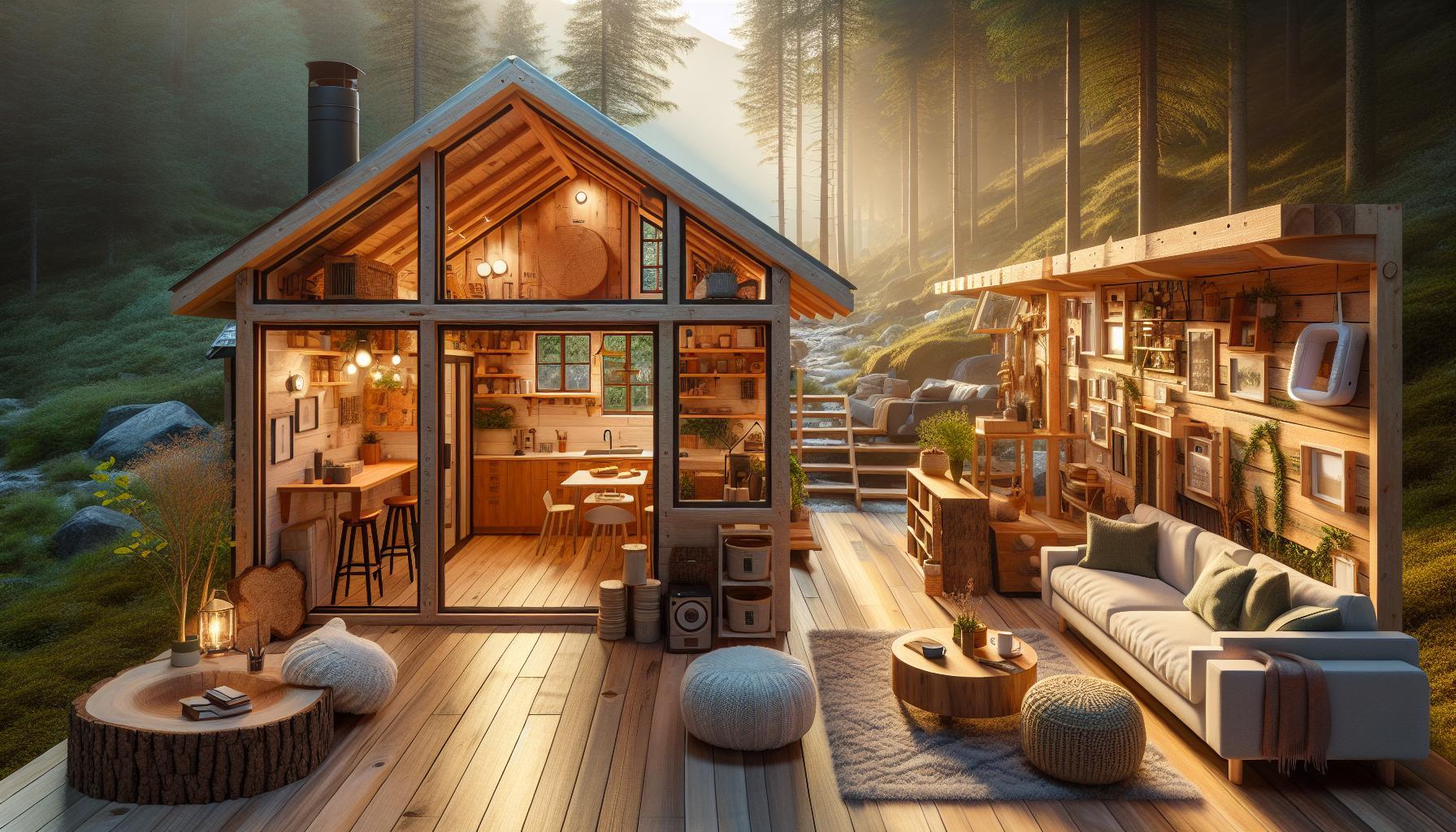
Dreaming of a tiny house on your property in New Zealand? Navigating the regulations can be daunting,but understanding local zoning laws is essential. This guide breaks down the key Kiwi regulations surrounding tiny homes, helping you turn your vision into reality while staying compliant and informed.
Understanding the Basics: What Are Tiny Houses?
Tiny houses have surged in popularity over the last decade, captivating those seeking minimalist living and financial freedom. With thier compact and efficient designs, these homes ofen encourage a simpler lifestyle that emphasizes experiences over possessions. In New Zealand, many individuals and families are asking, “Can I put a tiny house on my property NZ?” as they explore the regulations and possibilities surrounding this burgeoning trend. Understanding the fundamental aspects of tiny houses is crucial for anyone considering this lifestyle choice.
The Concept of Tiny Houses
Tiny houses are defined by their size, typically measuring less than 400 square feet.Though, its not just the dimensions that set them apart; these homes are designed to maximize space efficiency and functionality. Key features often include multi-purpose furniture, innovative storage solutions, and a strong emphasis on sustainability. People are drawn to tiny living for various reasons, including reducing their environmental footprint and achieving financial stability through lower housing costs.
- Affordability: Tiny houses can significantly lower both initial housing costs and ongoing expenses like utilities and maintainance.
- Mobility: Many tiny homes are built on trailers, making it easier for owners to relocate their homes if desired.
- Community and Lifestyle: tiny house living often fosters a sense of community, as many people who live in tiny homes prioritize shared living spaces and collective activities.
Regulatory Considerations in New Zealand
Before embarking on a tiny house journey, it’s essential to comprehend the local regulations that govern where and how these homes can be stationed. In New Zealand,these regulations can vary significantly depending on the council area. Typically, property owners must adhere to zoning laws, building codes, and land use regulations that may affect the placement and construction of a tiny home.
For example,those considering a tiny house should:
- Check with local councils regarding zoning restrictions.
- Understand consent requirements for building or placing a tiny home.
- investigate if the tiny house can be classified as a permanent dwelling or if it carries different stipulations as a temporary structure.
By doing your research beforehand, you can ensure that your dream of tiny living can become a reality within the framework of the law, facilitating a smooth transition into this appealing lifestyle.The question, “Can I put a tiny house on my property NZ?” becomes not just an inquiry into feasibility but a gateway into an engaging and fulfilling way of life.
Navigating New Zealand’s Building Codes for Tiny Homes
In New Zealand, the dream of a tiny home is becoming increasingly feasible, but understanding the country’s building codes is crucial for anyone asking, “Can I put a tiny house on my property NZ?” Local regulations can frequently enough present a labyrinth of rules that vary by council, creating challenges and opportunities for prospective tiny homeowners. Navigating these codes requires diligence and a clear understanding of both national standards and local bylaws, which can significantly affect the placement and construction of tiny homes.
Understanding the Building Code
the New Zealand Building Code (NZBC) sets the foundational standards for building safety, health, and livability. Tiny homes,frequently enough considered accessory buildings or dwellings,must comply with these standards.Here are some key components of the Building Code relevant to tiny homes:
- Minimum Floor Area: The NZBC stipulates minimum floor area requirements, typically 30 square meters for residential dwellings. Tiny homes designed for permanent living must adhere to this rule, while structures under this size may face restrictions.
- Structural Integrity: Tiny homes must demonstrate adequate structural strength and durability. Whether made on wheels or a fixed foundation, compliance with durability standards is essential.
- Health and Safety Regulations: Considerations around ventilation, moisture control, and sanitation are paramount. Tiny homes must provide adequate facilities for cooking, bathing, and toilet use that meet health regulations.
- Energy Efficiency: Compliance with energy efficiency criteria helps ensure tiny homes are sustainable.This involves adequate insulation, natural light, and heating solutions.
Local Council Regulations
In addition to the NZBC, local councils enforce specific bylaws that can shape the feasibility of placing a tiny home on your property. These regulations may cover aspects such as:
| Council Requirement | description |
|---|---|
| Setback Requirements | The distance a tiny home must be from boundary lines, typically varying by locality. |
| Land Use Zoning | Check for zoning classifications that permit residential tiny homes; not all zones allow such use. |
| Resource Consents | Some councils may require resource consents for establishing a tiny home,especially if it’s connected to services like water and sewage. |
Before proceeding with your tiny home project, consult with your local council to clarify any specific requirements and to see if any exemptions or special permits are available. Engaging in community discussions or seeking advice from forums dedicated to tiny homes in New Zealand can also provide valuable insights and experiences from those who have navigated the process themselves.
Understanding how to navigate New Zealand’s building codes in context with local regulations is essential for making your tiny home dream a reality. Ensure your plans align with both sets of guidelines to eliminate surprises and set the foundation for a prosperous tiny living experience.
Zoning Regulations: Where Can You Place a Tiny House?
The rising popularity of tiny houses as a sustainable living option has spurred interest in the zoning regulations that govern their placement. Understanding where you can legally park or build a tiny home is crucial for aspiring owners in New Zealand. Like traditional homes, tiny houses must comply with local building and zoning codes, which can vary significantly from one area to another. To navigate these regulations effectively, it’s essential to conduct thorough research and engage with local councils.
understanding Local Zoning Regulations
Each local council has specific zoning laws that determine the types of buildings permitted in different areas. These regulations not only dictate whether you can place a tiny house on your property but also outline the criteria it must meet.Here are some typical considerations:
- Land Use Zone: Ensure your property falls within a zoning category that allows residential use. Zones designated for commercial or industrial use may have strict restrictions against housing.
- Minimum Lot Size: Many councils impose minimum lot sizes. Even if the tiny house fits on your property, your land must meet size regulations.
- Setback Requirements: Zoning laws often specify how far structures must be from the property boundaries, impacting where you can place your tiny home.
Examples of Regulatory considerations
Local councils may have nuanced guidelines concerning tiny homes. As an example, some areas may allow tiny houses as accessory dwellings, provided they meet certain design and functional standards. An example can be seen in Auckland’s planning framework, which encourages innovative housing solutions in response to urban density challenges.
Additionally, it’s worth noting that recent legislative changes, such as those reflecting sustainability goals, may affect tiny house regulations.Engaging with the community and local government when exploring options can yield insights into potential allowances or upcoming reforms that might influence your plans.
| Consideration | Description |
|---|---|
| Land Use Zone | Check if your area permits residential buildings. |
| Minimum Lot Size | Determine if your property meets council size requirements. |
| Setback Requirements | Understand the distance regulations from property lines. |
By thoroughly examining your local zoning regulations and engaging with local authorities, you can confidently determine where a tiny house can be placed on your property in New Zealand. Being proactive not only informs your decision but can also help prevent costly misunderstandings down the line.
Essential Permits and Consents for Tiny House Construction
Navigating the maze of regulations surrounding tiny house construction in New Zealand can be a daunting task, especially for eager homeowners eager to embrace minimalist living. Before you can start building your charming abode, it’s crucial to familiarize yourself with the various permits and consent requirements that the Kiwi regulatory landscape mandates. Understanding these essential components will not only ensure compliance but also pave the way for a smoother and more successful construction journey.
Understanding Building Consents
in New Zealand, obtaining a building consent is one of the first steps for anyone considering constructing a tiny house. This approval from your local council ensures that your building plans adhere to the Building Act, which encompasses safety, health, and environmental considerations. Generally, your tiny house must comply with specific criteria, including:
- Minimum size requirements
- Structural integrity
- Fire safety measures
- Accessibility standards
Be aware that some councils may have additional regulations regarding the design and placement of tiny houses, especially if they are on wheels. Hence, it is highly advisable to consult local bylaws before proceeding with your plans.
Resource Consent Requirements
Apart from building consent, you may also need to apply for resource consent, especially if your tiny house falls outside standard zoning rules or impacts the surrounding environment. Resource consents are designed to manage land use and environmental effects,so it’s critical to evaluate whether your intended use aligns with local zoning regulations.
| Consent Type | Description | Typical Application Time |
|---|---|---|
| Building Consent | Approval to ensure compliance with the Building Act. | 2-8 weeks, depending on complexity |
| Resource Consent | Required for land use not compliant with zoning laws. | 10-20 weeks if public notification required |
Determining whether you require resource consent may involve providing a detailed description of your project, its intended use, and any potential effects on the environment or neighbors. Engaging with a qualified planner can streamline this process and ensure that your application meets all necessary requirements.
Additional Considerations for Utility Connections
Lastly, don’t overlook the implications of connecting your tiny house to essential services like water, sewage, and electricity. Depending on your location, you may need to secure additional consents for these services, particularly if your tiny house is not connected to the municipal grid.Many regions encourage sustainable practices,which can be favorable if you plan to implement off-grid solutions. Before commencing construction, invest time in researching your options to ensure that your tiny house operates within legal frameworks while harmonizing with the environment. Taking these steps not only fortifies your project against future hurdles but also aligns your tiny living aspirations with New Zealand’s evolving regulatory landscape.
Land Use Considerations: Residential vs. Rural Properties
From bustling cities to serene countryside,New Zealand’s landscape offers a diverse array of environments,each with its own land use regulations that can dramatically influence the feasibility of placing a tiny house on your property. Understanding the distinctions between residential and rural properties is crucial when embarking on your tiny house journey. While both types can offer unique benefits and challenges, they also come with specific regulations that dictate usage, zoning, and building requirements.
Residential Properties
When it comes to residential properties, zoning laws are often much stricter. In urban areas,councils enforce regulations designed to maintain neighborhood aesthetics and prevent overcrowding. Before considering a tiny house on a residential plot, it’s essential to examine:
- Zoning Laws: Ensure that tiny homes are permitted under local zoning regulations.Some cities may restrict secondary dwellings or impose size limits.
- Building Consents: You may need to obtain formal building consents which could involve a more rigorous inspection process.
- Utility Connections: Access to essential services like water, sewage, and electricity in urban zones may require additional compliance measures.
Navigating these regulations can be complex,and consulting with the local council can provide clarity. For example, in Auckland, certain areas are more accommodating to tiny homes, especially if they are designed as temporary dwellings for family or guests.
Rural Properties
On the other hand, rural properties often offer more versatility when it comes to tiny house placements.Generally characterized by larger plots of land, rural settings frequently allow for additional structures without the stringent limitations imposed in urban environments. Factors to consider include:
- Land Use Permits: While rural properties are more lenient, confirming whether a land use permit is needed for a tiny house is crucial.
- Environmental Considerations: Ensure compliance with regulations related to environmental impact,such as waste management and conservation of local wildlife.
- Self-Sufficiency: Many rural properties can accommodate off-grid solutions, making ecological considerations easier to address.
However, this freedom also comes with the responsibility of maintaining the land and understanding its ecological significance. For instance, if you’re situated in a flood-prone area, it’s critical to research effective elevation practices when constructing your tiny house.
| Considerations | Residential Properties | Rural Properties |
|---|---|---|
| Zoning Restrictions | Typically stricter | More flexible |
| Building Consents | More rigorous | Variable, check local rules |
| Utility Access | More accessible | Perhaps limited; may go off-grid |
| Environmental Regulations | High priority | Vital, but more lenient |
Each property type presents its advantages and disadvantages, and being well-informed will empower you to take the necessary steps in your tiny house journey while staying compliant with New Zealand’s diverse regulations.
Utilities and Off-Grid Living: What You Need to Know
Understanding the essentials of electricity, water supply, and waste management is crucial for anyone considering a move to off-grid living, especially in a tiny house setup. In New Zealand, where the tiny house movement is gaining momentum, many homeowners are exploring how they can incorporate sustainable utilities while aligning with local regulations.by embracing off-grid solutions, you can reduce your environmental footprint and enjoy independence from traditional utility services.
Water Supply
When designing your off-grid water system, ensuring a reliable source is key. there are several options for water collection, including:
- Rainwater harvesting: Installing a rainwater collection system is one of the most effective ways to gather water.Ensure you comply with local regulations for water storage tanks and filtration systems.
- spring or Bore Water: If you have access to natural springs or groundwater, consider drilling a bore. Though, check with local councils to obtain any necessary permits.
It’s essential to maintain quality control for any water source, which may involve setting up a filtration system to remove contaminants. Regular testing will also help in ensuring the safety of your water supply.
Energy Solutions
Powering your tiny house can be achieved in various sustainable ways. Popular methods include:
- Solar panels: Harnessing sunlight is an efficient and increasingly affordable way to generate energy. Depending on your energy needs, a correctly sized solar array paired with storage batteries can provide reliable power.
- Wind Turbines: If you live in a particularly windy area, a small wind turbine might complement your solar energy system and further lessen your reliance on the grid.
Before installation,ensure you research local zoning laws and regulations regarding the use of renewable energy sources on your property,as this can influence your decision-making and setup.
Waste Management
Proper waste disposal is a critical aspect of off-grid living. Here are a few solutions tailored for tiny homes:
- Composting Toilets: These eco-friendly alternatives to traditional toilets break down waste naturally, reducing water usage and frequently enough requiring minimal maintenance.
- Greywater Systems: Consider installing a greywater system to reuse waste water from sinks and showers for irrigation, which can definitely help conserve water while keeping your garden flourishing.
Integrate your waste management strategy with local guidelines to ensure compliance and sustainability.
understanding utilities is an essential component of off-grid living and tiny house ownership in New Zealand. by exploring diverse options for water, energy, and waste management, you can create a sustainable lifestyle while adhering to local regulations, ensuring that your dream of living minimally doesn’t come with needless hurdles.
overcoming Challenges: Common Hurdles for Tiny House Owners
Navigating the journey of tiny house ownership can be as thrilling as it is daunting. For many, the leap into this minimalist lifestyle promises freedom, sustainability, and a deeper connection to the natural world. However, tiny house owners often encounter unique hurdles that can derail their aspirations. From zoning regulations to building codes, the path to living in a tiny home can be riddled with challenges that require patience, creativity, and a solid understanding of the local landscape.
Zoning and Building Regulations
One of the primary obstacles for those asking, “can I put a tiny house on my property in NZ?” is the intricacies of zoning and building regulations. Each district has its own regulations regarding where and how you can place a tiny home. It’s essential to engage with local councils early to assess compliance and gain insights into specific needs such as:
- Minimum floor area requirements: Many regions have set minimum square footage that may disqualify smaller models.
- Permitting processes: Make sure to understand the necessary permits to avoid fines or having to remove your home.
- Land use zones: Determine if your property is under residential, rural, or another classification that might impact your plans.
Understanding these regulations can be complex, but proactively seeking advice from zoning experts or local tiny house communities can provide valuable support.
Utility and Infrastructure Concerns
Another common challenge lies in the integration of utilities. Unlike traditional homes, tiny houses often present unique needs for water supply, sewage disposal, and electricity. As many are designed to be off-grid, owners frequently encounter hassles that require innovative solutions. Consider the following approaches:
- Connecting to mains services: Check if your property can access municipal water, sewage, and electrical services.
- Implementing alternative systems: Explore rainwater collection, composting toilets, and solar panels as viable options for sustainability.
- Working with professionals: Hiring experts for installing and maintaining necessary systems can save you from future headaches and ensure compliance.
Planning ahead and researching the best strategies can help mitigate these challenges and make your tiny living experience more enjoyable.
Financing and Insurance Hurdles
Financing a tiny house can present its own set of challenges, particularly in a shifting market where traditional lenders may not recognize smaller homes as viable investments. Many owners report difficulties in securing mortgages,which makes understanding the options available even more critical. Here are some avenues to explore:
- Personal loans: Look into personal loans specifically designed for tiny house financing, frequently enough with fewer restrictions.
- Alternative lenders: Some institutions specialize in tiny homes, offering tailored packages that may suit your financial needs.
- Insurance issues: Research specialized insurance providers that cater to non-traditional homes to ensure your investment is protected.
Being well-informed about financial options and potential obstacles can empower tiny house owners, enabling them to navigate these issues more effectively.
Embracing a tiny house lifestyle in New Zealand comes with its unique challenges, but with thorough research, community outreach, and creative problem-solving, these hurdles can be transformed into stepping stones toward a fulfilling and sustainable living experience.
Inspiring Success Stories: Kiwi Tiny House Enthusiasts Share Their Journeys
New Zealand’s growing tiny house movement is not just about downsizing and minimalism; it’s a vibrant community of passionate individuals who are transforming their lives through creative living solutions. With the question of “Can I put a tiny house on my property NZ?” often on the minds of many, inspiring tales from these Kiwi enthusiasts shed light on the possibilities and the pathways taken to embrace tiny living.
Stories of Creativity and Adaptation
One of the standout examples is that of emily and James, a young couple who decided to leave their traditional home in Wellington for a cozy, eco-friendly tiny house on their parents’ property. With local regulations allowing them to classify their dwelling as a portable building, they navigated the complexities of zoning and building permits with determination. Their tiny house not only minimized their environmental footprint but also fostered deeper connections with their family. They now advocate for sustainable living and regularly share their journey on social media,inspiring others to consider the tiny house lifestyle.
Another remarkable story comes from Ava, a retired teacher from Christchurch, who yearned for a simpler life after decades in the bustling city. she purchased a compact tiny house and placed it on her own section, thoroughly researching the council guidelines to ensure compliance with local regulations. Ava’s tiny home is equipped with solar panels and a rainwater harvesting system, reducing her utility costs significantly.She often hosts workshops on tiny house living,encouraging others to rethink their living arrangements and embrace the freedom of a more minimalistic lifestyle.
Lessons Learned from the Community
The journeys of these tiny house enthusiasts highlight some vital lessons about successfully placing a tiny house on your property in New Zealand:
- Research Local Regulations: Understanding the local council’s requirements can prevent costly mistakes. Many regulations vary by region, making thorough research essential.
- connect with the Community: Engaging with local tiny house groups can provide valuable insights and support. Online forums and social media are great places to share experiences and seek advice.
- Plan for Utilities: Consider how you’ll manage water,waste,and energy.Many tiny homeowners invest in off-grid solutions, which can be both environmentally friendly and cost-effective.
By exploring these inspiring success stories and learning from the experiences of those who have embraced tiny living, prospective tiny house dwellers can find the motivation and guidance needed to navigate the question of placing a tiny house on their property in NZ successfully. Whether it’s overcoming regulatory challenges or sharing the journey with a supportive community, these stories prove that the tiny house movement is flourishing in New Zealand, bringing joy and fulfillment to many.
Frequently asked questions
Can I Put a Tiny House on My Property NZ? Kiwi Regulations Explained?
Yes, you can put a tiny house on your property in New Zealand, but you must adhere to local council regulations and building codes. This often includes ensuring proper permits, zoning laws, and compliance with health and safety standards.
It’s essential to check with your local council as regulations can vary significantly across different regions in NZ. As an example, some places allow tiny houses as secondary dwellings, while others may have restrictions that prevent such placement altogether. Ensure you understand the rules specific to your area to avoid issues.
What are the building regulations for tiny houses in NZ?
Building regulations for tiny houses in NZ require that your tiny house complies with the New Zealand Building Code (NZBC). This includes standards for structural integrity, fire safety, insulation, and sanitary facilities.
Additionally, if your tiny house is on wheels, it may be classified as a vehicle rather than a building, leading to different regulations. It’s advisable to consult the NZBC and local authorities to ensure your tiny house meets all necessary criteria, including any updates to building standards.
Can I live in a tiny house full time in NZ?
Living in a tiny house full time in NZ is generally acceptable, provided you meet local regulations. Many councils may allow this if the tiny house complies with their housing rules.
Though, you may need to demonstrate that your tiny house meets certain criteria, such as having basic amenities like water supply, sewage disposal, and electricity.always confirm your plans with your local council to make sure you adhere to all legal requirements.
Why do I need a resource consent for my tiny house in NZ?
A resource consent is frequently enough required for a tiny house in NZ to ensure that the placement and use comply with zoning laws and environmental regulations. This consent helps to manage land use sustainably and protects the interests of the community.
Failure to obtain necessary consent can result in fines or orders to remove the tiny house.Each local council has specific criteria for granting resource consents, so it’s crucial to check the requirements specific to your area before proceeding.
What are the risks of not adhering to tiny house regulations in NZ?
Not adhering to tiny house regulations can led to significant risks. These include potential fines, being ordered to remove the tiny house, or even legal action against you.
Additionally, non-compliance can impact your insurance options and liability coverage, leaving you financially vulnerable. It’s always best to do your homework and ensure you’re meeting all local regulations to enjoy the benefits of tiny house living without complications.
How do I prepare my property for a tiny house?
Preparing your property for a tiny house involves several steps. First, ensure you have the right permissions and consents in place.Next,assess the land for suitable installation,including access to utilities like water,electricity,and sewage.
It’s also wise to consider your tiny house placement concerning climate and terrain. For example,orienting your home for optimal sunlight can enhance energy efficiency. Ensuring proper drainage and an even foundation are vital to long-term stability.
Can I move my tiny house around NZ?
You can move your tiny house around NZ, especially if it’s on wheels. However,each location may have different regulations regarding where and how you can set it up.
It’s important to research local council rules for each area you plan to visit. Some regions may require that you acquire a permit for set-up, while others may allow temporary occupancy without additional permissions. Always check the regulations beforehand to avoid any complications.
Final Thoughts
In exploring the possibility of placing a tiny house on your property in New Zealand, it’s clear that while the freedom of minimalist living is appealing, a solid understanding of local regulations is essential. From local council restrictions to zoning laws and building consents, navigating the maze of compliance can seem daunting. Though, this journey offers a rewarding opportunity to align your lifestyle with sustainable, conscious living.
By familiarizing yourself with key terms such as ‘land use zoning’ and ‘building code compliance’, you empower yourself to make informed decisions. Remember, it’s not just about the size of your home; it’s about creating a space that reflects your values and aspirations.
As you consider taking the plunge into tiny house living, take time to connect with local communities and resources. Engaging with fellow enthusiasts can provide invaluable insights into overcoming obstacles and celebrating the joys of downsizing. Your tiny house journey may present challenges, but with the right knowledge and a supportive community, the path to your dream home can be both practical and inspiring.So, whether you’re ready to dive into the tiny house movement or still weighing your options, continue exploring the wealth of resources available. Embrace the simplicity, respect the regulations, and let your journey toward minimalist living flourish!