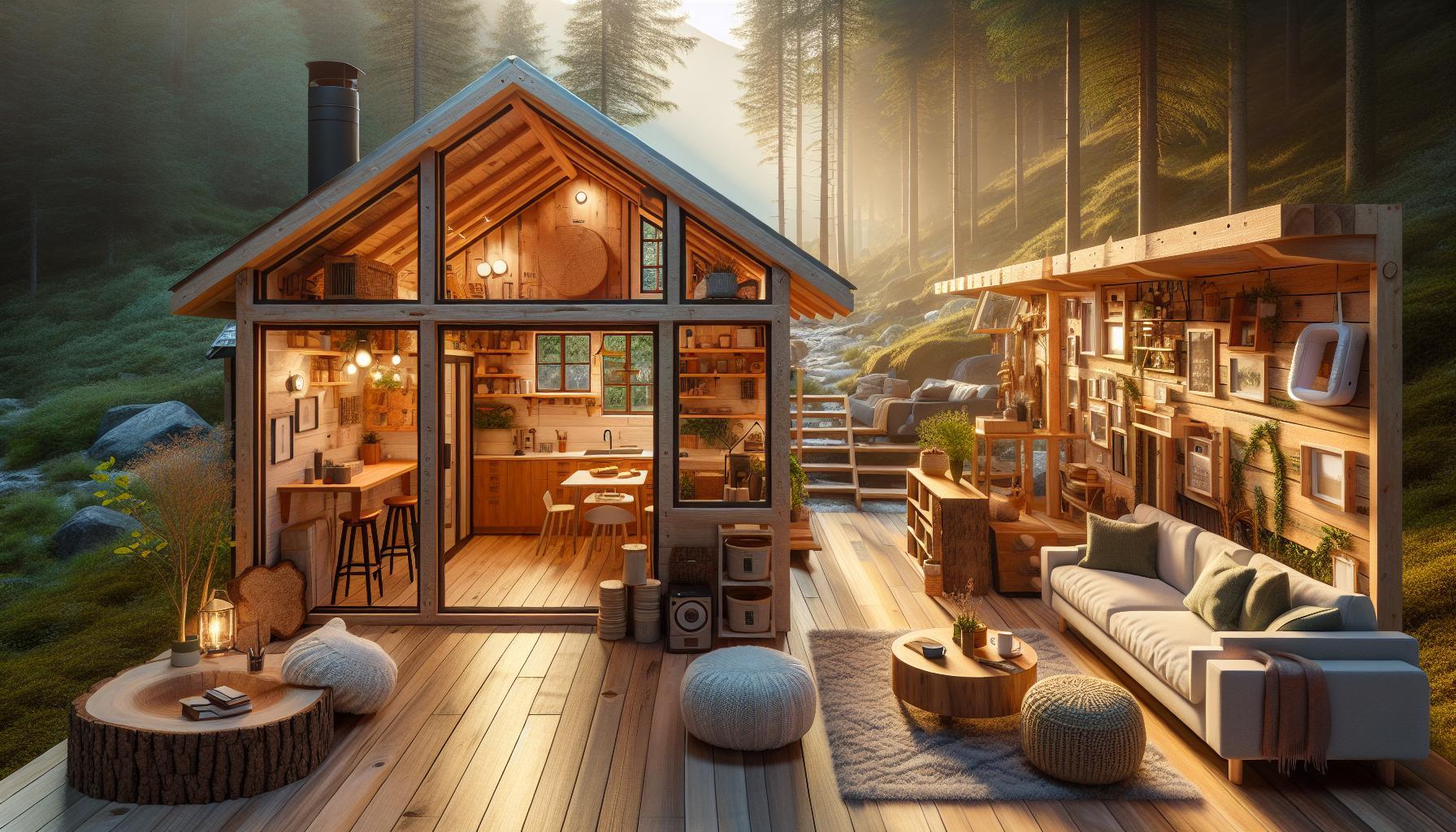
Dreaming of a tiny home in the lush landscapes of Washington State? While the allure of minimal living is strong, navigating Pacific Northwest regulations can be complex. This article demystifies the legal considerations and zoning laws you need to know to build your ideal compact dwelling in this beautiful region.
Understanding Tiny House Regulations in Washington State
Building a tiny house in Washington State can be an exciting yet intricate endeavor,often akin to solving a puzzle where the pieces are local regulations,zoning laws,and building codes. As you embark on this journey,understanding the legal landscape is crucial,as regulations can vary substantially not just at the state level but also by county and city. With a growing interest in minimal living and sustainable housing,Washington State has seen an increase in tiny house developments. This interest often raises the question, “Can you build a tiny house in Washington State?”
Local Zoning Laws
Zoning laws are critical in determining where you can place your tiny home. In most Washington counties, tiny houses can serve as primary residences or as accessory dwelling units (ADUs) on established properties. However, the conditions can differ:
- Urban vs. Rural Areas: In urban settings like Seattle, strict zoning codes usually require tiny houses to adhere to conventional building standards, including minimum square footage and utility connections. In contrast, rural areas may offer more flexibility.
- Land Use Permits: counties may require you to obtain a special land use permit if you intend to build your tiny house on land that is not specifically zoned for residential use.
- Short-term Rentals: If you plan to use your tiny house as a short-term rental, local regulations on vacation rentals must be followed, which can include specific licensing and tax requirements.
Building Codes and Safety Standards
It is essential to comply with state building codes to ensure your tiny house is safe and livable. Generally, tiny houses must meet the standards set by the Washington State Building Code, which include specifics on:
| Building Code Requirement | Description |
|---|---|
| Foundation | Your tiny home may need to be on a permanent foundation unless it is on wheels and classified as a recreational vehicle (RV). |
| Utilities | connections to electricity, water, and sewage systems must comply with local health and safety regulations. |
| Insulation and Ventilation | Proper insulation and ventilation are essential for energy efficiency and indoor air quality. |
Getting Started with Tiny house Construction
Before starting the construction of your tiny home, consider the following actionable steps:
- Research Local Regulations: Visit your local city or county planning department’s website or office to understand the specific zoning regulations and building codes applicable to your area.
- consult with Professionals: Engaging with local architects or builders experienced in tiny home construction can definitely help navigate the regulatory landscape effectively.
- Secure Permits Early: Begin the permitting process as soon as you’ve settled on a location, as this can take time and may require revisions based on feedback from local authorities.
By taking these proactive steps, you’ll be better positioned to make informed decisions as you explore the possibilities of building a tiny house in Washington State.Understanding the distinct regulations not only helps you stay compliant but also fosters a smoother building experience, allowing you to focus more on the design and functionality of your new space.
Zoning Laws: What You Need to Know Before Building
Understanding zoning laws is crucial when considering the construction of a tiny house, especially in a region like Washington State, where regulations can be intricate and vary significantly between municipalities. Zoning dictates not only what can be built but also how it can be used, which directly impacts the feasibility of your tiny house project. Such as, some areas may allow tiny homes as primary residences, while others may classify them as accessory dwelling units (ADUs) or even prohibit them entirely.
Key Considerations for Zoning Regulations
When navigating zoning laws for tiny homes, here are essential factors to consider:
- Residential zones: Many regions have distinct residential zones, each with its specific requirements regarding minimum lot sizes and construction types. ensure your tiny house complies with these standards.
- Setbacks: Zoning codes often prescribe how far structures must be set back from property lines, which can limit your options for placing your tiny house on your lot.
- Building Codes: In addition to zoning, your tiny house must meet local building codes, which address safety, insulation, plumbing, and more. Familiarize yourself with these regulations to avoid costly modifications later.
Finding Your Local Regulations
To determine whether you can build a tiny house in Washington State and comply with local regulations, start by checking your city or county’s zoning ordinances. This can typically be done through your local planning or building department’s website. Contacting these offices directly can also provide clarity on your specific situation and any potential permit requirements.
| Action | Details |
|---|---|
| Research Zoning codes | Visit local municipal websites or contact the planning department for zoning maps and regulations. |
| Seek Pre-Approval | Before purchasing a tiny home, obtain confirmation that your intended use is permitted. |
| File for Necessary Permits | Ensure you understand the permit process for your specific area; this may include building permits and other approvals. |
Navigating the complexities of zoning laws in Washington State requires diligence and sometimes professional assistance. However, understanding these regulations can empower you to make informed decisions about building a tiny house and ensure that your dream of minimalist living becomes a reality in compliance with local laws.
Permits and Approvals: Navigating the legal Landscape
Building a tiny house in Washington State offers a unique opportunity to embrace minimalism while navigating a complex legal landscape. From zoning laws to building codes, understanding the requirements is crucial for a triumphant build. Whether you are drawn to the charm of a compact dwelling or the efficiencies of sustainable living, ensuring that all necessary permits and approvals are acquired will empower you to create your dream space legally and effectively.
Understanding Zoning Regulations
Before diving into the permitting process, it is vital to comprehend the zoning regulations that apply to your desired location. Different areas within Washington have varied zoning laws that dictate what types of structures can be built and where. As an example, some rural areas may allow tiny homes as ADUs (Accessory Dwelling Units) while urban settings might impose stricter restrictions. to determine the applicable zoning laws:
- Contact your local zoning office for information specific to your property.
- Review local comprehensive plans that may indicate use categories for your parcel.
- Check for any overlay districts that may impose additional zoning regulations.
Building Permits: Ensuring Compliance
Once you have a clear understanding of the zoning regulations, the next step involves securing the necessary building permits.In Washington, all construction activities generally require a building permit unless exemptions apply, such as certain types of modular homes. The permit process typically involves the following:
- Preparing detailed plans of your tiny house, including structural, electrical, and plumbing designs.
- Submitting your application along with any required fees to the local government.
- Awaiting review, which may include public hearings if your project encounters community scrutiny.
Having pre-approved plans or guidelines can expedite the process, allowing for quicker permits that align with recognized standards. Make sure to familiarize yourself with local amendments to national building codes that could affect your design.
Considerations for Approval
Approval from local authorities is not merely bureaucratic—it is part of ensuring your tiny house project is safe, functional, and legally compliant.Key points to consider include:
- Engaging with local homeowners’ associations (HOAs) if your property lies within their jurisdiction, as additional rules may apply.
- Attending community meetings to gauge public perception and address any concerns proactively.
- Documenting all communications with local officials to maintain a clear record throughout the approval process.
It’s vital to approach this journey with patience and thoroughness, as navigating the legal landscape can sometimes take longer than expected. Understanding the nuances of ‘Can You build a Tiny House in Washington State: Pacific NW Regulations’ will not only pave the way for a smoother permitting process but ultimately lead to a sustainable living surroundings that aligns with your vision.
Site Selection tips for Your Tiny Home
Navigating the nuances of site selection for your tiny home can make all the difference between a dream lifestyle and a logistical nightmare. With the beauty of Washington state offering countless breathtaking landscapes, it’s essential to consider not only the aesthetic appeal but also the practical regulations and community guidelines that accompany tiny home living.When pondering the question, “Can you build a tiny house in Washington State?” it’s critical to equip yourself with knowledge about site selection.
Understand Local Regulations
Before you start dreaming about your cozy retreat, take the time to research local zoning laws and regulations. Washington State varies greatly in terms of legislation,and what is permissible in one area might potentially be a strict no-go in another. Here are some vital considerations:
- Zoning Designations: Check the zoning laws in your desired location. Some areas may permit tiny homes as primary residences,while others might only allow them as accessory dwelling units (ADUs).
- Building Codes: Familiarize yourself with state and local building codes to ensure your tiny home complies with safety and health standards.
- Permitting Requirements: Determine what permits are necessary before you start construction. This can include land use permits, building permits, and more depending on the region.
Choose an Accessible Location
Accessibility is another critical factor when selecting a site for your tiny home. Consider the following aspects to enhance your experience:
- Proximity to Services: Is your tiny home site close to essential services like grocery stores, healthcare facilities, and schools? A convenient location minimizes travel time and cost.
- Access to Utilities: Evaluate whether the chosen site has easy access to essential utilities such as water, electricity, and sewage systems. If not,installing these services can quickly escalate costs and complexity.
- Transportation Infrastructure: Consider how easily you can travel to and from your tiny house. Proximity to highways and public transportation can significantly affect your quality of life.
Consider Environmental Factors
The natural environment surrounding your home plays a pivotal role in your overall living experience. Keep these points in mind:
- Climate Considerations: Washington State has diverse climates—from the wet coast to dry eastern regions. Choose a location that fits your lifestyle and preparedness for seasonal variations.
- Natural Hazards: Be aware of any environmental risks your chosen site may pose, such as flooding, wildfires, or landslides, especially in hilly or waterfront areas.
- Land Use: Investigate the land’s previous use and ensure there are no restrictions linked to conservation efforts or environmental protection measures.
Selecting the right site for your tiny home is not merely a matter of preference; it’s a thoughtful process that involves balancing personal desires with regulatory and environmental considerations.As Washington state’s regulations continue to evolve, staying informed will empower you to turn your tiny home vision into reality.
Utility Connections: Making Tiny Living Sustainable
The dream of tiny living often goes hand-in-hand with sustainable practices, and in Washington State, understanding how to connect to utilities is crucial for achieving this lifestyle. In the context of the Pacific Northwest, where natural beauty abounds, ensuring that your tiny house operates effectively without compromising the environment can maximize your connection to the land.
Connecting to water and Sewer
When considering tiny living in Washington,the first utility connection to address is water.Many tiny house dwellers opt for a portable water tank system or a direct connection to the municipal water supply. If you prefer a *sustainable* option, you might explore rainwater harvesting systems. Here are some essential steps to consider:
- Check Local Regulations: each municipality has specific regulations regarding water usage and rainwater collection, so ensure compliance.
- Install Appropriate Filtration Systems: If using harvested rainwater, a suitable filtration system is necessary for safe consumption.
- Seek Permits if Required: Some areas require permits for alternative water systems; always verify before implementation.
Sewer connections can vary widely. Not every tiny house can hook into main sewer lines, especially in rural areas. As an alternative, consider composting toilets or advanced septic systems that minimize waste and align with sustainable practices. Confirm with local authorities about regulations related to waste disposal options for your tiny home.
Electric and Energy Efficient Solutions
The choice of energy supply in a tiny house plays a significant role in the sustainability quotient of your living space. Depending on your lifestyle and location, there are various options for electricity that can be both practical and eco-friendly.
- grid Connection: Some might prefer a traditional electrical connection, which is straightforward but can draw from non-renewable sources.
- Solar Power: An increasingly popular solution, solar panels can be a great way to harness renewable energy, especially in sunny regions of Washington.
- Wind Energy: If your tiny home is located in an area with consistent winds,small wind turbines can supplement energy needs effectively.
Real-world Example: A tiny house owner in Seattle successfully connected to both the grid and a solar system, reducing their monthly electric bill while maintaining a sustainable energy profile. By using energy-efficient appliances and monitoring their usage, they achieved a net-zero energy consumption.
To narrow down costs, consider the following table to outline energy connection options:
| Energy Option | Pros | Cons |
|---|---|---|
| Grid Connection | Reliability, simplicity | Potential high costs, reliance on non-renewable sources |
| Solar Power | Renewable, reduces bills | Upfront costs, depends on sunshine |
| Wind Energy | High efficiency in windy areas | Requires suitable location, installation and maintenance costs |
Incorporating efficient utility connections is not merely a matter of practicality, but a step toward a sustainable lifestyle in your tiny home. Thus, understanding the landscape of utility connections in Washington State is essential for making informed decisions that complement your quest for tiny living in harmony with nature.
Building Codes: Ensuring safety and Compliance
Navigating the intricate landscape of building codes is crucial for anyone interested in constructing a tiny house in Washington State.Understanding these regulations not only ensures compliance but also promotes safety and sustainability in construction practices.In Washington, the application of building codes is designed to safeguard the well-being of occupants and the integrity of structures, particularly in varied Pacific Northwest climates that necessitate specific considerations.The Washington State Building Code (WSBC) outlines essential requirements that tiny house builders must adhere to. This includes specifications on aspects such as structural integrity, electrical safety, plumbing standards, and accessibility. Failing to comply with these regulations can lead to significant consequences, including fines and the potential dismantling of improperly constructed homes. Aspiring tiny house owners should familiarize themselves with the following key components:
- Zoning laws: Ensure your tiny house complies with local zoning regulations,which dictate where such structures can be placed.
- Size and height restrictions: Many areas have specific limits on floor space and height for dwellings.
- Safety standards: Adherence to fire safety, ventilation, and energy efficiency codes is mandatory.
Understanding Local Variations
It’s crucial to recognize that building codes can differ significantly from one municipality to another. For example, some counties may have embraced alternative housing models and adopted more lenient laws regarding tiny houses, while others may enforce stricter compliance with traditional building codes.This variability underscores the need for thorough research and perhaps consulting with local building departments. By doing so, you can uncover details pertinent to your location that can affect your project.
Real-world examples illustrate the impact of adhering to building codes. For instance, a couple in King County faced delays in their tiny house project due to a lack of understanding of local requirements. After engaging with their local planning office, they learned they needed to modify their design to comply with specific height limitations and develop a comprehensive fire safety plan, ultimately streamlining their construction process.
The construction of tiny homes, while appealing for minimalism and affordability, hinges largely on compliance with building codes that ensure both safety and longevity. For homeowners considering this venture, being well-informed and proactive regarding local regulations can lead to successful and sustainable living.
Environmental Considerations for Tiny House Builders
Building a tiny house in Washington State not only presents an opportunity for minimalistic living but also offers significant environmental advantages that align with the growing movement towards sustainability. As communities become increasingly aware of their ecological footprints, tiny houses—often constructed with eco-friendly materials and designs—serve as excellent alternatives to traditional homes, minimizing land use and resource consumption. For those interested in the intersection of tiny living and environmental responsibility, understanding various factors and regulations is crucial.
Key Environmental Considerations
When planning to build a tiny house,particularly in Washington State,builders and homeowners should consider the following environmental factors:
- Sustainable Materials: Opt for reclaimed wood,recycled metal,and other sustainable materials that reduce the demand for new resources. Many builders are now focused on eco-friendly options that come from sustainable sources.
- Energy Efficiency: Incorporate energy-efficient appliances and solar panels to reduce energy consumption and reliance on non-renewable energy sources. Tiny homes can be designed to maximize natural light, further enhancing energy efficiency.
- Water management: Implement water conservation techniques, such as installing rainwater harvesting systems and composting toilets. These systems not only conserve water but minimize wastewater disposal issues, which is particularly relevant in many Pacific Northwest areas.
- Site Selection: Choose locations that require minimal alteration to the landscape. Disturbing the natural ecosystem can have far-reaching consequences, so it is indeed vital to select sites that avoid sensitive areas.
Local Regulations and Compliance
In Washington State, the local regulations surrounding tiny home construction often highlight environmental considerations. Builders must ensure compliance with the state’s building codes, which frequently include sections on environmental sustainability and land use. Engaging with local regulations, such as zoning laws and land use requirements, can not only facilitate a smoother building process but also promote a harmonious relationship with the surroundings. The regulations encourage homeowners to think critically about providing adequate drainage,minimizing wildlife disruption,and maintaining existing vegetation.
| Environmental Factor | Regulatory Focus |
|---|---|
| Sustainable Materials | Encouraged through energy-efficient design codes |
| Energy Efficiency | Building codes requiring energy compliance checks |
| Water Management | Regulations on septic systems and water use |
| Site Selection | Zoning laws protecting sensitive areas |
By integrating these environmental considerations into their plans, tiny house builders not only comply with local regulations but also contribute to a more sustainable future. The advantages of tiny living extend beyond mere financial savings or lifestyle changes; they embody a commitment to environmental stewardship, making them a smart choice for eco-conscious individuals in Washington State.As the movement grows, embracing green practices will play a critical role in shaping communities and their landscapes for future generations.
Community Living: Finding Your Place in the tiny House Movement
Embracing the tiny house movement means more than just downsizing your living space; it’s about fostering a sense of community and finding your ideal place within it. In Washington State, where regulations can vary significantly, understanding where and how to build your tiny home is crucial not just for compliance, but for finding a supportive and engaging community. Many tiny house enthusiasts choose to live in specially designated communities that offer shared resources and social interactions, enhancing their minimalistic lifestyle while ensuring they adhere to local zoning laws.
When exploring community living options, consider the following aspects:
- Community Atmosphere: Different tiny house communities cater to various lifestyles—from communal living with shared spaces to more private setups. Determine what environment would best suit your personality and lifestyle.
- Resources and Amenities: Look for communities that offer amenities you value, such as communal gardens, workshops, or leisure facilities.These can enrich your living experience and foster camaraderie among residents.
- Rules and Regulations: Familiarize yourself with the community’s governance. Each community may have its own set of guidelines regarding noise, guests, and shared responsibilities, which should harmonize with local regulations about building tiny homes.
- Accessibility to Services: Consider the location of the community. Proximity to essential services like grocery stores, healthcare, and recreational facilities can greatly influence your decision.
Finding Your Community
In Washington, the options for tiny house communities are expanding. As an example, some communities focus on eco-friendly living, while others might emphasize artistic creativity or off-grid capabilities. It’s advisable to visit multiple locations, interact with the residents, and get a feel for the lifestyle before committing. Many communities might also have waiting lists, so early inquiry and engagement can be beneficial.
Additionally, engaging with groups or platforms that connect tiny house enthusiasts can help you navigate your options. Websites like the Tiny House Community offer resources to find builders and homes for sale, as well as forums to ask questions and learn from current residents about their experiences living in tiny houses across Washington State.
With the right research and community engagement, you can carve out a fulfilling space that resonates with your ideals in the booming tiny house movement. Integrating your living situation with a supportive community not only enhances your quality of life but also aligns with the overarching beliefs of minimalism and sustainable living.
Faq
Can You Build a Tiny House in Washington State: Pacific NW Regulations?
Yes, you can build a tiny house in Washington State, but it comes with specific local regulations and codes. These laws vary widely by county and municipality,so it’s crucial to check with your local planning department.
Washington’s regulations often pertain to zoning,building codes,and utility connections. some areas may allow tiny houses as accessory dwelling units (ADUs), while others may restrict them entirely. Always consult a local expert or visit the official state website for detailed guidelines tailored to your location.
What zoning regulations affect tiny house construction in Washington?
Zoning regulations in Washington greatly influence tiny house construction. Typically, you must adhere to local zoning ordinances that dictate where tiny houses can be built, whether on a foundation or wheels.
For example, some zones are designated solely for single-family homes, which may prohibit tiny houses. Conversely, in areas zoned for multi-family residences, you may find more flexibility. It’s essential to obtain zoning clearance before starting construction, as this step ensures compliance with local laws.
Can I live in a tiny house in Washington State year-round?
Yes,you can live in a tiny house year-round,assuming your tiny house complies with all building and zoning codes applicable to your location. Some areas require certain amenities,like a permanent foundation and utility hookups,to consider it a full-time residence.
Additionally, keep in mind that living in a mobile tiny house may come with different regulations compared to stationary ones. Research any necessary permits, as each county’s requirements can vary significantly. For resources on living in a tiny home, visit our guide on tiny house living.
What building codes must I follow for my tiny house?
When building a tiny house in Washington State, you must follow the International Residential Code (IRC) or local amendments. These codes ensure safety and habitability standards are met.
Key considerations may include minimum ceiling heights, structural integrity, and safe electrical installations. Always consult a professional builder familiar with tiny house codes to ensure your structure is compliant and safe for occupancy.
Why does it matter to check local tiny house regulations?
Checking local tiny house regulations is crucial because non-compliance can lead to costly fines or demolition orders. Each city and county has unique laws, so what works in one area might not in another.
Being informed can save you time and money in the long run, ensuring your dream of tiny house living doesn’t turn into a legal headache. engage with local communities focused on sustainable living for tips on navigating these regulations.
Can I use a tiny house as a vacation home in Washington?
Yes, you can use a tiny house as a vacation home, but be aware of local rules regarding short-term rentals. some jurisdictions may require special permits or the home must be on a designated vacation site.
Check with your local government for regulations, especially if you plan to rent out your tiny home. Compliance with short-term rental laws,including occupancy limits and health codes,is important to ensure your property can be legally rented out.
Are there financing options available for tiny houses in Washington state?
There are limited financing options specifically for tiny houses in Washington State. Many traditional lenders may not consider tiny houses on wheels as legitimate homes, which can complicate financing.
However, some credit unions, personal loans, or innovative financing options like peer-to-peer lending are available. It’s essential to research various possibilities thoroughly and consult financial advisors experienced in tiny house investments.
What are the benefits of building a tiny house in Washington State?
Building a tiny house in washington State provides numerous benefits, such as lower housing costs, a reduced environmental footprint, and the freedom of a minimalist lifestyle. These homes can also foster a closer connection to nature and promote sustainable living practices.
Additionally, the growing tiny house community offers support and resources, making it easier to connect with like-minded individuals. This community aspect can be a rewarding part of your tiny house journey.
To Conclude
As we conclude our exploration of building a tiny house in Washington State,it’s clear that the journey toward minimalist living is both exhilarating and complex. Throughout this article, we’ve navigated the myriad regulations that govern tiny home construction in the Pacific Northwest, from zoning laws to permit requirements, ensuring you approach your dream with clarity and purpose.
Embracing a tiny house lifestyle can provide unparalleled freedom and simplicity, but it’s vital to remain informed about local codes, building standards, and environmental considerations that might impact your project. While the initial hurdles may seem daunting, remember that countless resources and communities are available to support you along the way. This path is not just about downsizing—it’s also an opportunity to reconsider your relationship with space, resources, and community.
If you’re contemplating this exciting transition, we encourage you to delve deeper into specific regulations, connect with local builders, and participate in tiny house forums where you can share experiences and seek advice. Every step you take brings you closer to your dream of minimalist living. Your journey is uniquely your own, and with persistence and the right information, you can turn your tiny house vision into reality. Happy building!