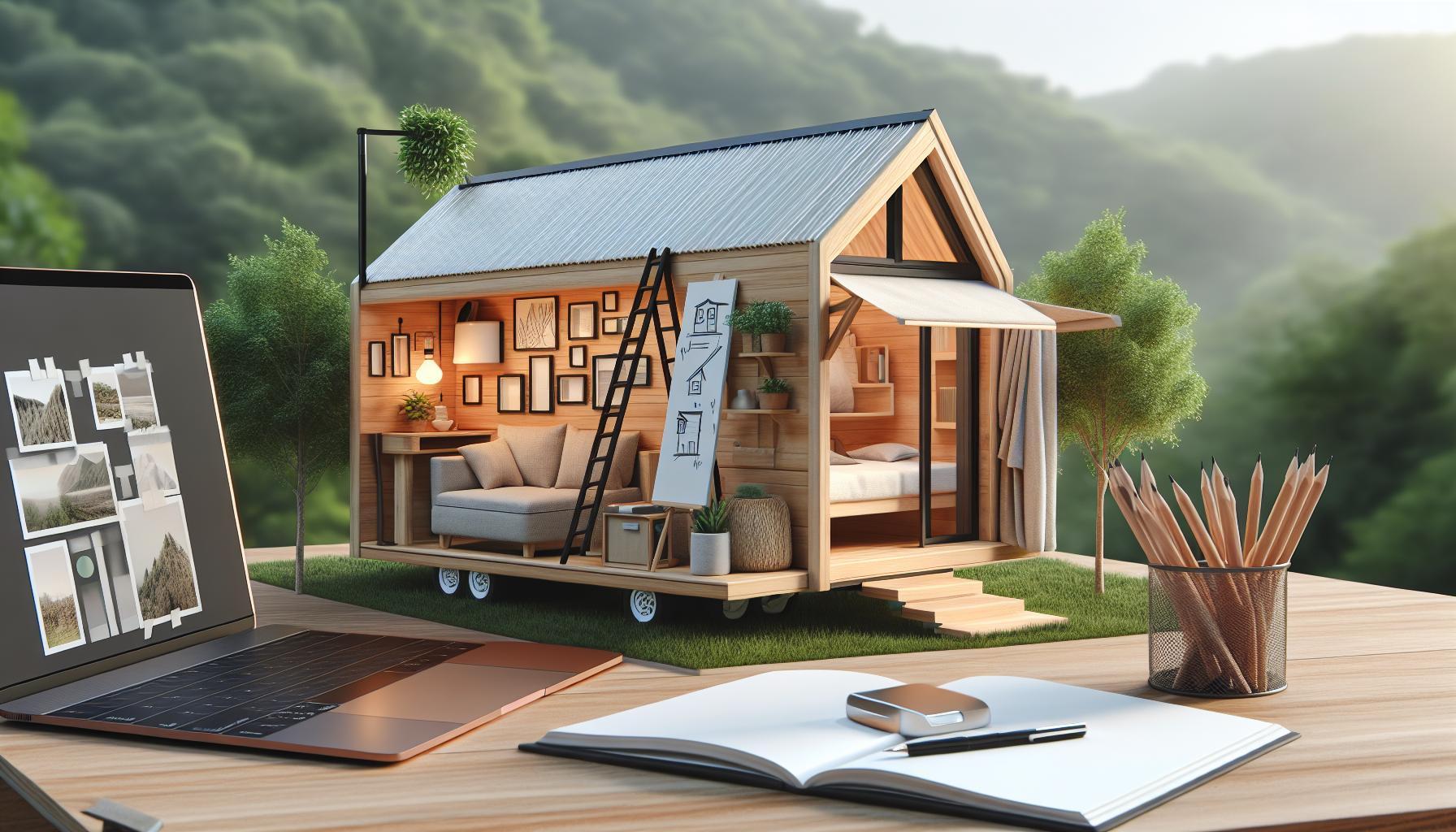
Navigating the complexities of zoning laws can be a daunting challenge for those dreaming of tiny home living. Many property owners are unaware that local regulations may restrict the construction of tiny houses on their land. Understanding these zoning loopholes is crucial, as they could unlock the door to your ideal compact dwelling and a simpler lifestyle.
Understanding Zoning Regulations for Tiny Houses: What You Need to Know
Understanding zoning regulations is essential for anyone considering the exciting prospect of building a tiny house on their property. Zoning laws are designed to regulate land use and ensure the health, safety, and general welfare of the community, which can sometimes create hurdles for tiny house enthusiasts. With tiny homes gaining popularity, particularly as a sustainable living alternative, many potential owners find themselves asking, “Can I build a tiny house on my property? Zoning loopholes explained.”
One of the primary considerations is whether local zoning regulations classify tiny houses as permanent residences, which can vary significantly from one municipality to another. In some areas, tiny houses may be classified as single-family homes, while in others, they could be considered recreational vehicles (RVs) or temporary structures. Understanding these classifications can definitely help you determine what permits or zoning adjustments might potentially be necessary to ensure compliance with local laws. Here are some key factors to consider:
- Setback Requirements: Many zoning regulations stipulate how far structures must be from property lines.These setbacks can severely limit where you can place your tiny house on your lot.
- Minimum Square Footage: Some municipalities impose minimum square footage requirements for homes. Tiny houses often fall short of these requirements, necessitating a zoning variance.
- Land Use Designations: Check your property’s zoning designation (e.g., residential, commercial, agricultural) to understand what types of buildings are permitted.
- Utilities and Amenities: Zoning laws may require homes to be connected to specific utilities, which can complicate off-grid living scenarios.
It’s also beneficial to look for potential zoning loopholes that could apply to your situation. Some areas may have specific provisions for accessory dwelling units (ADUs), which might allow a tiny house to be classified as a secondary dwelling rather than a primary residence.This can be particularly favorable for those looking to create a rental property or a guest house. If your tiny house meets the criteria for an ADU,it may sidestep some of the more restrictive regulations applied to standard homes.
To navigate the complexities of building a tiny house, always start by consulting your local zoning board or agency. Many communities provide online resources that outline regulations and permit requirements. Here’s a simple table summarizing common zoning considerations:
| Consideration | Description |
|---|---|
| Structure Classification | Determine if the tiny house is classified as a home,RV,or temporary structure. |
| Setback Requirements | Check required distances from property lines. |
| Minimum Size | Verify minimum square footage regulations that apply. |
| Utilities | Understand requirements for connecting to utilities. |
| ADU Provisions | Investigate if your tiny house qualifies as an accessory dwelling unit. |
By taking these factors into account, you can better position yourself to successfully navigate the zoning landscape. whether you are wondering, “Can I build a tiny house on my property?” or looking for specific zoning loopholes, understanding local regulations is your first step toward realizing your tiny house dream.
Identifying Common Zoning Loopholes for Tiny House Owners
When it comes to building a tiny house on your property, navigating the intricate web of zoning regulations can be as daunting as it is indeed vital.many potential tiny house owners find themselves stymied by local laws that seem to offer little room for alternative living solutions. However, there are various zoning loopholes that can make it feasible to establish a tiny home legally. understanding these loopholes can empower you to turn your tiny house dream into a reality while side-stepping potential legal roadblocks.
Understanding Zoning Classifications
Local governments categorize land into various zoning classifications, each with its own set of rules regarding what can be built and where. By identifying how your property is zoned, you can uncover potential loopholes that might allow you to build your tiny house. For instance:
- Accessory Dwelling units (ADUs): Many municipalities allow homeowners to build ADUs, which can be in the form of tiny houses, provided they meet certain criteria.
- Residential Zones: In some areas,tiny houses might potentially be permitted provided that they adhere to the size requirements for single-family homes.
- Agricultural Zones: If your property is zoned for agricultural use, you may have financial leeway to build structures for farm-related activities, perhaps including tiny homes.
Utilizing Temporary Structures
Some homeowners have successfully navigated the zoning maze by utilizing loopholes related to temporary structures. Often, municipalities have less stringent requirements for temporary buildings. If you plan to use your tiny house for a seasonal purpose, such as a summer retreat or a temporary rental, framing it as a temporary structure can buy you the time and flexibility needed to work within local regulations.
Example Cases:
Consider these triumphant approaches from tiny house owners who creatively leveraged zoning loopholes:
| Owner | Location | Loophole Used | Outcome |
|---|---|---|---|
| Jane doe | California | accessory Dwelling Unit laws | Successfully built an ADU under the ADU classification |
| John Smith | Oregon | Temporary RV permit | Allowed to live in a tiny house for 6 months |
By exploring these zoning aspects thoroughly, tiny house owners can reshape their approach to property usage. Don’t shy away from inquiring about local zoning offices, as they can provide clarity on potential loopholes ripe for exploration.adopting an informed stance empowers you not only to advocate for your tiny house project but also to contribute to the broader conversation about alternative living spaces in your community.Always be proactive and consult with local regulations to ensure your idea aligns with current laws, paving the way for your sustainable living experience.
Navigating Building Codes for Your Tiny house construction
Understanding the labyrinth of building codes can be a daunting task for anyone considering constructing a tiny house. Tiny homes, with their flexible designs and emphasis on minimalism, often skirt the edges of customary building regulations.In many jurisdictions, zoning laws and building codes are not tailored to accommodate these compact dwellings, which can lead to confusion and frustration for homeowners eager to know, “Can I build a tiny house on my property?”
Research Local Building Codes
Before you break ground on your tiny house, it’s crucial to delve into local building codes specific to your area. Building codes dictate the construction standards that ensure structural safety and public health.Here is a brief list of common areas governed by building codes:
- Structural integrity: Load-bearing walls, foundations, and roofing materials.
- Utilities: Plumbing, electrical, and HVAC systems.
- Safety standards: fire exits, smoke detectors, and emergency preparedness.
- Accessibility: compliance with ADA (Americans with Disabilities act) standards, if applicable.
Finding your local building codes is straightforward; check your city or county’s municipal website or contact your local building department for guidelines. For instance, some regions may allow tiny houses on foundations while others may only permit them as portable structures, necessitating different compliance standards.
Utilize Zoning Loopholes Wisely
Zoning laws can pose notable restrictions on building a tiny house on your property. However, understanding and utilizing any zoning loopholes can be a game-changer. Many municipalities classify tiny houses as recreational vehicles (RVs) or temporary structures, which can sometimes bypass stricter building codes. Here are a few strategies to consider:
- Building on wheels: Check if your area permits tiny homes built on trailers, which may be classified differently under zoning laws.
- Accessory dwelling units (ADUs): Some localities allow tiny homes as ADUs, which can be more lenient in terms of space and construction standards.
- Temporary permits: Obtain a temporary permit for living in a tiny house as a transitional housing solution—this is often easier to navigate than permanent structures.
Always keep an eye on ongoing changes in zoning laws. Engaging with local advocacy groups or community boards can provide insights into upcoming regulatory shifts that might enhance your project.
Consult with Professionals
It’s wise to consult with professionals familiar with the intersection of building codes and zoning laws. Experts such as architects or contractors who specialize in tiny houses can guide you through the process. They often understand local nuances and can help you navigate potentially elaborate regulations effectively.
Additionally, consider hiring a land-use attorney if you’re encountering particularly tricky zoning barriers. Such professionals can help interpret the complex language of zoning laws, ensuring that your project remains compliant while maximizing your chances of success.
By understanding and skillfully navigating the building codes and zoning regulations that pertain to your tiny house, you can avoid costly setbacks and ensure that your construction journey is smooth and compliant.
Land Use and Property Rights: Can You Really Build a Tiny House?
Building a tiny house on your property presents an appealing way to embrace minimalism and offset housing costs, but navigating the nuances of land use and property rights can feel daunting. Many prospective tiny homeowners grapple with a common question: *Can I build a tiny house on my property?* Understanding zoning regulations and exploring potential loopholes is crucial to realizing your tiny living dreams without running afoul of the law.
To begin with, zoning regulations vary dramatically from one location to another. Different cities and counties have specific rules governing land use, which can dictate whether tiny homes can be built, where they can be placed, and what design standards must be met. Here are some key aspects to consider:
- zoning Categories: Check your local zoning laws. Residential zones might allow tiny homes, while agricultural or rural zones frequently enough have different requirements.
- Setback Requirements: Many areas have setback rules that specify how far structures must be from property lines, which can impact where you can place your tiny house.
- Permits: Most local governments require building permits, even for tiny homes. Understanding the permit process can save you time and money.
Additionally, some municipalities have begun to embrace tiny homes as a solution to housing shortages. For example, communities might designate certain areas as tiny house enclaves or allow for accessory dwelling units (ADUs), which can be easier to permit since they are typically subordinate to a primary dwelling.
Exploring Loopholes and Alternative Options
Exploring zoning loopholes might yield a solution for your tiny house project.Here are some practical paths you can take:
- Variance Applications: if your intended placement does not comply with zoning laws, you might apply for a variance, which allows exceptions to certain zoning requirements.
- Tiny House Movement: Connect with local tiny house advocacy groups that often work with municipalities to create more inclusive zoning laws.
- Temporary permits: Some locations offer temporary occupancy permits for tiny homes. This could provide a legal avenue to live in your tiny house while advocating for permanent approval.
Evaluating the intricacies of local zoning regulations is essential to determine the feasibility of your tiny house dream. Researching your area’s laws comprehensively will not only equip you with knowledge but could also open doors to innovative living solutions that exist under current zoning frameworks. As you ponder *Can I build a tiny house on my property?*, consider reaching out to community officials or consulting with a land use attorney to better understand your rights and responsibilities.
The Impact of Local Governments on Tiny House Development
Local governments wield immense power over the development of tiny houses, influencing everything from zoning laws to building codes and permitting processes. As more people consider downsizing and seeking affordable living options, understanding the regulatory landscape is crucial. Tiny house enthusiasts often find themselves navigating a complex web of local regulations that can either bolster their dreams or serve as significant barriers.
the Role of Zoning Regulations
Zoning regulations are the principal way local governments control land use. these regulations dictate where tiny houses can be built and under what conditions. often, zoning laws classify properties into categories that may not accommodate smaller dwellings effectively, leading to confusion and frustration. For example, a local government may allow single-family homes but not permit tiny houses, viewing them more as mobile units rather than permanent residences. This can lead owners to look for zoning loopholes, which can vary widely from one municipality to another.
To simplify, here are common zoning challenges faced by tiny house builders:
- Minimum Square Footage Requirements: Many areas impose minimum square footage for residential structures that tiny homes do not meet.
- Permanent vs. Temporary Structures: Tiny houses on wheels may be classified as RVs, complicating their ability to be parked or used as permanent residences.
- Land Use Designations: Zoning may limit tiny house development to certain areas, restricting options for builders.
Real-World Examples of Local Government Regulations
Some municipalities have recognized the growing tiny house movement and adapted their regulations to support it. For instance, Portland, Oregon, has implemented specific zoning codes that allow tiny houses to be part of accessory dwelling units (ADUs). This is a significant step forward, showcasing how local governments can encourage innovative housing solutions. In contrast,a city like San Francisco,known for its housing crisis,still grapples with stringent zoning regulations that stymie tiny house development. These contrasting approaches highlight how local governments can either hinder or facilitate the tiny house movement based on their policies.
Tip for Navigating Local Regulations
For potential tiny house builders, knowledge and advocacy are vital. Here are actionable steps to navigate local regulations effectively:
- Research Local Laws: Start by investigating your local government’s zoning ordinances and building codes.Knowledge of regulations is empowering.
- Engage with Community Leaders: Attend town hall meetings or local planning commission sessions to express interest and gain awareness of upcoming changes to zoning legislation.
- Consider Community options: Look into tiny house communities where cluster developments may bypass some zoning restrictions.
By remaining informed and proactive,aspiring tiny house builders can better understand what it takes to navigate the myriad of challenges posed by local governments. Awareness of these regulations not only helps potential homeowners find solutions but also contributes to the wider acceptance and growth of the tiny house movement.
Practical Tips for Successfully Securing Permits for Your Tiny Home
Navigating the landscape of permits and zoning regulations can feel daunting, especially when embarking on the journey of building a tiny home. Though, with careful planning and a proactive approach, you can smoothly secure the necessary permissions to make your dream a reality. Understanding the nuances of local zoning laws and leveraging them effectively can save you both time and stress.
Research Local Regulations Thoroughly
Before you kick off your tiny home project, it’s crucial to do your homework.Begin by investigating the specific zoning regulations in your area. Each municipality has its own set of rules regarding tiny homes,often categorized as either permanent residences or temporary structures. Local government websites are a treasure trove of information where you can find zoning resolutions and building codes. Additionally, reaching out to your local planning office can provide clarity on what’s permissible on your property.
Engage with Your Community
Building rapport with neighbors and local officials can work to your advantage. Attend community meetings or forums where zoning issues are discussed, and voice your intentions of developing a tiny home. Networking with those in similar situations can shed light on possible loopholes or successful navigation tactics. In fact, many tiny home enthusiasts find value in forming small groups to advocate for clearer tiny home policies in their regions, which can ultimately lead to more favorable zoning laws.
Consider Alternative Approaches
If your property is facing rigid zoning restrictions, don’t despair. there are several workarounds you might consider. For instance, building a tiny home on wheels is one option that many opt for, as it is often classified as an RV, potentially bypassing some of the traditional zoning hurdles. Another strategy could involve filing for a special permit or variance, which allows you to deviate from the strict application of zoning rules based on specific circumstances.
| Tip | Description |
|---|---|
| Verify Property Classification | Understand whether your lot is designated for residential use, and if a tiny home meets size requirements. |
| Document Everything | Keep records of all communications with local authorities, including applications and responses. |
| hire Professionals | Consider engaging a contractor or a zoning consultant who specializes in tiny homes for expert guidance. |
| Stay Persistent | Navigating local codes can be tedious,but persistence is key. Don’t hesitate to follow up on applications. |
By adopting these strategies,securing permits for your tiny house can transform from a formidable challenge into a manageable process,affirming your path towards sustainable living. The key lies in being well-informed, resourceful, and engaged with both your community and the regulatory landscape surrounding tiny homes.
short-Term vs. Long-Term Tiny House living: Zoning Implications
Embracing tiny house living can offer incredible flexibility and a minimalist lifestyle, but the zoning implications differ significantly based on whether you intend to use your tiny home for short-term or long-term purposes. For homeowners contemplating the question of “Can I Build a Tiny House on My Property? Zoning Loopholes Explained,” understanding these differences is crucial to avoid legal pitfalls and ensure compliance with local regulations.
When configured as short-term rentals, tiny houses might face stringent zoning laws that categorize them as transient accommodations, often subject to stricter regulations compared to long-term residences. Many municipalities have specific zoning ordinances regarding short-term rentals, requiring permits, adherence to safety codes, and sometimes even restrictions on rental durations. It’s essential to research local laws to assess whether a tiny house can legally operate as a short-term rental, as regulations can vary dramatically from one jurisdiction to another.
On the other hand, long-term tiny house living typically aligns better with zoning regulations related to permanent structures. Most areas designate specific zones for single-family residences, and tiny houses on foundations may be classified similarly to accessory dwelling units (ADUs). This classification can facilitate compliance with residential zoning requirements, such as setbacks, height restrictions, and utility access. Owners considering permanent residence in a tiny house should verify the local building codes and zoning laws to confirm they meet the necessary criteria for long-term living.To understand the zoning implications better, it’s beneficial to consider the following aspects:
- permitting Requirements: Short-term rentals often need business licenses and special permits.
- Duration Limits: Some areas restrict the number of days a property can be rented out short-term.
- Infrastructure Needs: Long-term homes must comply with utility and safety standards, which might differ from those required for temporary stays.
Ultimately,whether asking “Can I Build a Tiny House on My Property? Zoning Loopholes Explained” for short-term or long-term living,it’s imperative to engage with local legislation actively.Doing so will not only help you avoid fines or mandatory compliance modifications but will also enable you to enjoy your tiny living space within the bounds of your community’s regulations.
Case Studies: How Other Tiny House Enthusiasts Overcame Zoning Challenges
Navigating the labyrinth of zoning laws can be one of the biggest hurdles for tiny house enthusiasts. However, many have successfully tackled these challenges, paving the way for their dreams of minimalist living. Each case brings unique insights into the strategies employed to find suitable zoning loopholes or advocate for policy changes, showcasing how determination and creativity can unlock new possibilities for tiny living.
Case Study: Making the RV Classification Work
One inspiring example comes from a couple in colorado who opted to convert their tiny house into a mobile RV. By doing thorough research on local zoning laws, they discovered that tiny houses on wheels are often classified as recreational vehicles (RVs) and are subject to different regulations. This classification allowed them to legally park their tiny home on their property without the need for a permanent foundation, avoiding stringent building codes associated with traditional homes. The couple utilized local RV parks and took advantage of camping opportunities to fulfill their housing needs, effectively maneuvering around zoning restrictions.
Advocating for Change in Urban areas
In another remarkable instance, residents of a suburban neighborhood in oregon banded together to advocate for the acceptance of tiny houses as accessory dwelling units (ADUs). Their grassroots campaign included organizing community meetings, gathering petitions, and presenting their case to local government officials. They highlighted the benefits of tiny homes, such as increased housing density and sustainability. After months of effort, their local government approved a zoning amendment allowing tiny houses on permanent foundations, transforming not only their neighborhood but also opening up new avenues for affordable housing in the area.
Utilizing Existing Structures
A third case involves a young family in Texas who ingeniously repurposed an old shed on their property into a tiny home.Rather than applying for a new construction permit that would have faced significant scrutiny,they renovated the existing structure to meet local codes and standards.This approach not only saved them on costs but also allowed them to circumvent the complex zoning regulations associated with new builds. By demonstrating that the tiny home adhered to safety and habitability standards, they successfully established their residence with minimal friction from local authorities.
These stories illustrate that creativity, community engagement, and a deep understanding of local regulations can dramatically influence the journey of tiny house enthusiasts. By learning from others’ experiences and employing innovative strategies, aspiring tiny homeowners can navigate the challenges of zoning laws and realize their dreams of a simpler lifestyle.
Faq
Can I Build a Tiny House on My Property? Zoning Loopholes Explained?
yes, you can frequently enough build a tiny house on your property, but it depends on your local zoning regulations. Many areas have specific rules governing tiny homes, including minimum size requirements and permitted uses.
It’s crucial to research local zoning laws and building codes. Some regions might allow tiny houses as ADUs (Accessory Dwelling Units), while others may have restrictions. Consulting with local authorities or a zoning expert can help you navigate potential loopholes that might allow you to maximize your property.
What is considered a tiny house?
A tiny house typically measures less than 400 square feet, but definitions can vary. generally,any dwelling under 500 square feet is often categorized as such.
Tiny houses can be on wheels or fixed to the ground, and each type has different zoning implications. Understanding these distinctions is essential for navigating local regulations effectively, especially when considering placements or potential zoning loopholes.
Why do zoning regulations matter for tiny houses?
Zoning regulations determine how land can be used,which affects whether you can build a tiny house on your property. These laws impact everything from construction materials to placement on your land.
Understanding these regulations can definitely help you work within the law or identify possible zoning loopholes that may allow for more flexibility in your plans. Engaging with local community planning boards can also provide insights on successful tiny house projects in your area.
Can I live in a tiny house year-round?
Living in a tiny house year-round might potentially be possible, depending on local codes. Some jurisdictions allow permanent residence,while others permit short-term stays only.
Before committing to tiny house living, check local ordinances regarding dwellings and residency requirements. _Implementing solutions_ like proper insulation and connecting to utilities can definitely help further align your tiny house with building standards for full-time occupancy.
What about utilities for tiny houses?
Utilities for tiny houses can often be linked to existing municipal services or installed independently. Accessibility varies based on local regulations and available infrastructure.
Many tiny house enthusiasts choose off-grid solutions, such as solar power or composting toilets, which may not require building permits. Though, essential connections like water and sewage might still be necessary, so researching local utility guidelines is essential when planning your build.
Are there any financial incentives for building a tiny house?
Yes, various financial incentives may be available for building tiny houses, including grants and low-interest loans specifically aimed at affordable housing solutions.
Some states and municipalities actively support tiny living, which can include tax incentives, waived fees, or funding for sustainable projects.Investigating your area can reveal opportunities that align with your tiny house goals and financial situation.
What should I do if zoning laws don’t allow tiny houses?
If zoning laws prohibit tiny houses, consider advocating for change or exploring local zoning loopholes. Community efforts can sometimes persuade local officials to start discussions on updating regulations.
Engaging with local tiny house communities can provide support and resources. Additionally, some individuals have successfully changed zoning laws through petitions, raising awareness about the benefits of tiny living and its potential contributions to affordable housing.
Key Takeaways
navigating the complexities of tiny house zoning can initially seem daunting, but understanding the landscape is key to making your dream of minimalist living a reality. By familiarizing yourself with local regulations, you can uncover potential zoning loopholes that might allow you to build a tiny house on your property, whether it’s a tiny house on wheels classified as an RV or a permanent structure considered an accessory dwelling unit (ADU). Remember,advocacy for the tiny house movement can play a crucial role in reshaping regulations to better accommodate these unique living spaces.
As you embark on this journey, stay informed and connected with the tiny house community, where shared experiences and insights can guide your path. Dive deeper into local resources, seek support from like-minded individuals, and embrace the possibilities of a simpler, more intentional lifestyle. Your tiny house aspirations are within reach, and with perseverance, you can turn them into a reality. Explore, engage, and take the first steps towards your new home today!