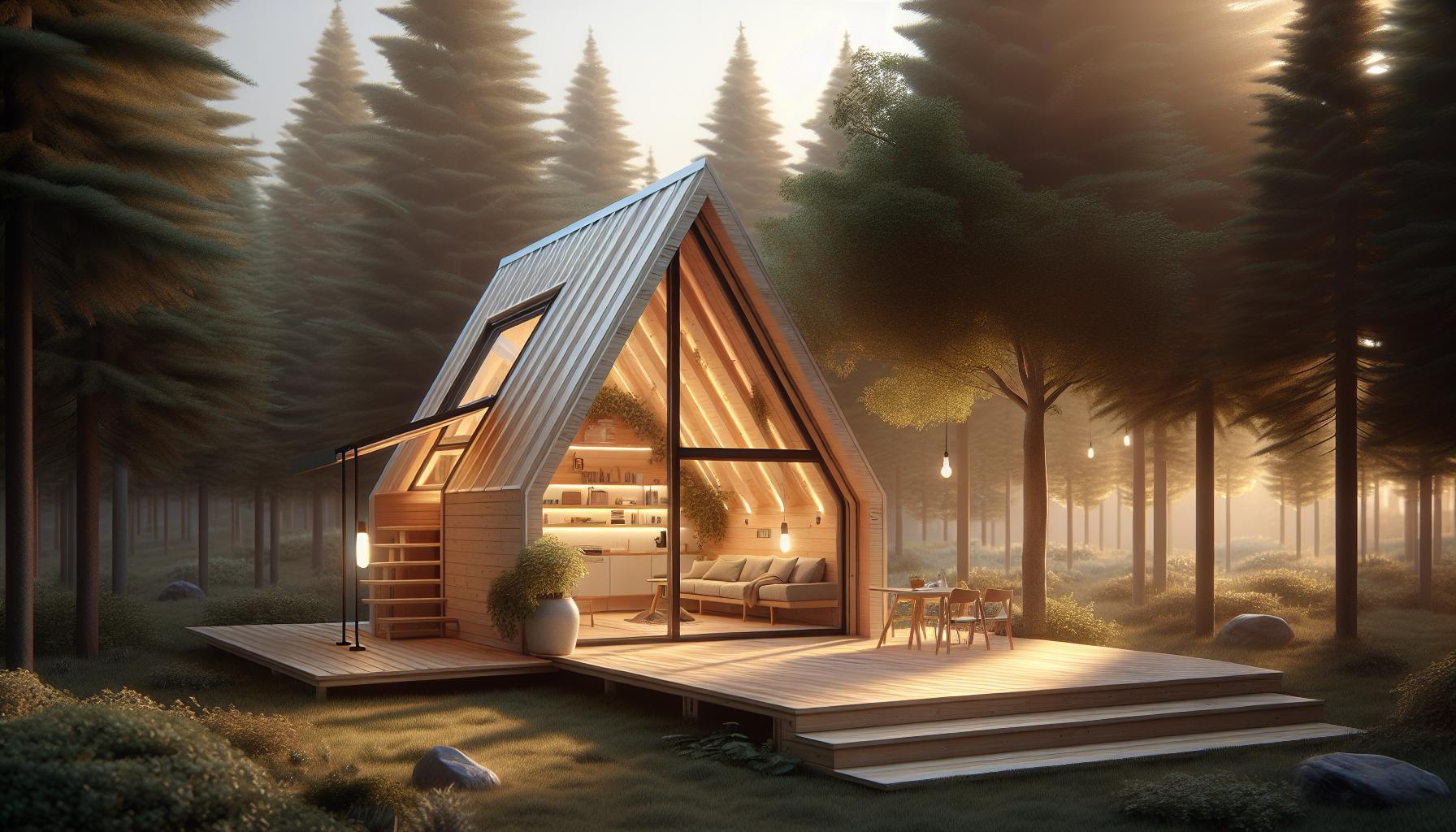
Dreaming of a simpler life in a cozy tiny home? Before you start building in Virginia, it’s crucial too navigate Old Dominion’s building codes.Understanding these regulations not only ensures compliance but also helps you avoid costly mistakes. Join us as we explore what you need to know to make your tiny house dream a reality!
Understanding Virginia’s Building Codes for Tiny Houses
Understanding the nuances of building codes is essential for anyone considering a tiny house in Virginia. With the rising popularity of tiny living, many aspiring homeowners are eager to navigate the framework of local regulations. In Virginia, the building codes are primarily dictated by the Virginia Uniform Statewide Building Code (USBC), which outlines the legal requirements for constructing all types of buildings, including tiny houses. This code not only applies to new constructions but also affects renovations, repairs, and changes in use for existing structures.
To ensure compliance while building a tiny house,it’s crucial to familiarize yourself with specific regulations outlined in the virginia Construction Code (VCC),which is based on the International Building Code with localized amendments. Some key points to consider include:
- Minimum Size Requirements: Tiny houses must meet minimum living space requirements, typically measured by square footage.Ensure your design adheres to these standards.
- Zoning Regulations: Verify local zoning laws as they dictate where tiny homes can be placed. Restrictions may vary significantly by county.
- Permitting: Before beginning construction, obtaining the correct permits is vital. This process may include inspections and approvals which shoudl be factored into your timeline.
- Utilities and Hookups: Check local codes regarding utility connections. Many tiny homes need to connect to water,sewage,and electrical systems,which must comply with safety standards.
Consulting with local building authorities can provide clarity on how the USBC applies to your specific situation. Engaging with experienced builders or architects who specialize in tiny homes can also be beneficial. Their expertise can definitely help maneuver the complexities of local codes and ensure that your project is compliant while meeting your vision.
Moreover, community resources such as workshops or online forums can be invaluable. They offer real-life examples and shared experiences from others who have successfully built tiny houses in Virginia. As you embark on this journey, keeping abreast of any changes in the “Can You Build a Tiny House in Virginia: Old Dominion Building Codes” ensures that your tiny home dreams can become a reality without unnecessary setbacks.
Zoning Regulations: Where Can you Build a Tiny House in Virginia?
In recent years,the tiny house movement has gained significant traction across the United States,including Virginia. Among the numerous reasons for this surge in popularity are the appeal of minimalism, economic efficiency, and a desire for sustainable living. However, potential builders often find themselves grappling with a complex web of zoning regulations that dictate where these compact homes can be situated. Understanding these regulations is crucial for anyone considering a tiny house as their new residence.
When exploring where to build a tiny house in Virginia, it’s essential to recognize that zoning laws can vary widely from one locality to another. Generally, tiny houses can be categorized as either permanent dwellings or movable tiny homes, and the regulations governing each can differ significantly. For instance, areas designated for agricultural use may allow tiny homes as long as they meet certain agricultural occupancy requirements.Conversely, residential zones typically have strict square footage minimums that may inadvertently exclude tiny houses.
Key zoning Considerations
To navigate the zoning landscape effectively,here are several key factors and steps to consider:
- check Local Laws: Start by reviewing your local zoning ordinances,as many cities and counties have specific regulations that address tiny homes either directly or indirectly.
- Get a Site Permit: In most cases, you’ll need to apply for a site permit, which will assess the suitability of your chosen plot for tiny house construction.
- Consult with Planning Departments: Engage with your local planning office for guidance on zoning classifications and to inquire about any necessary variances that allow for non-compliance with typical size requirements.
- Assess Utility Connections: Options for connecting to utilities can also impact where you can place a tiny house. Some localities might require full utility connections, while others might permit off-grid solutions.
Examples of Local Regulations
Here are a few examples of different approaches taken by Virginia municipalities toward tiny house zoning:
| Location | Zoning Type | Minimum Square Footage | Comments |
|---|---|---|---|
| Richmond | Residential | 1,000 sq. ft. | Strict minimums create challenges for tiny homes. |
| Fredericksburg | Mixed-Use | Not specified | More flexible; may allow tiny homes in transitional zones. |
| Roanoke | Rural | 500 sq. ft. for agricultural use | Permits tiny homes, especially for farm workers. |
By thoroughly researching and understanding these zoning regulations, future tiny house enthusiasts in Virginia can better position themselves to navigate the complexities of construction and find a suitable plot for their new, compact dwelling. The growing acceptance and integration of tiny homes within broader housing strategies can open doors for innovative living solutions in communities seeking sustainable practices.
Essential Permits and Approvals for Tiny House construction
Understanding the maze of regulations and permits is crucial for anyone eager to embark on the journey of tiny house construction in Virginia. Each locality may have its own set of rules, but there are common threads that unite them, ensuring that safety and sustainability remain at the forefront of building practices. Before you break ground, it’s vital to know what permits and approvals you will need to keep your project compliant and your dream home legal.
key Permits and Approvals
When planning to build a tiny house in virginia, you’ll need to secure various permits. Commonly required permits include:
- Building Permit: This is essential for any construction and typically requires you to submit plans detailing the desired structure.
- Zoning Permit: since zoning laws vary widely by locality, confirming that your tiny home adheres to local zoning regulations is crucial. this may involve verifying land usage and density restrictions.
- Electrical and Plumbing Permits: If your tiny house includes residential-grade utilities,you’ll need separate permits for electrical and plumbing work to ensure these systems meet state safety standards.
- Site Plan Approval: Some jurisdictions might require a site plan that maps out building positioning, landscaping, and access paths, ensuring compliance with local land use policies.
Local Variations and Examples
Each county or city in Virginia may impose additional requirements, making it imperative to consult local building departments. As a notable example, in urban areas like Richmond, the process might be more stringent due to higher population density and different safety concerns. Conversely, rural regions may offer more flexibility, sometimes even allowing for alternative construction methods or smaller lot sizes.
| Permit Type | Typical Fees | Approval Time |
|---|---|---|
| Building Permit | $100 – $500 | 2 – 6 weeks |
| Zoning permit | $50 – $300 | 1 – 3 weeks |
| Electrical/Plumbing Permits | $75 – $250 | 1 – 2 weeks |
| Site plan Approval | $200 - $1000 | 4 – 8 weeks |
Navigating these essential steps is a critical part of determining not just whether you can build a tiny house but ensuring it meets the Old Dominion’s building codes. By getting a handle on necessary permits and processes,potential builders can transform their tiny house dreams into reality while adhering to legal guidelines and maintaining their home’s safety and value.
Navigating Utilities and Infrastructure for Your Tiny Home
Creating a tiny home can be an exciting venture, but understanding how to effectively manage utilities and infrastructure is essential for a triumphant build. In Virginia, the old-world charm of tiny living meets the rigors of modern regulations, ensuring that your home is not just quaint but also safe and functional. Successful navigation through these utilities frequently enough presents unique challenges, but with the right details, you can transform obstacles into opportunities.
Understanding Local Regulations
Compliance with local building codes is paramount when considering how utilities will integrate with your tiny home. Each locality in Virginia may have different building codes, so it’s crucial to do your homework. Some central aspects to consider include:
- Permitting: Check with your county or city zoning office about permitting requirements for tiny homes.
- Utility Access: Determine whether your home will be on a permanent foundation, which affects connection options for utilities.
- Waste Management: Familiarize yourself with sewer and septic system regulations; your tiny home must meet state and local health standards.
Connecting Utilities: Water, Electricity, and Gas
Establishing connections for essential utilities requires careful planning. Here’s how to approach each one:
- Water:
If your tiny home will be on a lot with existing water service, contact your local water authority to discuss hook-up procedures. If not, consider alternatives such as rainwater harvesting systems, which can be both sustainable and resource-efficient.
- Electricity:
For electrical connections, work with a licensed electrician familiar with local building codes. You may need to install a service panel and ensure your tiny home meets electrical safety standards. Having an off-grid option with solar panels can be favorable, especially in rural areas.
- Gas:
If your tiny home will utilize gas, you’ll need to determine whether you will connect to a municipal gas line or use propane tanks. Check with local gas companies on installation requirements and safety measures.
Examples of Successful Utility Integration
Several tiny home communities in Virginia have successfully addressed utility integration, serving as models for future builders. As an example, The Tiny House Village in Richmond incorporates eco-friendly water systems and utilizes solar panels for energy, emphasizing sustainability. Another example is the Allegheny Mountain Tiny House Community, where each unit has systems tailored to maintain independence from the grid whilst ensuring compliance with local codes.
Utilizing a well-structured approach ensures that your utilities align with the requirements outlined in “Can You Build a Tiny House in Virginia: Old Dominion Building Codes.” By tapping into local resources, engaging with professional contractors, and embracing innovative solutions, you can pave your way toward a seamless tiny home experience.Remember, grounding yourself in knowledge will unleash your creativity as you design and build your sustainable retreat.
Design considerations: Making the Most of Your Tiny Living Space
Creating a functional and aesthetically pleasing tiny living space in Virginia can be a rewarding challenge. with limited square footage, innovative design choices become essential. The question many aspiring tiny home builders ask is not just ”Can You Build a Tiny House in Virginia: Old Dominion Building Codes?” but also how to optimize every inch of their compact abode.
Emphasizing Multi-Functional Spaces
One of the most effective strategies in tiny house design is to prioritize multi-functional furniture and spaces. this approach not only saves space but also contributes to a clutter-free atmosphere. Consider the following elements:
- Murphy Beds: These wall-mounted beds fold up when not in use, freeing valuable floor space.
- Convertible Sofas: Opt for sofas that can transform into beds, offering flexibility for guests.
- Storage Ottomans: These can serve as coffee tables or additional seating while hiding away blankets or other items.
- Drop-Leaf Tables: Ideal for dining or working, these tables can be expanded when needed and folded away to open up the space.
Vertical Space Utilization
In tiny homes, the journey toward functionality often means looking upward. Utilizing vertical space can maximize your living area significantly. Here are some tips to consider:
- Lofted Sleeping Areas: If your tiny house has a high ceiling, consider a lofted area for sleeping. This can free up the main floor for living and cooking spaces.
- Wall Storage: Shelving, hooks, and cabinets mounted on walls can store everything from kitchenware to books without consuming valuable floor space.
- Hanging Racks: Use hooks or racks to hang your pots and pans, creating an artistic display while keeping your kitchen organized.
Choosing the Right Layout
The layout of your tiny house is crucial, especially in light of local building codes and regulations. When planning, consider these key factors:
| Layout type | Description | Benefits |
|---|---|---|
| Open Concept | Minimal walls separating living, kitchen, and dining areas. | Creates a sense of space and encourages social interaction. |
| lofted | Sleeps in a loft or elevated area. | Maximizes floor space for living and other functions. |
| Split-Level | Divides areas into slightly varied heights. | Adds depth and visual interest to the design. |
By keeping these design considerations in mind when constructing your tiny home in virginia, you’ll not only comply with local building codes but also create a space that feels open and livable. Each decision should reflect both functionality and your personal style, turning your tiny living dreams into a reality. The challenge of tiny living may be significant, but the rewards of creativity and resourcefulness are immeasurable.
Embracing Minimalist Living: Benefits of Tiny House living in Virginia
Living in a tiny house offers many unique advantages, especially for those looking to embrace a minimalist lifestyle in Virginia. the shift towards smaller living spaces reflects a broader cultural movement that prioritizes sustainability, financial freedom, and simplified living. This transition not only transforms one’s physical environment but also cultivates a mindset focused on intentionality and purpose in daily life.
One of the most significant benefits of adopting a tiny house lifestyle is the reduction of expenses. Many individuals and families find that smaller homes lead to lower mortgage or rental payments, decreased utility bills, and minimized maintenance costs. With the knowledge from the article about tiny house building codes in Virginia,prospective homeowners can navigate local regulations effectively,ensuring that their projects align with community standards while also optimizing their financial investments. This financial liberation can open up opportunities for travel, savings, or pursuing passion projects that enrich life.
Beyond financial benefits, living in a compact space necessitates enhanced organization and decluttering. People often report that decluttering their possessions allows them to focus on what truly matters—relationships, experiences, and personal well-being. In Virginia, where stunning landscapes and outdoor activities abound, embracing a minimalist lifestyle can encourage residents to spend less time managing their belongings and more time enjoying the natural beauty around them. Consider adopting the following strategies to streamline your possessions:
- Assess Necessities: Regularly evaluate your belongings and keep only what you truly need or love.
- Multifunctional Furniture: invest in versatile furniture pieces that serve multiple purposes, maximizing limited space.
- Vertical Storage: Take advantage of wall space by utilizing shelves and hooks, freeing up floor space.
By aligning with local building codes, individuals can effectively create a functional yet aesthetically pleasing space. The intersection of tiny house living and Virginia’s stunning surroundings promotes a lifestyle that values simplicity and connection to one’s environment.
Ultimately, tiny houses facilitate a profound lifestyle shift, enabling residents to cultivate a more meaningful existence. With each step taken towards minimalist living, homeowners in Virginia are not only constructing a physical home but also building a life rich with purpose, community, and fulfillment.
Common Challenges and Solutions for Tiny House Builders
Building a tiny house can be an exciting venture, but it frequently enough comes with a unique set of challenges. Understanding local building codes is crucial for ensuring compliance and avoiding costly penalties. In virginia, particularly under the guidelines outlined in “Can You Build a Tiny House in Virginia: Old Dominion Building codes,” builders may encounter various issues, from zoning restrictions to utility connections.Here are some common challenges and practical solutions that can definitely help aspiring tiny house builders navigate this process effectively.
Understanding Zoning Regulations
One of the primary challenges faced by tiny house builders is navigating the zoning regulations that vary significantly by locality. In many areas of Virginia,zoning laws may not permit tiny homes on permanent foundations or restrict their placement in residential areas. Builders should begin by researching local zoning ordinances and contacting county planning offices to clarify regulations that apply to tiny houses.
To mitigate zoning issues:
- Engage with local communities advocating for tiny homes.
- consider placement on properties that have existing structures, which may allow for more lenient regulations.
- Explore options for temporary housing permits while establishing your home.
Building Code Compliance
Compliance with building codes is another key hurdle. Tiny houses in Virginia must adhere to the standards set forth by the International Residential Code (IRC) or relevant manufacturer specifications. This includes aspects like plumbing, electrical installations, and structural integrity. Builders should familiarize themselves with local adaptations of the IRC and consult with professionals who understand these codes.
To ensure compliance:
- Consult with licensed contractors or inspectors during the design phase.
- Attend local workshops or seminars focused on tiny house construction.
- Utilize resources from organizations that specialize in tiny home legislation.
Utility connections
Establishing utility connections can often pose significant challenges for tiny house builders. Many locales do not have predefined guidelines for connecting tiny homes to water, electricity, and sewage systems. In many cases, this requires additional approvals and permits that can delay construction.
To address utility connection hurdles:
- Research local options for off-grid systems,such as solar panels and composting toilets.
- Work with utility companies early in the planning process to understand their requirements.
- Consider alternative solutions, such as mobile or RV-type connections if full hookups aren’t possible.
while there are numerous challenges in building a tiny house in Virginia, understanding local zoning laws, ensuring compliance with building codes, and establishing utility connections are pivotal steps in the process.With careful planning and proactive engagement with local authorities and resources,builders can navigate these challenges effectively and turn their tiny house dreams into reality.
Q&A
Can You Build a Tiny House in Virginia: Old Dominion Building Codes?
Yes, you can build a tiny house in virginia, but you must comply with local building codes and zoning regulations.Virginia has specific standards that vary by locality, which can affect factors such as size, utilities, and land use.
Many communities in Virginia have adopted the Virginia Uniform Statewide building Code (USBC), which outlines requirements for safety and livability. To begin, check with your local zoning department to see if tiny houses are allowed in your area, as some municipalities may have restrictions.
What are the zoning regulations for tiny houses in Virginia?
Zoning regulations for tiny houses in Virginia vary by locality,and some areas may not allow tiny homes as permanent residences. Most counties define minimum lot sizes and housing specifications including structural integrity and utility connections.
It’s essential to research the zoning laws in your specific locality, as some areas may allow tiny houses only as accessory dwelling units (ADUs) or limit their location to certain land classifications.Consider speaking to your local planning department for the most accurate and tailored advice.
Can I build a tiny house on wheels in Virginia?
Yes, building a tiny house on wheels is permissible in Virginia, but it must adhere to specific regulatory standards. These regulations often encompass safety, size, and compliance with zoning laws.
Check if your area requires the tiny house on wheels to be registered as a vehicle or a dwelling. This classification can significantly impact where you can park your tiny home and what utilities need to be connected. For more information, explore the relevant guidelines on the Virginia DMV website.
Why are building codes critically important for tiny houses in Virginia?
Building codes are crucial for tiny houses becuase they ensure safety and structural integrity for you and your family. Compliance with these codes can prevent future issues with home value and resale potential.
Additionally, following the Virginia Uniform Statewide Building Code (USBC) helps in maintaining a consistent living standard across communities. Adhering to specific codes assists in protecting residents from hazards related to building failures, electrical problems, or plumbing issues.
What types of tiny houses are allowed in Virginia?
Virginia permits various types of tiny houses, such as those built on foundations, tiny houses on wheels (THOW), and sometimes ADUs. The primary condition is compliance with local zoning and building codes, which vary significantly.
For instance, some counties may only permit tiny houses as ADUs alongside existing homes. Others might permit self-contained tiny houses on wheels with specific regulations regarding mobility and parking. to explore more on tiny house types, check out our detailed guide on the subject.
can you live in a tiny house year-round in Virginia?
Living in a tiny house year-round in Virginia is feasible, but it requires proper insulation, heating, and local approval. Ensure you comply with local habitation codes and address seasonal weather challenges.
Considerations such as zoning, waste disposal, and utility access need to be addressed to live comfortably year-round.Research your locality’s requirements for year-round residency in tiny homes to prevent health or safety violations.
How can I prepare to build a tiny house in Virginia?
Preparing to build a tiny house in Virginia involves thorough research into local zoning laws, building codes, and potential land options. Familiarize yourself with the specific requirements that apply to your area.
Additionally, consider drafting a plan that meets both your needs and the legal standards. Engaging with local builders, attending workshops, or joining tiny house communities can provide valuable insights and support as you embark on this journey.
To Conclude
As we draw to a close on our exploration of building a tiny house in Virginia, it’s clear that this journey is as rewarding as it is indeed intricate. Navigating the Old Dominion’s building codes and zoning regulations can pose challenges, but understanding these technicalities empowers you to create a space that is not only compliant but also uniquely yours. From grasping the significance of terms like “permanent foundation” and ”accessory dwelling units” to recognizing the importance of local ordinances, we’ve unraveled the essential aspects that aspiring builders need to consider.
Embracing a minimalist lifestyle is more than just constructing a smaller home; it’s about fostering a deeper connection to your living space and the world around you. As you venture into this fulfilling, yet sometimes daunting, experience, remember that the tiny house movement is rooted in both idealism and practicality. Your ambitions deserve a foundation built on knowledge and foresight.
We encourage you to dig deeper into the topics discussed, engage with local tiny house communities, and even consult with building professionals who can provide tailored insights for your project.Every step forward is an prospect to learn and adapt, turning your vision into reality within the framework of Virginia’s building landscape. Happy building, and may your tiny home journey be filled with joy and discovery!
Get our latest guides, news, and insights highlighted in your Google Search & AI Overviews.