
✨ This article was AI edited. Editorial responsibility: LiveSmallBeMore.blog.
Tiny reselling is the commercial practice of sourcing distressed, undervalued, or partially finished tiny houses on wheels, performing strategic mechanical and aesthetic refurbishments, and remarketing them for profit. Successful operators focus on certified chassis integrity, modernizing off-grid systems, and clarifying DMV title registrations to capture 20% to 35% net profit margins.
The micro-housing economy has reached a phase of structural maturity. Over the past decade, thousands of owner-builders, enthusiast downsizers, and short-term rental investors acquired or constructed tiny homes. Today, life changes—such as growing families, career relocations, or municipal zoning changes—are driving significant secondary market inventory. For opportunistic entrepreneurs and seasoned carpenters, tiny reselling has emerged as a high-margin, agile alternative to traditional residential home flipping, avoiding onerous property transfer taxes, lengthy municipal permit queues, and massive capital lockup.
However, reselling tiny houses requires navigating specific structural, legal, and logistical minefields. In this guide, our market analysts break down the business mechanics of sourcing, inspecting, renovating, and profitably remarketing pre-owned micro-dwellings.
Tiny House Flipping: Financial Model & Unit Economics
Unlike conventional real estate where land appreciation drives gross returns, tiny reselling depends strictly on forced equity through targeted repairs, aesthetic modernization, and regulatory clearance. Below is a representative financial pro forma for a typical 24-foot tiny house flip:
| Expense Category | Budget Range (USD) | Key Work Scope / Line Items | Equity Impact |
|---|---|---|---|
| Acquisition Cost | $22,000 – $32,000 | Unfinished shell or dated 2017–2020 custom build | Baseline valuation asset |
| Trailer & Safety Overhaul | $1,800 – $3,200 | New 10-ply tires, electric brake magnets, breakaway kit | Essential for roadworthy buyer transport |
| Mechanical & HVAC Retrofit | $2,500 – $4,500 | New mini-split heat pump, tankless water heater, PEX check | High perceived buyer reliability |
| Aesthetic Modernization | $3,000 – $5,500 | Cabinet refinishing, butcher block counters, exterior paint | Drives 80% of digital inquiry clicks |
| Title Clearance & Registration | $400 – $900 | State DMV title bonding, VIN verification, tax stamps | Unlocks buyer chattel financing eligibility |
| Target Resale Price | $48,000 – $58,000 | Turnkey four-season certified dwelling | Net Profit: $12,000 – $18,000 (26–34% ROI) |
Phase 1: Sourcing and Sifting Undervalued Inventory
Profit in tiny reselling is generated at the moment of purchase, not at the point of sale. High-margin inventory is rarely found on polished commercial brokerages. Top resellers source deals across four unconventional channels:
1. Abandoned DIY Builds and Stalled Projects
Thousands of prospective self-builders purchase premium heavy-duty trailers and dry-in framing shells before running out of capital, time, or technical confidence. These projects represent prime acquisition targets. Squeamish about finishing electrical conduits or plumbing pressure testing, sellers are frequently eager to recoup basic material costs.
2. Decommissioned Glamping & Eco-Resort Fleets
Boutique hospitality operators periodically refresh their rental inventory after 3 to 5 years of commercial use to maintain luxury bookings. Purchasing fleet lots of 2 to 4 identical units at bulk discounts allows for standardized assembly-line refurbishments.
3. Estate Sales and Land Lease Evictions
When municipal code enforcement clamps down on unpermitted backyard ADUs, owners often face accumulating daily fines and must liquidate mobile dwellings immediately. Being equipped with a three-quarter-ton truck, immediate cash reserves, and the ability to tow the asset off-site within 24 hours provides immense negotiating leverage.
Phase 2: The Pre-Acquisition Structural Audit
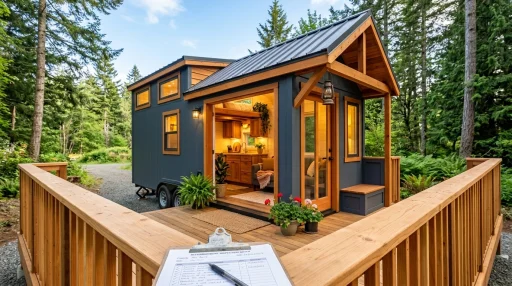
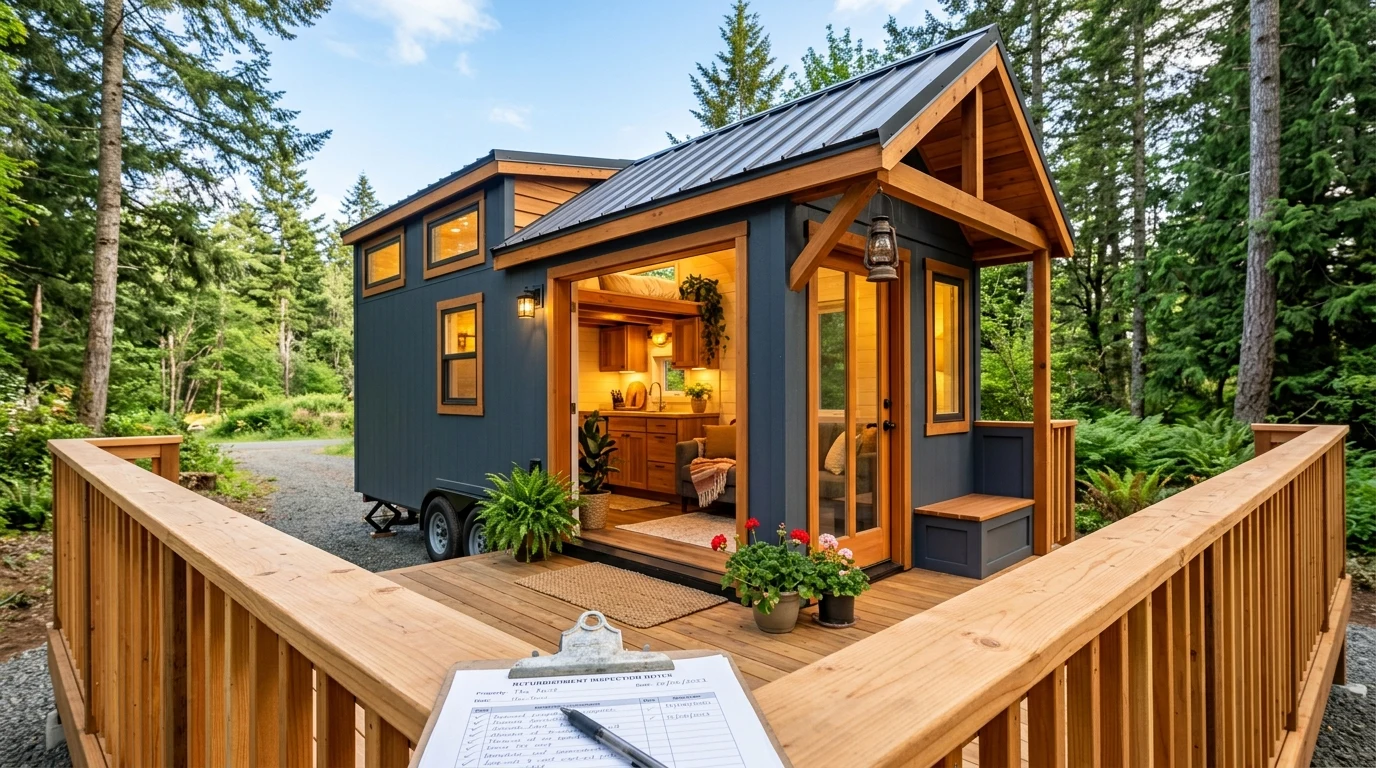
Never purchase a pre-owned tiny home without conducting an exhaustive on-site structural and mechanical audit. Overlooking concealed rot or frame damage can instantly erase your profit margins:
1. Chassis and Axle Integrity
Crawl beneath the trailer with a creeper and high-lumen inspection lamp. Check for:
- Frame Sag & Fish-Plating: Look for hairline cracks or unauthorized welding splices along main C-channel or I-beam rails, especially near spring hanger perches.
- Axle Camber: Ensure tandem or triple torsion axles have an upward crown. If an axle bows downward in the center, it has experienced severe overloading and must be replaced.
- Electric Brake Corrosion: Inspect brake backing plates, magnet wear, and emergency breakaway battery charge.
2. Hidden Moisture and Thermal Envelope Failure
Water intrusion is the silent killer of tiny houses. Carry a calibrated pinless moisture meter and thermal imaging camera. Scan:
- Subflooring beneath shower pans, water heaters, and wheel-well flashings. Moisture readings exceeding 16% indicate active decay or saturated fiberglass insulation.
- Window sills and header corners for dark staining, softening sheathing, or peeling paint indicative of flashing failure.
- Ceiling loft corners around chimney flues and mini-split penetration sleeves.
3. Electrical Code Safety
Verify that 120V AC wiring utilizes NM-B Romex or metal-clad MC cable secured within stud centers via nail plates. Test the main distribution panel to ensure neutral and ground buses are properly separated (crucial for sub-panel configurations when plugged into shore power).
Phase 3: High-ROI Refurbishment Strategies
When renovating for resale, allocate capital exclusively to enhancements that yield maximum visual appeal and functional reassurance:
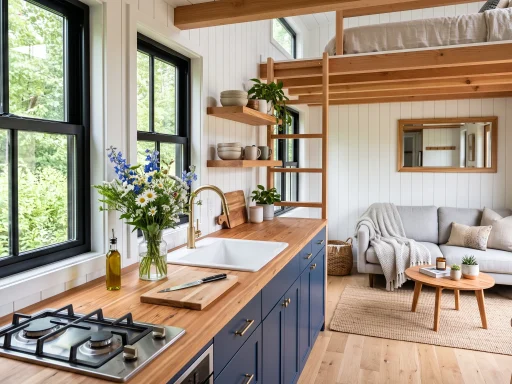
- Modernize Paint Schemes: Replace dated, yellowing clear pine claddings with crisp matte Scandinavian whites or deep contemporary charcoals. Painting interior shiplap instantly expands perceived interior volume.
- Upgrade to Inverter Mini-Splits: Ditch loud, inefficient RV rooftop air conditioners or space heaters for an ultra-quiet 12,000 BTU ductless mini-split heat pump. Buyers view mini-splits as an absolute hallmark of true residential quality.
- Install Smart Storage Solutions: Incorporate hydraulic gas-strut lift beds, pull-out pantry organizers, and multi-functional fold-down dining consoles.
- Documenting the Transformation: Capture high-resolution before-and-after photo sequences to showcase build quality on secondary marketplaces. For effective marketing tactics, review our guide on how to sell a tiny house.
Phase 4: Title Sanitization & Closing Escrow
A tiny house with cloudy title documentation is virtually unsellable to qualified retail buyers. Prior to marketing:
- Clear Chattel Liens: Ensure any prior lender liens are formally released with state-issued discharge certificates.
- VIN Verification: If purchasing an out-of-state build, schedule a state highway patrol or DMV physical VIN inspection to confirm the stamped trailer chassis matches registration documents.
- Market on Authoritative Platforms: List your finished asset across established micro-living marketplaces. Discover high-converting sales channels in our curated tiny life website guide.
Frequently Asked Questions About Tiny Reselling
How fast do refurbished tiny houses sell?
Turnkey, certified tiny houses priced accurately between $35,000 and $60,000 typically sell within 30 to 60 days of listing on specialized platforms. Overpriced custom units exceeding $90,000 without third-party NOAH or RVIA certifications often languish for 6 to 12 months.
Do I need a dealer license to flip tiny houses?
Because tiny houses on wheels are titled as trailers or recreational vehicles, state motor vehicle dealer laws apply. In most states, individuals can sell between 3 and 5 titled motor vehicles or trailers per calendar year before requiring an auto/trailer dealer license. Check your local DMV thresholds.
Can buyers finance a flipped tiny home?
Yes, provided the dwelling is certified by an accredited inspection body (NOAH, RVIA, or Pacific West). For uncertified custom builds, buyers typically rely on personal unsecured loans or cash reserves.
Get our latest guides, news, and insights highlighted in your Google Search & AI Overviews.