Are tiny homes a viable option in Spain’s picturesque landscapes? As minimalism gains traction, understanding teh legality and opportunities for Mediterranean tiny houses becomes crucial for potential buyers and eco-conscious living enthusiasts. This article explores the regulations and possibilities that define the tiny house movement in Spain, revealing the path to your dream getaway.
Understanding Tiny House Regulations in Spain: What You Need to Know
Navigating the legal landscape of tiny houses in Spain is crucial for anyone contemplating building or living in these minimalist dwellings. While tiny houses offer a charming and lasting lifestyle choice, understanding the regulatory requirements is essential to ensure compliance and avoid potential pitfalls.
Understanding Zoning Laws
Zoning laws play a vital role in determining the legality of tiny homes in various regions of Spain. According to local regulations, specific zones may have restrictions on the size and type of dwelling allowed. Typically,urban areas have stricter regulations compared to rural zones. It’s important to consult the local ayuntamiento (town hall) or municipal plans to gain an understanding of permitted land use.
Before investing in a tiny house, consider the following factors:
- Land Ownership: Ensure you have the right to develop the land where you plan to place your tiny house, weather it’s owned land or a rented plot in a caravan park.
- Building Codes: Familiarize yourself with Spain’s national and local building codes, which govern structural safety and habitability standards.
- Minimum Space Requirements: While tiny houses are by definition smaller than conventional homes, many municipalities impose minimum size thresholds that must be met to qualify as a legal dwelling.
Permits and Licensing
To legally establish a tiny house in Spain, obtaining the necesary permits is essential. The process can vary widely based on location, so here are some general steps to follow:
- Project Submission: Present your tiny house plans to local authorities, alongside required documentation such as land deeds and design specifications.
- Environmental Impact Assessment: In certain specific cases, an environmental evaluation might potentially be required, especially if your tiny home is situated near protected areas.
- construction Approval: Securing a building permit is mandatory before beginning any construction. Failing to get the right permits can lead to fines or forced removal of the structure.
Living in a Tiny House on Wheels
For those considering a mobile tiny house, Spanish regulations often differ from stationary structures. Tiny houses on wheels are categorized similarly to caravans. They must comply with specific road and vehicle regulations, and may require additional permits when parked in designated areas. If your intention is to travel with your house, it is indeed wise to adhere to weight limits and vehicle safety requirements, ensuring your tiny home adheres to transportation regulations.
| regulation Type | Details |
|---|---|
| Zoning Restrictions | Varies by municipality; check local plans. |
| Building Codes | must meet national and local safety standards. |
| Mobile Home Regulations | Must comply with vehicle safety requirements. |
understanding the regulations surrounding tiny houses in Spain can pave the way for a prosperous transition to this minimalist lifestyle. always seek local advice and consider the longer-term implications of your investment in a tiny home, ensuring you adhere to the legal framework for a hassle-free living experiance.
Navigating Local Zoning Laws: where Can You Park Your Tiny Home?
Understanding the intricacies of local zoning laws is paramount for anyone considering a tiny home in Spain. Each municipality has its own regulations, and navigating these can often feel overwhelming. Tiny houses, while increasingly popular, exist in a legal gray area, leading many potential owners to question: Are tiny houses legal in Spain? To set yourself up for success and ensure compliance, it’s essential to familiarize yourself with local regulations and potential parking options for your tiny home.
Key considerations for Tiny Home Parking
Before you make any decisions, keep the following factors in mind:
- Land Use Zoning: Different zones may have restrictions on where you can place a tiny home. residential zones typically allow for permanent dwelling units,while agricultural or commercial areas may have stricter guidelines.
- temporary vs. Permanent Residency: Some areas might permit tiny homes for temporary living, frequently enough requiring permits that need to be renewed annually. Determine if your desired location allows permanent residency.
- Building Codes: Compliance with local building codes is crucial. Many municipalities require adherence to safety, sanitation, and structural integrity standards.
Researching Local Laws
To avoid legal pitfalls, conduct thorough research on local zoning ordinances. Start by visiting the website of your local municipality or contacting their office directly to gather data on:
- Permanent housing regulations specific to tiny homes
- Permitting processes for temporary structures
- Any designated areas or parks that welcome tiny houses
It may also be beneficial to consult with local real estate agents or tiny home communities, as they can provide insights into which neighborhoods are more accommodating to tiny home owners.
| Region | Zoning Type | Parking Options | Comments |
|---|---|---|---|
| Catalonia | Residential | Private Land, Tiny House Parks | May require a licence for permanent residency |
| Valencia | Mixed-Use | Composition of parks or eco-villages | temporary permits frequently enough granted |
| Andalusia | Agricultural | Potential for agricultural land | Permits might potentially be required; investigate local customs |
As you explore your options, don’t shy away from asking local authorities specific questions about your tiny home plans. Clarifying zoning regulations not only helps you find the appropriate parking but also ensures that you’re well-informed about your rights and responsibilities as a tiny home owner in Spain.
Building Codes and Safety Standards: Ensuring Your Tiny House is Compliant
Building a tiny house in Spain can be an inspiring pursuit, but ensuring that your design is compliant with local regulations is essential for your project’s success. Different regions in the Mediterranean have unique building codes and safety standards that directly affect where and how you can construct your tiny home. understanding these legal requirements not only safeguards your investment but also enhances the safety and longevity of your dwelling.
Understanding Local Regulations
Before embarking on your tiny house adventure, it’s crucial to familiarize yourself with the local planning regulations in your desired location. These could include restrictions surrounding:
- Land Use: Zoning laws can dictate where tiny houses can be built,including whether they fall under residential,recreational,or agricultural categories.
- Structure Size: Local codes often define what constitutes a “tiny home” and may have strict limits on dimensions and heights.
- Foundation type: some areas may require tiny homes to be built on a permanent foundation, while others may permit mobile units.
- Utilities: compliance with water,sewage,and electricity standards is often a must.
For example, in coastal towns of Spain, there might be additional regulations due to proximity to natural reserves and the need to mitigate environmental impact.
Safety Standards to Consider
Adhering to safety standards is paramount when constructing any type of home, including tiny houses. In Spain, the following considerations are typically enforced:
- Structural Integrity: Homes need to meet specific engineering standards to ensure they can withstand local weather conditions.
- Fire Safety: Building materials used must be fire-resistant, and homes should incorporate smoke detectors and fire extinguishers.
- Energy Efficiency: Regulations may encourage or require energy-efficient designs,promoting insulation and sustainable energy sources.
By following these safety guidelines, you not only comply with local regulations but also create a safer living habitat.
Navigating the Permitting Process
Acquiring the necessary permits for your tiny home can be daunting but is critical to successful construction. The process typically involves:
| Step | Description |
|---|---|
| 1. Research Local Requirements | Identify the specific regulations pertinent to your location. |
| 2. prepare Documentation | Gather architectural plans, site maps, and any required surveys. |
| 3. Submit Applications | File for the necessary building permits and await feedback. |
| 4. Compliance Inspections | Schedule inspections during and after construction to ensure adherence to codes. |
engaging with local officials early in the process can provide guidance and perhaps streamline your application. Being proactive and informed is the key to successfully navigating the question,”Are tiny houses legal in Spain?” and enjoying the Mediterranean tiny home possibilities.
The Benefits of Tiny Living in the Mediterranean: climate,community,and Culture
The Mediterranean lifestyle embodies a unique blend of sun-soaked days,vibrant communities,and rich cultural experiences,making it an appealing backdrop for tiny living. Embracing a tiny home in this region not only accommodates a sustainable lifestyle but also enhances one’s connection to the stunning natural surroundings and local traditions.The simplicity and efficiency of tiny homes allow individuals to focus on what truly matters, fostering a sense of community and shared values typical of Mediterranean culture.
Climate
One of the most attractive benefits of tiny living in the Mediterranean is the enviable climate. With mild winters and warm, dry summers, residents can enjoy outdoor living year-round. Tiny homes are often designed to maximize natural ventilation and sunlight, reducing reliance on energy-consuming heating and cooling systems. This sustainable approach is not only eco-amiable but also aligns seamlessly with the Mediterranean tradition of harmonious living with nature.
Community
In the Mediterranean, community matters immensely. Living in a tiny home frequently enough leads to closer connections with neighbors and other residents, who are typically drawn to similar values of minimalism and sustainability. Shared spaces in tiny home communities or eco-villages foster interaction and collaboration, encouraging social bonds and cultural exchanges.Engaging in local events, markets, and festivals becomes an integral part of life, deeply enriching the tiny living experience.
Culture
the Mediterranean is a treasure trove of diverse cultures, languages, and histories. living in a tiny home allows individuals to immerse themselves in these experiences without the distractions that often accompany larger living spaces. Residents can easily participate in local traditions,culinary experiences,and artistic endeavors,enhancing their understanding of the region’s rich heritage. Tiny living invites a lifestyle focused on exploration and gratitude of the cultural tapestry around them, making every day an adventure.
- Access to local cuisine: Enjoy fresh produce and unique flavors right from local markets.
- Cultural festivals: Participate in seasonal festivals that celebrate regional traditions and art.
- Community projects: Involve yourself in eco-friendly initiatives that promote sustainability and cooperation.
In considering whether tiny houses are legal in Spain, prospective residents must remain informed about local regulations and zoning laws. As the interest in tiny living continues to grow, many regions are adapting their policies to accommodate this trend, thus providing new opportunities for those seeking a simpler life amidst the Mediterranean’s breathtaking landscapes. By aligning with the essence of tiny living, individuals can cultivate a profound connection to both their surroundings and the rich, diverse cultures that define the Mediterranean region.
Exploring Popular Tiny House Designs for the Spanish Landscape
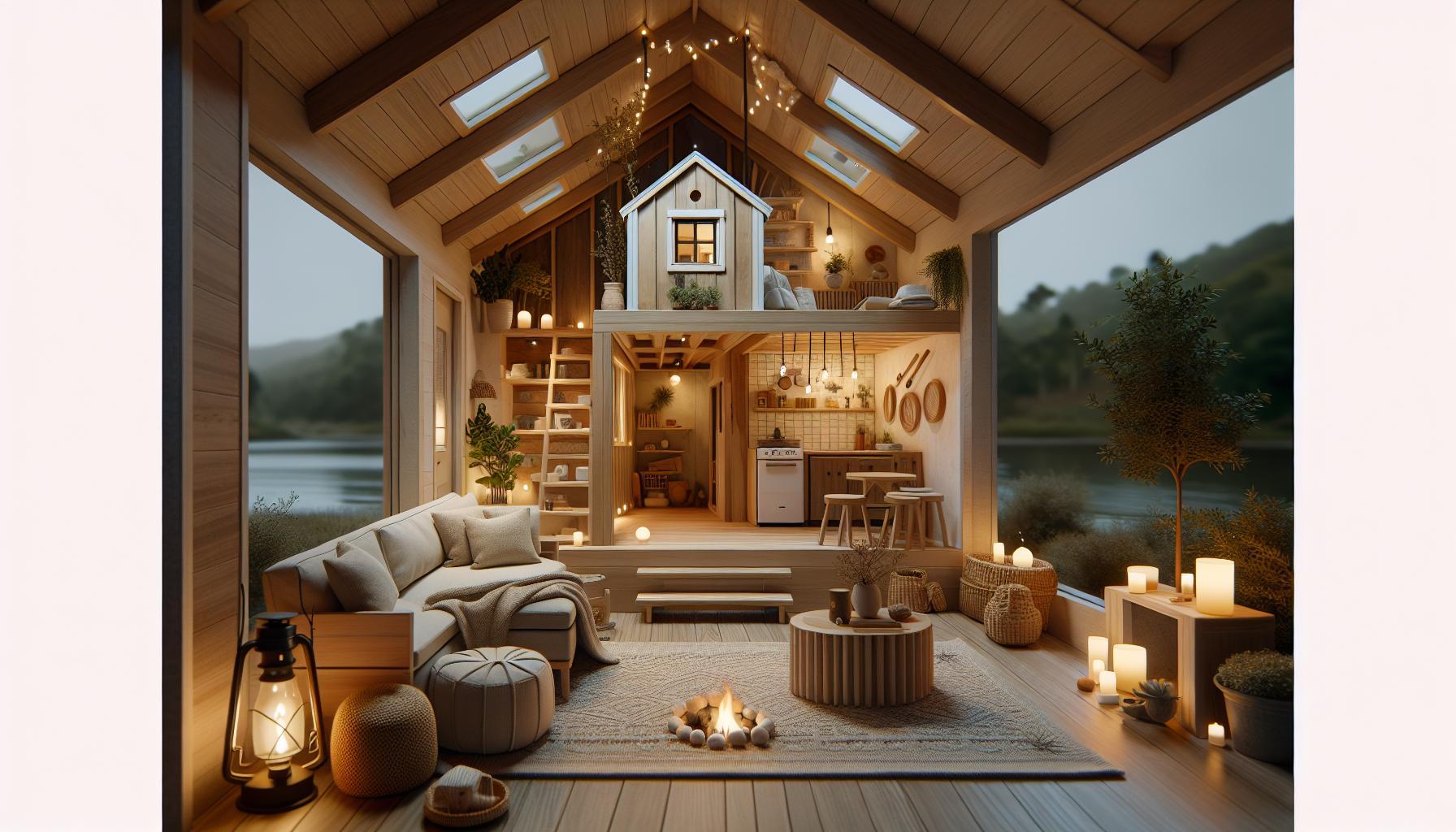
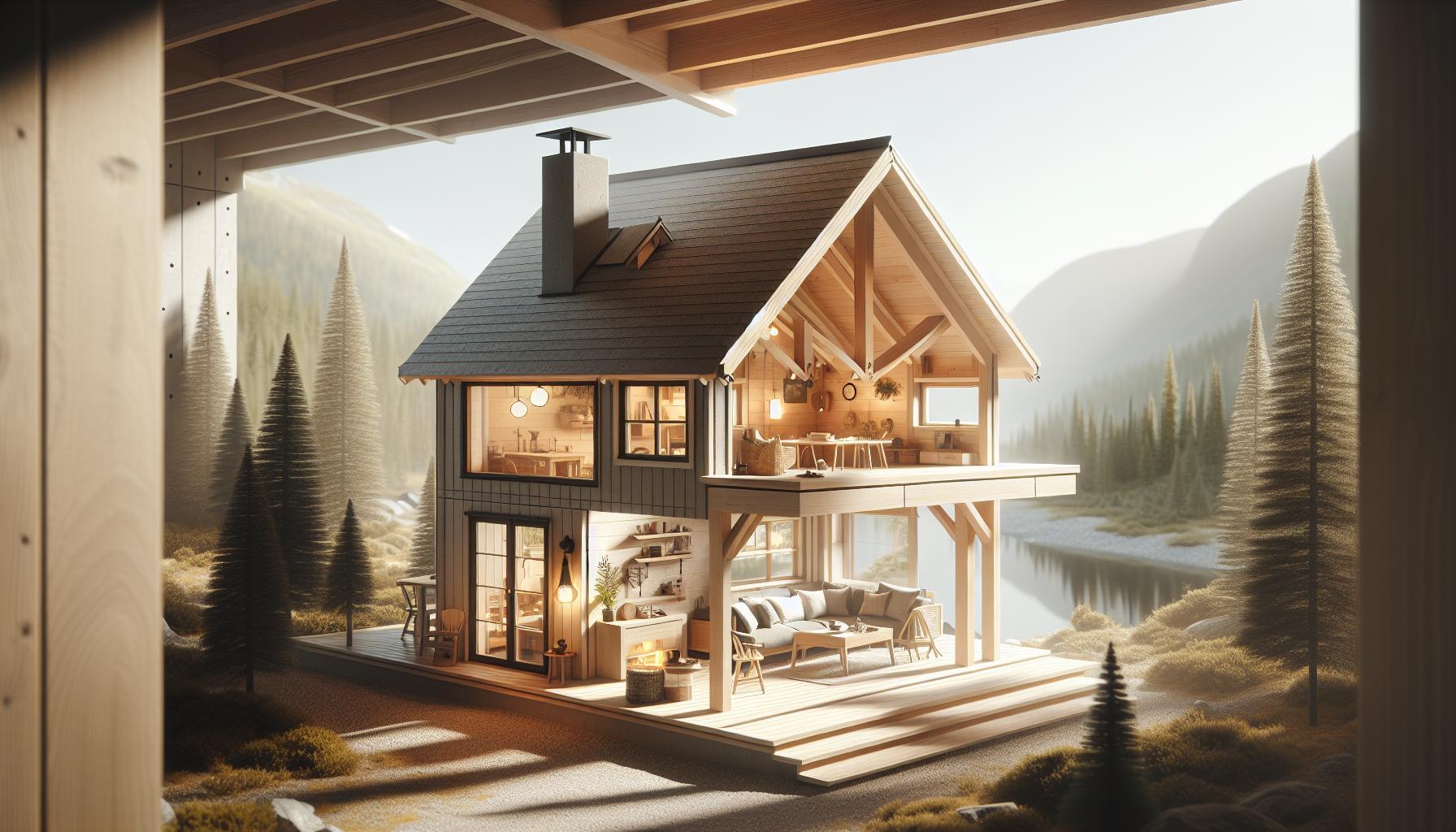
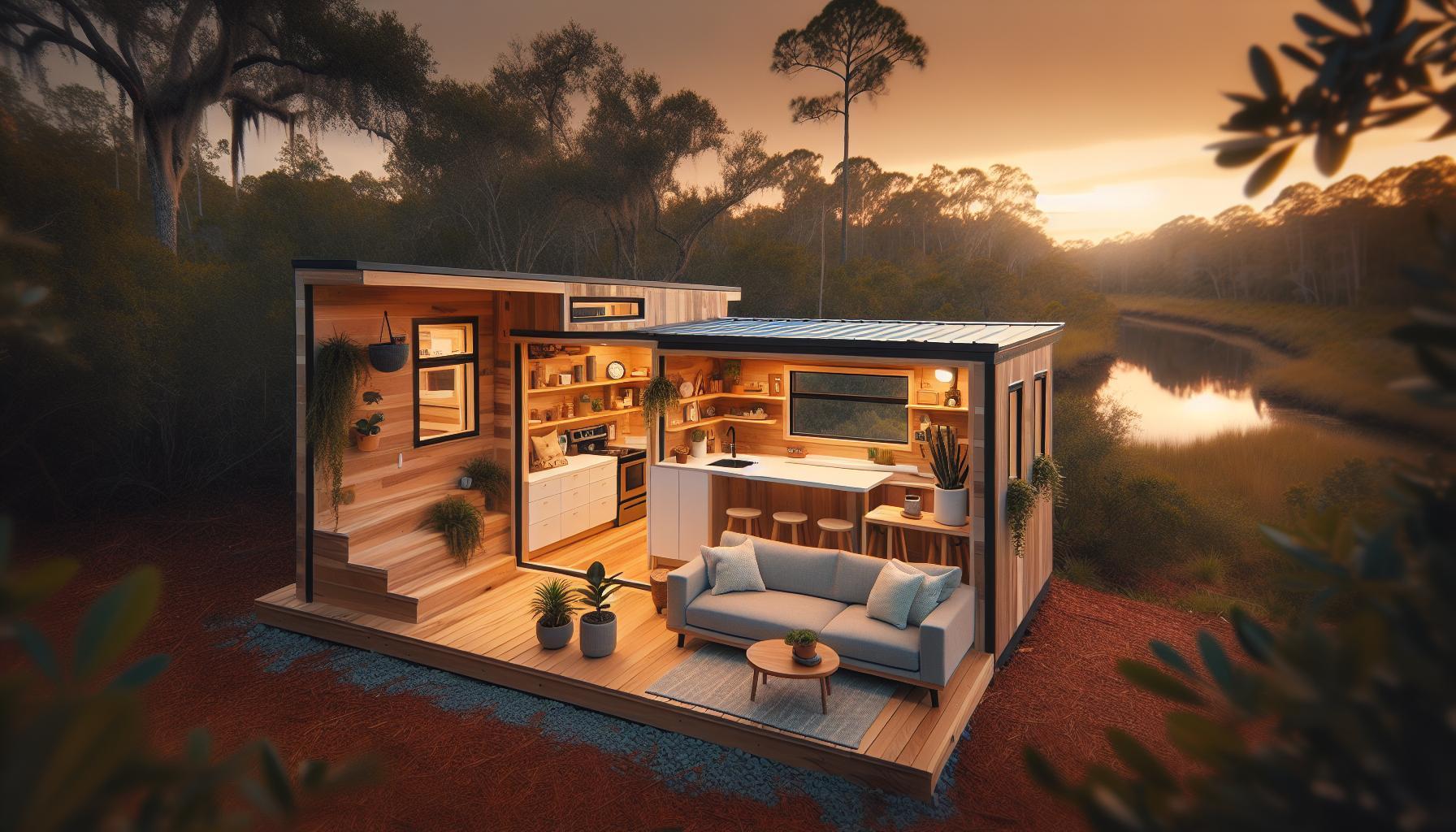
The growing trend of tiny houses has found a charming niche in the Spanish landscape, where the essence of Mediterranean living meets smart, compact designs. With the appeal of downsizing, these tiny homes not only provide a unique lifestyle choice but also adapt well to the stunning natural environments found throughout Spain. the enchanting backdrop of coastal beaches, sprawling olive groves, and vibrant cityscapes sets the stage for innovative tiny house designs that embody both function and aesthetics, making them an attractive prospect for those contemplating their legality under the current regulations.Many participants in Spain’s tiny house movement are designing their homes to blend seamlessly with the Mediterranean environment.Characteristics such as spacious decks, large windows for maximizing natural light, and eco-friendly materials are increasingly common. These homes often feature outdoor living areas that allow residents to engage with their surroundings, essential for enjoying Spain’s mild climate.The use of traditional Spanish architectural elements—like terracotta roofs and stucco finishes—allows these small homes to maintain a cultural relevance that appeals to both locals and tourists.
Popular Designs:
- Mobile Tiny Homes: These designs often come with wheels,allowing for mobility across different regions. This adaptability is especially desirable for those wanting to explore the diverse landscapes of Spain.
- Modular Structures: Prefabricated tiny homes that can be expanded or modified based on needs, ensuring a personalized living experience.
- Off-grid Options: Tiny homes equipped with solar panels,rainwater collection systems,and composting toilets promote sustainability,catering to eco-conscious residents.
Examples of Designs for Mediterranean Living
Many tiny house designs draw inspiration from traditional Spanish villas,incorporating arches,courtyards,and vibrant tile work.The small footprint of these homes allows for lush gardens and outdoor spaces that redefine living in harmony with nature.
| Design Style | Key Features | Ideal Locations |
|---|---|---|
| Rustic Minimalism | Natural wood, open spaces, earth tones | Rural regions, countryside |
| Modern Contemporary | sleek lines, glass facades, eco-friendly | Urban areas, coastal towns |
| Traditional Spanish | Terracotta roofs, stucco walls, turquoise tiles | Historic towns, Mediterranean coast |
As interest in tiny living grows, it becomes increasingly critically important for potential homeowners to understand the legal landscape surrounding tiny houses in Spain. Exploring the possibilities in this architectural framework allows for innovative living solutions that respect both the environment and local traditions, making tiny homes not just a legal curiosity but a delightful and sustainable choice for the Spanish lifestyle.
Financing Your Dream Tiny home: Options and Considerations in Spain
Financing your dream tiny home in Spain can be a thrilling journey that perfectly aligns with a minimalist lifestyle. As the popularity of tiny houses grows, many future homeowners are exploring their options while navigating legal regulations. Even though you might ponder “Are tiny houses legal in Spain?” the good news is that they can indeed fit into the evolving Mediterranean real estate landscape, provided you understand the financing avenues available.
Funding Options for Your Tiny home
When it comes to financing a tiny house in Spain,there are several avenues worth exploring:
- traditional mortgages: Despite their compact size,many banks are offering mortgages for tiny homes,especially if they are built on permanent foundations. Engaging a mortgage broker familiar with tiny house financing can help navigate this process.
- Personal Loans: For those looking for a less conventional approach,personal loans can be a viable option. With a good credit score, you can secure a loan without the need for collateral.
- Option Lenders: Peer-to-peer lending platforms and alternative lenders specialize in flexible, short-term loans that might suit your needs, particularly for mobile tiny homes.
- Government Grants and Subsidies: Various regional governments in Spain are beginning to introduce incentives for sustainable housing. Research local initiatives that might help subsidize your tiny home project.
Considerations Before You Decide
Before embarking on your tiny home journey, consider the following key factors:
- Location and Land Use: The legal status and available financing options can vary considerably based on where you want to place your tiny home. Some areas may require special permits or offer land specifically designed for alternative housing.
- Construction Costs: A budget that encompasses all aspects of home ownership, including land purchase, construction, and utilities, is crucial. Tiny homes may appear cheaper, but finishes and materials can drive up costs quickly.
- Insurance Needs: Ensure you understand the insurance options available for tiny homes in Spain.Insuring your investment adequately is crucial, especially in areas prone to natural disasters.
| Financing Option | pros | Cons |
|---|---|---|
| Traditional Mortgages | Lower interest rates | Strict requirements |
| Personal Loans | Flexible terms | Higher interest rates |
| Alternative Lenders | Speedy access to funds | Potentially high costs |
| Government Grants | Helps with sustainability | Limited availability |
Embarking on the tiny home journey in Spain entails not only understanding “Are tiny houses legal in Spain?” but also being well-versed in the financial landscape that can definitely help turn that dream into reality. with the right financial strategy, you can find the perfect solution to make your Mediterranean tiny home a reality.
Sustainable Living: Environmental Impact and Tiny Homes in Spain
Amid the backdrop of climate change and increasing awareness around environmental sustainability, tiny homes have emerged as an innovative solution in Spain. These compact dwellings not only offer an alternative lifestyle but also contribute significantly to reducing one’s environmental footprint.The notion of minimizing resource consumption and waste aligns perfectly with the principles of sustainable living,making tiny homes an appealing option for those aiming to embrace greener living practices.
Sustainable living in the context of tiny homes involves making conscious choices that foster an eco-friendly lifestyle. Smaller footprints mean lower energy consumption, less waste generation, and a more efficient use of resources. Residents of tiny homes typically prioritize minimalism and efficiency, often integrating features such as solar panels, rainwater harvesting systems, and energy-efficient appliances. This lifestyle promotes a mindset focused on quality over quantity, encouraging inhabitants to invest in durable and sustainable materials rather than disposable products.
Impact of Tiny Homes on the Environment
The environmental benefits of tiny homes are manifold.For starters, they typically require fewer resources to build and maintain compared to traditional houses. This reduced demand for construction materials can lead to lower levels of deforestation and pollution. Additionally, tiny homes often utilize designs that encourage natural ventilation and lighting, reducing the need for artificial climate control and lighting.
Consider how a typical tiny home might function in a Mediterranean climate such as Spain’s:
| feature | Benefit |
|---|---|
| Solar Panels | Reduces reliance on grid electricity and encourages renewable energy use. |
| Rainwater collection | Minimizes water waste and supports sustainable gardening practices. |
| Compact Design | Less land usage and lower construction costs, promoting more efficient land use. |
Furthermore, as interest grows in tiny house ownership in Spain, legislation is beginning to catch up. Variations in local regulations can affect the legality of tiny houses, but many communities are increasingly supportive, recognizing the potential for tiny homes to foster more sustainable living practices. By advocating for zoning changes and flexible building codes, advocates are working to ensure that tiny houses can thrive within the Spanish housing landscape, supporting a shift towards more eco-conscious communities.
the intersection of tiny homes and sustainable living presents a powerful opportunity for individuals looking to reduce their environmental impact while enjoying a fulfilling lifestyle. as Spain continues to explore the legal dynamics surrounding these compact living spaces, the potential for tiny homes to contribute positively to community sustainability is undeniable. Those interested in embracing this lifestyle not only benefit personally but also play a crucial role in the broader movement towards environmental stewardship.
Embracing Minimalism: The Lifestyle Shift Beyond Just Housing
The trend of embracing minimalism has gained notable momentum in recent years, reflecting a broader societal shift toward valuing experiences over material possessions. In the context of tiny houses, particularly in Spain, this lifestyle transformation can offer profound insights into how individuals can redefine their living spaces and, by extension, their lives. The allure of tiny homes extends beyond their compact size; they symbolize a commitment to simplicity, intentional living, and a sustainable future.
The Foundations of Minimalism
Minimalism thrives on the principle of reducing the unnecessary to focus on what truly matters. for those exploring options such as tiny houses in Spain, this ideology can lead to a more enriched lifestyle. Here are some core tenets of minimalism that can enhance this way of living:
- Intentionality: Every item in a tiny home serves a purpose. This encourages thoughtful purchasing and decluttering,ensuring a life that is tailored to individual needs and desires.
- Simplicity: With limited space, inhabitants must streamline their belongings, promoting simplicity not just in living spaces but in daily routines and priorities.
- Sustainability: Smaller living spaces often lead to reduced consumption of resources, fostering an eco-friendly lifestyle that aligns with modern values.
As individuals consider making the move into a tiny house, particularly within the Mediterranean context of Spain, it’s essential to align with these minimalist principles. The unique,idyllic surroundings can amplify the benefits of downsizing,allowing for a more profound connection to nature and community.
Practical Steps to Embrace Minimalism
Adopting a minimalist lifestyle while living in a tiny house involves several actionable steps. Below are key strategies to help facilitate this transition:
| Step | Description |
|---|---|
| 1. Assess Your Belongings | begin by evaluating your current possessions. Determine what items you truly need and which ones can be donated or discarded. |
| 2. Plan Your Space | visualize how your items will fit into a tiny house layout. Use multifunctional furniture to maximize usability. |
| 3. create a Minimalist Mindset | Shift your focus from owning to experiencing. Invest time in hobbies, travel, and relationships instead of acquiring new things. |
| 4. Stay Committed | Minimalism is a journey. Continually assess your lifestyle to ensure that you are adhering to your values and living intentionally. |
Through these steps, individuals can not only find happiness in a smaller physical space but also cultivate a mental spaciousness that enriches their lives. Ultimately, the movement towards tiny houses in Spain represents a broader acceptance of minimalism, inviting people to rethink what it means to live well in the modern world. As more embrace these possibilities, the Mediterranean becomes a fertile ground for those seeking a life unhindered by excess.
FAQ
Are Tiny Houses Legal in Spain?
Yes, tiny houses can be legal in Spain, but it largely depends on local regulations and zoning laws. Each region may have different rules regarding mobile homes or temporary dwellings.
In Spain, some areas embrace the tiny house movement, while others impose strict regulations. It’s essential to research local laws, as rural areas may have more lenient regulations compared to urban locations. Consulting with a legal expert or local authority can provide clarity.
What are the zoning laws for tiny houses in Spain?
Zoning laws for tiny houses in Spain vary greatly by region and community. Generally, they define land use, which impacts where you can legally place a tiny home.
Many rural areas allow tiny homes as permanent residences,while urban zones might restrict them to mobile homes or holiday properties. Always check with local governments for the most current zoning information to ensure compliance.
Can I live in a tiny house year-round in Spain?
Yes, living year-round in a tiny house is possible in Spain, but again, it depends on local regulations. Some municipalities allow full-time residency,while others may have restrictions.
To ensure you can live in your tiny home full-time, look into building permits and land use regulations in your chosen area. Investigating whether your tiny house qualifies as a mobile home or another category can also influence your options.
Are there specific permits required for tiny houses in Spain?
Yes, specific permits may be required to build or place a tiny house in Spain. It’s essential to obtain a building permit and comply with local building codes.
Each region may have different requirements based on the nature of the dwelling—fixed or mobile. Working with local authorities or a legal expert can help ensure your project meets all necessary regulations. check out more about permits on our related permitting guide.
Why does the tiny house movement appeal to many in Spain?
The tiny house movement attracts people in Spain for various reasons like sustainability, minimalism, and affordability. many see it as a way to downsize and reduce their ecological footprint.
Additionally, tiny homes can promote a slower lifestyle, focusing on experiences rather than material possessions. In a country known for its beautiful countryside and coastal areas, many find the concept appealing for creating a simple and fulfilling life immersed in nature.
What types of tiny houses are popular in Spain?
Popular tiny houses in Spain include mobile homes, prefabricated cabins, and eco-friendly designs. These options often cater to the burgeoning interest in minimalistic living and sustainability.
Many tiny homes are built using local materials and designed to be energy-efficient. If aesthetics matter, you can find beautiful designs that blend with Spain’s landscape, enhancing both functionality and charm.
can I buy a tiny house in Spain?
Yes, buying a tiny house in Spain is possible! There is a growing market for tiny homes, with various builders offering unique designs and custom options.
When considering a purchase, investigate the legal implications, such as zoning and permits. Furthermore, take the time to view homes in person to appreciate build quality and style before making any decisions. researching local builders or sellers can yield the best options tailored to your needs.
wrapping Up
while the allure of tiny house living in Spain is undeniable,navigating the legal landscape is essential for a successful endeavor. From understanding zoning laws to building regulations, being informed can definitely help you sidestep potential pitfalls and embrace the freedom that minimalist living offers. The Mediterranean’s stunning scenery can serve as the perfect backdrop for your tiny home dreams, provided you approach the process with the right knowledge and respect for local guidelines. We encourage you to explore the unique opportunities each region presents, engaging with local communities and experts who can provide invaluable insights. Whether you’re a seasoned builder or just starting your tiny house journey, there’s a wealth of resources available to help you along the way. Dive deeper into the intricacies of sustainable living, and remember that every little step you take towards simplicity can lead to significant transformations in your lifestyle. Happy building, and may your tiny home adventure bring you fulfillment and joy!