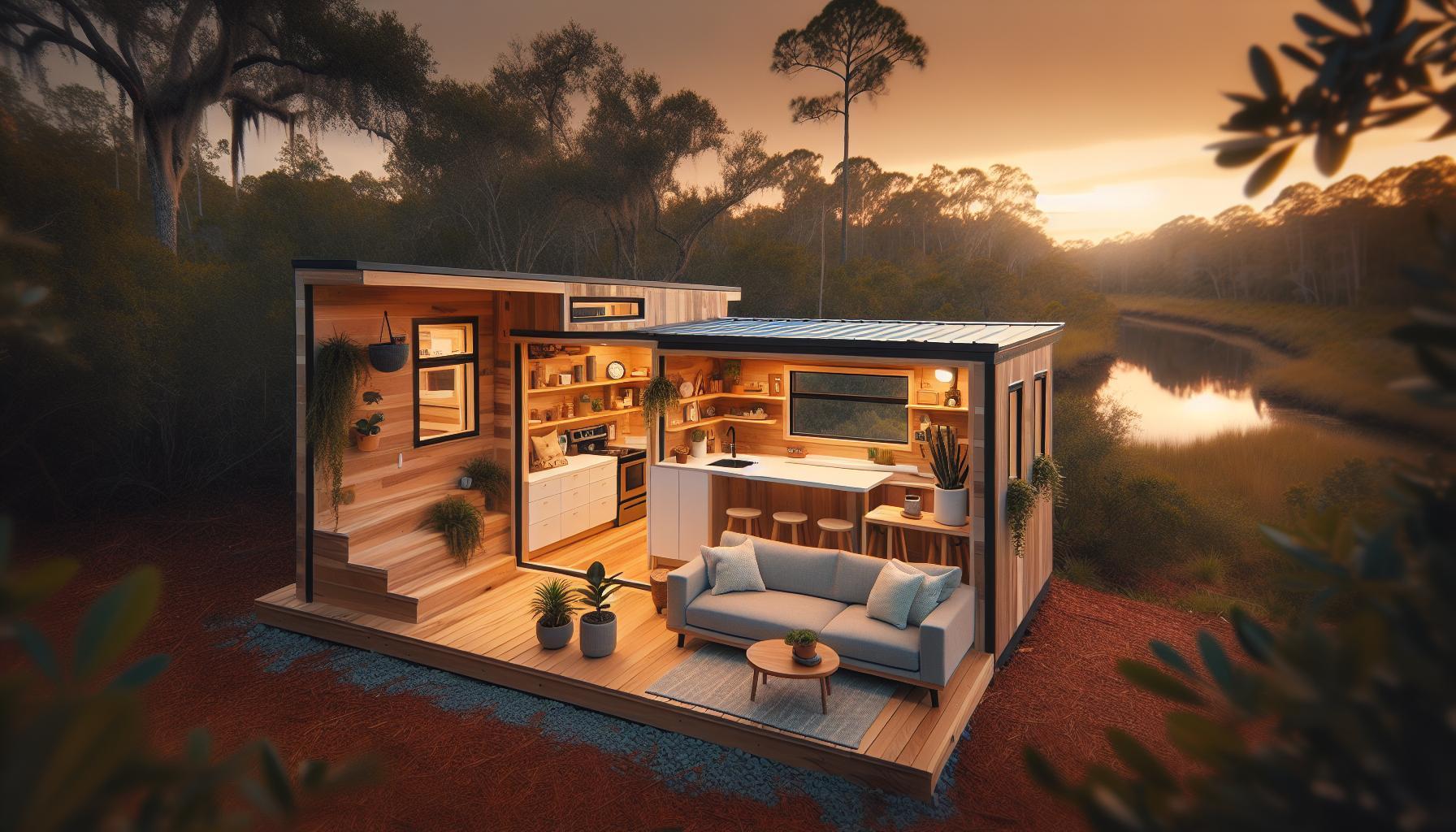

Dreaming of a tiny house in the sunshine State? While the allure of minimalist living in Florida is undeniable, navigating the local laws and regulations can be daunting. Understanding Florida’s building codes and zoning requirements is crucial for tiny house enthusiasts. This guide breaks down everything you need to know to turn your dream into reality.
Understanding Florida’s Zoning Laws for Tiny Homes
The allure of tiny homes continues to capture the imagination of many, promising a minimalist lifestyle and financial freedom. Though, before embarking on building a tiny house in the Sunshine state, it’s crucial to grasp the framework of florida’s zoning laws. These regulations vary significantly across different counties and municipalities, dictating where—and how—you can establish your tiny abode.
Key Zoning Considerations for Tiny Homes
When exploring the feasibility of constructing a tiny house in Florida, understanding the local zoning regulations is paramount. here are some key factors to consider:
- Permitted zoning Types: Tiny homes may fall under various zoning categories such as residential, mixed-use, or agricultural. some areas may allow tiny homes as accessory dwelling units (ADUs), while others strictly require standard single-family homes.
- Minimum Size Requirements: Many jurisdictions impose minimum square footage for homes. While tiny houses are often defined as being less than 400 square feet, local regulations may stipulate a larger minimum, so it’s essential to check.
- Setback and Lot Size Restrictions: each locality will have specific requirements regarding how far structures must be set back from property lines and the minimum lot size for building.Some areas may not provide enough space for a tiny home, which can limit your options.
- Building Codes: Florida has stringent building codes due to its susceptibility to hurricanes and severe weather. Adhering to these codes can influence the materials and design features of a tiny house.
Finding the Right Location
Navigating the patchwork of zoning regulations in Florida can feel overwhelming,but knowing where to look can make the process smoother. Here are some practical steps to follow:
- Research Local Laws: start by visiting your city or county government website for zoning maps and regulations specific to tiny homes.
- Consult Local Building Departments: Speak directly with local officials or planners to clarify any uncertainties regarding zoning and building codes.
- Engage with the Community: Connect with local tiny home builders or homeowners who can share their own experiences navigating zoning laws.
- Consider Alternative Living Arrangements: if traditional zoning laws pose challenges, look into RV parks, mobile home communities, or private property agreements that may allow tiny homes.
By understanding the complexities of Florida’s zoning laws, aspiring tiny home builders can better navigate the regulatory landscape and secure their dream home in the vibrant Sunshine State.
The Importance of Building Codes in Tiny House Construction
Building codes play a crucial role in the construction of tiny houses, ensuring that these compact living spaces meet essential safety and livability standards. As the popularity of tiny houses continues to rise, notably in regions like Florida, understanding and adhering to local building codes becomes paramount. These regulations not only outline the basic requirements for structural integrity but also address critical aspects such as plumbing, electrical systems, and waste management. By following these codes, builders can avoid costly legal trouble and ensure their tiny homes provide a safe and comfortable living environment.
Why Compliance Matters
Complying with building codes during tiny house construction is not just about following the law; it’s about fostering a safe community. Local authorities, influenced by state regulations, implement these codes to protect occupants from potential hazards such as electrical fires, plumbing failures, and structural collapses. For example, florida’s building codes require specific wind resistance measures due to the state’s vulnerability to hurricanes, making it necesary for tiny homes to incorporate features that can withstand severe weather conditions.Understanding these requirements is essential for anyone asking,”Can I build a tiny house in Florida? Sunshine State rules explained.”
Key Areas of Focus
When constructing a tiny house in Florida, several key areas should receive special attention:
- structural Integrity: Ensure compliance with load-bearing requirements to withstand local weather conditions.
- Electrical Systems: Follow proper installation guidelines for outlets, lighting, and appliances to avoid safety hazards.
- Plumbing: Adhere to regulations regarding waste disposal and water supply to maintain hygiene and environmental standards.
- Fire Safety: Install smoke detectors and adhere to guidelines for fire exits, particularly critically important in smaller, confined spaces.
A thorough understanding of these components will not only help in passing inspections but also contribute to the long-term success and safety of the tiny home.
Navigating Local Regulations
It’s imperative for prospective tiny house builders to research and navigate local zoning and permitting requirements. each municipality may have different rules regarding minimum square footage,placement of tiny homes on properties,and even restrictions on mobile versus stationary units.Utilizing resources like the International Codes or consulting with local building officials can offer clarity on the necessary steps to take when asking, “Can I build a tiny house in Florida?”
By committing to understand and implement building codes, tiny house enthusiasts can create livable, durable, and safe homes that contribute positively to their communities. This careful approach not only enhances the quality of the structures built but also helps sustain the momentum of the tiny house movement in Florida and beyond.
Navigating Permits: What You need to know
Understanding the intricate web of permits and regulations is crucial when embarking on the journey of building a tiny house in Florida. Engaging with local authorities and comprehending the permit requirements can either pave the way to your dream dwelling or serve as a important hurdle. To ensure a smooth construction process, it’s critically important to familiarize yourself with the necessary permits, zoning laws, and related considerations that can significantly alter your plans.
Types of Permits You May Need
When it comes to constructing a tiny house in Florida, various permits might potentially be required based on the location, size, and specific use of your structure. Here are the most common permits you should be aware of:
- Building Permit: This is generally required for any new construction.Your local building department will review your plans for compliance with Florida Building Code.
- Electrical Permit: If you’re planning to install electrical systems, particularly for off-grid living, an electrical permit is necessary.
- Plumbing Permit: Similar to the electrical permit, if your tiny house will feature any plumbing, this permit is mandatory.
- Zoning Approval: Check the local zoning regulations to ensure that tiny homes are permitted in your prospective area. This might require a variance in certain locales.
- Occupancy Permit: Once the construction is completed, you may need to secure an occupancy permit to legally inhabit your new tiny home.
Understanding Local Zoning Laws
Zoning laws play a pivotal role in determining where you can place your tiny house. As a notable example, some areas might only allow tiny homes as accessory dwelling units (adus) on properties that already have other primary residences.On the other hand, some rural zones of Florida are more lenient, allowing standalone tiny houses with fewer restrictions. To navigate these laws effectively:
- engage with the local planning department early in your planning process.
- Consult the complete plan of the county or municipality to understand the intended land use.
- Explore the possibility of “tiny house communities” in your area, which may have their own set of governing rules.
Steps to Obtain Your Permits
Securing the necessary permits doesn’t have to overwhelm you. Follow these actionable steps to streamline the process:
| Step | Description |
|---|---|
| 1 | Research Local Requirements: Understand specific regulations in your desired location, including any community guidelines. |
| 2 | Prepare Your Plans: Create detailed building plans that include layout,dimensions,and materials. |
| 3 | Submit Permit Applications: Complete and submit your permit applications with all required documentation. |
| 4 | Inspections: Prepare for inspections at different stages during construction to ensure compliance with safety standards. |
Following these guidelines not only ensures that you’re on the right path to compliant tiny house living but also sets a strong foundation for successfully pulling off your dream project in the Sunshine State. By navigating the permit landscape with careful planning and research, you’re well on your way to answering the often-asked question, “Can I build a tiny house in Florida?” with a resounding yes.
Choosing the right Location: Land considerations in Florida
Finding the perfect spot to build a tiny house in Florida is not just about choosing a picturesque view or a vibrant community; it’s also about navigating the complexities of land regulations and zoning laws. Before you rush to stake your claim in the Sunshine State,it’s crucial to consider a variety of factors that could affect your tiny house project.
Understanding Zoning Regulations
First and foremost, familiarize yourself with local zoning regulations, which can vary significantly between cities and counties. In Florida, certain areas are designated exclusively for residential, commercial, or agricultural use. To determine what’s permissible, check county or city planning websites, or consult with local zoning offices. some key points to consider include:
- Minimum lot size requirements
- Setback regulations from roads and property lines
- Permitted building types and height restrictions
Neglecting these regulations can lead to fines or even the removal of your tiny house,making due diligence essential in your planning phase.
Access to Utilities
Another pivotal consideration is how you plan to access essential utilities such as water, electricity, and sewage. many tiny house enthusiasts opt for off-grid living; though, if you plan to be connected to the grid, you need to ensure that the plot of land allows for such connections.Some practical steps to take include:
- Contact utility companies to inquire about installation costs
- Research local water sources, such as wells or community systems
- Consider designing your tiny house to accommodate solar panels if you’re going off-grid
In some cases, more remote locations may present challenges regarding utility connections, so be prepared to explore alternative solutions.
Impact of Local Climate and Environment
Florida’s climate and environmental conditions play a significant role in your land choice. From hurricanes to heavy rainfall, the region’s weather patterns can impact the longevity and safety of your tiny house. Assessing the land’s topography and drainage capabilities is crucial for avoiding flooding or land erosion.Here are some aspects to consider:
- Elevation and susceptibility to flooding
- Soil quality and foundation requirements
- Proximity to natural hazards, such as wetlands or flood zones
Consulting with local real estate experts or environmental engineers can provide insights into whether your prospective land is resilient enough to withstand Florida’s unique climate challenges.
| Consideration | Details |
|---|---|
| Zoning Regulations | Check local ordinances for building types and size restrictions. |
| Utilities | Ensure access to water, electricity, and sewage; consider off-grid options. |
| Climate | Assess land elevation and drainage to avoid flood risks and structural issues. |
By thoroughly evaluating these land considerations, you can greatly increase your chances of successfully answering the question, “Can I build a tiny house in Florida?” With a bit of research and planning, your tiny house dream can become a reality in this beautiful state.
Community and Association Rules Affecting Tiny Houses
When contemplating the dream of building a tiny house in Florida, one must navigate through a maze of community regulations and association rules that can significantly impact the feasibility of such projects. Tiny houses often advocate for simplicity, sustainability, and financial freedom, yet the reality of local zoning laws and homeowner association guidelines can pose challenges that require careful consideration and strategic planning.
Understanding Local Zoning Regulations
Each municipality in Florida has its own set of zoning regulations that dictate where tiny houses can be built. These regulations often determine the minimum size of a dwelling, the type of land it can be placed on, and whether it can be used as a primary residence or only as a temporary structure. In some cases, communities may be welcoming to tiny homes, especially in urban areas where space is at a premium, while rural areas might be less accommodating. It’s crucial for potential builders to check with local zoning boards or building departments to understand the specific rules that govern tiny houses in their desired area.
Such as, the city of St. Petersburg has emerged as a friendly zone for tiny house enthusiasts with its recent changes allowing tiny homes on residential properties. Conversely, other cities may restrict their size outright, effectively barring them from being built. Here are several things to consider:
- Check if the land is zoned for residential use.
- verify the minimum square footage required by local ordinances.
- Consult the local planning office regarding any specific tiny house legislation in place.
Homeowner Associations and Deed Restrictions
Even if a tiny house complies with local zoning laws, aspiring builders must also take into account the regulations set forth by homeowner associations (HOAs) and existing deed restrictions. These associations often have stringent guidelines regarding property aesthetics, home sizes, and types of structures permitted within the community. In some neighborhoods, the presence of a tiny house might not only violate the association’s rules but could also alter the existing home values or neighborhood vibe, prompting resistance from HOA boards and residents alike.
Understanding the specifics of these regulations is vital before purchasing land or committing to a tiny house project. Here’s a breakdown of steps homeowners can take:
- Review the governing documents of the HOA, specifically restrictions regarding construction.
- Engage with community members to gauge their openness toward tiny homes.
- Consider seeking a variance if the tiny home’s footprint does not conform to local regulations.
Real-World Examples
Several Florida communities are already embracing the tiny house movement, often by creating dedicated tiny house communities that incorporate a blend of sustainable living and modern conveniences. As a notable example, the community of “Tiny House Orlando” offers not only space for tiny homes but also a supportive network of like-minded individuals. In contrast, the protests against tiny homes in certain suburban neighborhoods highlight the ongoing struggle between innovative living solutions and traditional housing expectations.
Navigating through community rules and association regulations is crucial when asking, “Can I build a tiny house in Florida?” A comprehensive understanding of these factors will help prospective tiny home builders avoid common pitfalls and ensure a smoother journey towards achieving their tiny house dream.
Designing Your Tiny House: Tips for Florida’s Climate
Designing a tiny house in Florida requires careful consideration of the state’s unique climate and weather patterns. With its warm temperatures, high humidity, and the potential for hurricanes, creating a comfortable and resilient living space is essential. Effective design not only maximizes space but also ensures durability and livability, making your tiny home the perfect retreat amidst the Sunshine State’s natural beauty.
Key Design Considerations
To optimize your tiny house for Florida’s climate, keep the following factors in mind:
- Ventilation: Proper airflow is essential to combat humidity. Incorporating large windows, strategically placed vents, and ceiling fans can definitely help maintain a cool interior.Consider designs with high ceilings or lofted sleeping areas that promote airflow.
- Insulation: While Florida is warm, nights can be cooler, and efficient insulation will help regulate indoor temperatures year-round. Look for materials that work well in humid conditions, such as spray foam or eco-friendly cellulose.
- Roof Design: Opt for a sloped roof to efficiently shed rainwater and minimize the chances of leaks. Metal roofs are popular for tiny houses as they are durable and reflect sunlight, reducing heat buildup.
- Materials: Use weather-resistant materials on the exterior to withstand humidity and storms. Wood and fiber-cement siding are good choices, but ensure they are treated to prevent mold and decay.
Mitigating Hurricane Risks
Given Florida’s susceptibility to hurricanes, it’s crucial to incorporate resilient design features. Here are practical steps to bolster your tiny home’s safety:
| Design Feature | Description |
|---|---|
| Elevated Foundations | Build your tiny house on stilts or an elevated pad to protect it from flooding and storm surge. |
| Impact-Resistant Windows | Install windows made of impact-resistant glass to protect against debris and strong winds. |
| Wind-Resistant Structures | Implement a design that minimizes wind resistance, such as a low-profile silhouette without protruding features. |
By prioritizing these design considerations and safety features, your tiny house can thrive in Florida’s climate, ensuring comfort and protection for years to come. Whether you’re pondering the question, “Can I Build a Tiny House in Florida? sunshine state Rules Explained,” or you’re already on your building journey, these tips will help in crafting a space that harmonizes with the vibrant environment of Florida.
Financial Aspects of Tiny House Living in the Sunshine State
When considering the financial aspects of tiny house living in Florida, it’s essential to recognize how this lifestyle can possibly transform your financial landscape. Tiny houses offer an exciting alternative for those seeking affordability and sustainability, especially in a state known for its beautiful coasts and bustling cities. Though, building or purchasing a tiny home involves meticulous planning and understanding the costs associated with this unique lifestyle.
Initial Costs Versus Long-Term Savings
The upfront investment for a tiny house can vary significantly based on several factors, including location, materials, and design. on average, tiny homes cost between $20,000 and $100,000, depending on whether you opt for a DIY build or purchase from a manufacturer. Here are some typical expenses to consider:
- Land Acquisition: depending on where you choose to place your tiny home, land prices can fluctuate dramatically. In rural areas, you might find plots for $20,000 to $50,000, while urban locations can skyrocket.
- Building Permits: In Florida, permit costs can range from $100 to over $1,000 depending on local regulations. Understanding zoning laws is crucial as they dictate either tiny house legality or potentially necessitating modifications.
- Utilities: Connecting your tiny home to water, electricity, and sewage systems incurs additional costs. This can add anywhere from $2,000 to $10,000 based on local infrastructure.
While the initial costs can be significant, the long-term savings provided by tiny living are compelling. Lower utility bills, reduced property taxes, and significantly less maintenance can lead to major financial benefits over time.
Financing a Tiny Home in Florida
Securing financing for a tiny house can be more challenging than traditional homes. Many banks and mortgage lenders do not offer conventional loans for tiny houses due to their unique nature. Instead,prospective tiny home dwellers often turn to alternative financing options:
- Personal Loans: Unsecured personal loans can be viable,though interest rates tend to be higher.
- RV Loans: If your tiny house is on wheels, lenders may categorize it as an RV, making it eligible for RV loans.
- Credit Unions: These local financial institutions sometimes have more flexibility and might offer tailored financing options for unusual home designs.
Engaging with local lenders who understand the tiny house movement can provide significant advantages, including lower interest rates and a more cooperative loan process.
Comparative Cost Analysis
To further illustrate the financial benefits, consider the following table comparing traditional housing costs with those of tiny houses in Florida:
| Cost Category | Traditional House | Tiny House |
|---|---|---|
| Average Cost | $250,000 | $70,000 |
| Utility Costs (Monthly) | $300 | $100 |
| Property Taxes (Yearly) | $3,000 | $500 |
| Maintenance Costs (Yearly) | $2,500 | $500 |
This comparative overview highlights how tiny house living not only kicks off with lower initial investments but also fosters ongoing savings, making it a financially savvy decision for those embracing the minimalist lifestyle in Florida. thus, as you ponder “Can I build a tiny house in Florida? Sunshine State rules explained,” keep in mind that your financial traffic will shift towards a less burdensome path, paving the way for a more liberating and less stressful financial future.
Resources and Support for Tiny House Builders in Florida
Navigating the world of tiny house construction in Florida can be both exciting and daunting. With innovative design, minimalistic living, and sustainability at the forefront, prospective builders need to arm themselves with the right knowledge and resources.Fortunately, the Sunshine State has a variety of support systems and guidance available for those eager to embark on their tiny house journey.
Local Support Groups and organizations
Many communities in Florida are rising to the occasion by establishing groups that support tiny house builders. These groups often provide essential networking opportunities, workshops, and access to shared resources. Key organizations include:
- Florida Tiny House Enthusiasts: A social group that organizes meetups and shares tips on building and zoning regulations.
- Tiny House Community of Florida: Engages individuals through online forums and local events, focusing on advocacy for tiny house-friendly policies.
- Green Building Council Florida: Offers insights on sustainable building practices that align with tiny living principles.
Additionally, attending local home shows can connect builders with suppliers, contractors, and those with experience in tiny house construction.
Online Resources and Forums
Utilizing online platforms can provide invaluable information and support. Websites like Tiny House Talk and Tiny Living offer an array of articles, how-to guides, and best practices. These platforms can definitely help answer crucial queries such as “Can I build a tiny house in Florida?” by providing insights on zoning laws and code compliance.
Moreover, participating in forums such as Reddit’s r/TinyHouses can foster connections with seasoned builders who share their personal experiences, challenges, and triumphs. Engaging in these communities can lead to solutions that a new builder might not consider otherwise.
Professional Services and Consultants
When it comes to navigating Florida’s legal landscape concerning tiny houses, sometimes it’s best to seek professional help. Consider hiring a consultant who specializes in tiny house growth to help understand local building codes and zoning regulations. Their expertise will ensure that your project adheres to the necessary legal guidelines, thus saving time and preventing potential setbacks.
Consulting Services Can Include:
- Feasibility studies for various locations
- Assistance with permitting processes
- Design consultations to maximize small spaces while staying compliant
Such as, reaching out to architects or builders who have experience with tiny homes can yield innovative solutions tailored to Florida’s specific climatic and regulatory conditions.
By leveraging these resources and support systems, aspiring tiny house builders in Florida can effectively navigate the complexities of construction while remaining informed of their rights and options. The tiny house movement is not just about downsizing; it’s about finding a way to live a fulfilling, sustainable life in the Sunshine State.
FAQ
Can I Build a Tiny House in Florida? Sunshine State Rules Explained
Can I build a tiny house in Florida?
Yes, you can build a tiny house in Florida, but you must comply with local zoning laws and building codes. Each city or county has specific regulations that dictate where tiny houses can be placed, whether they must be on a foundation, and their size.
It is crucial to check the zoning ordinances in your intended area before starting your tiny house project. some areas may allow *tiny homes* as accessory dwelling units,while others may have restrictions based on minimum square footage or specific building standards. For further assistance, consider exploring resources on building codes and guidelines.
What are the zoning laws for tiny houses in Florida?
Zoning laws for tiny houses in Florida vary by municipality. Some towns have adopted regulations that accommodate tiny home communities, while others may classify tiny houses as temporary structures.
It’s essential to contact the local planning department to understand the specific zoning laws that apply to your desired location. You may need to present your building plan for approval, especially if you intend to create a new community of tiny homes. This ensures your project aligns with local development standards.
How do I find tiny house-friendly areas in Florida?
To find tiny house-friendly areas in Florida, research municipalities known for their acceptance of tiny living. Cities like Gainesville, Orlando, and St. Petersburg are frequently enough more accommodating.
You can also connect with local tiny house organizations and online forums. Many enthusiasts share their experiences, which can help you identify spot-on locations that support tiny house livability and community integration.
What is the minimum size for a tiny house in Florida?
The minimum size for a tiny house in florida generally ranges between 120 and 200 square feet,depending on local building codes and zoning requirements. Some areas may require a tiny house to adhere to specific minimum sizes.
It’s important to check local regulations for specific measurements. Additionally, some counties might have allowances for more flexible definitions of a tiny house, especially if built on a foundation or as part of a tiny house community.
Can I live in a tiny house in Florida year-round?
Yes, you can live in a tiny house in Florida year-round, provided it complies with local building and zoning codes. Communities that permit tiny houses will often have clear guidelines regarding permanent residency.
Be sure to verify specifics, such as sanitation requirements and utility connections, to maintain compliance. Also, consider establishing an official address for mail and services, making it easier for you to settle into minimalistic living.
Are ther tiny house communities in Florida?
yes, Florida has several tiny house communities offering an ideal setting for minimalist living. Such communities foster social connections while adhering to zoning regulations.
Researching these communities can provide invaluable insights into tiny living, including shared resources, networking opportunities, and group events. Some notable examples include Windhaven and Serenity Village, where tiny house enthusiasts can own or rent space.
In Retrospect
As we conclude our exploration of tiny house living in the Sunshine State, it’s clear that the journey toward building your own small sanctuary in Florida is both exciting and filled with challenges. Understanding local zoning laws, building codes, and community regulations is crucial—these will dictate where you can place your tiny home and how it must be built to comply with state standards.
Remember, embracing minimalism is not just about the space you occupy, but a lifestyle shift that encourages thoughtful living and sustainability. We’ve uncovered the essential steps to navigate the legal landscape, from securing permits to engaging with local homeowner associations.
If you’re feeling inspired to embark on this astonishing journey, take the time to dive deeper into your specific area’s requirements and connect with local tiny house communities. Engaging with fellow enthusiasts can provide valuable insights and support as you move forward.
The path to creating your dream tiny home is filled with learning and growth. So, continue to explore, ask questions, and gather information; every step brings you closer to achieving that minimalist dream. Happy building!