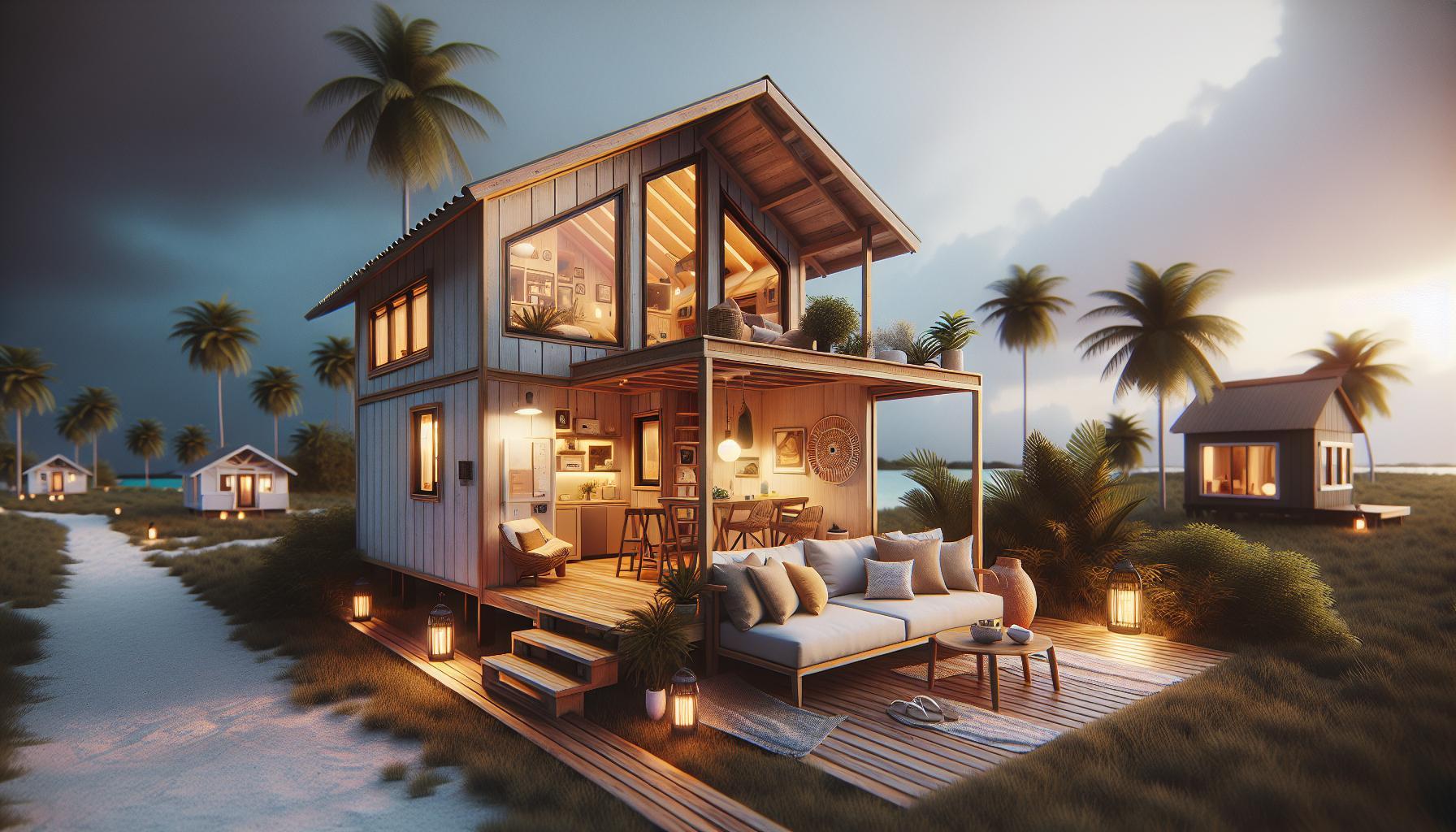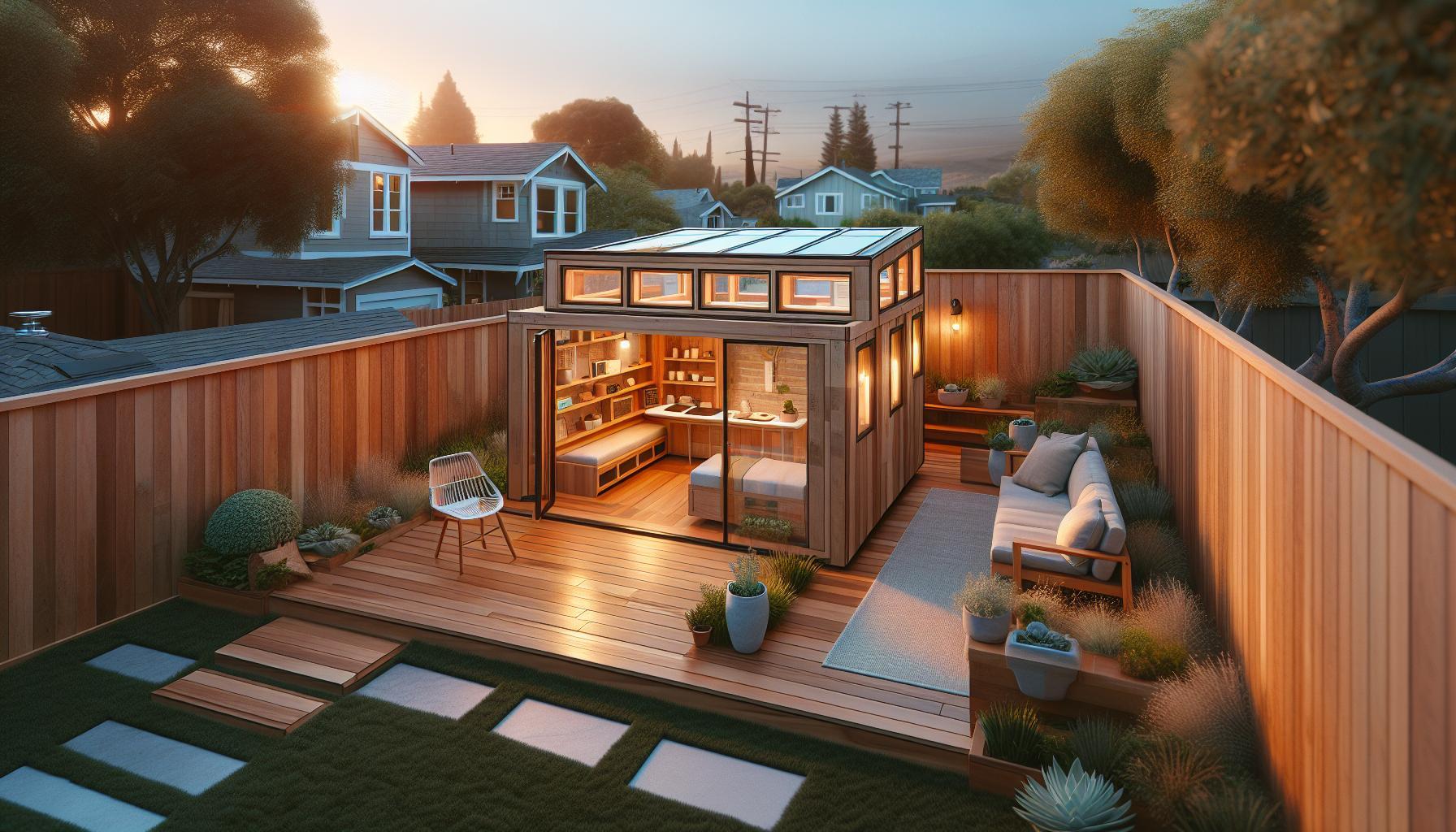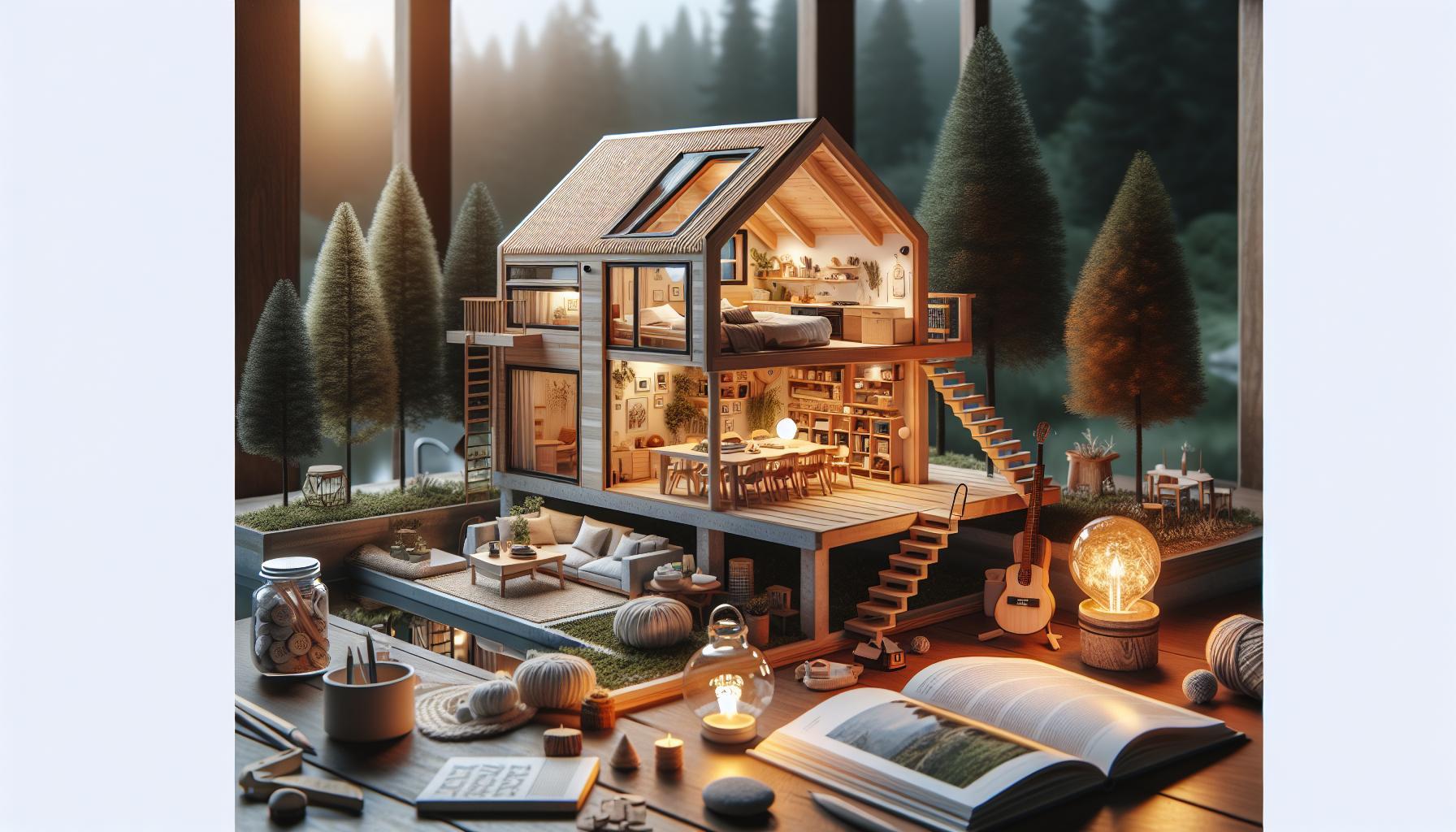

Thinking about living in a tiny home in Missouri? your not alone, as the tiny house movement is growing rapidly across the nation. However, understanding the legal landscape is crucial for potential homeowners. This article unpacks the regulations, zoning laws, and community considerations that impact tiny house legality in the Show-Me State.
Understanding Tiny House Zoning Laws in Missouri
In missouri, the landscape for tiny house enthusiasts is both diverse and dynamic, shaped by a variety of zoning laws that can differ significantly between municipalities. Understanding these regulations is essential when considering whether to embark on the tiny house lifestyle. Local governments are increasingly recognizing the appeal of tiny living, but they also grapple with how to integrate these smaller homes into existing frameworks typically designed for larger residences.
Many areas in Missouri classify tiny houses in different ways, often as accessory dwelling units (adus) or even as RVs. This classification influences the requirements for permits, utilities, and land use. For example, some counties might allow tiny homes on a permanent foundation while others may only permit them in designated RV parks or as temporary structures. Potential homeowners should start by researching local ordinances and may find it useful to establish contact with local planning departments.
Key Considerations for Tiny Home Zoning
When navigating tiny house zoning in Missouri, consider the following factors:
- Building Codes: Compliance with state and local building codes is crucial. These regulations can dictate everything from the design and size to safety standards.
- Land Use Designations: Understand the zoning classification of your desired parcel of land. Some areas may be designated exclusively for single-family homes, while others may allow for more versatility with tiny homes.
- HOA Rules: If the land is within a homeowners association (HOA) jurisdiction, additional rules may apply that could restrict tiny houses.
- Infrastructure Access: Evaluate the availability of necessary infrastructure, including sewage, water, and electricity services. This is often a significant determining factor in the legality of tiny home placement.
| Classification | Description |
|---|---|
| accessory Dwelling Unit (ADU) | Fully permitted tiny homes on individual lots, often with additional fees. |
| Recreational Vehicle (RV) | Temporary dwellings often not permitted for long-term living. |
| Mobile Home | Structured regulations that may apply if the tiny home is on wheels. |
As you explore your options, it might potentially be helpful to connect with local tiny house groups or forums. They can provide valuable insight and recommendations based on personal experiences. Ultimately, doing thorough research and engaging with local officials will be pivotal in successfully navigating the question of whether tiny houses are legal in Missouri.
Navigating Building Codes: What Tiny House Owners Need to know
Understanding the legal landscape is crucial for anyone looking to embrace the tiny house movement, especially in a state like missouri where regulations can vary significantly from one locality to another. With the rising popularity of minimalist living, tiny house owners in the Show-Me State must familiarize themselves with local building codes, zoning laws, and occupancy permits to ensure they are on the right side of the law.
Key Regulations to Consider
Before embarking on your tiny house journey, it’s essential to be aware of the different regulations that may apply. Here are some key components to consider:
- Building Codes: Moast jurisdictions have specific building codes that govern construction standards. These codes may dictate everything from the materials used to the type of energy systems permitted.
- Zoning Laws: Zoning regulations determine where you can place your tiny house. Some areas may classify tiny homes as recreational vehicles rather than permanent residences, affecting where they can be parked or built.
- Occupancy Permits: If your tiny house is intended for long-term living, you may need to apply for an occupancy permit, which ensures the dwelling meets safety standards.
research Local Zoning and Building Codes
Each municipality in Missouri may have unique rules governing tiny houses. Conduct thorough research on the specific city or county regulations in your area. Resources such as the local planning department or building authority’s website can provide essential information regarding:
| City/County | Building Code Type | Zoning Classification | Occupancy Permit Required |
|---|---|---|---|
| St. Louis | Standard Residential | Residential | Yes |
| Kansas City | Modified Residential | Single-Family | No |
| Springfield | standard Residential | Mixed-Use | Yes |
Engage with Your Community
Networking with other tiny house owners and local advocates can provide invaluable insights and support. Joining groups, attending meetings, or connecting through social media can help you learn from the experiences of others who have navigated similar challenges. Advocacy organizations frequently enough focus on promoting fair regulations for tiny homes and can guide you through the legislative landscape.By equipping yourself with the right knowledge and resources, you can confidently pursue your tiny home dream in Missouri, ensuring compliance with the question of “Are tiny Houses Legal in Missouri? Show-Me State’s Tiny Home Playbook” while creating a sustainable and fulfilling lifestyle.
The Role of Local Governments in Tiny Home Regulations
In the realm of tiny home living, local governments play a pivotal role in defining what is permissible within their jurisdictions. Their regulations can significantly influence the viability of tiny houses, especially in Missouri, where the existing laws may pose challenges or opportunities for enthusiasts ready to embrace this downsized lifestyle. Understanding the local framework is essential for anyone considering the question, “Are Tiny Houses Legal in Missouri? Show-Me State’s Tiny Home Playbook,” as it can clarify how to navigate the complexities of zoning, building codes, and ordinances that can either promote or hinder tiny home developments.
Municipalities in Missouri have the authority to create specific zoning laws that dictate where tiny homes can be established. often, these regulations categorize tiny houses as either permanent dwellings or as mobile units, which brings about varying degrees of acceptance and legality. For instance, tiny homes on wheels (THOWs) are frequently classified as recreational vehicles, which may require unique parking regulations and facilities, limiting their placement to designated RV parks or specific residential areas. Rural areas might be more lenient, allowing tiny homes on foundations as accessory dwelling units (ADUs), while urban environments may impose greater restrictions, underscoring the necessity of local government engagement in the zoning discourse.
Moreover, local governments are responsible for enforcing building codes that ensure safety and livability in tiny homes. These codes can set minimum requirements for plumbing, electrical systems, insulation, and disaster resilience, which can be particularly stringent in urban settings. As tiny homes gain popularity, city planners and local officials may need to adapt the regulatory framework to accommodate these units without compromising community standards. Engaging with local planning commissions or city councils can often yield important insights and pave the way for more inclusive policies that recognize the need for affordable and innovative housing solutions.
To successfully navigate the legal landscape, prospective tiny home owners in Missouri should consider the following actionable steps:
- Research local zoning laws: Investigate specific regulations in your desired area to understand where tiny homes are permitted.
- Engage with local officials: Attend town hall meetings or reach out to city planners to discuss tiny home integration into the community.
- Build community support: Connect with fellow tiny home enthusiasts to advocate for more flexible regulations that promote tiny living alternatives.
- Consult experts: Seek advice from real estate attorneys or tiny home builders who are familiar with local codes and can provide guidance.
By understanding the crucial role of local governments in shaping tiny home regulations, individuals can better position themselves to navigate this evolving landscape, ensuring a smoother path in their journey toward tiny house living in Missouri.
Tiny House Communities: Opportunities and Challenges in Missouri
The rise of tiny house living has captured the interest of many, particularly those seeking a simpler, more sustainable lifestyle in Missouri. While the idea of reducing one’s footprint is appealing, potential tiny homeowners must navigate the complexities of local zoning laws and community regulations. Thus, understanding the unique landscape of tiny house communities in the Show-Me State is essential for those contemplating this lifestyle.
Opportunities in Tiny House Communities
One of the primary draws of tiny house communities is their shared sense of camaraderie and support among residents. In missouri, several emerging tiny house communities offer opportunities for connection, where like-minded individuals can share resources and ideas. Such communities frequently enough prioritize sustainable living, encouraging residents to adopt environmentally friendly practices ranging from composting to community gardens.Additionally, these communities can serve as a platform for events, workshops, and social gatherings that foster a sense of belonging.
Moreover, Missouri’s relatively low cost of living can make purchasing or renting a tiny home within these communities financially attractive. Many offer amenities that can offset expenses, such as communal cooking areas and shared facilities. This collective approach not only alleviates individual financial burdens but also enhances the living experience through shared responsibilities and social interactions.
Challenges to Consider
While the communal aspect of tiny house living offers many benefits, potential residents must also be aware of the challenges. Zoning laws in Missouri can pose significant hurdles to establishing tiny house communities. Many local governments are still adjusting to this trend, often resulting in restrictive regulations that can limit where tiny homes can be placed. Before committing to a community, it is indeed crucial to research local ordinances and ensure that the chosen community complies with legal requirements related to land use.
Furthermore, finding a community that aligns with personal values and lifestyle preferences can be challenging. Not all tiny house communities are created equal; some might focus on minimalist living while others may emphasize eco-friendliness or communal living. Prospective residents should visit various communities, participate in local meet-ups, or even engage through online forums to evaluate which community best fits their vision and lifestyle.
while Missouri offers a promising landscape for tiny house communities with numerous opportunities, potential residents should approach with thorough research and careful consideration of local regulations. Engaging with existing communities, understanding legal frameworks, and assessing personal needs will be pivotal steps in successfully navigating the tiny home movement in the Show-Me State.
Essential Permits and Inspections for Your Tiny Home Build
Building a tiny home can be an exciting journey toward minimalism and sustainable living,but before you can lay that first foundation stone,there’s a critical path to navigate through legalities. Securing the correct permits and undergoing inspections in Missouri is key to ensuring your tiny house project not only complies with local standards but also paves the way for a hassle-free living experience.
Understanding Local Regulations
Missouri embraces a diverse range of regulations depending on the county or city,which means that tiny house legality can vary significantly. To get started, it’s important to research the specific zoning ordinances in your area. Here’s a step-by-step approach:
- Check Zoning Laws: Delve into the zoning classifications that apply to your desired plot of land. Some areas may permit tiny houses on wheels as RVs, while others may classify them as permanent residences.
- Contact Local Authorities: Engage with your city or county’s planning and zoning department. You can often find a list of required permits directly on their website, or you can speak to a representative for tailored guidance.
- Review Building Codes: Understand the building codes that apply to tiny homes in your area. Missouri’s building regulations are intended to ensure safety and may include specifics about structure, safety equipment, and utilities.
Essential Permits You May Need
When it comes to the specific permits necessary for your tiny home, you might encounter several types that ensure your build is compliant. While these can vary, here’s a common list to consider:
| Permit Type | Description |
|---|---|
| Building Permit | required for any construction work, this permit ensures that your home complies with safety standards. |
| Electrical Permit | If you’re installing any electricity in your tiny home, you’ll need this permit to ensure compliance with electrical codes. |
| Plumbing Permit | This permit is necessary if your tiny home includes a sewer system, water connection, or any plumbing work. |
| Septic Permit (if applicable) | For homes outside city limits, establishing a septic system may require a specific permit. |
Preparing for Inspections
Once you’ve secured the necessary permits, expect to undergo various inspections throughout the building process. These inspections typically evaluate compliance with building codes and permit regulations. The primary types you’ll need are:
- Foundation Inspection: Before pouring concrete or laying down a base,this inspection checks for proper footprint and depth.
- Rough Inspection: Conducted after framing, plumbing, and electrical work, this ensures that all structures are built according to the approved plan.
- Final Inspection: Once your tiny home is complete, a final inspection verifies that everything has been built correctly and is safe for habitation.
Planning for and understanding essential permits and inspections not only guarantees compliance with Missouri’s building regulations but also maximizes your chances of building the tiny home of your dreams without unforeseen legal issues. Through diligent preparation, you can transform the exciting concept of living in a tiny home into a tangible reality.
Setting Up Utilities: Legal Considerations for Tiny Homes
Establishing utilities in a tiny home presents not only practical challenges but also a maze of legal considerations that aspiring tiny home dwellers must navigate. In Missouri, the decision to live in a tiny house is intertwined with various regulations and utility setup requirements that vary by location. When contemplating whether tiny houses are legal in Missouri, homeowners should be fully aware of how these regulations can affect their living situation.
Understanding Local Regulations
Before setting up utilities, it’s crucial to familiarize yourself with local building codes and zoning regulations. Many municipalities in Missouri have specific guidelines regarding the type of utility services allowed for tiny homes. Here’s what you should consider:
- Building Codes: Tiny houses often need to adhere to state building codes that dictate the design and construction of the home. Check whether your tiny home meets international residential codes or local regulations.
- Zoning Laws: each municipality may have different zoning laws that could restrict the installation of utilities unless your tiny home is legally classified as a dwelling. Research your area’s zoning classifications to ensure compliance.
- Utility Providers: Contact local utility companies to find out what services they offer and the requirements for connection. This can range from water, electricity, waste management, and internet services.
Securing Essential Utilities
When approaching utility setup for your tiny home, several practical steps can streamline the process while ensuring you remain compliant with local laws:
| Utility type | Key Considerations | Potential Challenges |
|---|---|---|
| Water | Check the availability of municipal water services or consider creating a rainwater collection system. | installation permits may be required, and regulations may limit how water systems are set up. |
| Electricity | Establish a connection with the local electricity provider or consider off-grid solar solutions. | Some areas may restrict off-grid setups due to local regulations. |
| Sewage | Explore connecting to the municipal sewer system or setting up a permitted septic system. | Septic system installation requires compliance with local health codes. |
Engaging with the Community
Joining tiny home communities or forums can also provide insights into best practices for utilities in tiny home living. Many tiny homeowners in Missouri share their experiences regarding the legal nuances and practical challenges they encountered while setting up their utilities. Engaging with these communities can offer invaluable information about innovative solutions and alternative resources that comply with local laws. Whether through online platforms or local meetups,connecting with others can ease the transition into tiny home living and help you stay informed on any changes concerning tiny houses’ legality in Missouri.
Every tiny home journey is unique, but understanding the legal implications of setting up utilities can make the difference between a smooth transition into tiny living and a series of unforeseen obstacles.
Financing Your Tiny House: Options and Requirements in the Show-Me State
Financing a tiny house in Missouri presents unique challenges and opportunities, particularly given varying regulations and lending practices in the Show-Me State. Understanding your options is crucial to making your dream of living in a tiny house a reality.With tiny homes gaining popularity due to their affordability and eco-friendliness, many potential homeowners may not be aware of the financial avenues available to them.
Conventional Loans
Many people consider traditional mortgages for financing their tiny homes, though this can be tricky as most lenders are unfamiliar with the tiny house market. Here are some common types of loans to consider:
- conventional Mortgages: some banks may offer conventional loans for tiny houses, particularly if they are built on a permanent foundation and comply with local building codes.
- RV Loans: If your tiny home is on wheels, an RV loan might be your best option. These loans typically have different requirements and might be easier to obtain for mobile tiny homes.
- Personal Loans: Personal loans can be used to cover the cost of a tiny home. They usually have higher interest rates compared to secured loans but offer speedy access to funds.
Alternative Financing Options
When traditional financing isn’t suitable,alternative methods can also help turn your tiny house aspirations into reality. Here are some options to explore:
- Crowdfunding: Platforms like GoFundMe or Indiegogo allow you to raise funds from family,friends,and even strangers who support your tiny house vision.
- Peer-to-Peer Lending: Websites like LendingClub connect borrowers with investors willing to fund their projects, often with more flexible terms than banks.
- Grants: Some organizations offer grants for tiny homes focused on sustainable living or community development. Research local initiatives to see if you’re eligible.
Requirements to Keep in Mind
Before pursuing financing, it’s essential to be aware of various requirements that could affect your ability to secure funds for your tiny house:
| Requirement | Description |
|---|---|
| credit Score: | A good credit score is often critical for securing any type of loan. aim for a score above 680 for better loan options. |
| Stable Income: | lenders will typically look for proof of stable income. A steady job or income source can significantly improve your chances. |
| Down Payment: | Many lenders require a down payment that can range from 10% to 20% of the total cost, depending on the type of financing. |
| Local Building Codes: | Ensure your tiny house complies with missouri’s building codes, as this can influence lender appetite and terms. |
By exploring these financing options and understanding their requirements, you can better navigate the path to owning a tiny house in Missouri. Whether you’re opting for a traditional mortgage or considering alternative finance methods, knowledge truly is power in making your tiny living dreams come true in the Show-Me State.
Embracing Minimalist Living: The Legal and Lifestyle Benefits of Tiny Houses
Imagine reducing your living space to less than 400 square feet while still enjoying a lifestyle filled with freedom and simplicity. Tiny houses, often associated with minimalist living, are rapidly gaining popularity, particularly in states like Missouri, where legal frameworks are evolving to accommodate these compact dwellings. The movement champions not only a reduction in personal property but also a shift towards a more sustainable lifestyle, emphasizing the value of experiences over possessions.
Legal Framework and Its Impact
In many areas,tiny houses faced significant legal challenges regarding zoning and building codes. In Missouri, local regulations are becoming increasingly friendly towards tiny homes. The Show-Me State is seeing changes that allow for more flexible zoning classifications, enabling tiny homes to be placed on personal property or within designated tiny home communities. These developments illustrate a notable trend towards inclusivity of unique dwelling types in municipal planning, making it easier for individuals to legally reside in tiny homes without the fear of fines or forced removals.
Lifestyle Benefits of Minimalism
Choosing a tiny house signifies embracing minimalism—a lifestyle that prioritizes intentional living. here are some of the compelling lifestyle benefits associated with this choice:
- Financial Freedom: The reduced size of tiny homes typically leads to lower construction and maintenance costs,allowing homeowners to eliminate debt and invest in experiences rather than material goods.
- Environmental Sustainability: Tiny homes require fewer resources for construction, consume less energy, and promote a smaller carbon footprint, aligning perfectly with eco-conscious living.
- Increased Mobility: Many tiny homes are built on trailers, offering the flexibility to relocate easily without the hassle of packing up an entire household.
- Clutter Reduction: Living in a tiny space challenges individuals to minimize their possessions, leading to a more organized and serene living surroundings.
Practical Steps for Transitioning
For those considering a shift to tiny living, there are practical steps to facilitate this change. Research local zoning laws that impact tiny house living in Missouri, as understanding the legal landscape can significantly influence your home-buying decisions. Engage with existing tiny home communities to gather insights and learn from current residents about the benefits and challenges they face. Additionally, develop a decluttering strategy to transition from a larger space; this will help you gain clarity on what truly adds value to your life.
the trend of tiny houses illustrates a broader philosophical shift towards valuing quality over quantity. As the discussion around the legality of tiny homes in Missouri evolves,so too does an increasing recognition of the practical and sustainable benefits of this unique lifestyle.By embracing minimalist living, individuals not only find joy in simplicity but also contribute to a more sustainable future.
Q&A
Are Tiny Houses Legal in Missouri?
Yes, tiny houses are legal in Missouri, but local laws can vary significantly. Each county or city may have distinct regulations regarding zoning, building codes, and permits which affect tiny home construction and placement.
To navigate these regulations, it’s crucial to consult local authorities before building or relocating a tiny house. Consider visiting the Missouri Department of Economic Development website for more details on local building codes.
What are the zoning requirements for tiny houses in Missouri?
Zoning requirements for tiny houses in Missouri vary by location and are often specific to cities or counties. Typically, these regulations determine where tiny houses can be placed and whether they are permitted as permanent or temporary residences.
For instance, some areas allow tiny homes in specific zones like residential or agricultural, while others may strictly enforce requirements for minimum square footage. Always verify local zoning ordinances, as these can greatly influence your tiny house project.
Can I live in a tiny house on wheels in Missouri?
Yes, you can live in a tiny house on wheels in Missouri, but compliance with local regulations is essential. Some jurisdictions treat tiny houses on wheels as recreational vehicles (RVs) while others may allow them as permanent residences under specific conditions.
Check with local authorities for requirements like parking permits, inspection certifications, or zoning restrictions that may impact your ability to reside in a tiny home on wheels.Understanding these guidelines will help you avoid legal complications.
Why does the legality of tiny houses in Missouri matter?
the legality of tiny houses in Missouri matters for safety, financial, and lifestyle considerations. Legal issues can affect where and how you live, the cost of construction, and your ability to develop a sustainable tiny home environment.
Understanding local laws not only helps you avoid fines or legal complications,but it also enables you to enjoy the freedom of minimalist living effectively. For a deeper dive into Missouri’s regulations,be sure to read our comprehensive Show-Me state’s Tiny Home Playbook.
What building codes apply to tiny houses in Missouri?
Building codes for tiny houses in Missouri can differ based on local jurisdictions and may include safety standards, plumbing, and electrical requirements.
Many areas adhere to either the International Building Code (IBC) or local amendments that could impose different specifications.
Before beginning construction, it’s vital to understand which codes are applicable in your area to ensure compliance. Consulting with a local building inspector or planning office can provide clarity on these legal requirements.
How can I find tiny house communities in Missouri?
You can find tiny house communities in Missouri through online research and local listings. Multiple websites and social media groups are dedicated to connecting tiny house enthusiasts and showcasing available communities.
Exploring platforms such as Facebook, Meetup, or Pinterest can yield valuable insights into existing tiny house developments and networking opportunities. additionally, visiting local tiny home shows may help you find communities that align with your living preferences.
Closing Remarks
As we’ve explored in this guide, the legality of tiny houses in Missouri hinges on a mix of zoning laws, building codes, and local ordinances. By understanding these regulations and embracing the nuances of tiny home living in the Show-Me State, you can navigate the challenges ahead with confidence. Whether you are inspired by the minimalist lifestyle or looking to downsize for financial freedom, knowing the ins and outs of tiny house legality is crucial.
remember, while the dream of a tiny home is exciting, it’s essential to stay informed and connected to local resources that can aid your journey. Engage with local tiny house communities, attend workshops, and consult with professionals who specialize in this unique housing movement. Your path toward tiny living is not just about downsizing physical space—it’s also about enhancing your quality of life.
We encourage you to continue exploring, asking questions, and seeking knowledge as you embark on this rewarding journey. The tiny house movement offers not just a practical solution, but a beliefs that embraces simplicity and sustainability. So,dive deeper into the world of tiny houses,and let your dream of minimalist living take shape right here in Missouri.