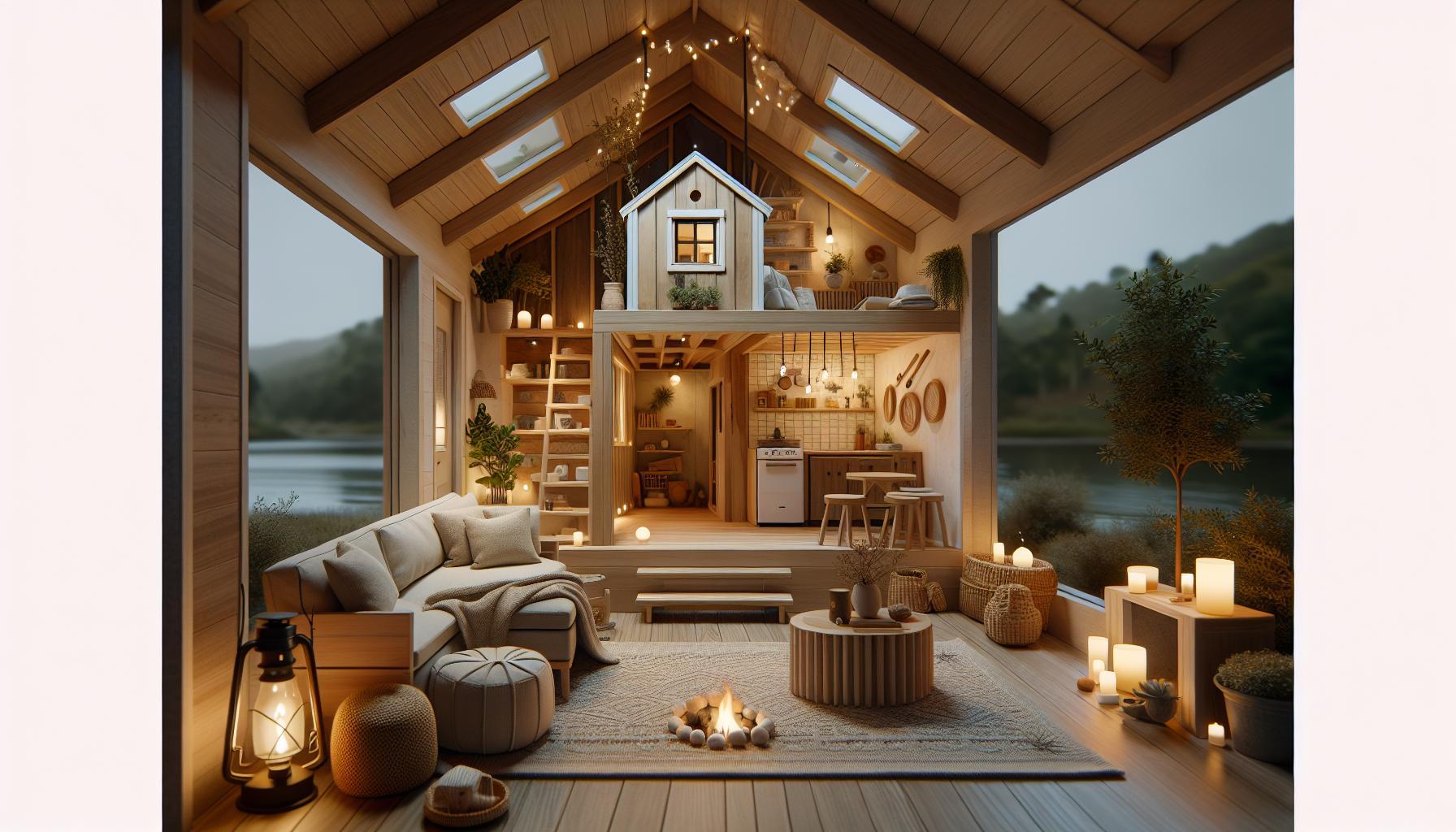
Thinking of embracing the tiny house lifestyle but unsure if these compact homes are welcome in RV parks? As more peopel seek flexible living solutions, understanding the zoning regulations and community policies becomes crucial. This guide will help you navigate the complexities of parking your tiny house while ensuring you find the perfect spot to settle in.
Understanding the legal Landscape for Tiny Houses in RV Parks
Navigating the legal landscape for tiny houses in RV parks can be a complex endeavor, especially as the popularity of this minimalist lifestyle continues to rise. Many potential tiny house owners ask themselves,“Are tiny houses allowed in RV parks?” In truth,the answer often depends on local zoning regulations,park policies,and state laws. Understanding these factors is crucial for anyone looking to find their perfect parking spot.
Local Zoning Regulations
Local zoning regulations play a significant role in determining whether tiny houses can reside in RV parks. Most municipalities have specific definitions of what constitutes a recreational vehicle (RV) versus a permanent residence, which can affect tiny house accessibility. Here are some components to consider:
- Zoning designations: Check whether the RV park is located in a zone that permits tiny houses. Areas designated for residential use may have stricter codes.
- Size requirements: Many RV parks have minimum square footage requirements, which may conflict with the compact nature of tiny houses.
- Permitting: Some areas require tiny houses to obtain specific permits, while others might not recognise them as conventional housing.
Table 1 illustrates some common zoning designations and their implications for tiny houses:
| Zoning Designation | Implication for Tiny Houses |
|---|---|
| Residential | Usually not allowed unless under specific conditions or permits. |
| Commercial | Perhaps allowed, depends on park policies. |
| manufactured Home/RV Park | Generally favorable conditions for placement. |
Park Policies and Rules
Even if local zoning laws permit tiny houses in RV parks, individual parks may have their own rules. Always review the park’s policies to ensure compliance. Here are some typical considerations:
- Length of Stay: Many RV parks limit stays to short-term durations, which can conflict with the intent of living in a tiny house as a permanent residence.
- Utilities: Confirm that the park offers necessary amenities like water, electricity, and waste disposal that are compatible with tiny homes.
- Design Restrictions: Some parks have aesthetic guidelines that dictate the appearance of the living units, including tiny houses.
Real-World Examples
Many communities across the U.S. have started to embrace tiny homes, creating dedicated RV parks that cater specifically to this lifestyle.Such as,parks in California often feature tiny home villages where zoning regulations align favorably,enabling residents to enjoy a supportive surroundings for their homes. Conversely, in states like Florida, some RV parks remain resistant to tiny homes due to stringent local regulations.
understanding both local zoning regulations and individual park policies is essential for those wondering “Are tiny houses allowed in RV parks?” Conduct thorough research and consider reaching out to park management or local planning departments to clarify any uncertainties before making a commitment to such a lifestyle.
Key Differences Between Tiny Houses and Traditional RVs
When it comes to mobile living, two options have gained significant popularity: tiny houses and traditional RVs. Both offer a minimalist lifestyle, but they differ vastly in terms of design, functionality, and the legalities surrounding where they can be parked. Understanding these distinctions is essential, especially if you’re considering parking in places where one might potentially be more welcome than the other, like RV parks.
Design and Structure
One of the most striking differences lies in their design and structural integrity. tiny houses are often built as permanent structures on a foundation or a trailer,resembling miniature homes crafted from wood,steel,or even recycled materials. These homes prioritize aesthetics and comfort with features such as full kitchens, bathrooms, and living spaces that can rival traditional homes. Conversely, traditional RVs are typically designed for mobility, featuring streamlined designs that prioritize efficiency and convenience. They often come with foldable or convertible spaces but lack the same level of customization and quality found in tiny houses.
- Tiny Houses: Built to resemble homes, frequently enough with permanent utilities.
- RVs: Streamlined and mobile, focused on flexibility with limited space.
Legal Considerations
The legal landscape is another area where tiny houses and RVs sharply contrast. Many RV parks and campgrounds are specifically designed for traditional RVs, meaning they have regulations that typically accommodate the mobile nature of these vehicles. Tiny houses,conversely,may struggle to find adequate parking spots within these parks due to zoning laws that often differentiate between mobile and stationary living arrangements. Some RV parks may welcome tiny houses, but this can vary significantly depending on local regulations.
| Feature | Tiny Houses | Traditional RVs |
|---|---|---|
| Design | Resembles a small home, often functional and aesthetically pleasing. | Compact and mobile, designed for travel and convenience. |
| Mobility | less mobile; may stay in one place long-term. | Highly mobile; built for frequent travel. |
| Parking Legality | Varying acceptance in RV parks; may need to adhere to housing codes. | Generally accepted in RV parks and campgrounds. |
| Customization | Highly customizable based on lifestyle needs. | Limited customization; more standard layouts. |
Understanding these key differences is vital,especially if you’re exploring the nuances of tiny houses and their placement in RV parks. The distinctions can influence both your living experience and your search for the right parking spot, making knowledge around the topic essential for anyone interested in the tiny living movement or the RV lifestyle.
Essential Factors to Consider When Choosing an RV Park
When it comes to exploring the open road in your tiny house or RV, finding the right place to park is crucial for a seamless adventure. Not all RV parks are created equal, and certain factors can make a significant difference in your experience. Understanding local regulations, amenities, and overall compatibility with your lifestyle is essential for ensuring that you not only find a place to stay but also enjoy your journey to the fullest.
Regulatory Considerations
Before selecting an RV park,it’s imperative to investigate local laws governing tiny houses.Some areas have specific zoning regulations that determine whether tiny houses can reside in RV parks. consider the following:
- Local Zoning Laws: Research municipal codes to confirm if tiny houses are categorized as RVs or if they fall under different housing classifications.
- Park Policies: Each RV park may have its own set of rules and restrictions regarding the type and size of units allowed. Always ask for a copy of the park’s policies prior to making a reservation.
Amenities That Matter
Amenities can significantly impact your stay and lifestyle while parked. When choosing an RV park, evaluate the facilities offered. Some commonly sought-after amenities include:
| Amenity | Impact on Experience |
|---|---|
| Full Hook-ups (Water, Electric, Sewer) | Ensures ease of living and comfort, allowing for longer stays with fewer inconveniences. |
| Wi-Fi Access | Crucial for remote work, streaming, and staying connected with loved ones. |
| Recreational Facilities | Adds value to your stay, providing options for relaxation and recreation such as pools, fire pits, and picnic areas. |
| Pet-Friendly Policies | Essential for those traveling with pets,making it easier to accommodate furry companions. |
Location and Accessibility
The location of the RV park will greatly influence your overall travel experience. consider the following factors:
- Proximity to Attractions: Choose a park that is conveniently located near your desired attractions, whether they are natural wonders or urban experiences.
- Accessibility: Assess the roads leading to the park. Make sure they can accommodate the size of your tiny house or RV, especially if you expect to navigate rough or unpaved terrain.
Finding a perfect parking spot that fits your tiny house or RV is not just about the park itself; it’s about ensuring that your chosen destination aligns with your adventure goals. By considering these essential factors, you can make informed decisions and enjoy a memorable journey tailored to your unique travel style.
Navigating Local Zoning Laws for Tiny House Parking
Finding the ideal parking spot for your tiny house can often be a daunting task, primarily due to the intricate web of local zoning laws. Each municipality sets its own regulations regarding land use and can significantly influence where you can park your tiny home. understanding these legal frameworks is essential if you want to ensure that your tiny living experience is both enjoyable and compliant with local ordinances.
Local zoning laws determine how land can be utilized and can classify areas into residential, commercial, or recreational zones. for many tiny house owners, especially those asking, “Are Tiny Houses Allowed in RV Parks? Finding Your Perfect Parking spot,” it is indeed crucial to identify areas that permit choice housing options. Many towns have specific zones designated for RVs or similar structures, making it imperative to check with local authorities before settling on a parking spot. Engage with local zoning offices or consult official websites to access current zoning maps and codes that can definitely help you navigate these rules effectively.
Key Considerations for Tiny House Parking
When searching for appropriate parking, keep the following factors in mind:
- Research Local Regulations: Start with understanding the specific zoning code for your desired area. You might find that some locations explicitly permit tiny homes in designated zones, while others have restrictions.
- Permits and Approvals: If you find a suitable spot, be prepared to apply for relevant permits. Some jurisdictions may require you to secure an occupancy permit or submit your tiny home for inspection.
- HOA and Community Rules: If you’re considering parking in a community or an RV park, it’s important to review the Homeowners Association (HOA) regulations or park rules, which might impose additional restrictions.
- Utility Access: Assessing access to utilities like electricity, water, and sewage is crucial. Many RV parks are well-equipped for these needs, making them a convenient choice for tiny house dwellers.
Many states have been revising their zoning laws to accommodate tiny houses better, recognizing the growing trend towards minimalist and sustainable living. To give you a clearer picture, let’s examine a few notable examples:
| State | Allowed in RV Parks | Notes |
|---|---|---|
| California | Yes | Many parks are beginning to embrace tiny houses as a form of long-term living. |
| Florida | Yes | Specific regulations may apply based on county zoning laws. |
| Texas | Varies by location | Some municipalities allow tiny homes in RV parks,others do not. |
Equipped with this knowledge, you’re better prepared to tackle the question, “Are Tiny Houses Allowed in RV Parks? Finding Your Perfect Parking Spot.” It’s recommended to connect with local tiny house groups or forums which can provide insights and share personal experiences regarding zoning laws and parking options. This community support can be invaluable in helping you find a suitable and legal spot for your tiny house, ensuring a seamless transition into your new lifestyle.
Tips for Communicating with RV Park Management
When navigating the world of RV parks, effective communication with management can significantly influence your experience, especially when you’re inquiring about tiny houses and their suitability for such spaces. A well-structured approach can make a world of difference in getting the answers you need regarding policies,availability,and site specifications.
Be Prepared with Questions
before reaching out to RV park management, compile a list of thoughtful questions that cover all aspects you are concerned about. Consider including:
- Park Rules: Are there specific regulations regarding the size and exterior of tiny houses?
- Utilities: What utilities are available, and are there extra fees for hookups?
- Duration of Stay: Is there a maximum limit for how long you can park your tiny house in one spot?
- Site Availability: Are there designated sites for tiny houses, and what’s the availability like?
Being prepared not only demonstrates your seriousness but also helps management provide you with the most accurate details.
Maintain a Professional Tone
When communicating, whether it’s through email, phone calls, or face-to-face interactions, maintaining a professional demeanor is crucial. Use clear language and express your inquiries and concerns straightforwardly. This not only fosters respect but also encourages management to engage more openly. Here are some quick tips to keep in mind:
- Use formal greetings and closings in writen communication.
- avoid jargon; clarity is key.
- Thank them for their time and assistance.
A positive encounter can pave the way for a fruitful relationship, potentially leading to accommodations or exceptions to policies.
Follow Up Respectfully
After your initial contact, it’s wise to follow up, especially if you haven’t received a response in a reasonable amount of time. A gentle reminder can reiterate your interest and may prompt quicker communication. In your follow-up message, consider reiterating your main questions and expressing appreciation for their help thus far. Here’s a sample follow-up structure:
| Subject | Message |
|---|---|
| Follow-Up on tiny House Inquiry | Dear [Manager’s Name], Thank you for your assistance with my previous inquiry regarding tiny houses in your park.I wanted to follow up on the questions I posed to ensure I have all the necessary information. Thank you again for your time, I look forward to your response! |
Building rapport with RV park management can enhance your chances of finding the perfect parking spot for your tiny house. Remember, clear and respectful communication can go a long way toward achieving your goals!
The Pros and cons of Living in RV Parks with a Tiny House
Living in RV parks can be an adventurous and flexible lifestyle choice, especially for those embracing the tiny house movement. The intersection between tiny homes and RV parks presents a unique set of advantages and challenges. Understanding these pros and cons is essential for anyone considering this dynamic living arrangement.
Advantages of Staying in RV Parks with a Tiny House
One of the most significant benefits of setting up your tiny house in an RV park is the community atmosphere it often provides. Many RV parks cater to a friendly and social crowd, enabling you to connect with like-minded individuals who share a passion for minimalist living.Additionally, these parks typically offer essential amenities that might not be available in a traditional tiny house setup.
- Utilities Included: Most RV parks provide access to water, electricity, and sewage disposal, simplifying your living situation.
- Affordability: Parking your tiny house in an RV park can be more cost-effective than purchasing land or maintaining a traditional home.
- Access to Nature: Many RV parks are located in scenic areas, allowing residents to enjoy the great outdoors while living comfortably.
potential Drawbacks of Tiny House Living in RV parks
Despite the appealing aspects, there are also notable downsides to consider when deciding to park your tiny house in an RV setting. First and foremost,adhering to the park’s regulations can sometimes be restrictive.
- Space Limitations: some RV parks may impose size constraints that could limit your tiny home’s dimensions or designs.
- Temporary Stay: Most RV parks operate under temporary residency rules, which can make it challenging to establish a long-term living situation.
- Potential Lack of Privacy: The close quarters and community setup might not suit everyone, particularly those who prefer solitude.
| Pros | Cons |
|---|---|
| Sense of community | Possible size restrictions |
| Essential amenities available | Temporary residency limitations |
| Cost-effective living | Limited privacy |
| Access to nature | Potential noise from neighbors |
Ultimately, whether you’re opting for the charm of tiny house living at an RV park or weighing your options, understanding these pros and cons will pave the way toward finding your perfect parking spot.
Creative Solutions for Finding Tiny House-Friendly Spaces
Discovering opportunities for tiny homes can often feel like navigating a maze, particularly in the context of RV parks where regulations and land use vary widely.As more people gravitate towards minimalist living, the challenge of securing a dwelling space that caters to tiny house enthusiasts has become increasingly pressing. Fortunately, there are creative solutions to help you find tiny house-friendly spaces that align with your needs.
Exploring Zoning Flexibility
Many areas have zoning laws that enforce specific property types, but not all are as rigid as they seem. Here are some strategies to uncover flexible zoning options:
- Research Local Regulations: Start by visiting your local government’s website or contacting the zoning office. Many communities are beginning to embrace tiny houses and may have specific zones where they are allowed.
- Identify Mixed-Use Zones: Areas designated for mixed-use can offer more flexibility in housing options. Look for these communities, as they often permit residential units like tiny houses.
- Attend Community Meetings: Engage with local planners or attend town hall meetings. This is a prime opportunity to voice your interest in tiny house living and inquire about potential future developments.
Connecting with Tiny House Communities
Sometimes the best way to find tiny house-friendly spaces is by tapping into existing networks. Connecting with established tiny house communities can lead to valuable information and potential leads on parking spots.
For instance, organizations such as the American Tiny House Association or local tiny house forums often have listings for RV parks and private landowners who are open to tiny house dwellers. Utilizing social media platforms like Facebook or Instagram can also help you locate meetups and discussions where tiny house living is a focal point.
Web Platforms for Tiny House Rentals
Another modern solution involves turning to online platforms specifically designed for tiny house rentals and parking:
- Airbnb and VRBO: Some hosts offer tiny house accommodations or allow parking on their properties for a fee.
- Specialized tiny House Websites: Websites such as Tiny House Talk or Tiny House Listings frequently enough advertise places where tiny homes are welcome,including RV parks.
- Mobile Apps: Apps like Hipcamp can help you find campgrounds or private land that permits tiny houses.
Using these resources can streamline your search, connecting you straight to owners willing to accommodate tiny houses. As you embark on this journey to find your ideal parking spot, remember that perseverance and the right strategies can unveil countless possibilities to embrace the tiny living lifestyle.
Embracing the Tiny House Lifestyle: community and connection in RV Parks
Whether you’re drawn to the charm of a tiny house or the allure of the RV lifestyle, the path to embracing this way of living often leads you to the welcoming embrace of RV parks.The tiny house movement has grown immensely, highlighting the importance of community and connection, especially in these parks designed to foster relationships between neighbors. When considering if tiny houses are allowed in RV parks,it soon becomes apparent that these spaces are not just a parking spot; they often emerge as vibrant communities filled with friendly faces and shared experiences.
Building Community
Living in a tiny house within an RV park can open up a world of interpersonal connections. Many parks encourage communal activities, such as potlucks, game nights, and outdoor movie screenings, that can transform mere acquaintances into lasting friendships. This sense of belonging is particularly vital in today’s fast-paced world, where real connection often feels harder to achieve. By engaging with the local community, you’ll find support and camaraderie that enhances your tiny living experience.
- Participate in Events: Many RV parks have scheduled activities. Check the calendar for opportunities to mingle.
- Join or Form a Social Group: Start a book club or a hobbyist group to meet like-minded individuals.
- Volunteer: Offer to help organize events,which can be a great way to meet your neighbors and forge connections.
Shared Values and Lifestyle
The allure of minimalism and sustainability often brings like-minded individuals together. in RV parks, residents frequently share similar values, leading to enriching discussions about living more intentionally. You’ll meet people who are not just transitioning to a smaller living space but embracing a lifestyle centered around simplicity and environmental consciousness.
For example, consider the shared gardening initiatives that some RV parks develop to promote sustainable living. Residents can collaborate to grow fresh produce, share tips on efficient living, and even swap DIY projects, reinforcing the sense of community and shared purpose.
| Benefits of RV Park Living | How to Foster Community |
|---|---|
| Affordable Living | Organize group buying initiatives for sustainable products. |
| Access to nature | Plan group hikes or outdoor adventures to explore local parks. |
| Resource Sharing | Create a community tool library for shared resources. |
Embracing the tiny house lifestyle in RV parks is not solely about finding the right parking spot; it’s about immersing yourself in a thriving community that celebrates connection, shared experiences, and sustainable living. Whether through events, hobbies, or simply enjoying the outdoors together, those who choose this path often discover a rich tapestry of relationships that enhance their tiny living adventure. So as you contemplate if tiny houses are allowed in RV parks,consider not just the physical space but the potential for meaningful connections that await you.
Faq
Are Tiny Houses Allowed in RV parks?
Yes, tiny houses are often allowed in RV parks, but it depends on the park’s specific rules and local zoning laws. Many parks have accommodations for portable homes, while others might not recognize tiny houses as RVs.
Owners should check with the individual RV park to confirm their policies. Some parks may allow tiny homes on wheels,considering them camp trailers,whereas others might only permit traditional RVs. Reviewing guides for tiny house parking can help you find appropriate parks.
What are the regulations for tiny houses in RV parks?
Regulations for tiny houses in RV parks vary by location. In general, parks may require a tiny house to have certain features, such as being on wheels, meeting size limits, and having proper utility connections.
Some parks might necessitate permits or inspections to ensure the tiny house adheres to local building codes and health regulations. It’s crucial to do thorough research beforehand, as each state can have different definitions of a tiny house and different regulations.
Can I live permanently in a tiny house parked in an RV park?
Living permanently in a tiny house at an RV park is generally not allowed unless the park specifically accommodates long-term residents. Many parks impose time limits on stays.
To live full-time in your tiny house, seek out RV parks offering long-term rental agreements or special tiny house communities that permit permanent residence. Always verify the specific rules with management to avoid any misunderstandings.
Why do some RV parks not allow tiny houses?
Some RV parks do not allow tiny houses due to zoning restrictions,misunderstandings about building codes,or simply because they’re not designed for non-traditional vehicles.
Parks may be concerned about water, electricity, and sewage issues with structures considered non-RVs. It’s important to engage with park management to understand their perspective and explore possible alternatives that align with both your needs and the park’s regulations.
How do I find RV parks that allow tiny houses?
Start by researching online directories that specialize in tiny house-friendly RV parks. Websites and forums dedicated to tiny living often list parks known for accommodating tiny houses.
Connect with tiny house communities on social media for recommendations and first-hand experiences. Additionally, local zoning boards can provide insights into parks that respect tiny house regulations in your area.
What should I consider before parking my tiny house in an RV park?
Before parking your tiny house in an RV park, consider the park’s rules on size, utilities, and duration of stay. Evaluate the park’s amenities and the community atmosphere to ensure it aligns with your lifestyle.
further, assess whether the park has adequate infrastructure to support tiny homes, such as waste disposal and water access. Understanding these logistics will aid in your transition to tiny house living while ensuring compliance with park expectations.
Can I move my tiny house between different RV parks?
Yes, you can move your tiny house between RV parks, provided each park allows tiny houses and complies with local zoning laws. make sure to research policies at your chosen parks in advance.
Keep in mind that relocating involves logistical aspects like securing appropriate permits for transport and ensuring your tiny house remains roadworthy. Planning ahead can help streamline the moving process and minimize disruptions.
key Takeaways
navigating the world of tiny houses in RV parks is a journey that blends the idealistic pursuit of minimalist living with essential practicalities.As you’ve learned, while many parks welcome tiny homes, it’s crucial to understand specific regulations and requirements that vary by location. Key factors such as zoning laws, size restrictions, and the amenities your tiny house should offer play a significant role in securing the perfect parking spot.
Additionally, fostering a connection with park owners and fellow enthusiasts can enhance your experience and offer invaluable insights. As you continue your exploration of tiny house living, remain open to adapting your plans and approach based on community feedback and local regulations. Embrace the flexibility that comes with such a lifestyle, and don’t hesitate to dive into the vibrant discussions in forums and social media groups to share your journey and seek advice from seasoned tiny house dwellers.
Together, we can build a supportive network that celebrates the joys and challenges of tiny living. keep researching, asking questions, and engaging with others who share your passion. The adventure of finding your ideal tiny house parking spot is just the beginning—there’s a world of possibilities waiting for you in the minimalist lifestyle!