
✨ This article was AI edited. Editorial responsibility: LiveSmallBeMore.blog.
Selling a tiny house involves establishing fair market valuation through third-party certifications, preparing clear title documentation, marketing across specialized micro-dwelling classifieds, and executing secure escrow funds transfers. Unlike traditional real estate, tiny houses on wheels are legally transferred as personal property (chattel) via department of motor vehicles (DMV) title registration and certified bills of sale.
Liquidating a tiny house presents unique transactional dynamics that diverge sharply from standard residential real estate or automotive sales. Because micro-dwellings occupy a hybrid legal classification—straddling the line between personal property, recreational vehicles, and architectural structures—sellers frequently encounter appraisal ambiguity, restrictive buyer financing, and logistical transport negotiations. Whether you are upgrading to a larger homestead, relocating across the country, or cashing out on an investment build, executing a methodical sale protects your equity and prevents protracted listing stagnation.
In this authoritative guide, we break down the end-to-end framework for pricing, staging, marketing, and legally closing the sale of a tiny house on wheels (THOW) or permanent foundation unit.
Top Tiny House Sales Channels: Platform Benchmark
Selecting the appropriate listing portal directly impacts your buyer inquiry velocity, serious offer ratio, and final net recovery. The benchmark matrix below evaluates primary resale channels across listing costs, buyer qualification, and escrow security.
| Platform Channel | Primary Buyer Intent | Listing Fees | Buyer Financing Support | Fraud Risk Level |
|---|---|---|---|---|
| Tiny House Listings | High (Dedicated micro-dwellers) | $35–$150 one-time listing fee | Integrated personal loan partners | Low (Moderated & verified profiles) |
| RVTrader | Moderate (RV & travel enthusiasts) | Tiered weekly/monthly package | Standard RV financing network | Low to Moderate (Dealer saturated) |
| Specialized Tiny Home Brokers | Very High (Turnkey, vetted buyers) | 6% to 10% commission on close | Dedicated chattel lending desk | Extremely Low (Escrow managed) |
| Facebook Marketplace | Low (Casual browsers, high tire-kickers) | Free basic listing | None (Buyer must arrange cash) | High (Spam, unsolicited inquiries, scams) |
| eBay Motors | Moderate (Auction & bargain hunters) | Insertion + final value fee | Escrow.com integration available | Moderate (Deposit disputes) |
Phase 1: Valuation and Pricing Architecture
Overpricing is the primary cause of tiny house listing decay. Prospective buyers in the secondary market are constrained by strict personal loan limits and transport costs. To establish an attractive yet profitable asking price, apply the three-point valuation method:
1. Certification Premium Factor
Certification by an accredited third-party auditing agency significantly boosts valuation retention:
- NOAH / RVIA Certified Builds: Depreciate at approximately 3% to 5% annually for the first five years, closely mirroring well-maintained high-end travel trailers. Certified homes qualify for comprehensive RV insurance and conventional chattel financing through credit unions.
- Uncertified DIY Custom Builds: Depreciate at 8% to 12% annually. Because lenders cannot verify electrical conduit safety, plumbing pressure testing, or roadworthy weight distribution, buyers must typically pay 100% cash, naturally depressing the effective selling pool.
2. Component Replacement Cost Calculation
Calculate current replacement value by tallying physical raw materials and mechanical systems at today’s market rates:
- Custom heavy-duty trailer base (triple 7k axles, electric brakes, break-away switch).
- High-performance envelope (closed-cell spray foam insulation, standing seam metal roofing, LP SmartSide or cedar siding).
- Off-grid infrastructure (mini-split heat pumps, tankless water heaters, solar generator arrays, and Separett or Nature’s Head composting toilets).
For a baseline comparison of construction inputs, see our exhaustive analysis of tiny house building vs. buying economics.
3. Deducting Deferred Maintenance & Transport Logistics
Be brutally objective regarding necessary repairs. Peeling exterior clear coats, worn trailer tires exceeding five years of age (regardless of tread depth, due to dry rot risks), or roof sealant degradation will be flagged during buyer walkthroughs. Deduct these expenses upfront or rectify them prior to listing.
Phase 2: Legal Paperwork and Title Preparation
Incomplete documentation ruins more closings than structural flaws. Before publishing your listing, organize a complete transaction binder containing:
Chassis Title & Registration
For tiny homes on wheels, the certificate of title issued by your state’s Department of Motor Vehicles (DMV) represents legal proof of ownership. Ensure the Vehicle Identification Number (VIN) stamped on the trailer tongue matches your title document exactly. If an active lien exists through a financing institution, request a formal payoff quote with clear instructions on how the lienholder will release title upon receipt of funds.
Comprehensive Systems Manual & Blueprints
Provide the prospective buyer with architectural framing diagrams, electrical wiring layouts (distinguishing 120V AC circuits from 12V DC auxiliary lines), and PEX plumbing schematics indicating winterization shut-off valve locations. Include manufacturer warranty documentation for major appliances.
Weight Slip Verification
Take your loaded tiny home to a commercial CAT scale at a truck stop to obtain certified axle and tongue weight tickets. Transparently showing prospective buyers certified weight slips builds immense credibility and allows them to plan suitable towing vehicles.
Phase 3: High-Impact Visual Staging and Marketing
Because micro-spaces can easily photograph as cramped or claustrophobic, visual presentation dictates your digital inquiry volume:
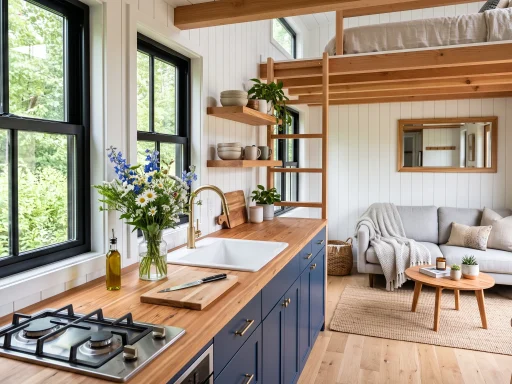
- Ruthless Decluttering: Remove all personal accessories, countertop small appliances, toiletries, and excessive throw pillows. Surfaces should showcase clean architectural lines and built-in storage solutions.
- Wide-Angle Interior Photography: Utilize a 16mm to 24mm full-frame focal length lens. Avoid fish-eye distortion, which creates unrealistic proportions and frustrates buyers upon arrival. Shoot at chest height during golden hour with all interior accent lighting illuminated.
- Detailed Video Walkthrough: Record a steady 4K horizontal walkthrough showcasing opening cabinet hinges, loft ladder access, shower head clearance, and exterior electrical hookup access panels.
- Explore Dedicated Portals: When choosing where to promote your visual assets, leverage the top resources highlighted in our definitive tiny life website directory to reach qualified enthusiasts.
Phase 4: Closing the Deal, Escrow, and Handover
Executing the final transfer requires fail-safe financial protocols to eliminate counterfeit cashier’s checks and wire fraud:
Utilize Licensed Third-Party Escrow
For high-value remote transactions where the buyer cannot hand over cash at a local branch, utilize an established online escrow service (such as Escrow.com or a specialized title agency). The buyer deposits funds into neutral escrow; upon verification, the seller transfers title and authorizes release for towing pickup.
The Bill of Sale Structure
Execute a notarized Bill of Sale specifying:
- Full legal names, addresses, and driver’s license numbers of both parties.
- Trailer make, model year, length, and exact 17-digit VIN.
- Exact purchase price in US Dollars.
- Clear “As-Is, Where-Is” liability release clause disclaiming future structural or municipal zoning warranties.
- Explicit transfer of possession date and release of towing liability once hooked to the buyer’s vehicle or hired transport hauler.
Frequently Asked Questions About Selling a Tiny House
Can a buyer get a mortgage on a tiny house on wheels?
Standard Fannie Mae or Freddie Mac conventional mortgages do not apply to tiny houses on wheels because they are titled as personal chattel rather than real estate. Buyers typically finance tiny homes through specialized RV loans (for certified builds), peer-to-peer chattel lenders, or unsecured personal loans with terms ranging from 5 to 12 years.
Do I need a real estate agent to sell my tiny house?
No, standard real estate agents are licensed to facilitate real property transactions (land and permanent structures), not titled motor vehicles or trailers. While specialized tiny home brokers exist, most owners successfully sell For Sale By Owner (FSBO) using dedicated tiny house listing platforms and standard DMV title transfer procedures.
Who pays for towing and delivery when selling a tiny house?
In standard industry practice, the buyer is entirely responsible for hiring and funding commercial transport or providing their own properly rated towing vehicle. Ensure your Bill of Sale clearly states that legal liability and risk of loss transfer to the buyer the moment the trailer tongue couples to the transport vehicle.
Get our latest guides, news, and insights highlighted in your Google Search & AI Overviews.