


As housing costs soar and environmental concerns grow, many are exploring the allure of minimalist living in tiny house communities. This movement not only promotes lasting lifestyles but also fosters a sense of community and collective living. Discover how these vibrant enclaves are reshaping the way we think about home and connection.
Understanding the Tiny House movement: A Journey Towards Minimalism

In recent years, the tiny house movement has surged in popularity, driven by a collective desire for a simpler lifestyle and a more sustainable way of living. As the housing crisis looms large in many urban areas, tiny houses offer an ingenious solution, providing affordable alternatives that not only reduce housing costs but also encourage greater mindfulness about consumption and personal space.This movement is not just about downsizing; it embodies a shift in values, where individuals seek to prioritize experiences over possessions and community over isolation.
The Roots of Minimalism and Community Living
At its core, the tiny house movement champions minimalism, urging individuals to reevaluate their living conditions and the impact of their choices on the environment. Many tiny house communities are emerging worldwide, fostering a sense of collective living that aligns with these values.Residents often share resources, skills, and support, creating micro-ecosystems that emphasize sustainability and connection. This paradigm shift allows for enhanced social bonds while simultaneously addressing pressing issues such as urban sprawl and waste generation.
Real-World Examples of Tiny House Communities
Throughout the United States and beyond, numerous tiny house communities have adopted innovative approaches to collective living. As an example, places like Tiny House Village in Seattle and Tiny Estates in Pennsylvania offer not just housing but also a vibrant lifestyle focused on sustainability. Residents participate in communal activities, cultivate shared gardens, and leverage renewable energy sources, all while enjoying the benefits of miniaturized living.
- Brewster, Massachusetts: A community that focuses on sustainable design and eco-friendly practices.
- Los Angeles, California: Offers tiny homes that provide affordable housing options for those facing homelessness.
- Portland, Oregon: Known for its vibrant tiny house culture, with several well-established communities promoting local craftsmanship.
Regardless of location, the tiny house movement invites individuals to engage with their surroundings differently, explore choice lifestyles, and participate in communal living that fosters support and shared values. By embracing a simplified existence, residents not only enhance their quality of life but also contribute to a larger narrative about sustainable living and responsible community development.
Practical Steps to join the Movement
For those interested in becoming part of this growing trend, there are practical steps you can take:
- Research: Identify tiny house communities in your area or regions that appeal to you.
- Visit: Attend open houses or community tours to get a feel for the lifestyle and meet residents.
- Network: Join online forums and local gatherings to connect with like-minded individuals who share your passion for minimalism.
- Plan: If you’re considering building your own tiny home, start sketching ideas and budget your expenses.
With the right approach, joining the tiny house movement can be a fulfilling journey towards minimalism and collective living, ultimately fostering a more sustainable future.
the Appeal of Collective Living: Benefits of Tiny House Communities
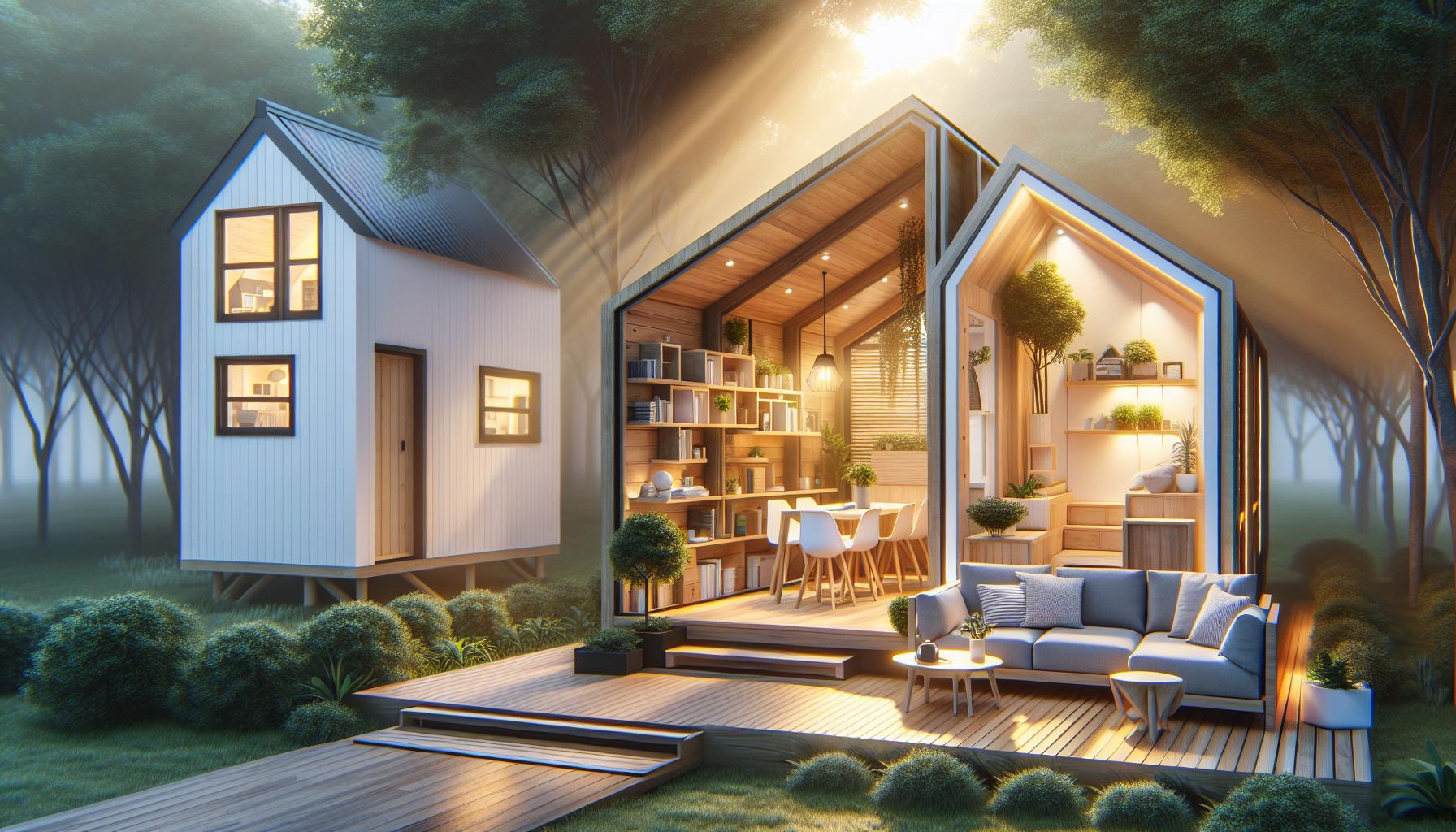
The trend of tiny house living is more than just a response to housing affordability; it’s a profound movement towards community and sustainability that emphasizes the benefits of collective living. as individuals and families seek more meaningful interactions and experiences, tiny house communities are emerging as vibrant hubs of connection and cooperation. This growing phenomenon fosters a lifestyle where people can not only downsize their living space but also enrich their lives through shared experiences and resources.
Strengthened Community Ties
One of the most significant advantages of residing in a tiny house community is the creation of strong interpersonal relationships. These communities often cultivate an environment where residents know each other well, leading to friendships that go beyond mere neighborly interactions. Regular group activities, potlucks, and communal spaces encourage socializing and collaboration, allowing residents to share skills, knowledge, and support. The sense of belonging and mutual assistance that arises from this tight-knit atmosphere can substantially enhance overall well-being.
Sustainability and Resource Sharing
Living in a tiny house often aligns with sustainable practices, and communities amplify this effect. Residents commonly share resources like tools, appliances, and gardening spaces, which not only reduces individual costs but also minimizes environmental impact. By pooling resources, tiny house communities can significantly lower their collective carbon footprint. For example, many communities implement shared systems for waste management and energy production, creating a model for sustainable living that others can emulate.
Financial Benefits
The financial advantages of tiny house living extend into the realm of community living as well. In tiny house communities, residents may benefit from reduced costs associated with maintenance and shared amenities such as laundry facilities, recreational areas, and common kitchens. This collective approach can lead to significant savings on utilities and property upkeep. Moreover, community financing options can make purchasing or building a tiny home more accessible, further democratizing home ownership and making it an attainable goal for more individuals.
A Sense of Security and Support
Another appealing aspect of tiny house communities is the built-in safety net they provide. Having neighbors who look out for one another fosters a sense of security that can be hard to find in customary housing environments. Residents often report feeling safer and more supported, knowing that they belong to a community that cares for each other. This aspect not only enhances physical safety but also contributes to emotional security, making tiny house living a viable option for those seeking a nurturing environment.
Through their unique blend of sustainability, connection, and community support, tiny house communities represent a growing movement that transcends traditional notions of housing. this lifestyle not only addresses modern housing challenges but also cultivates an enriching living experience that promotes well-being and belonging.
Navigating Legal and Zoning Challenges in Tiny House Living
Navigating legal and zoning challenges is a critical aspect for anyone considering the tiny house movement, especially within the framework of tiny house communities. As interest in living collectively grows, so too do the complexities surrounding where and how these homes can be placed. Understanding the local zoning laws is essential, as regulations can differ significantly from one area to another. For instance, tiny houses on wheels are often classified as recreational vehicles (RVs) and may only be allowed in designated RV parks or specific zones that permit temporary residences. Conversely, tiny houses built on foundations typically fall under accessory dwelling units (ADUs), which must comply with local building codes and zoning regulations specific to residential properties.to effectively navigate these challenges, it is pertinent for prospective tiny homeowners to conduct thorough research on their region’s regulations. Here are some strategies to consider:
- Contact Local Authorities: Before making any decisions, call your local planning or zoning department. inquiring about specific ordinances can save time and money, helping identify if you’re allowed to park or construct a tiny house on your property.
- Connect with local Tiny House Communities: Engaging with existing tiny house communities can provide insight into firsthand experiences with zoning challenges. These communities often advocate for changes, making them a great resource for support.
- Stay Updated on Advocacy Efforts: Many tiny house advocates are working proactively to change restrictive zoning laws. Following these efforts can definitely help you stay informed about potential changes that may impact your living situation.
Common Zoning Classifications for Tiny Houses
Understanding the different classifications can clarify what to expect in terms of compliance and restrictions. Below is a simplified table outlining common zoning classifications impacting tiny house living:
| Zoning Classification | description | Examples of Restrictions |
|---|---|---|
| Accessory Dwelling Unit (ADU) | Typically allowed as secondary living units on residential properties. | Size limitations,setbacks,occupancy limits. |
| Recreational Vehicle (RV) | Regulated under RV laws; often limited to temporary stays. | Must reside in designated RV parks or areas. |
| Single Family Home | Standard residential zoning for permanent homes. | Must meet conventional building codes and land use. |
As the movement towards tiny house living—notably in community settings—continues to gain momentum, it is vital for individuals to understand these legal landscapes.By being proactive, remaining adaptable, and engaging with local zoning authorities and communities, future tiny homeowners can pave the way toward triumphant and sustainable living in a tiny house community.
Designing your Space: Tips for Efficient Tiny House Layouts
In the vibrant world of tiny house communities, efficient design isn’t just a necessity; it’s an art form. As these communal living spaces continue to thrive,aspiring tiny house dwellers must consider how best to utilize every square foot to create a functional and inviting home.With thoughtful planning, small spaces can feel spacious while serving all your essential needs. Here are some expert tips on crafting a well-organized tiny home layout that harmonizes with the ethos of communal living.
Maximize Vertical Space
Utilizing vertical space is one of the most effective ways to enhance your tiny home without expanding its footprint. Tall shelving units, hanging storage, and wall-mounted fixtures can definitely help keep the floor clear and open:
- Lofted sleeping areas: Consider a lofted bed to free up floor space for other functions like a home office or living area.
- Overhead storage: Use cabinets that reach up to the ceiling to store items you use less frequently.
- Hooks and racks: Install hooks for clothing, bags, and kitchen utensils to keep things off surfaces.
Embrace Open Layouts
In tiny house living, an open layout fosters a sense of space and encourages social interaction, which is integral in tiny house communities. Instead of compartmentalizing areas, think holistically:
- Multi-functional furniture: Invest in pieces that serve multiple purposes, such as a fold-out dining table that becomes a workspace.
- Sliding doors: Use sliding partitions instead of traditional doors to optimize flow and accessibility.
- Integrated living spaces: Design your kitchen and living area as one cohesive unit, utilizing an island for cooking and gatherings.
Incorporate Natural Light
Light can dramatically alter the perception of space. By maximizing natural light, your tiny home will not only feel larger but also more welcoming.
| Lighting Strategy | Description |
|---|---|
| Large Windows: | Install expansive windows to bring in as much light as possible,ideally oriented to face the sun. |
| Skylights: | Add skylights to allow daylight to permeate deeper into the home. |
| Light colors: | Use light-colored surfaces and furnishings to reflect and amplify natural light. |
These tips align with the ethos of the tiny house movement and the growing trend of collective living. By designing with intention and creativity, you can create a tiny house that not only meets your needs but also fosters a sense of community and shared values—a key aspect of living in tiny house communities.
Building Community: How to Connect with Fellow Tiny House Enthusiasts
Connecting with fellow tiny house enthusiasts can transform your living experience from isolation to a vibrant community life. With the rising popularity of tiny house communities, opportunities to network and share experiences are more abundant than ever. By immersing yourself in these communities, you not only gain valuable insights into downsizing and sustainable living but also forge friendships based on shared values and experiences.
engage Online
Participating in online forums and social media groups dedicated to tiny house living is an excellent first step. Consider joining platforms like Facebook, Instagram, or specific tiny house forums where you can share your journey, ask questions, and connect with others who are equally passionate about this lifestyle. Some popular groups include:
- Tiny House Chat – A Facebook group for discussions, advice, and networking.
- Tiny House Listings – Connect with buyers, sellers, and renters in the tiny house market.
- instagram Hashtags - Use hashtags like #TinyHouseMovement and #TinyHouseLife to find and connect with others sharing their tiny living experiences.
Attend Meetups and Festivals
In-person events such as tiny house festivals and local meetups can help you build meaningful connections. These gatherings often feature workshops, talks, and opportunities to tour tiny homes. Consider participating in events like:
- Tiny House Jamboree – one of the largest tiny house festivals in the country, offering networking and educational opportunities.
- Local tiny House Meetups – Look for gatherings in your area to connect with local enthusiasts and experts.
Join or Start a Local Community
Creating a local tiny house community can enhance your living situation significantly.This could involve starting a co-housing project or simply gathering like-minded individuals for regular potlucks or workshops. To initiate this process, consider these steps:
- Reach Out - Use social media and local bulletin boards to invite others interested in tiny living.
- Host Events – Plan discussions on topics like sustainable living,tiny home construction,or minimalism.
- Collaborate on Projects – Work together on community gardens or shared resources to foster cooperation and support.
By actively engaging within the tiny house movement, you not only enhance your own experience but contribute to a growing network that thrives on community, resource sharing, and inspired living. The collective experiences of tiny house dwellers can lead to improved ideas,more sustainable practices,and lasting friendships that enrich your journey in this rewarding lifestyle.
Financial Considerations: Affordability and Investment in Tiny Living
The allure of tiny homes extends beyond minimalist living and sustainable practices; it also opens up a broad spectrum of financial considerations. Many individuals and families are increasingly attracted to collective living within tiny house communities as a means of reducing the financial burden often associated with traditional housing. By aligning finances within a community, residents can explore a less expensive lifestyle while investing in the growing movement of tiny living.
Understanding the Costs
Constructing or purchasing a tiny home frequently enough comes with significantly lower costs compared to traditional houses. According to recent data, the average cost of a tiny home ranges from $30,000 to $60,000, depending on size, amenities, and location. When considering tiny house communities, potential homeowners should account for additional expenses such as:
- Land leases or purchase costs: In many cases, tiny homes are placed on leased land within a community or on shared properties.
- Utilities and maintenance fees: Tiny homes often utilize shared resources, but residents must still consider usage fees.
- Homeowners association (HOA) fees: If the community has one, these fees can cover communal amenities and maintenance.
This shift toward collective living means individuals can pool resources, share costs, and ultimately create a more affordable lifestyle. Such as, one tiny house community in Oregon allows residents to share gardening space, which significantly reduces grocery costs for the members.
Investment Potential
Investing in a tiny house community can also present unique opportunities for building equity. There are a few avenues worth considering:
- Appreciation of property values: Tiny home communities are becoming increasingly popular, leading to a potential increase in property values over time.
- Rental opportunities: Tiny homes can be rented out to tourists or short-term visitors, providing an additional income stream for homeowners.
- Environmental incentives: Many states offer financial incentives for sustainable living and energy-efficient home designs, which can further offset costs.
| Aspect | Traditional Housing | Tiny Home Living |
|---|---|---|
| average Cost | $300,000+ | $30,000 – $60,000 |
| Utilities | Higher, based on size | Lower, frequently enough around 10-20% less |
| Maintenance Fees | Variable, usually higher | May include shared costs |
While the growing movement of collective living through tiny house communities provides promising financial benefits, potential residents must conduct thorough research and assess personal finances carefully.By weighing the costs against the potential for investment returns, individuals can make informed decisions to embrace this sustainable lifestyle fully.
Embracing Sustainability: Eco-Friendly Practices in Tiny House Communities
In a world increasingly threatened by climate change, the movement towards tiny house communities offers not just a lifestyle change but a chance to actively participate in sustainable living. These communities prioritize eco-friendly practices that reflect a conscientious effort to minimize individual footprints while promoting collective well-being. By fostering a sense of community, residents can share resources, ideas, and responsibilities, thus amplifying their impact on sustainability.
Practices that Define Green Living in Tiny Communities
Tiny house living inherently encourages a minimalist lifestyle, often leading to a reevaluation of personal consumption.Among the standout eco-friendly practices adopted within these communities are:
- Shared Solar Energy: Many tiny house communities utilize solar panels,generating renewable energy collectively. This not only reduces dependency on fossil fuels but also lowers energy costs for residents.
- Water Conservation: Systems for rainwater harvesting and greywater recycling are common,allowing residents to dramatically reduce their water consumption while maintaining lush gardens or landscaping.
- Community Gardens: Growing food in communal garden spaces promotes biodiversity, reduces food miles, and helps residents bond, all while yielding fresh produce right at their doorstep.
- Eco-Friendly Building Materials: Tiny homes often incorporate sustainable materials such as reclaimed wood, bamboo, or recycled metals, which minimize environmental impact during construction.
The Role of Education and Advocacy
Education plays a crucial role in enhancing sustainability practices within tiny house communities.Many groups host workshops on effective gardening techniques, sustainable building methods, and energy-efficient living. This knowledge sharing encourages residents to hone their skills and implement new practices effectively.
Moreover, the collective living aspect empowers individuals to advocate for broader ecological initiatives within their localities.For example, tiny house communities might collaborate to promote local policies aimed at renewable energy incentives and sustainable zoning laws, demonstrating how small living groups can drive bigger changes.
Real-World Examples: Success Stories
Several pioneering tiny house communities exemplify successful eco-friendly practices, serving as models for others looking to join the movement of collective living:
| Community Name | Location | Key Sustainability Feature |
|---|---|---|
| EcoVillage | Ithaca, NY | Focus on permaculture and shared resources |
| Tiny House Village | Seattle, WA | Use of recycled materials and urban farming |
| Tiny estates | Pennsylvania | Advanced rainwater collection systems |
These examples highlight how the synergy between sustainable principles and community living fosters a lifestyle that not only benefits individual residents but also contributes significantly to ecological preservation. Residents and advocates alike can draw inspiration from these success stories, proving that not only is it possible to live simply, but that collective living can make a profound difference on a larger scale.
Real Stories: Experiences from Tiny House Dwellers and Their Communities
In a world where space is at a premium, the shift towards tiny house living isn’t just about downsizing; it’s about fostering community and connection.Tiny house dwellers frequently enough find themselves in vibrant communities that not only embrace a minimalist lifestyle but also encourage a supportive network among residents. These communities are emerging as havens where shared values of sustainability, simplicity, and collective living thrive.
Engaging in collective Living
Many tiny house residents recount their journeys of moving into communities designed specifically for tiny homes. For example, in North Charleston, South Carolina, tiny house enthusiasts have formed vibrant neighborhoods where amenities and communal spaces are tailored to encourage interaction. Residents share stories of potlucks,communal gardens,and workshops that enhance their living experience while forging strong bonds with their neighbors. This sense of belonging is a core reason many choose to live in tiny house communities.
Benefits of Shared Spaces
The design of tiny house communities fosters a unique environment that promotes sustainability and resource sharing. In these settings, amenities such as common kitchens, gardens, and recreational spaces are shared, reducing individual costs and environmental footprints. Dwellers frequently enough highlight that living in proximity to like-minded individuals has inspired them to adopt more sustainable practices, such as communal composting and gardening initiatives.
- Enhanced Social Interaction: Shared spaces encourage residents to connect regularly, alleviating feelings of isolation that can come with traditional living.
- Sustainable Practices: Collective efforts in gardening and resource management promote eco-friendly living.
- Collective Ownership: The community often shares responsibilities and resources,which leads to a deeper sense of trust and cooperation.
Personal transformations
Numerous personal stories from tiny house dwellers illustrate the transformative impact of these communities. Many have found not just a home, but a lifestyle that prioritizes relationships over material possessions. One notable account involves a couple who transitioned from a crowded urban apartment to a tiny community. They report feeling a renewed sense of purpose and connection, participating in local events, and even starting a weekly farmer’s market that drew in members from the wider region.
Living in tiny house communities dives deep into the ethos of ”less is more,” bringing forth not only the dream of tiny living but also a fulfilling community ethos that resonates through daily interactions and shared experiences. The growing movement towards collective living offers a roadmap for anyone considering a similar path, revealing the profound joy and practicality of living intentionally.
Frequently Asked Questions
What are tiny house communities?
Tiny house communities are groups of small, often portable homes that share communal spaces and amenities. these communities emphasize sustainability and affordable living,attracting those interested in minimalist lifestyles.
Typically, these communities feature shared gardens, common rooms, and social activities, fostering a sense of belonging among residents. They appeal to people seeking an alternative to conventional housing, and examples can be found across the U.S., including many in South Carolina.
Are there tiny house communities available for rent?
Yes, many tiny house communities offer rental options. These rentals allow potential residents to experience the tiny house lifestyle before committing to a purchase.
Communities often have various models for rent, appealing to both short-term visitors and long-term residents. This adaptability makes it easier for people to understand the dynamics of communal living alongside the benefits of tiny house living.
How do I find tiny house communities near me?
You can find tiny house communities by researching online directories, local listings, or social media groups focused on tiny living. Websites often list available communities by region.
Engaging with local tiny house enthusiasts through forums or community events can also lead to discovering nearby options. For more details, check out our guide on finding tiny house listings.
Why are tiny house communities growing in popularity?
Tiny house communities are becoming increasingly popular due to a growing interest in affordability and sustainable living. Many people are drawn to the concept of downsizing and reducing their ecological footprint.
The rising cost of living in urban areas drives many towards alternative housing solutions like tiny homes. Additionally, these communities foster a strong sense of community, which is appealing in today’s fast-paced world.
Can I build a tiny house in a community?
Yes, many tiny house communities allow residents to build or install their own tiny homes, but specific rules and regulations vary by location.
Before deciding to move into a community, it’s essential to check local zoning laws and community guidelines. Some places may have restrictions on mobile homes or require adherence to specific building codes.
what amenities are typically found in tiny house communities?
Amenities in tiny house communities can include shared laundry facilities, communal kitchens, gardens, and recreational areas. Some communities may also have workshops and event spaces for residents.
the focus on common living often means residents benefit from shared resources, reducing individual costs and fostering relationships. Understanding what amenities a community offers can definitely help you choose a place that fits your lifestyle.
What legal considerations should I know about tiny house communities?
When considering tiny house communities, it’s crucial to understand local zoning laws and building regulations. These legal aspects can influence where you can place your tiny home and how it must be constructed.
Many communities provide guidance on complying with these laws, making it easier for newcomers to navigate legal requirements. Always ensure to gather information on the specific rules of the community you’re interested in.
Closing Remarks
the movement toward tiny house communities represents a compelling shift toward collective living, reflecting a deep desire for simplicity, sustainability, and connection. As we have explored, these communities not only offer affordable housing solutions but also foster supportive environments where residents can thrive together. While the allure of minimalist living is undeniable, it’s essential to remain cognizant of the practical challenges, such as zoning laws and building regulations, that can impact your tiny house journey.
By engaging with the growing network of tiny house enthusiasts, checking local offerings, and understanding your legal landscape, you can navigate these complexities with confidence. Whether you’re drawn to the zen of downsizing or the community aspect of shared living, there’s much to discover in the world of tiny homes. We encourage you to delve deeper into this movement, connect with like-minded individuals, and explore the diverse tiny house communities available—including those in South Carolina, where fresh opportunities abound for aspiring tiny home dwellers.Join the conversation,share your experiences,and embrace the adventure of tiny living!
Get our latest guides, news, and insights highlighted in your Google Search & AI Overviews.


