


Are mini goats the quirky companions you’ve been dreaming of? These charming creatures can indeed be house trained, bringing a touch of homesteading joy indoors. Understanding how to successfully potty train them is crucial for maintaining harmony in your living space while enjoying their playful antics. Discover practical tips for integrating these lovable pets into your home!
understanding Mini Goat behavior: the Key to Successful House Training
When considering the prospect of sharing your home with a mini goat, it’s crucial to understand their unique behavior. These playful and curious creatures are more than just adorable companions; their natural instincts and social habits play a notable role in how they can be house-trained. To lay the groundwork for successful house training, it’s essential to comprehend what drives mini goats’ behavior and how to cultivate an environment that caters to their needs.
One of the first things to recognize is that mini goats are inherently social animals, often requiring companionship to feel secure and happy. This social nature means they thrive on interaction, making them more receptive to training when they feel a bond with their owner.Establishing a strong relationship through regular playtime and gentle handling communicates to the goat that you are their leader, which is pivotal in guiding them toward desirable behaviors.
Another behavioral trait to note is their curiosity. Mini goats are naturally inquisitive and will explore their surroundings thoroughly.This inclination can led to unintentional messes and destruction if not managed properly. Hear are some strategies to help you channel this curiosity positively:
- Positive Reinforcement: Use treats and praise to reward desired behaviors, such as using a designated potty area.
- Consistent Routine: Establish a regular feeding and bathroom schedule; mini goats often relieve themselves shortly after eating.
- Safe Space Designation: Create a comfortable space in your home where the goat can roam freely but is also easy to clean. This might include puppy pads or a designated area that can withstand any accidents.
To better understand the nuances of mini goat behavior and their impact on house-training, consider the following insights:
Factors Influencing Mini Goat Behavior
| Behavior | Influencing factor | Training Tip |
|---|---|---|
| Playfulness | Age and energy level | Engage in regular play sessions. |
| Curiosity | Environment | Provide safe areas to explore. |
| socialization | Isolation from herd | Spend quality time to bond. |
| Pottiness | Feeding schedule | Implement a consistent routine. |
Understanding these behaviors allows you to tailor your training approach effectively. Remember that patience is key; while some mini goats may adapt swiftly to house training, others may require more time and encouragement. By fostering a caring relationship and adapting training techniques to fit their behavioral patterns, you can create a harmonious living situation that benefits both you and your mini goat.
Setting Up your Home for Mini Goats: Creating a Goat-Friendly Space
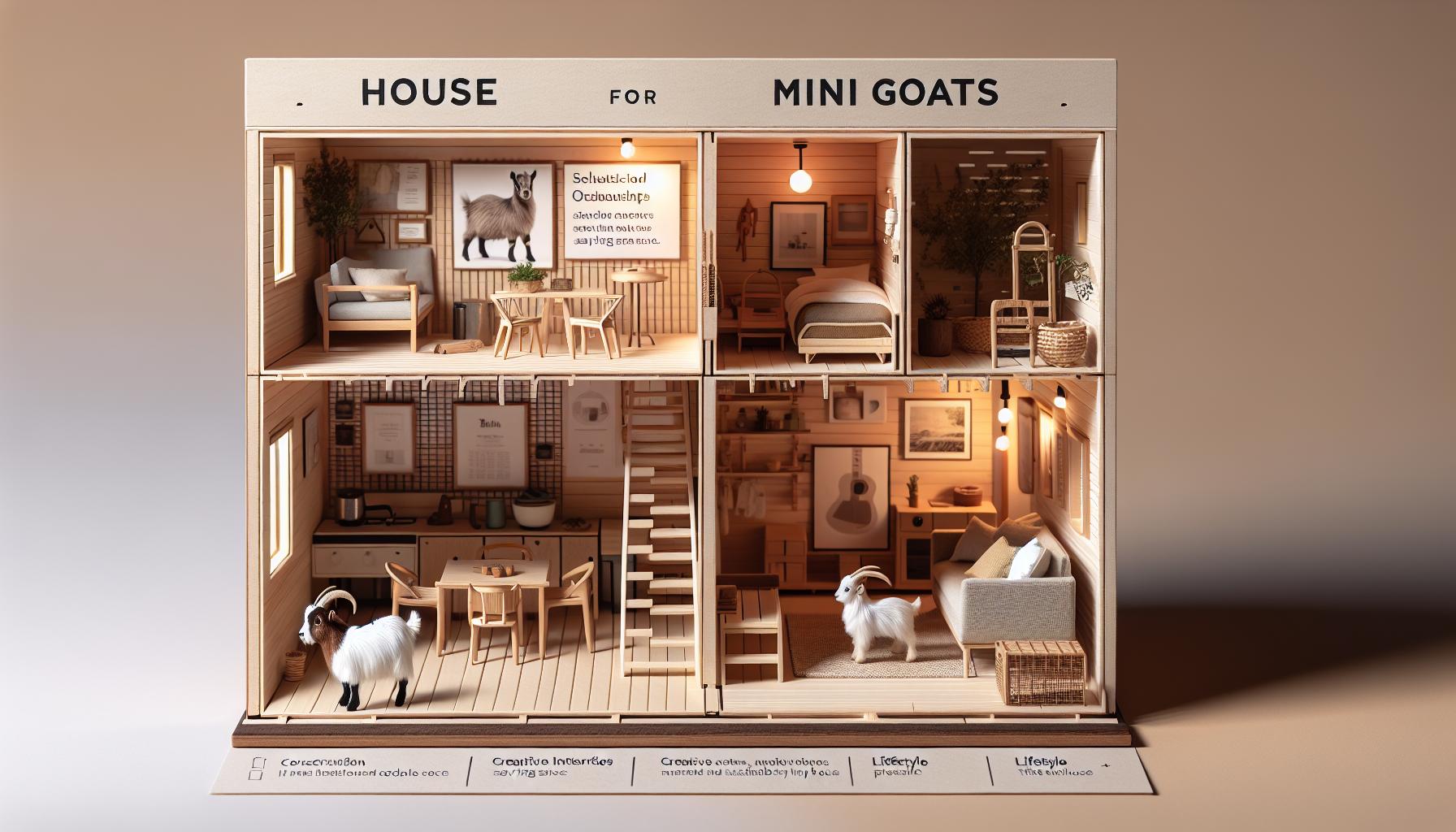
Creating a comfortable and goat-friendly environment in your home is essential for the well-being of mini goats, especially if you are considering house training them. Mini goats, with their playful and curious nature, can adapt well to indoor living if their needs are met. When setting up your space, it’s important to think about both safety and comfort. A goat-proofed area not only protects your furniture but also ensures that your mini goats can explore and engage with their surroundings without getting into trouble.
Designing a Safe Space
The first step in establishing a goat-friendly home is to designate specific areas where your mini goats can roam and play.Here are a few essentials to consider:
- Secure Fencing: Use baby gates or similar barriers to create an enclosed area. This helps prevent escapes and keeps your goats safe from household hazards.
- Soft Flooring: Opt for non-slip rugs or mats to provide comfort and traction for your mini goats. avoid slippery surfaces that may lead to accidents.
- Accessibility: Ensure that your mini goats can easily access their food and water. Elevated dishes can help keep their eating area tidy.
Proper ventilation is also crucial. mini goats thrive in fresh air, so ventilate the area well to prevent any unpleasant odors and to maintain good air quality.
Creating Enrichment Areas
Mini goats are intelligent and require mental stimulation to stay happy. To foster their curiosity and energy, incorporate play areas with appropriate toys and challenges. Consider the following:
- Climbing Structures: Small ramps, logs, or goat-safe shelves can provide fun climbing opportunities which are natural for them.
- Interactive Toys: Items like treat balls or hanging forage bags can keep them entertained and encourage their natural foraging behavior.
- Cozy Hideaways: Provide small boxes or hideouts where they can retreat when they need rest or solitude.
Establishing a Bathroom Routine
House training a mini goat requires consistency and patience. Create a designated bathroom area to help them learn the appropriate spot for elimination. Using training pads or a specific outdoor area can facilitate this process. Implement positive reinforcement techniques, such as offering treats or praise when they use the designated space correctly.
Keeping your mini goat’s living area clean not only aids in training but also contributes to their overall health. Regularly clean their space to prevent odors and health issues, which combined with the right enrichment, can transform your home into a joyful sanctuary for both you and your mini goats. Following these practical tips can greatly enhance the experience of having mini goats indoors while ensuring they thrive in a welcoming environment.
Potty Training Techniques: Practical Tips for Guiding your Mini Goat
Finding success in house training your mini goat can be a delightful journey filled with learning and connection. Unlike many larger livestock that have a more rigid lifestyle, mini goats adapt surprisingly well to indoor environments. Though, establishing a consistent potty training routine is essential to ensure that your adorable companion feels comfortable and secure while keeping your home tidy. Below are several effective techniques to guide you in this rewarding process.
Establish a Designated Potty Area
Creating a specific area for your mini goat to relieve itself is crucial. This familiar spot will help your goat understand where it’s acceptable to go. Here’s how to effectively set up this area:
- Choose a location that is easily accessible but separate from their living and eating spaces.
- Use bedding material like straw or hay to make the spot appealing.
- consistently direct your goat to this spot during potty breaks using gentle cues.
Once your goat becomes accustomed to this designated area, it will be easier to manage its habits.
Utilize Positive Reinforcement
Training mini goats effectively hinges on rewarding desired behaviors rather than punishing mistakes. Establish a reward system that recognizes your goat’s potty successes.This could include:
- Treat Rewards: Use small, nutritious treats after each successful potty session.
- Acknowledgment: Verbal praise or petting can be a strong motivator for your goat.
- Consistent Routine: Take your goat to the designated potty area after meals, playtime, or naps when they are more likely to need to go.
Implementing this positive reinforcement approach will encourage your mini goat to repeat the good behaviors you want to see.
Monitor Their Behavior
Understanding your mini goat’s behavior can significantly ease the training process. Signs that they need to go include:
- Pacing or becoming restless
- Sniffing around or circling
- Engaging in unusual vocalizations
Being proactive in recognizing these signals allows you to intervene before accidents happen. A detailed schedule paired with keen observance can ramp up your success during this phase of training.
Common Potty Training Challenges
Potty training a mini goat isn’t always smooth sailing. Being aware of potential challenges can better prepare you to handle them effectively. Here’s a simple overview:
| Challenge | Tip |
|---|---|
| Accidents Inside | Stay calm and gently guide them to the designated area. Clean thoroughly to remove odors. |
| Refusing the Potty Spot | Revisit the allure of the area with fresh bedding or occasional treats to pique their interest. |
| Changes in Environment | Be patient during transitions or changes; extra guidance may be needed when moving locations. |
By keeping these tips in mind and remaining patient throughout the process, you’ll find that the journey of potty training your mini goat can grow your bond and understanding of your quirky, lovable friend.
Nutrition and Routine: How They Impact House Training Success
Understanding the crucial role of diet in the overall health and behavior of mini goats can significantly improve your house training success. Just like any pet, mini goats thrive on balanced nutrition, which not only promotes their physical well-being but also enhances their ability to learn and adapt to trained behaviors. A proper diet helps maintain consistent energy levels and supports their digestive health, ensuring fewer interruptions during training sessions.
Nutrition’s Role in Behavior
A well-fed mini goat is more likely to be calm and manageable, making them easier to train. Their dietary needs include quality hay, grains, and fresh vegetables. Incorporating the right nutrients can lead to:
- Improved Focus: Nutrients such as omega-3 fatty acids can enhance cognitive functions, making your goat more receptive during training.
- Stable energy Levels: Regular feeding schedules help prevent energy spikes and troughs, which can encourage better behavior.
- Healthier Digestion: A diet rich in fiber supports healthy gut function, reducing the likelihood of digestive issues that may lead to accidents indoors.
It’s essential to monitor their weight and adjust their food intake to avoid obesity, which can lead to laziness and reluctance to engage in training.Keep an eye on their treats—overfeeding can be an easy trap, hindering their progress in house training.
Establishing a Routine
Creating a consistent feeding and potty routine is key to house training mini goats effectively. A set schedule will not only help them understand when it’s time to eat and eliminate but will also build their trust in the process.Here are some actionable steps:
| Time of Day | Activity |
|---|---|
| Morning | Feed,then take outside for potty. |
| Midday | Short training session, followed by a light snack. |
| Evening | Feed, then take outside for potty. |
| Night | Final potty break before bed. |
By keeping feeding times regular, your mini goat will learn to associate these times with the need to eliminate. Using positive reinforcement can further aid this process—praise and treats for successful bathroom breaks can create a strong connection between following routine and receiving rewards.
when considering “Can Mini goats Be House Trained? homesteader’s Indoor Tips,” remember the significance of quality nutrition and establishing a solid routine.Addressing these aspects thoughtfully will not only facilitate the house training process but will also contribute to your goat’s overall happiness and health.
Socialization Matters: Building a Bond with Your Indoor Mini Goat
To cultivate a strong bond with your indoor mini goat, socialization is key. These charming creatures are naturally sociable and thrive on interaction, making it essential to engage with them regularly. An indoor mini goat can be an affectionate pet, but achieving that requires commitment to their social needs. Establishing a routine that includes quality time can significantly enhance the relationship you build.
Understanding Socialization Needs
Mini goats are herd animals, meaning they are wired to seek companionship, whether from humans or other animals. To ensure your miniature friend feels secure and happy, consider these strategies for effective socialization:
- Daily Interaction: Spend time with your mini goat each day. Cuddle, talk, and even play games together to reinforce your bond.
- Positive Reinforcement: Use treats and praise to reward your goat during training sessions or when they exhibit desired behaviors.
- introduce to Other Pets: If you have other animals, gradually introduce them to your goat.Supervised interactions can help create a harmonious environment.
- Outings: Take your goat on short outings—like trips in a secure pet carrier. New environments stimulate their curiosity and enhance their adaptability.
Creating a Comfortable Environment
Making your home a welcoming space for your indoor mini goat can also impact their socialization. consider the following elements when setting up their living area:
- Safe Space: designate a cozy corner with a comfortable bed where your goat can retreat when feeling overwhelmed.
- Toys and Enrichment: Provide toys that encourage exploration and playfulness, such as chewable treats and puzzle feeders to keep their minds active.
- Open Spaces: Ensure there’s enough room for your mini goat to roam and explore. This helps mitigate boredom and promotes natural behaviors.
Building Trust Through Routine
Establishing a consistent routine can foster trust between you and your goat. The rhythm of daily interactions—including feeding, playtime, and even chores—creates predictability, which is comforting for your mini goat.
| Activity | Time |
|---|---|
| Morning Feeding and Playtime | 8:00 AM – 9:00 AM |
| Training Session | 1:00 PM – 1:30 PM |
| Evening Relaxation | 6:00 PM – 7:00 PM |
By implementing these techniques, not only will you answer the question, “Can mini goats be house trained?” with a definitive yes, but you’ll also ensure your indoor goat thrives emotionally and socially, bringing joy and laughter to your home.
Health Considerations: Ensuring Your Mini Goat Thrives indoors
Creating a comfortable and healthy indoor environment for mini goats is essential for their well-being. These charming animals require specific care to thrive when living inside, requiring attention to their physical health, mental stimulation, and dietary needs. Understanding how to maintain a suitable atmosphere can significantly enhance their indoor experience and ensure they remain happy and healthy companions.
Space and Environment
Mini goats need space to roam and explore,even indoors. Designate a room or a specific area with sufficient square footage to allow for movement.This area should be free from hazards—such as electrical cords and fragile items—and equipped with safe, goat-friendly furniture or enrichment options. Consider the following:
- Provide climbing structures, like sturdy shelves or ramps, to keep them physically active.
- Ensure the flooring is suitable; soft materials like rubber mats can reduce injury risk while also being easy to clean.
- Control the temperature: Mini goats are susceptible to extreme temperatures, so maintain a comfortable climate—ideally between 60°F and 80°F (15°C to 27°C).
Dietary Needs
A well-rounded diet is critical for mini goats living indoors. Although they are smaller,their nutritional needs are similar to those of larger goats. Consider providing:
- Hay: A constant supply of quality hay is essential for their digestion and dental health.
- Grains: Offer grains in moderation to avoid obesity issues, particularly due to their limited space.
- Fresh Water: always have clean water available; hydration is key to their health.
Additionally, monitor their weight regularly. Overweight mini goats may face health problems, particularly in confined spaces.
Health Monitoring
regular health check-ups are paramount. Pay attention to any changes in behavior or physical appearance, as these may indicate health issues. It’s advisable to consult with a veterinarian familiar with goat care. Key health considerations include:
- Vaccinations: Keep vaccinations up to date to prevent common diseases.
- Parasite Control: regular fecal checks and deworming strategies are crucial to prevent infestations.
- Hoof Care: Regular hoof trimming is necessary to prevent discomfort and mobility issues.
Mental Stimulation and Social Needs
Mini goats are social creatures that require interaction, both with humans and potentially other goats. To enhance their mental well-being, engage in daily playtime. Include toys—such as balls or safe chew items—that stimulate their curiosity. Consider these points:
- Establish routines that include play sessions, which can mimic natural behaviors they would exhibit outdoors.
- introduce safe,interactive toys to encourage exploration and problem-solving.
By focusing on these aspects, you can create a nurturing environment that supports your mini goat’s health and happiness indoors. Embrace the joy of having these playful and affectionate animals as part of your household, while ensuring they have all they need to thrive in a confined space.
Embracing the Challenges: Common Obstacles in House Training Mini Goats
The decision to welcome mini goats into your home as indoor companions comes with a set of delightful possibilities, but overcoming the hurdles of house training these charming creatures can present some significant challenges. Mini goats, with their lively personalities and curious nature, can quickly become an integral part of family life. However, addressing their unique behaviors is essential for successful indoor living.
Understanding Mini Goat behavior
Mini goats are inherently social animals that thrive on interaction and stimulation, but their natural instincts often conflict with house training. They may exhibit behaviors such as chewing, climbing, and even marking their territory, which can lead to chaos inside your home if not managed properly. Recognizing these tendencies can help you develop a tailored training approach that aligns with their instincts while promoting good indoor behavior.
Common Obstacles to House Training
There are several common challenges that guardians of mini goats might encounter during the house training process:
- Chewing and Biting: Mini goats are notorious for their inquisitive nature, which often leads them to chew on furniture, cables, and other household items.
- Inconsistent Bathroom Habits: Unlike conventional pets, mini goats may not have a clear understanding of designated bathroom areas, resulting in accidents if expectations are not clearly communicated.
- Distraction and Disobedience: Their playful temperament may lead them to distract easily, making it difficult to maintain focus during training sessions.
- Social Needs: As herd animals, mini goats may become anxious or mischievous when left alone for long periods, causing them to engage in unwanted behaviors.
Effective Strategies for Overcoming Obstacles
To successfully overcome these obstacles, consider implementing the following strategies:
- Consistent Routine: Establish a daily routine for feeding, bathroom breaks, and playtime to reinforce learning and minimize accidents.
- Training Sessions: Utilize short but frequent training sessions to teach commands and reward good behavior. Positive reinforcement is key!
- Deterrents for Chewing: Provide appropriate chewing toys and use taste deterrents on furniture to redirect their chewing behavior.
- Safe Space: Create a comfortable space within your home where your mini goat can feel secure and less likely to engage in destructive behavior when unsupervised.
Through a combination of understanding their unique behaviors and applying effective training strategies, you can not only answer the question—can mini goats be house trained?—but also cultivate a harmonious living environment for both your family and your furry friends.
The Joys of indoor Goat Living: Benefits for You and Your Mini goat
Imagine walking into your home to the cheerful sound of soft bleats and tiny hooves scurrying around. Living with mini goats indoors not only brings a unique and joyful dynamic to your home but also offers numerous benefits for both you and your miniature companions. These adorable creatures can thrive indoors when provided with the right environment and care.
One of the most significant advantages of introducing a mini goat into your household is the delightful companionship they offer. Mini goats are known for their playful and affectionate nature. Their curious behavior can be endearing, providing endless entertainment as they explore their living space. This unique bond can be a profound source of joy,especially for children,who often form strong connections with these animals.
Moreover, indoor living can significantly contribute to the health and well-being of your mini goat. With adequate attention and care,you can prevent many outdoor-related issues,such as parasites,extreme weather conditions,and predators. A clean, safe indoor environment allows for healthy feeding practices and consistent social interactions. Here are some benefits to consider:
- Controlled Environment: Keeping your goat indoors allows you to monitor their health more closely, from diet to behavioral changes.
- Training Opportunities: Indoor settings present a perfect canvas for house training techniques that can help your goat understand boundaries and social cues.
- Less Wear and Tear: Mini goats can be inquisitive—having them indoors means less damage to your outdoor landscaping!
- Enhanced Bonding: The proximity promotes stronger relationships; you’ll develop a deeper understanding of your goat’s needs and temperament.
When considering the question “Can mini goats be house trained?” the answer is a resounding yes! With proper techniques and patience, you can teach your goat to use designated areas in your home. for effective training,establish a routine,use positive reinforcement,and be consistent with commands and cues. The effort you invest will yield a rewarding and vibrant indoor life for both you and your new fuzzy friend.
| Benefit | Description |
|---|---|
| Companionship | Mini goats provide affectionate and playful interactions. |
| health monitoring | Observing behavior and eating habits effectively. |
| Training | Indoor environments enhance house training success. |
| Less Outdoor Risks | Protection from potential predators and parasites. |
bringing mini goats into your home can be an incredibly fulfilling experience.Not only do they offer companionship and laughter, but they also adapt remarkably well to indoor living with the right guidance and care. As you explore the journey of indoor goat care, you’ll discover a bond that enriches both your life and that of your spirited little friend.
Frequently asked questions
Can Mini Goats Be House Trained?
Yes, mini goats can be house trained, but it requires consistency and patience. Using positive reinforcement and setting a regular routine can greatly help in teaching them where to go.
Begin by creating a specific area in your home for your mini goat. Encourage them to use that spot by taking them there frequently, especially after meals or play sessions. Over time, they will learn to associate that area with restroom activities.
What are the best tips for house training mini goats?
To house train mini goats effectively, establish a routine, provide plenty of supervision, and use positive reinforcement. These methods are crucial for success in teaching them indoor behaviors.
Start by guiding your goat to their designated area after eating or drinking, and reward them when they go there. This reinforces the behavior. Additionally, make sure to monitor their habits closely. Keeping a consistent feeding schedule will also help predict when they need to go.
Can I keep a mini goat indoors full-time?
While it’s possible to keep a mini goat indoors full-time, it’s not ideal. They require space to move and access to the outdoors for proper exercise and social interaction.
Mini goats are naturally energetic and curious animals, so giving them time outside to explore and graze is essential for their well-being. Consider creating a safe outdoor area where they can spend some time each day, even if they live mostly indoors.
Why does my mini goat chew on furniture?
Mini goats chew on furniture out of curiosity, boredom, or due to their need to gnaw. This behavior is normal for them, but it can be managed with proper training and distraction methods.
To reduce this behavior, provide plenty of safe toys and chewable items designed for goats. Redirect their chewing to appropriate items when you catch them in the act, and positively reinforce the desired behavior. Regular outdoor time can also help alleviate boredom.
What should I feed my mini goat indoors?
Indoors, mini goats should be fed a balanced diet of hay, grains, and fresh vegetables. Make sure they have constant access to hay and clean water to maintain their health.
Incorporating treats like carrots or apples can make feeding time enjoyable and help build a bond. Be cautious, though—always research which foods are safe, as some plants can be toxic to goats. For more on goat dietary needs, visit our section on mini goat nutrition.
Are mini goats good companions for kids?
Yes, mini goats can be excellent companions for kids. They are known for their playful nature and loving demeanor, which can create strong bonds with young children.
However, supervision is crucial when mini goats interact with kids to ensure everyone’s safety. Teaching children how to properly engage with a goat—like gentle petting and giving treats—will encourage positive relationships and responsibility as they learn about animal care.
Can indoor mini goats be trained to do tricks?
Absolutely! Indoor mini goats can be trained to perform tricks using positive reinforcement techniques, similar to training dogs.
Start with simple commands like “sit” or “shake.” Use treats to reward them immediately after they perform the desired action.With consistency and practice, your mini goat will delight you with their new skills.
Wrapping Up
while the prospect of house-training mini goats may seem like a whimsical pursuit, it is indeed entirely achievable with the right approach and plenty of patience. As we’ve explored, mini goats are intelligent creatures capable of learning commands and routines, but successful indoor living requires a firm understanding of their unique needs and behaviors. Establishing a designated space,using positive reinforcement,and being aware of their natural instincts are all pivotal in creating a harmonious indoor environment.
For those venturing into this exciting journey, remember that patience is key; every goat will have its own pace of learning. Don’t hesitate to connect with fellow homesteaders or online communities for additional tips and shared experiences. Your commitment to exploring the indoor living potential of mini goats not only enriches your own lifestyle but also champions the ethos of thoughtful, minimalist living.Embrace this adventure with an open mind, and you’ll find that with a little dedication, your mini goats can become cherished companions within your homestead. Keep asking questions, sharing insights, and pushing the boundaries of what’s possible in your tiny house dream!
Get our latest guides, news, and insights highlighted in your Google Search & AI Overviews.


