


As housing costs soar and space becomes a premium, many property owners are exploring the idea of placing multiple tiny residences on their land. Understanding local zoning regulations and community planning strategies is crucial for successfully navigating this innovative housing solution. Discover the essential tips too optimize your property while adhering to legal guidelines and fostering community harmony.
Understanding Zoning Laws for Tiny Homes: What You Need to Know
Building multiple tiny homes on a single property has become a popular trend,driven by the desire for affordable housing solutions and sustainable living. Though, navigating the world of zoning laws can be complex, as local regulations dictate how land can be used. Understanding these laws is crucial for anyone asking, “Can I put multiple tiny homes on my property?” and ensures that your plans align with local ordinances while contributing positively to community planning efforts.
Understanding Local Zoning Regulations
Zoning laws vary significantly across municipalities, meaning what works in one area may not in another. Typically,local governments categorize land into zones,such as residential,commercial,and agricultural,influencing how you can develop your property. Each zone has specified uses, and some may restrict the number of homes permitted on a single parcel, especially in residential areas. It’s essential to review your local zoning ordinances to determine if placing multiple tiny homes is feasible and under what conditions.
- Check Zoning Classification: Identify your property’s zoning classification through your municipal planning department.
- Consult Local Ordinances: Review the specific rules regarding multi-unit dwellings or accessory dwelling units (ADUs) in your area.
- Permitting Requirements: Determine what permits are necessary to legally place multiple tiny homes on your property.
Common Zoning Challenges
Even if zoning laws permit multiple tiny homes on a single property, challenges may arise. For instance, zoning restrictions could include limitations on minimum lot sizes, setbacks, or density, which can complicate your plans. You may also encounter regulations related to utilities, parking, or environmental impact that need to be addressed before moving forward.engaging with local zoning boards or planning commissions can provide clarity and help advocate for your project.
| Challenge | Solution |
|---|---|
| Minimum Lot Size | Consider subdividing the property or adhering to the size limits |
| Setbacks | Adjust home placement to comply with required distances from property lines |
| Parking Regulations | Provide sufficient off-street parking to meet local requirements |
Understanding zoning laws related to tiny homes is not just a matter of compliance; it’s about creating spaces that harmonize with community planning. By proactively researching and negotiating with local authorities, you can maximize your property’s potential while contributing to sustainable living solutions. Whether you’re an individual homeowner or a developer, knowing the landscape of zoning regulations is key to successfully implementing your vision for multiple tiny homes.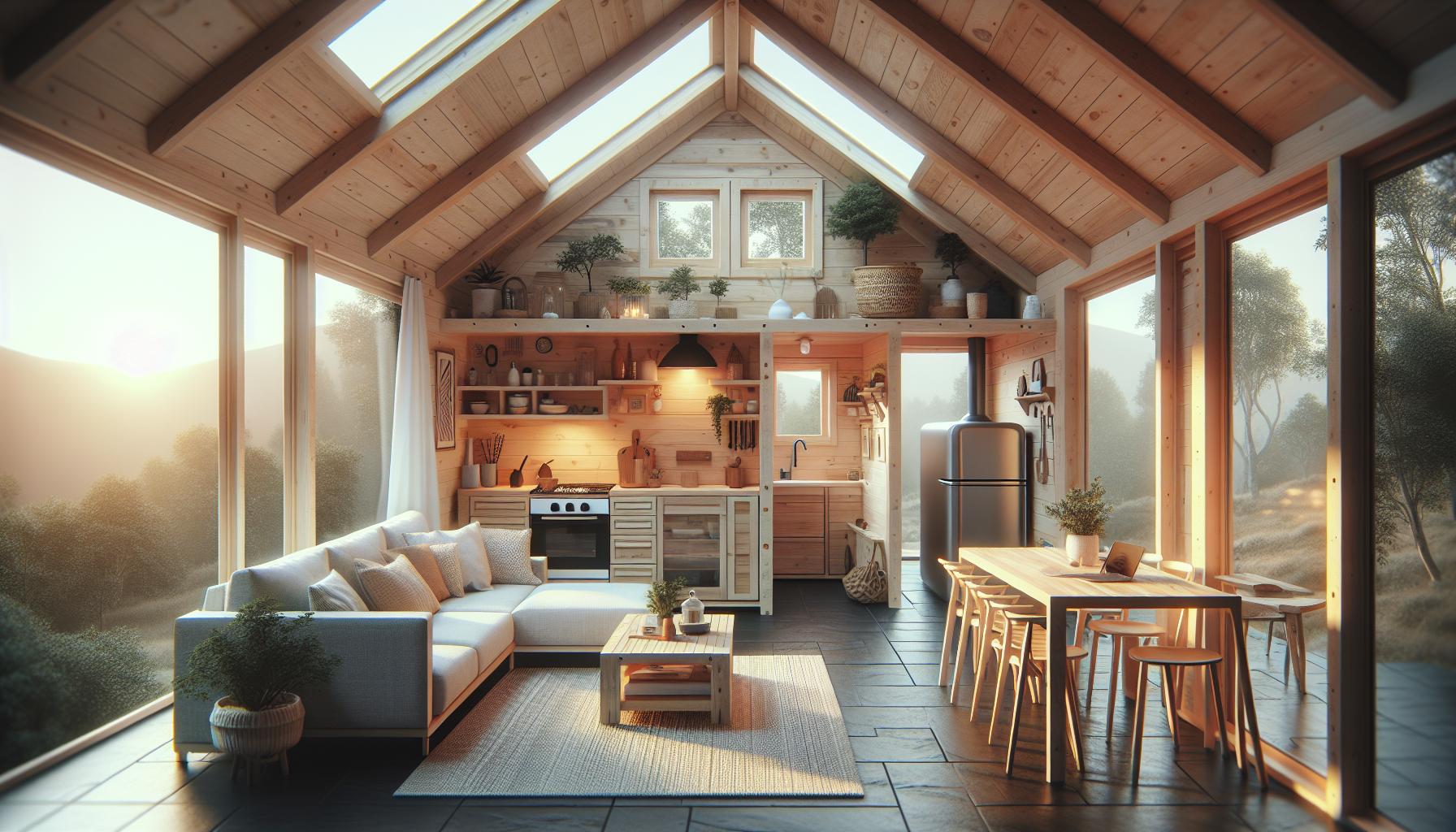
Navigating Building Codes: Compliance for Multiple Structures
The integration of multiple tiny homes on a single property can be an enticing solution for increasing housing density while promoting community spirit. Though, navigating the myriad of building codes and compliance issues can frequently enough feel overwhelming for homeowners and developers alike. Understanding the regulatory landscape is essential to ensure that your dreams of creating a cozy community are not impeded by legal complications.
Understanding Zoning Regulations
Before diving into the construction phase, it’s crucial to thoroughly research zoning regulations in your area. Zoning laws dictate what types of structures can be built and how they can be utilized. Here are some key points to consider:
- Residential vs. Commercial Zoning: Confirm whether tiny homes are permitted in your zoning district. Some areas may allow for accessory dwelling units (ADUs) while others might restrict them.
- Density Requirements: Check local limits on how many units can be placed on one property, as some jurisdictions enforce minimum lot sizes or maximum density allowances.
- Setback Regulations: Many codes require specific distances from property lines. These setbacks can influence how many tiny homes you can place on your lot.
Building Codes and Standards
Compliance with building codes ensures safety and durability. When planning to place multiple tiny homes on your property, familiarize yourself with applicable local, state, and national building codes. This includes:
- Construction Standards: Different structures may need to meet specific standards related to energy efficiency, structural integrity, and materials used.
- Safety Regulations: Fire safety codes, plumbing and electrical standards are also pivotal. Consulting with an architect or contractor who is experienced with tiny homes can greatly assist in navigating these regulations.
- Permitting Process: Each home will likely need its own permits, which can include zoning permits, building permits, and possibly occupancy permits.
The process of compliance may seem daunting, but breaking it down into smaller, actionable steps can streamline your efforts and facilitate your project. By engaging with local officials early in the planning stages and considering community feedback, you can create a proposal that aligns with the interests of both your future residents and the broader community.Ultimately, proactive planning and a thorough understanding of relevant building codes can transform the question of “Can I Put Multiple Tiny Homes on My Property?” into a reality, fostering sustainable communities that thrive together.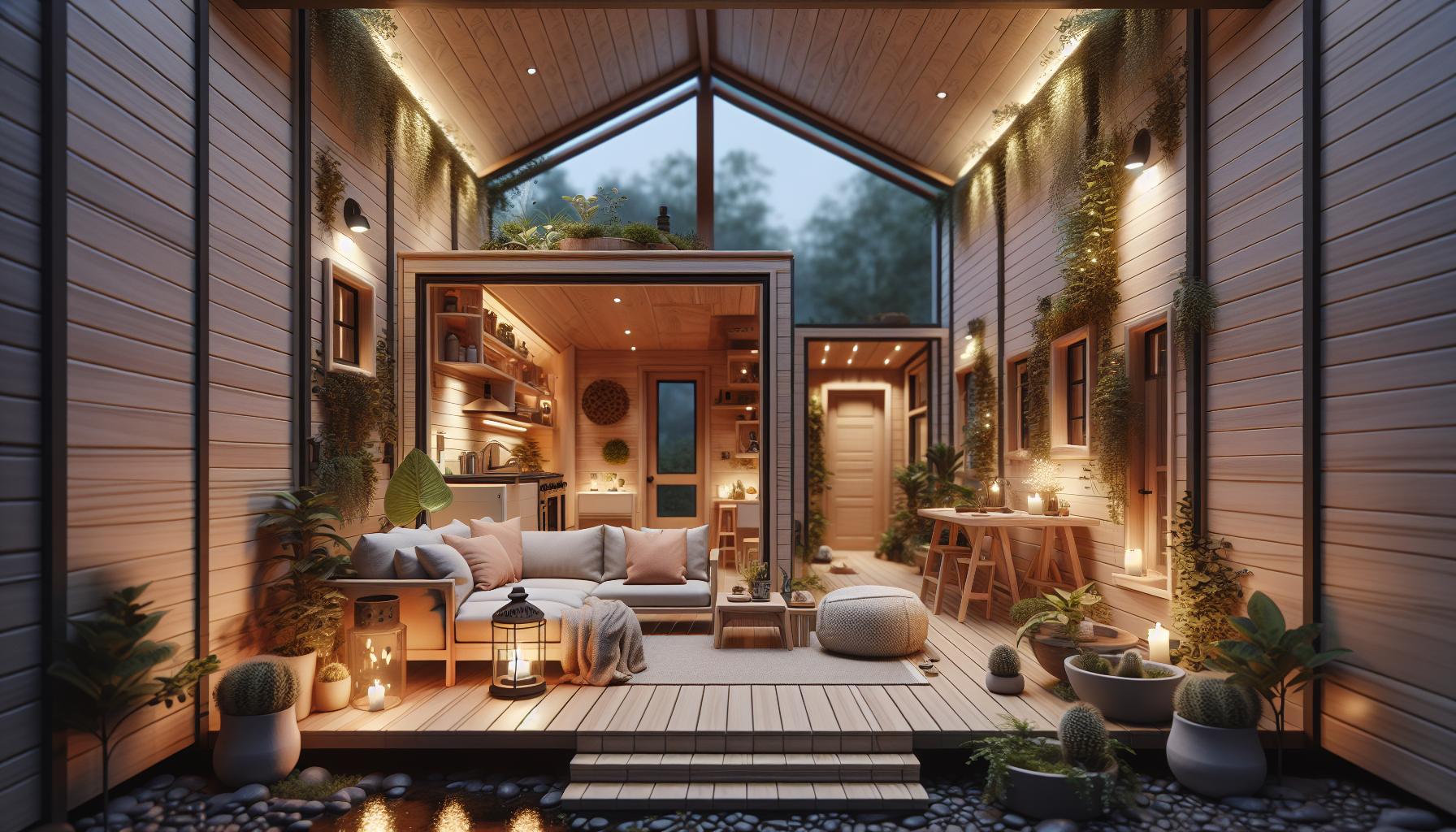
The Benefits and Challenges of Tiny Home Communities
Creating a community of tiny homes can be both an exciting and daunting venture. The appeal of tiny home living—embraced by a growing number of enthusiasts—frequently enough extends beyond just the homes themselves; it encompasses the sense of community that comes with shared values and lifestyle choices. However, while the benefits of living in tiny home communities are significant, several challenges must also be navigated. Understanding these dynamics is essential for anyone considering the question, “Can I put multiple tiny homes on my property? community Planning Tips” can help pave the way for accomplished progress.
Advantages of Tiny Home Communities
Living in a tiny home community offers various benefits that can significantly enhance the quality of life for residents.Here are some key advantages:
- Sense of Community: Residents often find a close-knit habitat where neighbors share similar lifestyles and values, fostering a supportive atmosphere.
- Affordability: tiny homes typically come at a lower cost compared to customary housing, making homeownership more accessible.
- Minimalist Lifestyle: these communities encourage a simpler way of living, which can lead to reduced stress and increased satisfaction with one’s environment.
- Environmental Impact: Tiny homes use fewer resources and generate less waste,aligning with sustainable living goals.
Challenges Faced by Tiny Home Communities
Despite the allure of tiny home living, establishing a communal space comes with its own set of challenges. Key considerations include:
- Zoning Laws: Many areas have strict zoning regulations that can complicate the placement of multiple tiny homes on a single property.Research local laws to ensure compliance.
- Infrastructure Needs: Tiny home communities require adequate infrastructure,such as sewage,water,and electricity,which can be costly and complex to install.
- Community Management: Maintaining harmony within the community can be challenging,particularly when addressing differing preferences on the use of communal spaces.
- Financing and Insurance: Finding financing options for tiny homes can be tricky, and traditional mortgage companies may not recognize tiny homes as viable properties.
Understanding these benefits and challenges provides clarity for those contemplating the establishment of tiny home communities. Whether you’re drawn to the minimalist lifestyle or the potential for a more affordable living arrangement, addressing these factors can lead to a successful collective living experience.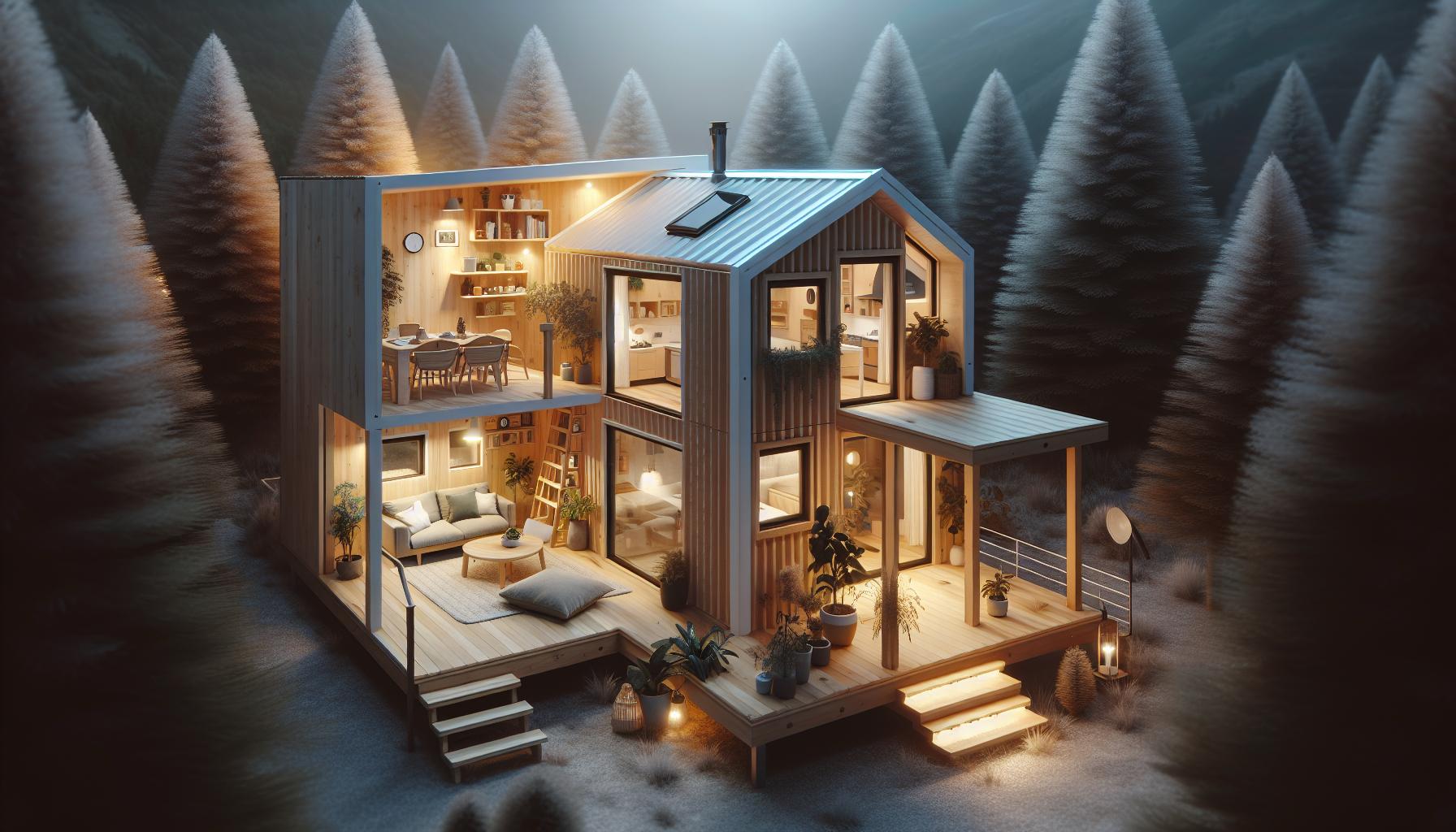
Designing your Property: Space Planning for Multiple Tiny Homes
When envisioning a property developed with multiple tiny homes, efficient space planning becomes paramount. Not only does it maximize the utility of your land, but it also fosters a sense of community, encouraging interaction while maintaining individual privacy. Understanding how to harmonize design elements can turn your vision into a thriving living environment that attracts like-minded individuals or serves as a personal retreat.
Understanding Your Space
Before diving into the aesthetics of tiny home placement,start by analyzing the land. Take into account the topography, sun exposure, and prevailing winds. Identify key environmental factors such as water drainage and existing vegetation, as these will dictate not only the placement of homes but also landscaping and outdoor communal areas. In addition, check local zoning laws and regulations to ensure compliance with codes regarding setbacks, size, and utilities.
A well-planned layout should include clear pathways and communal spaces that serve a dual purpose: facilitating social interactions and providing areas for individual activities. Consider integrating:
- Common Areas: Barbecue pits, fire pits, or picnic zones encourage social gatherings.
- Gardens: Community gardens can promote sustainability while enhancing aesthetics.
- Parks or Green Spaces: Open areas for recreation or relaxation can enrich the tiny home community experience.
Effective Layout Strategies
When designing your property for multiple tiny homes, it’s essential to explore various layout strategies that enhance not only functionality but also aesthetics. A few effective concepts to consider include:
- Clustered Layouts: This approach involves positioning tiny homes in groups around shared spaces. It fosters a sense of community while allowing for shared resources.
- Linear Arrangements: Homes can be arranged along a central path or road, providing easy access while allowing for gardens or common areas on either side.
- Zoning For Privacy: Ensure that each home has its own outdoor space. Use natural barriers such as hedges or fences to enhance privacy while promoting an open layout for social areas.
Here’s a simple comparison of layout styles:
| Layout Style | Benefits | Considerations |
|---|---|---|
| Clustered | Encourages community, maximizes shared space | Potential noise concerns |
| linear | Easy access, clear directionality | Less communal space, more separation |
| zoned for Privacy | High privacy, personal space | Could feel divided, less community interaction |
By thoughtfully planning your tiny home community and considering individual needs alongside communal benefits, you can create an enriching environment that answers the question, “Can I put multiple tiny homes on my property?” with a resounding yes, backed by smart design and planning.
Financing Considerations: Budgeting for tiny Home Development
Thinking of adding multiple tiny homes to your property? You’re not alone in this growing movement toward minimalist living, but financing these developments requires careful planning. Budgeting for tiny home development can be more complex than purchasing a traditional home, as various factors come into play, including land use, zoning regulations, and the cost of the structures themselves.
To effectively manage your finances for such a project, start by determining your total budget. This should encompass the cost of purchasing or building the tiny homes, site preparation, utility installations, and necessary permits. It’s significant to explore different financing options, as traditional mortgages are often not suitable for tiny homes. Personal loans, RV loans, or even financing through specialized lenders like lightstream, which offers loans specifically for tiny houses, can be viable alternatives [[1]](https://www.lightstream.com/tiny-houses). Each option comes with different terms and interest rates, so comparing them is crucial.
Budgeting Tips for Multiple Tiny Homes
To create a clear financial plan, consider these steps:
- Cost Breakdown: Outline each aspect of the project—property costs, home construction or purchasing costs, utilities, and landscaping.
- Contingency Fund: Always set aside 10-20% of your budget for unexpected expenses,especially if you are installing multiple homes.
- Financing Sources: research choice financing options that are specific to tiny home projects as opposed to traditional mortgages.
- Local Grants and Incentives: Investigate if there are local programs that offer financial assistance for sustainable housing initiatives.
use this budgetary framework as a starting point to identify whether adding multiple tiny homes on your property is financially feasible according to your specific community regulations and requirements, which are frequently enough addressed in various community planning tips. Remember, thorough financial planning can enhance the sustainability of your tiny home community and ensure it remains a viable and enriching investment for years to come.
By understanding your financing considerations,you can confidently navigate the complexities of adding multiple tiny homes to your property,creating not just a living space,but a lifestyle choice that aligns with your values and aspirations.
Community Engagement: Involving Neighbors in Your Tiny Home Plans
Engaging your neighbors when planning to put multiple tiny homes on your property can be the key to a successful and harmonious development. Many communities are increasingly embracing tiny home living as a sustainable option, but misunderstandings and concerns can arise if the process is not obvious and collaborative. By fostering open communication and involving local residents from the onset, you can enhance community support, mitigate potential conflicts, and create a shared vision that benefits everyone.
Building Strong Relationships
start by organizing informal gatherings with your neighbors to discuss your tiny home plans. This can be a simple coffee morning or a neighborhood barbecue where you share your vision and gather feedback. When peopel feel included in the decision-making process, they are more likely to support your initiative. Strong relationships lead to increased trust and a collaborative environment, essential for addressing any concerns about zoning, aesthetics, or potential impacts on community resources.
Utilizing Community Feedback
Implement a feedback mechanism to ensure that all voices are heard. Consider creating a simple survey or holding a workshop where community members can express their thoughts and suggestions regarding your project. This approach can offer valuable insights into how your tiny home plans can align with the community’s needs and values. Additionally, it demonstrates respect for local opinions, reinforcing the idea that your development is not just about you, but about enhancing the community you’re a part of.
Leveraging local Resources
Collaboration with local organizations can amplify your community engagement efforts. Reach out to neighborhood associations or local nonprofits focusing on housing or sustainability.These partnerships can provide credibility to your plans and help navigate regulatory hurdles.For example, working alongside local housing advocates can open doors to additional resources and even funding opportunities for your tiny home project.
| Action Step | Description |
|---|---|
| Host Informal Gatherings | Encourage open discussion about your tiny home plans. |
| Conduct Surveys | Collect feedback to shape your project based on community input. |
| Partner with Local Organizations | Ally with groups for support, resources, and guidance. |
By prioritizing community engagement in your tiny home planning, you not only enhance the likelihood of a successful project but also contribute to a more inclusive and cooperative neighborhood atmosphere. Engaging your neighbors can transform initial skepticism into enthusiastic support,ensuring that your multiple tiny homes are a positive addition to the community.
Sustainable Practices: Eco-Friendly Options for Tiny Home Settlements
Creating a tiny home settlement offers not just a path to living more simply but also an opportunity to embrace and promote sustainability. With increasing awareness about climate change and the need for environmentally friendly living,tiny homes can significantly reduce one’s ecological footprint when designed with green principles in mind. When addressing the question of whether you can put multiple tiny homes on your property, integrating sustainable practices becomes crucial to enhance community planning and overall living quality.
energy Efficiency and Renewable Resources
One of the most effective ways to ensure your tiny home settlement is eco-friendly is by utilizing renewable energy sources. Consider the following options:
- Solar Panels: Installing solar panels can dramatically decrease reliance on traditional power grids.tiny homes, with their smaller energy requirements, can be outfitted with rooftop solar systems to harness sunlight, making them energy autonomous.
- Wind Turbines: If your settlement is in an area with consistent winds, small-scale wind turbines can supplement energy needs. This approach not only saves money but also helps reduce carbon emissions.
- Energy-Efficient Appliances: Equip homes with energy-efficient appliances that use less water and electricity. Look for labels like Energy Star, ensuring your settlement complies with eco-friendly standards.
Water Conservation Techniques
Efficient water use is critical in tiny home communities, particularly in regions prone to drought. Implementing water conservation strategies can significantly reduce waste. Here are some practical approaches:
- Rainwater Harvesting: Install systems that collect rainwater from roofs for non-potable uses, such as irrigation or flushing toilets. This can greatly decrease the demand for municipal water supplies.
- Greywater Recycling: Develop a greywater system to repurpose water from sinks and showers for irrigation. Properly designed systems ensure compliance with local regulations while promoting a sustainable cycle of water use.
- Low-Flow Fixtures: Incorporate low-flow showerheads, faucets, and toilets to reduce the overall water consumption in your homes.
Eco-Friendly Materials and Waste Management
Utilizing sustainable building materials and emphasizing waste reduction can further enhance the environmental benefits of your tiny home settlement. Consider the following:
- Sustainable Materials: Use reclaimed wood, bamboo, or recycled materials for construction. These options not only reduce the strain on natural resources but also add character to each home.
- Waste Reduction Practices: Encourage composting and recycling within the community. Implementing a centralized waste management system can help minimize landfill contributions and promote responsible disposal.
| Practice | Benefits |
|---|---|
| Solar Panels | Reduces utility costs and reliance on fossil fuels |
| Rainwater Harvesting | Conserves water and reduces stormwater runoff |
| Reclaimed Materials | Minimizes waste and promotes sustainable sourcing |
By incorporating these eco-friendly options into the planning of tiny home communities, you underscore the importance of sustainability. Not only can it make a positive environmental impact,but it can also enhance the communal lifestyle by fostering a culture of eco-consciousness and shared obligation. As you explore whether to place multiple tiny homes on your property, prioritize these sustainable practices to create a thriving, eco-friendly community.
Legal Considerations and Permitting: Securing Your Tiny Home Vision
Understanding the legal landscape surrounding tiny homes can be as intricate as the tiny homes themselves. With growing interest in minimalist living, many homeowners ponder an important question: Can I put multiple tiny homes on my property? While the allure of multiple tiny dwellings may inspire dreams of community and shared resources, securing your vision requires a careful navigation of local laws and permitting processes.
Evaluating Zoning Regulations
One of the first steps in establishing additional tiny homes on your property is to research zoning regulations. Each municipality has its own zoning laws that dictate what can be built, where, and for what purpose. Residential zoning, as a notable example, may permit single-family homes only, while multi-family zoning could allow for several structures on one lot.
before moving forward,check with your local planning department to determine the zoning classification of your property. This allows you to create compliance strategies for your tiny home project. It’s crucial to understand whether your area allows for accessory dwelling units (ADUs), which might simplify the addition of tiny homes to your existing property. make sure to look into any possible requirements such as sizes, setbacks, or heights that could affect your plans.
Permitting Process and Community Involvement
Once you have a grasp on your area’s zoning laws, the next step is to delve into the permitting process.Most local governments require permits for construction, even for tiny homes. This process typically includes:
- Submitting applications that outline your intent and proposed designs.
- Providing site plans that show where the tiny homes will be placed.
- Ensuring that your plans meet building codes and safety standards.
Given the community-oriented nature of tiny home living, consider engaging with your neighbors and local planning boards early in the process. Gathering support from the community can be instrumental in overcoming potential objections and zoning hurdles. Host a neighborhood meeting to discuss your plans and gather feedback. This approach not only builds goodwill but can also provide you with valuable insights into the community’s concerns and expectations.
Understanding Utility and Infrastructure Considerations
Another essential aspect to consider is how you’ll handle utilities and infrastructure for multiple homes. Adequate access to resources such as water, electricity, and sewage disposal is vital.Familiarize yourself with regulations that govern utility connections and consider how they will impact both your homes and the surrounding environment.
Local utility providers can inform you about potential upgrades necessary to support additional dwellings. In some instances, your tiny home vision may require infrastructure improvements, which could involve additional permits or permissions. Remember to explore options like shared systems or off-grid solutions, which might alleviate some requirements while adhering to local codes.
Navigating the legalities of placing multiple tiny homes on your property can be daunting, but with thorough research and proactive planning, you can create a living arrangement that aligns with your dreams and respects community regulations. Ensuring compliance with zoning laws, permitting processes, and utility considerations will clear the path for your tiny home vision to become a reality.
Frequently asked questions
Can I Put Multiple Tiny Homes on My Property? Community Planning Tips?
Yes, you can put multiple tiny homes on your property, but it depends on local zoning laws and community planning regulations. It’s essential to check your area’s guidelines to understand the specific requirements and limitations.
Before making any plans, research your local zoning laws.some areas may categorize tiny homes as accessory dwelling units (ADUs),while others might have different classifications. Engaging with local planning offices can help clarify these key distinctions and ensure compliance.
How to Find Out the Zoning laws For Tiny Homes?
To find out zoning laws regarding tiny homes, contact your local planning department or visit their website for resources. Often, local governments provide guidelines and applications concerning tiny homes and ADUs.
Utilizing community forums and resources can also provide insights. Engaging with local tiny house groups might yield shared experiences and documentation that can simplify the research process. _Always remember to request documentation that specifies any restrictions on the number of structures you can build._
What is the Minimum Lot size for Tiny Homes?
The minimum lot size for tiny homes varies significantly based on jurisdiction. Some areas may allow tiny homes on tiny lots of 1,000 square feet, while others might require much larger spaces.
in addition to square footage, other factors, like setbacks from property lines and access to utilities, are often considered. Understanding your community’s unique requirements can help you draft a feasible plan. For related resources, check out our article on tiny home living regulations.
Why Does Community Planning Matter for Multiple Tiny Homes?
Community planning is crucial for multiple tiny homes because it ensures that developments fit within the community framework and address concerns like density, infrastructure, and environmental sustainability.
Effective planning helps to build harmonious environments where tiny homes are accepted and can thrive. It’s essential to foster relationships with local officials and community members to promote understanding and support for tiny home initiatives.
Can I Use Tiny Homes for Vacation Rentals?
Using tiny homes as vacation rentals is frequently enough possible but requires alignment with local zoning regulations and permits.Restrictions may apply depending on zoning classifications and transient rental laws.
Before proceeding, familiarize yourself with short-term rental regulations in your area and consider possible registration costs. Additionally, engage with neighboring property owners to ensure community support and avoid conflicts.
What Utilities Are Needed for Multiple Tiny Homes?
Multiple tiny homes will typically require basic utilities such as water, sewage, electricity, and possibly internet. Each home may need individual connections, depending on local codes and space configurations.
Consider the infrastructure capabilities of your property—like the availability of municipal services or the feasibility of installing off-grid systems. Understanding your options can help in making informed decisions while planning multiple tiny home placements.
How can I Engage with My Community on Tiny Home Development?
Engaging with your community on tiny home development involves open dialogues with neighbors, involvement in local meetings, and collaborating with advocacy groups. Being proactive can definitely help dispel myths about tiny homes and foster support.
Consider hosting informational sessions or attending town hall meetings to share your vision. ultimately,establishing trust and demonstrating the benefits of tiny living can create a sustainable path forward for your projects.
To Conclude
placing multiple tiny homes on your property presents both exciting possibilities and essential challenges. As we’ve explored, understanding local zoning laws and building codes is crucial in navigating community planning requirements. By engaging with your local planning department and possibly joining community advocacy groups, you can find support and guidance tailored to your unique situation. Embracing the tiny house movement allows for innovative uses of space that can lead to sustainable living, but it’s vital to balance your dreams with the realities of code compliance and neighborhood dynamics. We encourage you to connect with fellow tiny home enthusiasts, share your plans, and seek out resources that can enhance your journey. With a little research and a community-driven approach, you can make your tiny home vision a rewarding reality. Keep exploring, asking questions, and sharing your progress—your minimalist lifestyle awaits!


