


As the tiny house movement gains momentum, manny aspiring owners in the UK grapple with a pressing question: are these compact homes even legal? Understanding the complexities of British planning permission is crucial for anyone considering this lifestyle choice. This article simplifies the regulations surrounding tiny houses, providing clarity for your housing dreams.
Understanding the Tiny House Movement: A Brief Overview
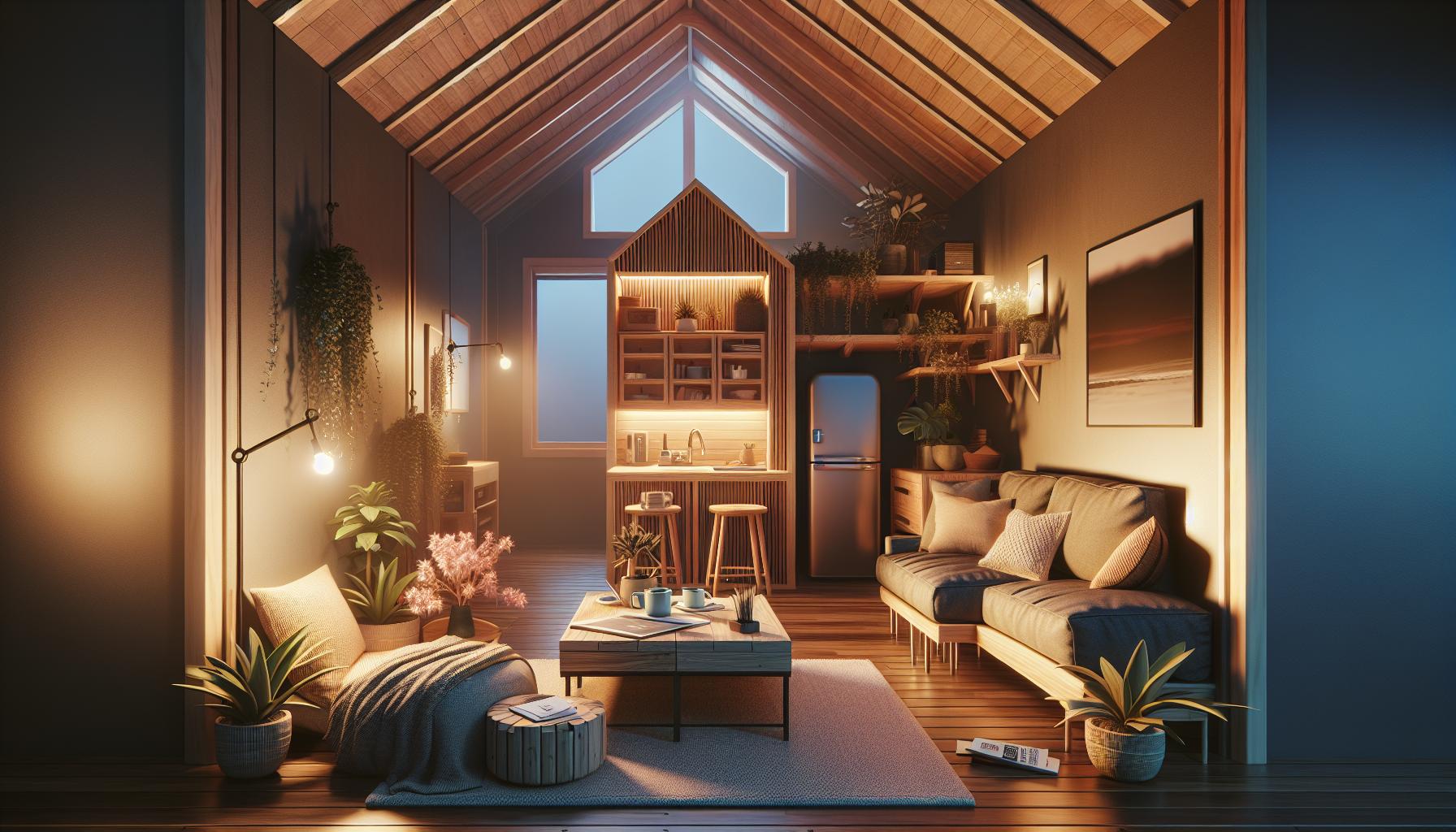
The rise of tiny houses represents more than just a trend in housing; it embodies a significant societal shift towards minimalism and sustainability. This movement encourages individuals to downsize and live in smaller spaces, promoting not only simpler living but also reduced environmental footprints. The essence of the tiny house movement lies in its emphasis on freedom from financial burdens, and also the elimination of unneeded possessions. By embracing this lifestyle, many are seeking to cultivate a more meaningful existence through experiences rather than material goods.
The Core Values of the Tiny House Movement
A few core values define the tiny house movement, appealing to enthusiasts globally, including those in the UK. These values include:
- Simplification: Reducing living space directly translates to reducing clutter, allowing individuals to focus on what truly matters.
- Mobility: Many tiny houses are built on trailers, offering the flexibility to relocate and experience new environments.
- Sustainability: Smaller homes generally consume fewer resources, encouraging eco-friendly practices while promoting a lifestyle that minimizes waste.
- Affordability: With rising housing costs, tiny homes also offer an affordable option for housing, especially for those struggling to enter the property market.
Legal Considerations for Tiny Homes in the UK
Understanding the tiny house movement’s implications in the UK involves navigating various legal requirements. The question Are Tiny Houses Legal in the UK? is crucial for potential tiny homeowners. Planning permission is one of the significant hurdles for tiny house enthusiasts.
In general, tiny homes may require planning permissions similar to conventional houses. However, the specifics can vary considerably based on location and intended use. For example, converting a vehicle into a tiny home or placing a structure in a garden may have different regulations than standard residential builds.
To navigate this landscape effectively, here are a few practical steps:
- Research local Regulations: Consulting local councils can provide insight into specific planning requirements and whether your proposed tiny home woudl need permission.
- Consider Temporary Structures: If the tiny home is legally classified as a temporary structure, it may be subject to fewer restrictions.
- Engage with the Community: Networking with existing tiny house residents can offer practical advice and guidance based on their experiences, revealing potential pitfalls and best practices.
By addressing the essentials of the tiny house movement alongside the regulatory framework in the UK, individuals can better prepare for the path toward owning a tiny home while embracing a lifestyle that prioritizes sustainability and simplicity.
Navigating Planning Permission: What You Need to Know
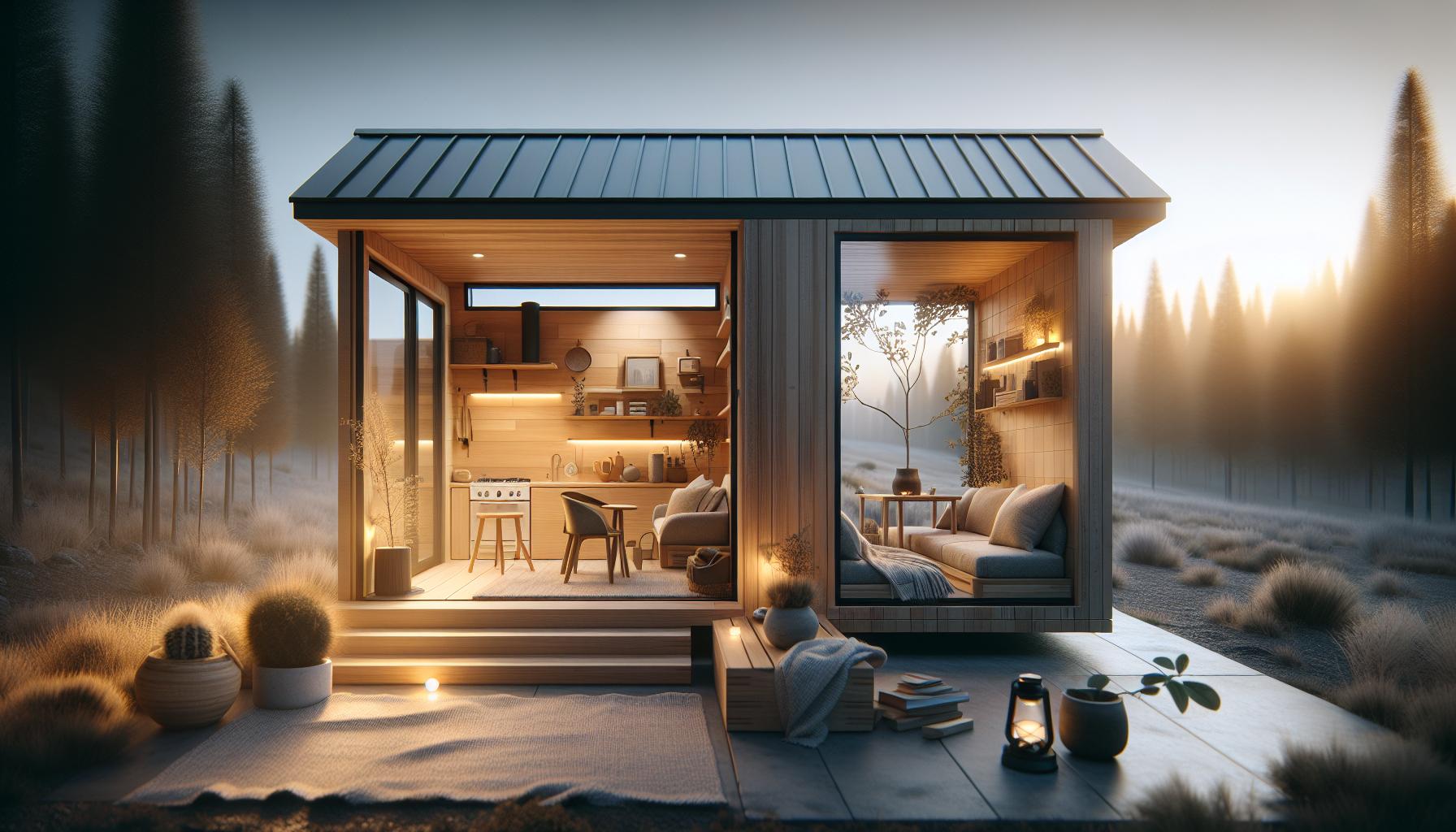
Many individuals captivated by the charm of tiny houses in the UK often find themselves grappling with the intricacies of planning permission. In a landscape where property ownership is increasingly challenging, understanding the legal framework surrounding tiny houses can significantly impact your journey from dream to reality. Navigating the labyrinth of British planning regulations is crucial for ensuring that your tiny house project progresses smoothly and legally.
Understanding Planning permission Basics
Before embarking on your tiny home adventure, you must grasp the foundational elements of planning permission. In the UK, all new buildings typically require approval from the local planning authority, which governs what can be built where. Tiny houses, depending on their dimensions and intended use, may fall under various categories that determine the need for planning permission.
- Permanent Structures: If your tiny house is intended to be a permanent dwelling, you will almost certainly need to secure full planning permission.
- Temporary Structures: In some cases,if your tiny home is classified as a temporary structure,it might be exempt from standard planning regulations for a limited period.
- Mobile Units: If your tiny house is on wheels, it might be classified as a caravan, subjecting it to different regulations.
Key Considerations for Tiny House Projects
Several factors can influence the likelihood of obtaining planning permission for your tiny house. Each council has its own rules, and attitudes towards tiny living are evolving. here are some critical considerations:
| Factor | Description | Impact on Permission |
|---|---|---|
| Location | Proximity to urban areas and designated green spaces | Highly variable; rural areas may be more supportive |
| Design | Architectural style and impact on local aesthetics | A well-thought-out design can enhance approval chances |
| Use | Intended use as a home, holiday let, or rental | Different regulations apply based on use |
| Services | Access to water, electricity, and sewage | Essential for sustainability and local compliance |
Being proactive in addressing these factors can bolster your application. Engaging with local councils early in the planning process can provide insights into specific requirements or restrictions related to tiny houses in your area. Moreover, gathering support from local community members or groups that favour lasting living can further strengthen your case.
By being informed and prepared, you can confidently navigate the complexities of planning permissions, making your tiny house aspirations a feasible reality within the UK’s regulatory framework.
The Role of Land Ownership in Tiny House Legality
The question of tiny house legality frequently enough hinges on the nuances of land ownership. While the charm of downsizing to a tiny home is appealing, understanding how land tenancy influences the ability to build or place a tiny house can be complex. Many prospective tiny homeowners may find that their dreams are thwarted simply by where they are trying to live.
Understanding Land Ownership Types
Land ownership significantly affects where and how you can legally position a tiny house. There are several types of land tenures in the UK, each with its own regulations and implications:
- Freehold: When you own the freehold of land, you have the most control, allowing you to develop it as you wish within local planning regulations. This is the ideal scenario for tiny house owners.
- Leasehold: Owning the lease on the land means you’re subject to the terms of the lease agreement. This could impose restrictions on modifications, making it vital to scrutinise the lease before placing a tiny house.
- Cooperative or Community Land Trusts: These arrangements can offer more leniencies regarding tiny houses, as they frequently enough promote sustainable living and alternative housing solutions.
Planning Permission and Local authority Regulations
Even when secured land ownership is in place, local authorities have the final say in terms of planning permission. Understanding *Are Tiny Houses Legal in UK? British Planning Permission Simplified* means recognizing that each council operates under its own regulations, which can vary drastically.
Some councils may view tiny houses as ‘temporary structures’ while others might be more receptive, especially in the context of addressing housing shortages.Consequently, engaging with your local council early in the process is essential. Requesting a pre-application advice session can provide insights into how your proposed tiny house would align with local zoning laws, helping to mitigate potential issues down the line.
Real-World Examples and Considerations
consider Adam and Sarah, a couple who aimed to build their tiny home in a picturesque village but faced challenges due to restrictive zoning laws even though they owned the land. Engaging with local practitioners and visiting planning workshops allowed them to pivot their approach successfully. They received invaluable advice on community permits and how to present their case for acquiring the necessary permissions.
It’s also essential for prospective tiny house owners to research and connect within the tiny house community to understand better what has worked for others in similar situations. Joining forums or local groups can provide useful insights into navigating the complexities of land ownership and planning permissions.
| Type of Land | control Level | Potential Restrictions |
|---|---|---|
| Freehold | High | Local council regulations apply |
| Leasehold | Moderate | Subject to lease terms |
| Cooperative/C.L.T. | Variable | Perhaps lenient in sustainable plans |
the landscape of tiny home legality is intricately tied to land ownership. Understanding your rights and responsibilities can empower you to navigate the complex web of planning permissions effectively. as tiny house living gains traction in the UK, keeping abreast of changes in regulations and community trends will be invaluable for anyone wishing to embrace this minimalist lifestyle.
Key Planning Regulations for Tiny Houses in the UK
Planning a tiny house in the UK can be both an exciting and challenging venture. As the popularity of tiny living grows, so to do the complexities surrounding planning regulations. Understanding these regulations is crucial for ensuring that your tiny house project aligns with legal requirements and local council guidelines. The first step is to appreciate that tiny houses, like any other form of residential housing, must adhere to specific planning laws crafted to manage land use and development across the country.
Permitted Development Rights
One of the most pivotal aspects of planning regulations is the concept of Permitted Development Rights.These rights allow homeowners to make certain changes to their properties without the need for full planning permission. Though, tiny houses frequently enough fall into a gray area. Generally, if you are placing a tiny house on a permanent foundation and using it as a primary dwelling, you will need to obtain planning permission. It’s essential to check whether the area where you wont to place your tiny home has specific restrictions or guidelines affecting your development rights.
Factors Influencing Planning Permission
When applying for planning permission, several key factors come into play, including:
- Location: The site’s designation—such as being in a conservation area or an Area of Outstanding Natural Beauty (AONB)—can significantly affect your application.
- Design: Tiny houses must aesthetically blend into their surroundings. Local councils frequently enough require designs that complement existing structures.
- use: The intended use of the tiny house, such as whether it will be a permanent residence or a temporary dwelling, plays a critical role in the planning decision.
- Infrastructure: Access to utilities like water, waste disposal, and electricity needs to be considered and approved for long-term habitation.
Environmental Impact and Sustainability
Consideration for the Environmental Impact is increasingly prioritized in planning decisions. Many councils encourage sustainable living by implementing guidelines that support low-impact development.To align with these values, incorporating sustainable practices in your tiny house, such as solar panels or rainwater harvesting systems, can strengthen your planning application.
| Key Consideration | description |
|---|---|
| Location | check zoning laws and whether the area allows for residential development. |
| Design | Ensure the design complies with local aesthetics per council requirements. |
| Utilities | Verify access to essential services and infrastructure. |
| Environmental Impact | Incorporate eco-friendly solutions to enhance sustainability. |
By fully understanding these planning regulations and preparing in advance, you can navigate the complexities of tiny house legality in the UK more effectively. Be diligent in your research, seek advice from local planning authorities, and consider working with professionals who specialize in tiny house projects to enhance your chances for success.
Exploring Alternative housing Options: Tiny Houses on Wheels
The rising interest in tiny houses on wheels reflects a growing desire for flexibility, sustainability, and simplicity in living arrangements. Unlike traditional homes, these mobile dwellings offer a unique solution that aligns well with modern lifestyle preferences. However, potential owners must navigate legal complexities regarding planning permission, particularly in the UK. Understanding local regulations can empower individuals to seize the possibility that tiny homes present, enabling them to lead a liberated lifestyle without the encumbrance of excessive financial commitment.
Understanding Legal Requirements
Before considering a tiny house on wheels, it’s essential to grasp the legal framework surrounding such structures. In the context of the UK, regulations differ depending on the type of vehicle and intended use. Tiny houses classified as “caravans” generally enjoy more lenient planning laws than permanent structures. To qualify as a caravan, a home must meet specific dimensions and criteria, including being mobile and not intended for permanent habitation. This classification can significantly simplify the planning permission process, making it easier to place a movable home without extensive legal hurdles.
Practical Steps for Compliance
To ensure your tiny house on wheels complies with local regulations,consider these actionable steps:
- Research Local Laws: Investigate your local council’s policies regarding temporary and mobile homes. Each area may have unique regulations.
- Choose the Right Design: Opt for a design that meets the “caravan” criteria. This may include size restrictions and mobility factors.
- Apply for Planning Permission if Needed: If your dwelling will be stationary for lengthy periods, some councils may require formal planning approval, especially if it’s tied to utility connections.
- Engage with the Community: Connect with local tiny house groups or forums to gain insights from others’ experiences navigating the legal landscape.
Benefits of Tiny Houses on Wheels
Investing in a tiny house on wheels offers numerous perks that extend beyond mere cost savings. These homes promote an eco-friendly lifestyle, often incorporating sustainable building practices and materials. Mobility allows owners to explore different locations, adapt to changing life circumstances, or even travel. For example, a family can use a tiny house to explore the countryside while maintaining the comforts of home.
Contrary to outdated misconceptions about tiny living, modern tiny houses come in various stylish designs with elegant amenities. They can serve as permanent residences, guest houses, or short-term rental properties. it’s an innovative way to maximize space and minimize waste,embodying the values of minimalism while providing a charming,personalized living experience.
the trend of tiny houses on wheels presents a viable option for those seeking alternative housing solutions. By understanding and navigating the legalities—the nuances encapsulated in the discussions about tiny housing legality in the UK—potential owners can unlock a meaningful,less restrictive lifestyle.
Common Misconceptions: What Tiny House Owners Should Beware Of
Navigating the world of tiny houses in the UK can be both exciting and daunting. as the popularity of these compact dwellings rises, so do the misunderstandings surrounding their legality and planning permissions. Many prospective tiny house owners fall prey to misconceptions,which can lead to outdated facts influencing their dreams. Addressing these myths is crucial for anyone considering making a tiny home their own.
Believing Tiny Houses Are always Legal
One of the most pervasive myths is that all tiny houses are automatically legal anywhere in the UK. In reality, just as a house is small doesn’t mean it complies with local planning regulations. While there is growing awareness and acceptance of tiny living, the legality of such structures often depends on their size, design, and location. as an example, a tiny house on wheels might potentially be classified differently than a permanent tiny home.
Assuming Mobile Tiny Houses Require No Permission
Many people mistakenly think that tiny houses on wheels don’t require any form of planning permission. This oversight can be costly. While it’s true that tiny homes on trailers may not be considered traditional dwellings, they still fall under the scrutiny of local authorities if parked on land long-term. Likewise, zoning laws can vary significantly by region, dictating where you can legally place a mobile tiny home. It’s advisable to check with your local council before proceeding.
Misunderstanding the Role of Permitted Development Rights
Another common erroneous belief is that tiny houses automatically fall under “permitted development rights.” These rights allow certain types of building work without needing to apply for planning permission, but they come with strict caveats. For example, to take advantage of these rights, your tiny house must meet specific criteria regarding height, size, and usage. Misinterpretation of these regulations can delay your plans or even result in enforced removal.
Common Misconceptions at a Glance
To clarify these misunderstandings, here’s a brief overview of the most critical points for prospective tiny house owners to consider:
| Myth | reality |
|---|---|
| All tiny houses are legal | Legal status varies according to local planning laws. |
| Mobile tiny houses need no permission | Local authorities may require permission based on land use. |
| Permeated development rights are guaranteed | Specific conditions must be met to qualify. |
It’s essential to conduct thorough research and obtain accurate information when considering a tiny house in the UK.Consulting local planning experts or connecting with communities of existing tiny home owners can provide invaluable insights, ensuring that you set out on the right foot in your tiny living journey.
Tips for Securing a Successful Planning Application
To successfully navigate the complexities of securing planning permission for a tiny house in the UK, it is essential to approach the process with a strategic mindset. Many applicants underestimate the importance of thorough readiness and understanding the local planning policies. The legal landscape around tiny houses can be intricate, but by following a few key steps, you can significantly increase your chances of a successful application.
Understand Local Planning Policies
Before submitting your application, it’s crucial to familiarize yourself with the local planning policies that govern land use in your area. Each council may have its own set of rules concerning the size of dwellings and what constitutes acceptable housing. Here are some actions you can take:
- Research Local Guidelines: Visit your local planning authority’s website to review the relevant policies.
- Consult with Neighbors: Engage with your community to gauge local sentiment regarding tiny houses.
- Attend Council Meetings: Participate in council meetings or planning forums to understand common concerns and preferences.
Prepare Comprehensive Documentation
submitting a well-documented planning application can make all the difference. Ensure you include the following:
| Document | Description |
|---|---|
| Site Plan | A detailed map showing the location and dimensions of your tiny house. |
| Design Statement | A narrative outlining your design choices and how they comply with local aesthetics and policies. |
| Environmental Impact Assessment | A report evaluating how your tiny house may affect the surrounding surroundings. |
| Supporting Letters | Testimonials or endorsements from neighbors or community members advocating for your project. |
Engage Local Authorities Early
Building a rapport with local planning officials can be beneficial. Try to initiate conversations with them about your plans before submitting your application. This proactive approach allows you to gain insights into what the council might be looking for, and you may even receive guidance on how to tailor your application for a higher likelihood of acceptance.
Additionally, consider applying for pre-application advice from your local council. while this service often incurs a fee, it can provide invaluable feedback that could shape your final submission positively.
By equipping yourself with knowledge, preparing thorough documentation, and engaging with local authorities, you can navigate the legal landscape of tiny house planning permissions in the UK more effectively. Remember that every application is a learning experience, and perseverance often leads to success.
Embracing Minimalism: The Philosophical Appeal of Tiny Living
The allure of tiny living often transcends mere practicality; it resonates deeply with a philosophical yearning for simplicity and fulfillment. Those who delve into the tiny house movement typically find that embracing minimalism isn’t just about downsizing their square footage, but also about re-evaluating their values and priorities. As people grapple with a lifestyle increasingly dominated by consumerism, many are asking themselves, “What do I truly need to be happy?”
The core Values of Minimalism
For many, minimalism is more than just an aesthetic; it is a way of life. By stripping away the excess, individuals frequently enough find a clearer path to enjoying what really matters. embracing minimalism can lead to several benefits:
- Reduced Stress: Fewer possessions can mean fewer responsibilities, leading to a calmer, more manageable life.
- Financial Freedom: Smaller living spaces often mean lower costs, allowing for savings that can be invested back into experiences rather than things.
- Environmental Awareness: Tiny houses typically consume less energy and fewer resources, aligning with a growing consciousness about environmental sustainability.
- Enhanced Relationships: By focusing on experiences shared with others rather than material possessions, individuals can forge deeper connections.
A Shift in Viewpoint
The philosophy underpinning tiny living dovetails seamlessly with the legal implications surrounding tiny houses in the UK. Understanding whether tiny houses are legal in the UK, as detailed in *are Tiny Houses legal in UK? British Planning Permission Simplified*, not only addresses bureaucratic obstacles but also provides the framework for a lifestyle that values quality over quantity. Individuals looking to adopt this minimalistic approach can navigate legal stipulations by considering:
| Aspect | Considerations |
|---|---|
| Planning Permission | Essential to determine if your tiny house meets local guidelines. |
| Location | Find areas that are more permissive towards tiny living. |
| Usage | Clarify whether it will be a permanent residence or a temporary structure. |
Many who have successfully transitioned into tiny living have reported feeling liberated from the burden of a large home filled with unused items. For those seeking to implement this transformative lifestyle, reflecting on the core principles of minimalism and understanding legal frameworks can pave the way towards a richer, more meaningful existence rooted in essential experiences rather than excess.
FAQ
Are Tiny houses Legal in the UK?
Yes, tiny houses can be legal in the UK, but they must comply with local planning regulations and building codes. This makes securing appropriate planning permission critical before moving forward with your tiny house project.
Most tiny house designs fall under the category of mobile homes or temporary structures, which can make them easier to navigate within UK laws. However,local councils may have different rules,so it’s significant to check with your local authority for specific *planning guidelines* and any restrictions that may apply.
What is the process for getting planning permission for a tiny house in the UK?
The process typically involves submitting a planning application to your local council, which includes detailed plans of your proposed tiny house. You must demonstrate how your home meets local policies and regulations.
Applications can take several weeks to process, and local authorities may require additional documentation, such as *environmental assessments*. Understanding your area’s specific planning policies will help ease this process, ensuring your tiny house complies with all local legislation.
Can I live full-time in a tiny house in the UK?
Yes, living full-time in a tiny house is absolutely possible, but it requires adherence to legal standards.This includes securing the appropriate planning permission and ensuring your tiny home is compliant with building regulations.
Some tiny house enthusiasts find land on which to place their home,but renting or buying land that allows for full-time residency is essential. Investigating local zoning laws will help you avoid any legal issues later on.
Why does tiny house legality vary across the UK?
Tiny house legality varies due to different local council regulations and planning policies. Each council has the authority to establish its own rules regarding temporary housing, permanent residences, and mobile homes.
This means that while some areas might be accommodating for tiny houses, others may have strict guidelines or outright bans. It’s essential to research your specific area and consult with planning experts to understand the local framework.
What are the legal requirements for building a tiny house on wheels in the UK?
To legally build a tiny house on wheels, it must meet specific vehicle specifications and comply with road safety standards. You’ll usually need to register it as a vehicle and ensure it’s roadworthy.
Despite being considered a mobile home, local councils still have jurisdiction over where you can park it. It’s crucial to check *local zoning laws* as they dictate where you can stay, especially for longer periods.
Can I use my tiny house as a holiday home in the UK?
Yes, you can use your tiny house as a holiday home, but you’ll still need to obtain the necessary planning permission to operate it as a self-catering unit. This often involves securing a change of use from your local council.
Short-term lets in tourist areas are often supported, but be sure to comply with any *local tax obligations*, such as business rates. Consider utilizing resources on *short-term renting requirements* to stay compliant while enjoying your tiny living experience.
Where can I find more information about tiny house laws in the UK?
For more comprehensive information about tiny house laws, *local government websites* are an excellent resource. Additionally, organizations that focus on sustainable living often provide insights into planning policies and building regulations.
Websites like the Tiny House UK offer community-driven knowledge and support regarding tiny house living. engaging with local groups can also help clarify regulations specific to your area.
To Conclude
As we wrap up our exploration of the legal landscape surrounding tiny houses in the UK, it’s clear that while the minimalist lifestyle may seem simple, the regulations can be anything but. Understanding the intricacies of British planning permission is crucial for anyone dreaming of downsizing to a tiny home. Remember, the key takeaways include familiarizing yourself with local planning policies, knowing the difference between a temporary structure and a permanent dwelling, and engaging with your local council early in the process to avoid potential pitfalls.
Embracing tiny living can offer significant benefits, from reducing your environmental footprint to fostering a newfound sense of freedom. However, navigating the maze of legal requirements is just as important as the decision to embrace minimalism itself. We encourage you to dive deeper into these topics—research your local regulations, connect with fellow tiny house enthusiasts, and gather insights that will help you make informed choices. Every step you take brings you closer to living the sustainable, simplified life you’ve envisioned. Happy building!


