


As the tiny house movement gains momentum, prospective homeowners in Nebraska face a crucial question: Are these compact dwellings permitted under the state’s zoning laws? Understanding the legal landscape around tiny homes is vital for aspiring residents looking to simplify their lives while navigating potential regulatory hurdles. Let’s explore the ins and outs of zoning regulations in the heartland.
Understanding the Basics of Tiny House Legality in Nebraska

Navigating the legality of tiny houses can feel daunting, especially in states like Nebraska where zoning regulations are often complex. Understanding local laws is crucial for anyone considering trading a customary home for a compact living space. Almost one in five americans has considered moving into a tiny house, making it more important than ever to clarify what’s permissible in various locations—including the Heartland.
in Nebraska,the answer to the question,”Are tiny houses legal?” is not a straightforward yes or no. Rather, it depends largely on local zoning laws, which can vary considerably from one community to another. In rural areas, tiny houses may face fewer restrictions, while in urban centers, regulations could be stricter.Hear are some fundamental aspects of tiny house legality in Nebraska that prospective owners should consider:
Key Considerations for Tiny House Ownership
- Zoning Regulations: Different municipalities have vastly different rules. Before purchasing or building a tiny house, check with local zoning offices for guidelines related to minimum square footage, type of foundation, and acceptable uses.
- Building Codes: Tiny houses may need to comply with specific building codes that establish safety and design standards. Ensure your tiny house plan aligns with local construction regulations.
- Land Use: Some areas may allow tiny homes on a temporary basis if they’re classified as accessory dwelling units (ADUs), while others could prohibit them entirely.
- permanent vs. Mobile Structures: The legality often hinges on whether the tiny house is stationary or mobile. While RVs and trailers have more lenient regulations, permanent tiny houses could face more scrutiny.
Real-World Examples
To illustrate the complexities of tiny house legality in Nebraska, let’s examine a few communities:
| City | regulation Type | Notes |
|---|---|---|
| Omaha | Stricter Zoning | Requires compliance with residential building codes; limited areas for tiny houses. |
| Lincoln | Accessory Dwelling Units Allowed | ADUs can be tiny homes but must meet specific requirements. |
| Hastings | flexible Zoning | More lenient, especially in rural zones; easier permitting process. |
Before committing to a tiny house lifestyle in Nebraska,it’s essential to conduct thorough research based on your specific location. Engage with local zoning boards and seek advice from those already living in tiny homes.By doing so, you’ll be better equipped to navigate the often murky waters of tiny house legality in the Heartland.
Zoning Laws: What You Need to Know for Tiny House Development
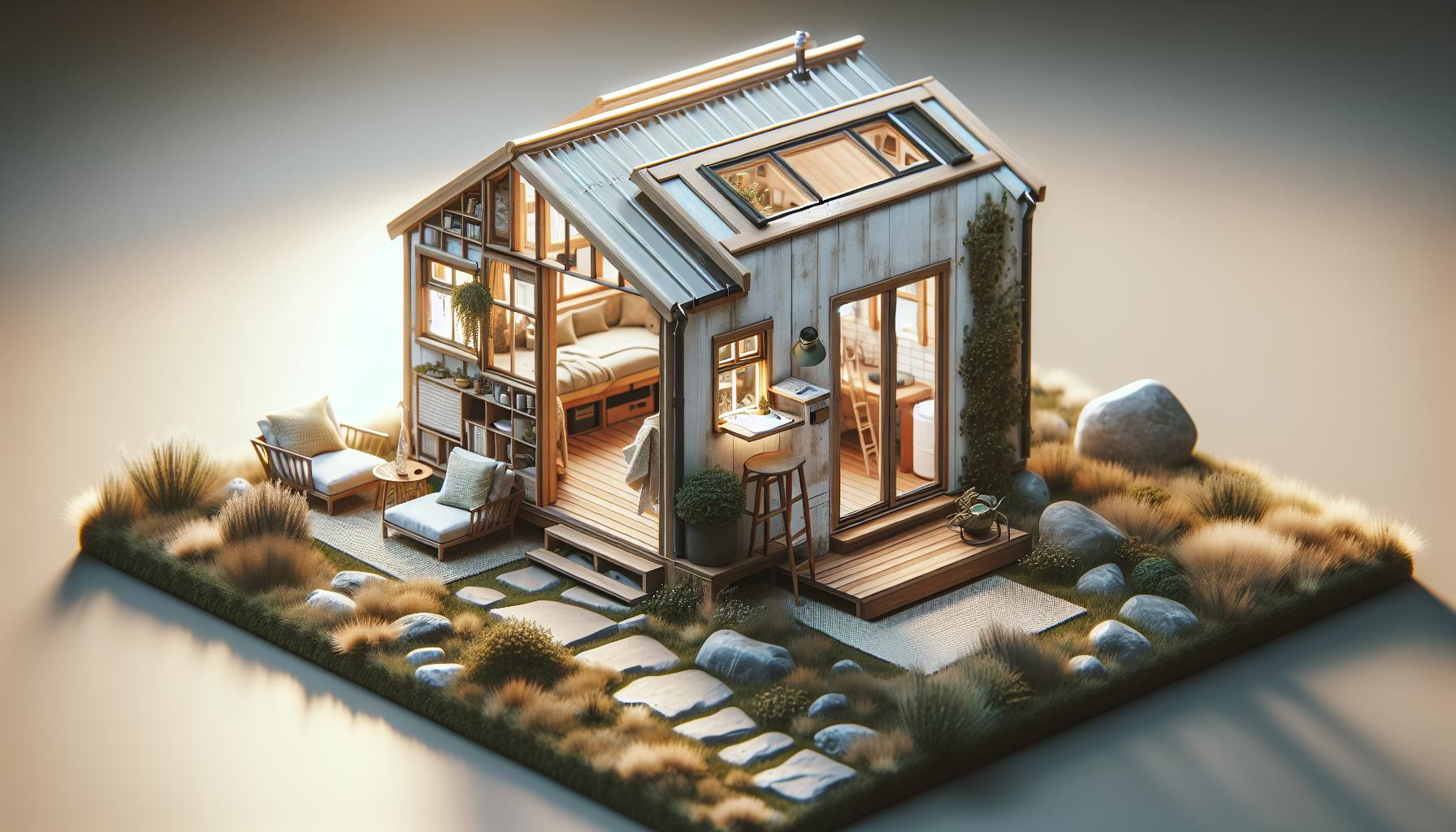
As the trend toward tiny living continues to grow, understanding zoning laws becomes critical for anyone considering this lifestyle. Tiny houses often face unique challenges within the existing legal framework due to their size and unconventional nature. In Nebraska, the legality of tiny houses and their placement depends heavily on local zoning laws, which vary from one municipality to another. Residents need to be aware that zoning regulations dictate how land is used, which directly impacts where tiny houses can be located.
Zoning Basics for Tiny House Development
Zoning laws are designed to control land use and ensure orderly development.In Nebraska, many cities have specific regulations regarding minimum square footage for homes, which can exclude tiny houses. To effectively navigate these regulations, potential tiny house owners should:
- Research local zoning ordinances to understand minimum home size requirements.
- Identify areas designated for residential living that may allow tiny homes.
- Consider speaking with city planners or local zoning boards to gain clarity on any specific provisions related to tiny houses.
It’s also important to consider setbacks,which are the required distances between a structure and property lines. These setbacks can significantly impact where a tiny house can be placed, especially in urban settings. Some communities may also have restrictions on the types of foundations allowed, which could impact the feasibility of a tiny house on wheels compared to a permanent structure.
Local Examples and Variations
Understanding local examples is vital as zoning laws may differ widely even within the same state. As a notable example, while some Nebraska cities have embraced tiny homes, allowing them as an alternative housing option, others remain resistant to change.
| City | Minimum House Size | Tiny House Policy |
|---|---|---|
| Omaha | 1,000 sq ft | does not allow tiny homes. |
| Lincoln | 720 sq ft | Permits accessory dwelling units. |
| North Platte | 1,000 sq ft | under consideration for tiny house zoning. |
Steps for Compliance and Success
To successfully navigate zoning laws for tiny house development in Nebraska, consider taking the following actionable steps:
- Consult Local Authorities: Before making any purchases or commitments, check with your city’s planning department to get current facts on zoning and regulations.
- Join Local Advocacy Groups: participating in local tiny house advocacy groups can provide insights and support from those who have successfully navigated the system.
- Explore Variance Options: If your desired location does not permit tiny homes, inquire about obtaining a variance—a special exception to zoning laws.
By fully understanding zoning laws and actively engaging with local regulations, potential tiny house owners can create a feasible plan that aligns with their dream of minimalistic living while ensuring compliance with city requirements.
Navigating Building Codes: A Guide for Tiny House Owners
Understanding local building codes is crucial for anyone considering a tiny house, especially in places like nebraska where zoning regulations can be complex.Tiny houses often challenge traditional definitions of dwellings, prompting various municipalities to create specific rules around their construction and placement. To navigate these potential roadblocks, prospective tiny house owners should familiarize themselves with local zoning laws and building codes to ensure compliance and avoid costly penalties.
Key considerations for Tiny House Owners
when embarking on your tiny house journey in nebraska, keep the following factors in mind:
- Zoning Regulations: Different counties and cities have varying regulations regarding where tiny houses can be placed. research the zoning classification of your desired location to determine if tiny houses are permitted.
- Building Codes: Tiny houses may need to comply with state and local building codes,which can dictate everything from structural integrity to fire safety requirements. Consult local regulations to ensure your tiny house meets these standards.
- Permits: Most jurisdictions require permits for construction. Be prepared to submit architectural plans and possibly go through inspection before you can move in.
- Utility Access: Understand how your tiny house will connect to utilities, such as water, electricity, and sewage. Some areas may have restrictions on tiny homes that do not meet standard utility connections.
Real-World Examples of Compliance
In communities across Nebraska, tiny house owners have successfully navigated zoning regulations by collaborating with local authorities and taking proactive steps. As a notable example,in some cities,tiny houses can be placed on residential lots or as accessory dwellings on existing properties,provided they meet specific size and construction standards set forth by local codes. It’s advisable to engage with a local lawyer or building consultant who understands both state and local laws for a more streamlined experience.
Another positive case study can be seen in towns that have embraced tiny homes as a solution to housing shortages.local governments have developed pilot programs allowing tiny house communities, with established guidelines that ensure residents adhere to safety protocols and zoning requirements.
Resources and Next Steps
to ease the navigation of these regulations,tiny house owners should consider the following resources:
| Resource | Description |
|---|---|
| Local planning Offices | Your first point of contact for zoning questions and permit applications. |
| Building Code Departments | Can provide detailed building codes that your tiny house must comply with. |
| Tiny Home Associations | Organizations that advocate for tiny house rights and provide local resources. |
| Legal Advisors | Lawyers specializing in land use can help interpret local laws effectively. |
By tapping into available resources and staying informed about both state and local guidelines, tiny house owners can confidently answer the question, “Are tiny houses legal in Nebraska?” and successfully explore their dream of tiny living.
Finding Your Perfect Spot: Tiny House Placement and land Use Regulations
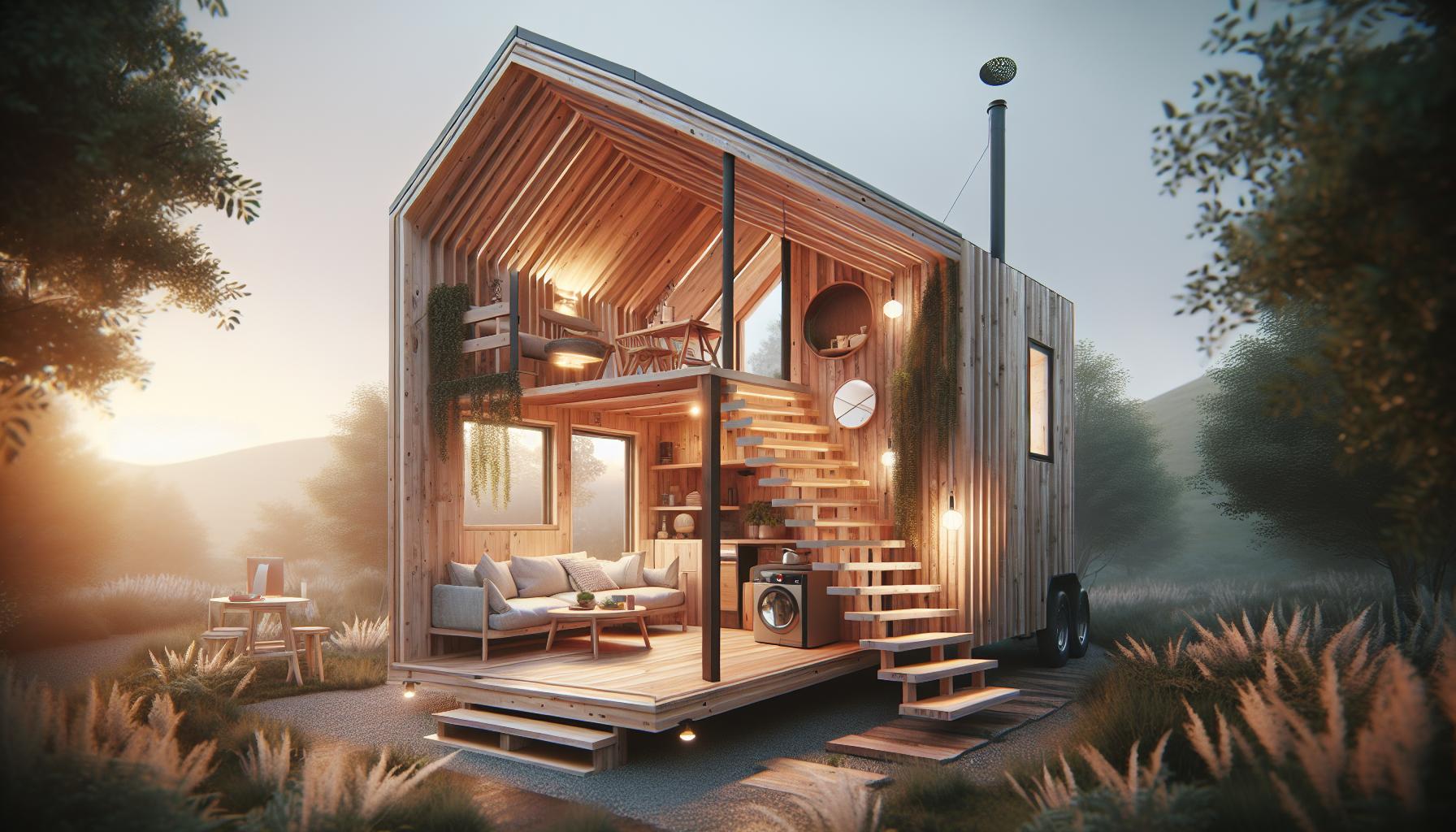
Finding the right location for your tiny house is as crucial as the house itself. With the growing interest in minimalist living, understanding zoning laws and land use regulations in Nebraska has become paramount for future tiny house dwellers.Before you embark on your tiny living journey, a careful assessment of local policies is essential, as restrictions can vary widely across counties and municipalities.
Understanding Zoning Regulations
Zoning regulations dictate how land can be used, and these rules may include specific requirements for tiny houses. In many areas,tiny houses can categorize under residential,agricultural,or even recreational zoning. Here’s what you need to consider:
- Residential Zones: Some communities allow tiny houses on permanent foundations, while others may require a minimum size for dwellings.
- Agricultural Zones: Tiny houses frequently enough have more leeway in rural or agricultural zones, but it’s vital to check if residential use is permitted.
- Recreational Zones: Parks or campgrounds may allow temporary tiny house placements but check for restrictions on longer-term stays.
Land Use Regulations You Should Know
Different counties in Nebraska have distinct land use regulations that affect tiny house placement. Generally, you’ll wont to consider the following aspects:
- Lot Size Requirements: Some towns may require a minimum lot size that could impede tiny house living.
- Septic and Water Regulations: Compliance with health department standards for wastewater and water supply is mandatory and varies by location.
- Setback Regulations: These rules determine how far your tiny house should be from property lines, which impacts where you can place your home on the lot.
| County | Residential Zoning Rules | Agricultural Zoning Advantages |
|---|---|---|
| Douglas | Minimum 600 sq ft | Permits tiny houses as guest accommodations |
| Lancaster | Varies; check local ordinances | Less restrictive; often allows recreational use |
| Buffalo | Requires permanent foundation | Rural areas can host tiny houses without strict regulations |
Ultimately, navigating the landscape of tiny house legality in Nebraska requires diligence and thorough research. Local zoning boards and municipal planning departments are excellent resources for anyone looking to settle into their tiny dream home. By familiarizing yourself with these regulations,you can better position yourself to find your ideal tiny house spot while adhering to the necessary legal frameworks.
The Role of Homeowners Associations in Tiny House Communities
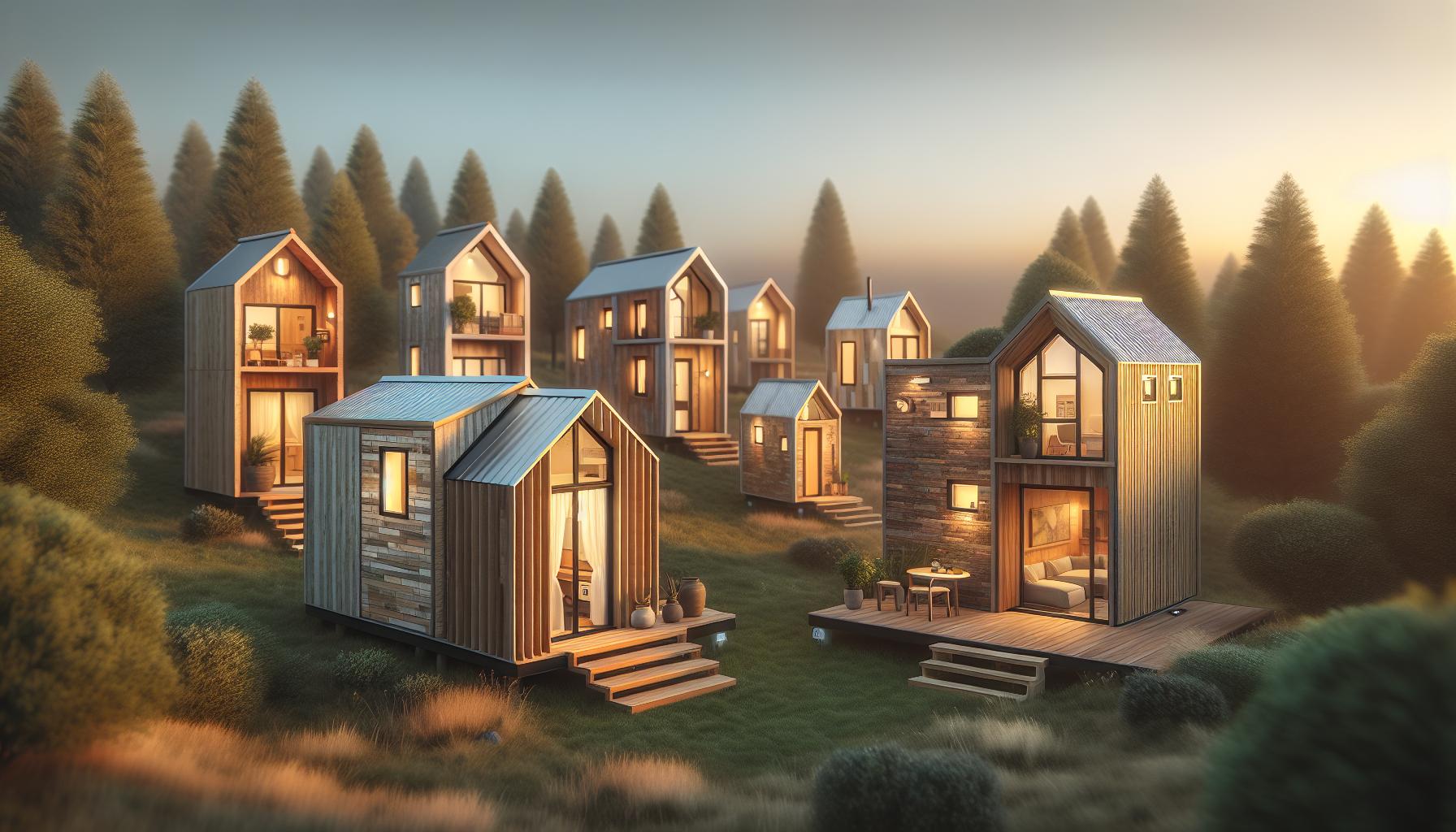
In an era where minimalism and enduring living are becoming increasingly attractive, tiny houses are emerging as a viable housing option in various communities, including those in Nebraska. However, navigating the complexities of zoning laws and community regulations can be daunting. Homeowners Associations (HOAs) play a crucial role in these tiny house communities,providing governance and support that help maintain the integrity and harmony of the neighborhood.
The Importance of HOAs in Tiny House Communities
Homeowners Associations serve as the backbone of community living,especially in developments that feature tiny homes. they are responsible for establishing and enforcing rules that transcend mere property lines,helping to cultivate a sense of community and shared responsibility. Some key functions of HOAs in tiny house neighborhoods include:
- Establishing Guidelines: HOAs create specific guidelines regarding the appearance and upkeep of homes, which is particularly important in tiny house communities where aesthetics can significantly impact community spirit.
- Maintaining Common Areas: These associations are tasked with the maintenance of shared spaces, which can enhance the overall living experience by providing well-kept amenities that complement the tiny house lifestyle.
- Conflict Resolution: HOAs offer a structured approach to resolving disputes between neighbors, fostering peaceful coexistence among diverse residents who may have different living styles.
Promoting Compliance with Zoning Laws
A pivotal aspect of the HOAs’ role in tiny house communities involves ensuring compliance with local zoning laws, as discussed in “Are Tiny Houses Legal in Nebraska? Heartland Zoning Laws Simplified.” This includes:
- Advocating for Permits: HOAs can advocate for zoning changes that allow for tiny homes, engaging with local goverment to create a legal framework that supports this innovative housing solution.
- Educating Residents: homeowners Associations often provide resources and information to help residents understand their rights and responsibilities under local zoning regulations.
Ultimately, as the trend toward tiny houses continues to grow, the role of Homeowners Associations will be essential in accommodating residents while balancing the need for community standards and compliance with existing laws. With their framework of support, HOAs can facilitate a thriving environment that embraces the tiny house movement while navigating the complexities of zoning laws effectively.
Financing Your Tiny Dream: Loan Options and Legal Considerations
owning a tiny home can be a dream realized, but financing this aspiration often involves navigating a maze of options and considerations. Whether you’re looking to downsize or simply embrace a minimalist lifestyle, understanding how to finance your tiny house is crucial, especially against the backdrop of local zoning laws in Nebraska.These laws can influence not only where you can place your tiny home but also the financing options available to you.
Loan Options for Your Tiny Home
The financing landscape for tiny homes differs significantly from traditional homes. One common route is personal loans, which can offer flexibility when securing funds for your tiny dream. Unlike mortgages, personal loans do not have property size restrictions, making them a suitable option for many tiny home buyers. Builder financing is another avenue, especially if you are purchasing your tiny home from a manufacturer. This option allows for tailored financing terms that can take into account the specific features and costs associated with your tiny construction.
For those considering a typical mortgage, be aware that many lenders impose minimum square footage requirements, which can pose challenges for tiny home buyers. This is where alternative financial instruments become valuable. Investigating options such as RV loans can also be beneficial, particularly for mobile tiny homes, as they may have fewer restrictions than conventional home loans.
legal Considerations Impacting Financing
As you delve into the financing of a tiny home,it’s essential to align your choices with local zoning regulations,particularly in Nebraska. Before committing to any financial option, review the zoning laws pertinent to tiny homes in your area. Certain locales may have specific requirements regarding home size, permanent versus temporary residency, or even the types of foundations allowable. For example, areas may categorize tiny homes as recreational vehicles (RVs) or as manufactured homes, which can change your financing eligibility significantly.Understanding the zoning framework is also vital for securing land. If you aim to place your tiny home on a permanent foundation, ensure that the parcel of land you’re interested in aligns with local residential zoning laws.For funding sources, consider reaching out to community banks or credit unions that might have specialized programs for tiny home financing, as they may better understand the nuances of local laws affecting your dream.
By carefully navigating financing options and legal considerations, you can position yourself closer to making your tiny living dreams a reality while ensuring compliance with local regulations. Always perform due diligence and consult with real estate experts familiar with Nebraska’s zoning laws to craft a plan that’s both financially sound and legally compliant.
Success Stories: Tiny House Living in Nebraska’s Communities
The charm of tiny house living has captured countless hearts, and Nebraska is no exception. As communities navigate the regulations surrounding these compact dwellings, inspiring success stories are emerging, showcasing creativity, resilience, and a commitment to sustainability. These tales not only highlight the potential of tiny homes but also illuminate how individuals are overcoming challenges in a state that is still defining it’s stance on zoning laws.
Embracing Minimalism in Omaha
In Omaha, one aspiring couple transformed an empty lot into a thriving tiny house community. With a passion for minimalism and community living, they secured the necessary permits for building several tiny homes that foster a sense of connection among residents. The project faced initial setbacks due to local zoning regulations, but through perseverance and collaboration with city officials, they successfully demonstrated that tiny houses can meet local safety and health codes.
The community, now fully inhabited, has become a model for others in the area. Residents share not only a living space but also resources, such as a communal garden and tools, maximizing their ecological footprint. Here are a few reasons why this tiny house community has thrived:
- Community Engagement: Regular meetings to discuss community needs and improvements.
- Resource Sharing: Reduction of costs and waste by collaborating on amenities.
- Education and Support: Workshops on sustainable living and tiny house construction.
A Sustainable Retreat in Lincoln
Lincoln’s reputation for innovation was further solidified with the establishment of a tiny house retreat focusing on eco-tourism. This unique initiative not only offers a peaceful getaway for visitors but also serves as a living showcase of sustainable building practices. The owners faced the considerable challenge of navigating state zoning laws,yet they persevered with the help of local advocacy groups focused on tiny homes.
With features such as solar panels,rainwater collection systems,and composting toilets,this retreat highlights how tiny houses can be both ecologically responsible and legally compliant. Visitors leave with newfound knowledge about the feasibility of tiny living, making it a true educational journey while enjoying the serene landscapes of Nebraska.
Key Takeaways from Nebraska’s Tiny House Movement
Understanding the regional differences in attitudes towards tiny houses is crucial for anyone contemplating this lifestyle in nebraska. Successful projects underscore the importance of:
| Aspect | Importance |
|---|---|
| advocacy | Working with local governments and citizens to promote understanding and acceptance. |
| Sustainability | Adopting sustainable practices to enhance community support and compliance with regulations. |
| Collaboration | Fostering partnerships among residents to create a sense of community and shared responsibility. |
These success stories not only reflect the growing acceptance of tiny houses but also serve as blueprints for future initiatives in Nebraska and beyond. as more people see the potential of tiny home living, the conversation around zoning laws will likely evolve, paving the way for more inclusivity in the housing landscape.
Overcoming Challenges: Legal Pitfalls and How to Avoid Them
Navigating the legal landscape surrounding tiny houses in Nebraska can be a daunting task. With varied zoning laws and local regulations, enthusiasts may find themselves facing unexpected hurdles that could compromise their dream of minimalistic living. Understanding these legal pitfalls and how to avoid them is crucial for anyone considering making a tiny house their home in the Cornhusker State.
common Legal Pitfalls
A variety of challenges can arise when looking to place a tiny house on a plot of land. some of the most common issues include:
- Zoning Restrictions: Many cities and counties enforce strict zoning laws that may classify tiny houses as recreational vehicles rather of permanent residences.
- Building Codes: Tiny houses may need to comply with local building codes, which could dictate everything from square footage to safety regulations.
- Property Taxes: Homeowners may find their property taxes adjusted unexpectedly, especially if their tiny house is considered an accessory dwelling unit.
- HOA Regulations: If your in a neighborhood governed by a homeowners association,their rules may restrict or outright ban tiny houses.
Steps to Avoid Legal Troubles
The key to successfully living in a tiny house in nebraska is proactive planning. Here are some actionable steps to help you navigate the legal challenges associated with tiny house living:
- Research Local Regulations: Before purchasing or building a tiny house, delve into the specific zoning laws of your county or municipality. Websites of local government offices can provide valuable insight.
- Consult with Legal Experts: Hiring a lawyer experienced in real estate or zoning laws can save you time and money. They can advise you on potential legal hurdles and how to plan for them.
- Engage with the Community: Joining local or online tiny house communities can provide support and shared knowledge. Members often share their own insights on overcoming legal issues.
- Ensure Compliance: Invest the time to design a tiny house that complies with local building codes and obtain necessary permits to prevent fines and legal repercussions.
| Legal Aspect | Advice | Resources |
|---|---|---|
| Zoning Laws | Research local zoning categories. | Local government websites |
| Building Codes | Consult local building departments. | State building code resources |
| HOA Rules | Review HOA bylaws thoroughly. | HOA documentation |
By following these guidelines, prospective tiny house owners in Nebraska can navigate the complexities of compliance and legality, ensuring their endeavor to downsize is both enjoyable and legitimate. Exploring whether tiny houses are legal in Nebraska and familiarizing yourself with heartland zoning laws is the first step toward achieving your minimalist lifestyle dream.
FAQ
Are Tiny Houses Legal in Nebraska?
Yes, tiny houses can be legal in Nebraska, but regulations vary significantly by municipality. It’s crucial to check local zoning laws and building codes to ensure compliance.
In Nebraska, some areas allow tiny homes on wheels, while others require them to be on a foundation. For example,Omaha may have stricter guidelines than rural areas. Always consult your local zoning board for specific rules and regulations regarding tiny houses in your area.
What are the zoning laws for tiny houses in Nebraska?
Zoning laws for tiny houses in Nebraska differ across counties and cities. Some regions classify tiny houses as accessory dwelling units (ADUs), while others do not recognise them at all.
In rural areas, tiny homes are frequently enough more accepted, but in urban centers, zoning laws may impose restrictions on size and placement. Checking the local zoning ordinances is essential to understand how tiny houses fit within those rules.
Can I build a tiny house on my property in Nebraska?
Building a tiny house on your property in Nebraska is absolutely possible, but it highly depends on local zoning laws and restrictions. Ensure your building plans meet the area’s regulations.
Some places allow tiny houses to be built as a primary residence, while others may designate them only as ADUs or may not allow them at all. Researching your local ordinances will provide clarity on where and how you can build.
Why do tiny houses face legal challenges in Nebraska?
Tiny houses frequently enough face legal challenges in Nebraska primarily due to restrictive zoning laws, which can be outdated and not designed to accommodate modern housing trends effectively.
many cities have specific size requirements or may not recognize tiny homes as legitimate dwellings. This can lead to confusion and resistance from local authorities. Engaging with local planners or joining tiny house advocacy groups can definitely help address this issue.
What is the minimum size for a tiny house in Nebraska?
The minimum size for a tiny house in Nebraska typically aligns with the local building codes, and it can vary by region. Many municipalities require homes to be at least 120 square feet to comply with safety and health regulations.
However, some areas may allow even smaller homes depending on their classification. Always verify the minimum size with your local building department before planning your tiny home.
Are tiny houses considered permanent residences in Nebraska?
Understanding whether your tiny house will count as a permanent residence is crucial for utility connections, tax implications, and securing financing. Consulting local authorities will provide clarity on how your home is classified.
How can I find tiny house-amiable areas in Nebraska?
Networking with other tiny house builders and enthusiasts can also help identify supportive communities. Websites dedicated to tiny house living often list areas with minimal constraints, making it easier to find the right spot for your dream home.
To Conclude
As we conclude our exploration of tiny houses in Nebraska,it’s clear that the journey towards embracing minimalist living comes with both exciting possibilities and critically important legal considerations. Understanding Heartland zoning laws is crucial; they help dictate where and how tiny homes can be situated, ensuring a blend of community integrity and personal freedom. From ensuring compliance with local regulations to recognizing the importance of building codes, you now have a solid foundation to navigate the complexities of tiny house legality in the state.
As you continue your adventure in tiny house living, we encourage you to delve deeper into the nuances of zoning regulations, community resources, and innovative design solutions that can enhance your experience. Remember, every challenge is an chance for further learning, and the tiny house movement is about more than just downsizing—it’s about creating a lifestyle that resonates with your values.
So, whether you’re dreaming of your own tiny retreat or actively planning it, keep researching, stay connected with fellow enthusiasts, and don’t hesitate to reach out with questions. Your journey toward a simpler, more meaningful life awaits, and we’re here to support you every step of the way!


