


As the demand for affordable housing grows, many are turning to tiny homes as a solution. Though, navigating the legal landscape of tiny home ownership in New York can be daunting. Understanding local regulations and zoning laws is crucial for anyone looking to embrace this minimalist lifestyle in the Empire State, ensuring compliance and peace of mind.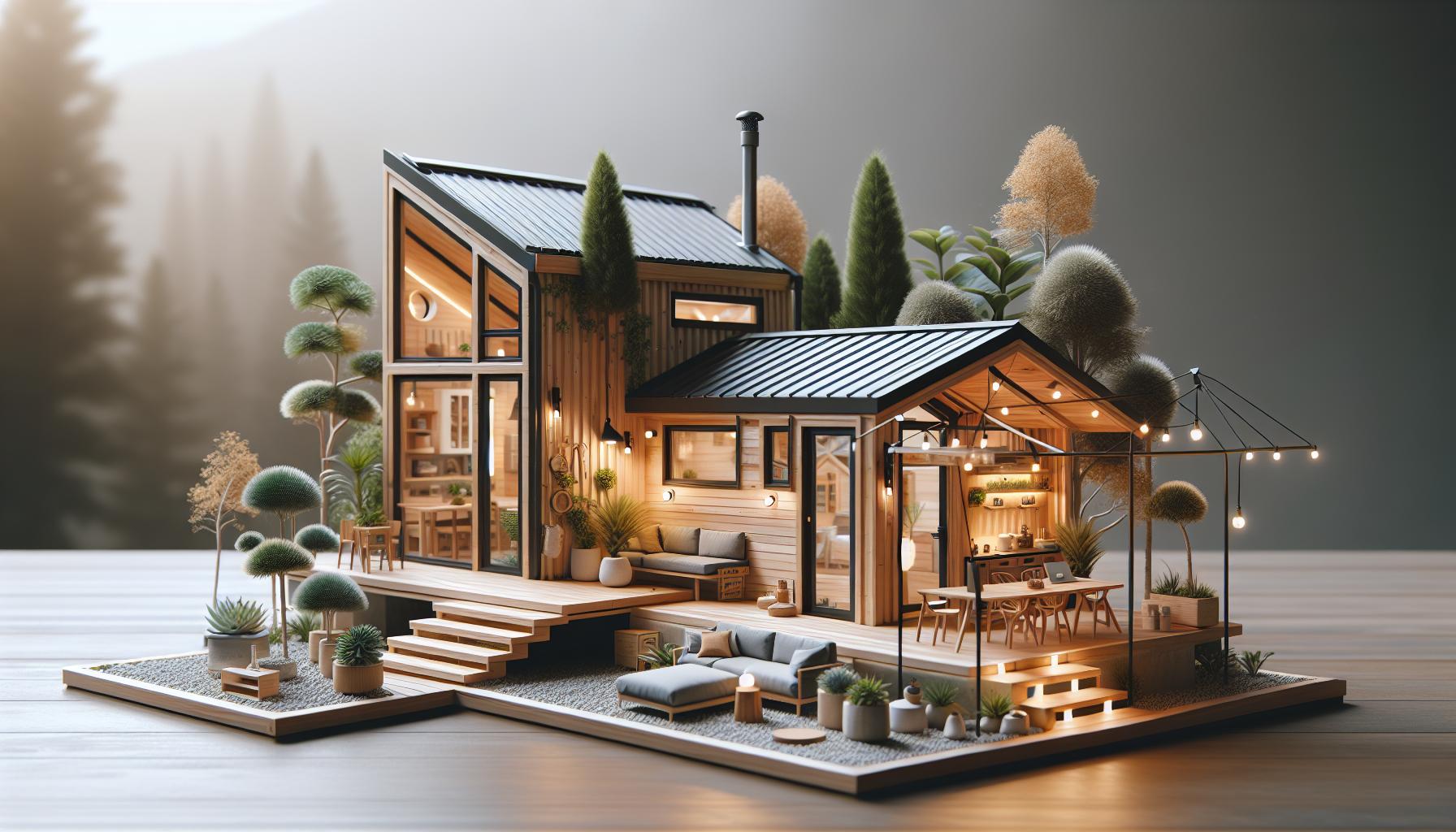
Understanding Zoning Laws for tiny Homes in New York
Navigating the landscape of zoning laws in New York for tiny homes can frequently enough feel like walking a tightrope, balancing regulations with personal aspirations for minimalistic living. With the recent adoption of Appendix Q into the New York Residential Code, the legal framework surrounding tiny homes has evolved, perhaps opening doors for enthusiasts looking to embrace this innovative housing trend. However, it is crucial for potential homeowners to understand the specific limitations and requirements imposed by local zoning regulations.
Key considerations in Zoning Laws
When considering tiny homes in new York, here are some critical aspects to keep in mind:
- Accessory Dwelling Units (ADUs): Under Appendix Q, tiny homes can qualify as accessory dwelling units, provided they meet specific design and size criteria. Generally, these structures must be less than 400 square feet and compliant with local building codes.
- Land Use Zoning: Before setting up a tiny home, check the zoning classification of your property. Some areas may prohibit standalone tiny home structures, while others might allow them under certain conditions.
- Building Codes: Compliance with local building and safety codes is essential.This includes plumbing, electrical, and structural standards, which are frequently enough rigorously enforced.
ItS crucial to note that despite the allowances for tiny homes through ADU designations, many city zoning laws still restrict outright standalone tiny home structures. This can limit the ability to convert personal property into a tiny dwelling without adhering to municipal regulations that may not support such endeavors [1].
Steps to Ensure Compliance
for those interested in exploring tiny home options legally, consider the following steps:
- Research local zoning ordinances and determine whether your land is in a zone that permits tiny homes as ADUs.
- Contact your local planning office for guidance on specific building codes and the permitting process.
- Consult with a land-use attorney if there are complex zoning issues that could affect your plans.
By understanding the zoning laws and engaging in thorough research, aspiring tiny home dwellers can better navigate the complexities of building and living in tiny homes in New York. A well-informed approach not only streamlines the process of becoming a tiny homeowner but also enhances the chances of successfully integrating these sustainable living spaces into existing communities.
Navigating Building Codes: What You Need to Know
Tiny homes have surged in popularity as a practical and environmentally friendly living option, yet the intricacies of building codes can ofen feel overwhelming for aspiring tiny homeowners. Understanding the regulations that govern these compact living spaces is crucial, especially in New York where varying local laws can significantly influence the feasibility of tiny house living.
Key considerations for Tiny House compliance
When navigating the complex landscape of building codes and zoning laws, it’s essential to be aware of explicit requirements that may apply to your tiny home. While some tiny houses can be exempt from certain building codes,they still must adhere to local zoning regulations.For instance, the International Residential Code (IRC) specifies that habitable rooms in tiny houses should be at least 70 square feet, with a minimum ceiling height of 7 feet in most areas, though some jurisdictions may allow for different measurements, such as a minimum height of 6 feet 8 inches for specific areas like bathrooms[[[1]](https://codes.iccsafe.org/content/IRC2021P2/appendix-aq-tiny-houses).
- Permitting Process: Understanding the local permitting process is vital. In many cases,tiny homes set on wheels might be classified as recreational vehicles,complicating thier legal status. Be sure to check your local municipality’s definitions and categories.
- Structural Requirements: Compliance with structural requirements set forth by local building departments is necessary for safety and habitability. Such as, fire safety standards, plumbing, and energy efficiency regulations are typically enforced.
- Land Use Regulations: Confirm the specific land use regulations that may restrict where tiny homes can be placed. Some areas may allow tiny houses only in designated residential zones.
Real-World Examples
To provide clarity on how these codes play out in practice, consider the following example: In a small upstate New York town, a couple was successfully able to permit their tiny home project by carefully adhering to the local building codes emphasizing energy efficiency and material safety. they worked closely with the local planning board, demonstrating the structural integrity of their home and ensuring that their design met the height and square footage requirements. Ultimately, their proactive approach facilitated a smoother approval process, showcasing the importance of knowing and respecting local regulations.
Each step of your tiny house journey, from planning to construction, demands a thorough understanding of the legal landscape and adherence to necessary codes. By staying informed and prepared, you can ensure a successful navigation through the essential building codes outlined in “Are Tiny Homes legal in NY? Comprehensive Empire State Housing Guide”. Understanding the benefits and requirements is key to enjoying your tiny home dream without legal hitches.
The Tiny Home Community: Finding Your place in New York
The tiny home movement has gained remarkable traction, particularly in New York, where communities are fostering sustainable living and affordable housing. With an increasing urgency to address housing challenges, more individuals and families are considering the potential of tiny homes to create a responsible, minimalist lifestyle that does not compromise on quality. New York’s unique legal landscape surrounding tiny homes—discussed extensively in the “Are Tiny Homes Legal in NY? Comprehensive empire State Housing Guide”—offers both opportunities and challenges for those looking to join a tiny home community.
Embracing Community Living
Tiny home communities in New York,like the well-regarded ones in Syracuse,exemplify how collective living can led to innovative solutions for homelessness and affordable housing. These communities often consist of a mix of tiny homes, multi-family units, and affordable apartments, creating vibrant neighborhoods that promote social interaction and support among residents. Such setups not only offer the practicality of small living spaces but also encourage a sense of belonging and community resilience.
For example, organizations like A Tiny home for Good have pioneered efforts in Syracuse to tie together housing solutions with supportive services.They provide not only housing but also critical resources aiding residents in becoming self-sufficient. If you’re considering a tiny home in New York, looking into established communities that emphasize support and inclusivity is a wise step.
Legal Considerations for Tiny Homes
Navigating the legal landscape is vital when exploring tiny home living. Local zoning laws, building codes, and land use regulations can vary significantly from one municipality to another. Many areas are adapting their regulations to accommodate tiny homes, allowing for communities to develop more freely. Before making a decision,prospective tiny home dwellers should consult local regulations to ensure compliance with safety and habitation standards,which is crucial for a harmonious living experience.
People considering tiny homes in New York should also be aware of potential land ownership issues. the market for tiny homes with land is expanding, with resources to help locate suitable properties as seen on platforms such as LandSearch.Understanding the legal framework and seeking real estate options that allow tiny homes can help you find the ideal setting for your new lifestyle.
Building a Supportive Network
Joining a tiny home community can provide invaluable opportunities for networking and personal growth. Not only can you share experiences and resources with fellow residents, but you can also engage with local organizations focused on sustainable housing solutions. Participating in workshops,community events,and advocacy efforts enhances your understanding and connection to the tiny home lifestyle while contributing to a greater cause.
- research local communities to find the right fit for your needs.
- Stay informed about legal updates and zoning changes through local housing authorities.
- Connect with advocacy groups to support affordable housing initiatives.
By taking these steps and integrating into the tiny home community, you can not only improve your living situation but also contribute to a growing movement that promotes sustainability and affordable living in New York.
Legal Challenges of Tiny living: Common Hurdles and Solutions
Legal challenges surrounding tiny home living can often become labyrinthine and daunting, especially for potential homeowners in New York. The attraction of downsizing for simplicity and affordability is frequently met with a host of regulatory hurdles that potential residents must navigate. Understanding these challenges is vital for anyone considering entering the tiny living movement, particularly in a state as densely regulated as new york.
Common Legal Hurdles
The primary legal challenges often center on zoning laws and building codes. Many municipalities have stringent regulations that do not easily accommodate tiny homes, classifying them as recreational vehicles or imposing minimum square footage requirements that render them illegal.This discrepancy can lead to a frustrating experience for tiny home owners who wish to reside in their own dwellings legally. Additional hurdles include:
- Permitting Issues: Obtaining the necessary permits for placement and utilities can delay the project significantly.
- Land Use Restrictions: Some areas prohibit tiny homes altogether, requiring buyers to find land specifically zoned for such use.
- Utility Access: Compliance with local regulations for water supply, sewage disposal, and waste treatment is crucial, especially in rural or off-grid scenarios [[2](https://tinyhomeway.com/legal-aspects-of-tiny-living)]
Finding Solutions
Despite these challenges, several solutions can facilitate the process. First, researching local zoning ordinances is essential. Engaging with local government officials or planning departments can provide clarity on manageable paths around existing regulations. Additionally, joining local tiny house communities or forums can offer support and shared experiences from others who have faced similar challenges.
Moreover, exploring option housing options, such as accessory dwelling units (adus), may provide legally viable solutions that conform to existing regulatory frameworks. ADUs often have less stringent requirements compared to standalone tiny homes and can be a stepping stone toward living tiny.
| Challenge | Potential Solution |
|---|---|
| Zoning Restrictions | Research and engage local government for zoning variances |
| Building Code Compliance | Consider modifications or enhancements to meet building codes |
| Utility Hook-up regulations | Work with licensed contractors educated in local regulations |
Navigating the intricate legal landscape of tiny living can be challenging, but with the right knowledge and proactive approach, aspiring tiny home owners in new York can find a path to achieving their dream of minimalist living. Understanding these legalities will empower these individuals to make informed decisions, aligning their aspirations with the complex regulatory surroundings they face.
Financing a Tiny Home: Options and Considerations in NY
Navigating the financial landscape for tiny homes in New York can be both challenging and rewarding. with the rising popularity of minimalist living, many are looking at tiny houses as an affordable housing option. However, financing these homes requires careful planning and an understanding of available resources. From customary mortgages to alternative funding options, it’s essential to know what’s out there to make informed financial decisions.
Loan Options for Tiny Homes
When seeking to finance a tiny home, potential buyers should consider a variety of loan types. Traditional mortgages may not always be applicable, especially if the home is classified as personal property rather than real estate. Instead, you might explore:
- Personal loans: These can be used for purchasing tiny homes directly, often without the need for collateral.
- Tiny home-specific loans: Some lenders, like Tumbleweed, offer specialized financing options tailored for tiny homes [[[1]].
- RV loans: If your tiny home qualifies as an RV, you might be eligible for RV financing, which can offer favorable terms.
Important Considerations
Before settling on a financing option, potential buyers should assess several important factors:
- Construction specifications: If you’re building your tiny home, expect to provide detailed architectural plans and permits for construction loans.
- Creditworthiness: Like any loan, the terms you receive will heavily depend on your credit score. Higher scores often yield better interest rates.
- Down payments: Depending on the lender and type of loan,down payment requirements can vary significantly.
Real-World Examples
Consider a couple living in new York City who chose to downsize to a tiny home in the Adirondacks. After qualifying for a personal loan with a competitive interest rate, they managed to secure the funds needed to purchase their home outright. Utilizing resources like Rocket Mortgage, they effectively navigated the financing landscape, highlighting the importance of understanding tiny home financing options [[2]].
For those exploring more community-oriented living, joining cooperative housing in tiny home communities may also present unique financing opportunities. These can involve shared purchase agreements that help lower upfront costs while benefiting from communal resources.those seeking a tiny home in New York should thoroughly investigate various financing avenues available to them. Understanding the distinctions between loan types and accurately assessing personal financial standing will not only aid in securing funding but also enhance the overall home-buying experience within the guidelines set forth in resources like ‘Are Tiny Homes Legal in NY? Comprehensive Empire State housing Guide.’
Securing Permits: A Step-by-Step Guide for Tiny Home Owners
Navigating the world of tiny home ownership in New York can be daunting, especially when it comes to securing the necessary permits. To thrive in this growing movement, understanding the regulatory landscape is essential. In New York, tiny homes must comply with local zoning ordinances and construction codes, which can vary widely from one municipality to another. Here’s a detailed guide to help prospective tiny home owners successfully secure the required permits.
Understanding Local Regulations
Before embarking on your tiny home journey, it’s critical to familiarize yourself with your local zoning regulations.Each city or town may have different rules governing the placement and construction of tiny houses. Review the local zoning laws by consulting your municipality’s official website or local government office. Key aspects to look for include:
- Minimum lot sizes
- Setback requirements
- Allowed structures in specific zones
- Any restrictions on mobile or temporary structures
Preparing Your Submission
Once you have a solid understanding of the regulations, it’s time to prepare your permit application. This process generally includes a few vital components:
- Site Plan: A detailed map of the property illustrating the proposed location of your tiny home, including distances from property lines.
- Construction Plans: Architectural drawings that comply with building codes and show the layout, dimensions, and materials of your home.
- Supporting Documents: You may need to provide proof of ownership, surveys, and environmental assessments depending on your location.
Submitting Your Application
After gathering all necessary documents, submit your application to the relevant local authority. this could be your city’s building department or an equivalent entity. Be prepared for additional requests for information or modifications to your plans. The processing time can vary, so check in regularly for updates.
Final Steps and Inspections
Upon approval, you’ll need to adhere to specific guidelines during construction and will likely be subject to periodic inspections by local authorities. Ensure compliance with all safety codes and regulations throughout the build. After completing your tiny home, a final inspection will confirm that everything meets the necessary standards before you can officially occupy your new abode.
By following these focused steps and understanding your local zoning laws, you can navigate the permit process and secure the legal foundation necessary for your tiny home.For additional insights into the legalities of tiny living in New York, refer to our comprehensive guide, which includes resources and links to pertinent regulations and programs for tiny homeowners.
Embracing Minimalism: The Philosophy Behind Tiny House Living
Embracing a minimalist lifestyle through tiny house living offers individuals a transformative way to view their possessions, space, and ultimately, their lives. The philosophy at the heart of minimalism emphasizes simplicity, advocating for the elimination of clutter and the conscious use of resources. This approach not only fosters a more organized and tranquil living environment but also encourages a deeper connection with the essentials of life, making it particularly appealing as more people explore options like tiny homes.Living in a tiny house requires a shift in mindset, moving away from the conventional ideals of spacious living. Instead, tiny home enthusiasts often find fulfillment in maximizing the use of smaller spaces, which can lead to enhanced quality of life. The charm of tiny homes lies in their compact design, which encourages innovative organizational solutions and multifunctional furniture. Such spaces force residents to prioritize their needs, distilling life to what truly matters. With this streamlined lifestyle,residents often report reduced stress and increased satisfaction with their daily routines.Additionally,tiny homes are advocates for sustainable living. Their reduced size means lower consumption of materials and energy. this eco-friendly approach appeals to those motivated by environmental concerns, aligning with the growing trend toward sustainable practices. Tiny homes often utilize renewable energy sources and eco-conscious materials, further diminishing their carbon footprint. By choosing to live in a smaller space, individuals contribute to a larger movement aimed at combating climate change, making tiny house living not just a personal choice but a communal responsibility.
As reflected in discussions surrounding regulations and legalities, such as in the article “Are Tiny Homes Legal in NY? Comprehensive empire State Housing Guide,” understanding local zoning laws and building codes is critical for prospective tiny homeowners. Issues of legality and policy can present challenges,yet they also open dialogues about reimagining urban spaces and housing principles. By engaging with these topics,individuals can advocate for more flexible regulations that support the growth of tiny house communities,emphasizing the values of minimalism within modern society. This movement, grounded in simplicity and sustainability, resonates deeply with the current desire for a more meaningful and considerate lifestyle.
What to Consider Before Making the Move to a Tiny Home in NY
Deciding to downsize into a tiny home can be both exhilarating and daunting, particularly in a state like New York, where regulations can be complex. before making this notable transition, it’s crucial to thoroughly evaluate the implications of tiny home living in this region. Tiny homes, frequently enough celebrated for their affordability and minimalistic aesthetic, also come with unique challenges related to zoning, land considerations, and legal compliance.
Understand Zoning Regulations
One of the foremost considerations is the zoning regulations in the area where you plan to settle. Each municipality in New York has its own rules regarding tiny homes; some may allow them while others may impose strict restrictions.Make sure to check local zoning ordinances and consult with your local planning board. You can find relevant resources in the comprehensive guide on anything you need to know about tiny homes in New York. Here are some zoning-related questions to consider:
- Is the area zoned for residential use?
- Are there minimum square footage requirements?
- What are the setback requirements from property lines?
Land Acquisition
Finding the right plot of land is another pivotal factor in your tiny home journey.With an average listing price of $227,111 for tiny homes with land in New York, budgeting becomes key. Whether you choose to buy land outright or lease a lot, ensure that the property is suitable for your tiny home. Investigate access to utilities like water, electricity, and sewage. Also, consider the proximity to amenities and services that suit your lifestyle. Creating a checklist before starting your search can help streamline the process.
Building Codes and Safety Regulations
Compliance with building codes is non-negotiable. Tiny homes in New York must adhere to safety standards that protect residents and ensure structural integrity. Typically, tiny homes need to meet the same building codes as conventional houses. Consult with a builder experienced in tiny homes to ensure your design aligns with the latest safety regulations. If you’re considering a custom-built tiny home, opt for builders who are familiar with New York’s regulations.
| Consideration | Questions to Ask |
|---|---|
| Zoning regulations | What are the restrictions? |
| Land Acquisition | Are utilities available? |
| Building Codes | What safety standards apply? |
Making the leap to a tiny home in new York involves more than just the excitement of downsizing. It demands careful consideration of zoning laws,land suitability,and building codes. By thoroughly researching these factors, prospective tiny home dwellers can navigate the complexities of New York’s housing landscape, ensuring a smoother transition into their new lifestyle.
Frequently asked Questions
Are Tiny Homes legal in NY? Comprehensive Empire State Housing Guide?
Yes,tiny homes can be legal in New York,but regulations vary by county. Generally, tiny houses should be less than 400 square feet to comply with the state’s Residential Code.
What are the size requirements for tiny homes in New York?
Tiny homes in new York typically must be under 400 square feet. This size limit is established under the Residential Code of New York State, allowing for adaptability in various building codes across counties.
Counties may interpret these regulations differently, so it’s crucial to check local laws before proceeding.
For detailed insights, refer to our complete guide on tiny home regulations.
Can I place a tiny home on my property in NY?
Yes, you can place a tiny home on your property in NY, but it must comply with local zoning laws. Many towns allow tiny homes if they serve as an Accessory Dwelling Unit (ADU).
It’s essential to contact your local zoning board to understand requirements related to permits and property zoning classifications.
Why are tiny homes becoming popular in New York?
Tiny homes are gaining popularity in New York due to rising housing costs. They present an affordable and minimalist living option for many residents.
Additionally,tiny homes promote sustainable living and can help reduce one’s carbon footprint.
What permits do I need for a tiny home in NY?
Permits for tiny homes in NY typically include building permits and sometimes electrical and plumbing permits. Local laws dictate the specific requirements.
Consulting your county or city planning department will provide clarity on the necessary documentation and any regulations specific to your area.
Are there any counties in New York that specifically prohibit tiny homes?
While many counties in New York allow tiny homes,some may have restrictions or prohibitions. It is essential to check with local zoning laws.
counties may impose regulations based on zoning classifications,so if you’re considering a tiny house,understanding your area’s specific rules is vital.
How can tiny homes contribute to affordable housing solutions in New York?
Tiny homes can significantly enhance affordable housing solutions by providing less expensive living options. They require less land and construction material, making them an economical choice.
As housing affordability remains a critical issue in New York,tiny homes can help diversify the housing market.
The Way Forward
understanding the legal landscape for tiny homes in New York is essential for anyone considering this minimalist lifestyle. With regulations generally requiring tiny homes to be under 400 square feet, it’s critically important to familiarize yourself with local zoning laws and building codes that can vary significantly between counties. Resources are available to guide potential tiny home builders and enthusiasts on legal requirements, ensuring that your dream of compact living does not collide with legal obstacles.
As you explore the exciting possibilities that tiny home living offers—be it sustainability, financial freedom, or a simpler lifestyle—remember to stay informed about the specific regulations that apply to your intended location. each step closer to your ideal tiny home is backed by a supportive community that values both the idealistic dreams and the practical realities of this rewarding lifestyle. Continue your research, engage with fellow tiny house advocates, and transform your aspiration into a reality!


