


As teh tiny home movement gains momentum, many wonder: are these compact living spaces truly cost-effective? Understanding the real expenses behind building versus buying a tiny home is crucial for potential homeowners seeking financial freedom and simplicity. dive in as we unveil the true costs, helping you make an informed decision on your minimalist journey.
Understanding the True Costs of Tiny Home Living: A Comprehensive Breakdown
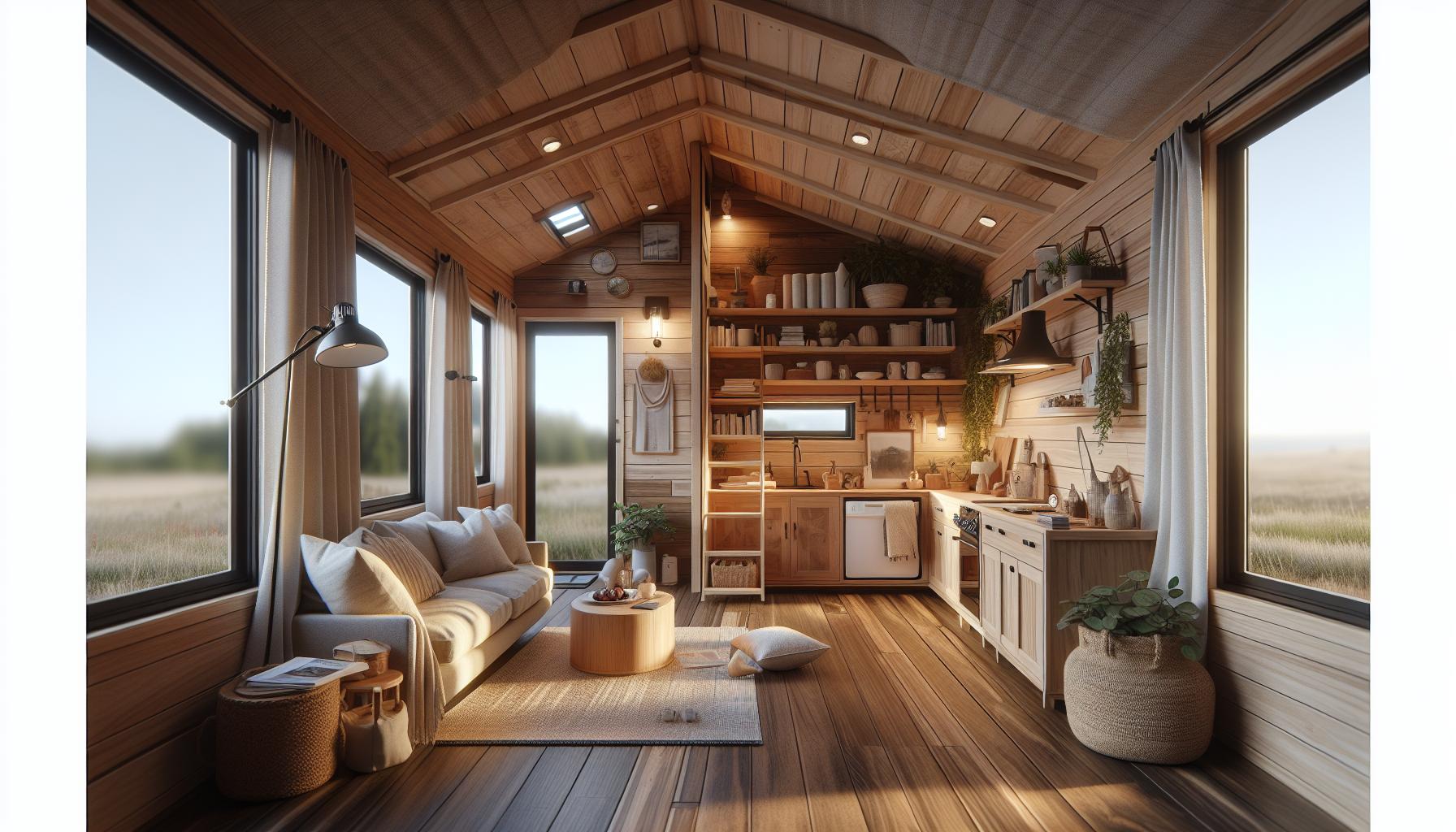
Navigating the world of tiny homes often sparks curiosity not just about their unique design but also about their affordability. Many prospective tiny home dwellers find it difficult to gauge whether the lifestyle is truly budget-friendly or just an illusion veiled in minimalism. The costs associated with tiny home living can vary significantly depending on factors such as whether one opts to build from scratch or purchase a pre-built unit.Understanding these financial nuances is essential for anyone considering this lifestyle shift.
Initial Costs: Build vs.Buy
When delving into the financial aspects, the initial outlay is a crucial consideration. Building a tiny home can offer customization but frequently enough comes with hidden costs. Here’s a breakdown to consider:
| Cost Factor | Build (USD) | Buy (USD) |
|---|---|---|
| Materials | 20,000 – 50,000 | 30,000 – 100,000 |
| Labor (if applicable) | 5,000 – 15,000 | N/A |
| Land | Varies widely | Varies widely |
| Foundation | 1,500 – 5,000 | Included |
As observed, building a tiny home can typically be cost-effective in terms of materials, but it can also lead to unforeseen expenses, especially if you enlist professional help for construction. In contrast, buying a ready-made tiny home often includes additional features and finishes that may push the price higher but can save the buyer time and effort.
Ongoing and Hidden Costs
Once you’ve settled into a tiny home, it’s crucial to account for ongoing expenses that can impact your overall financial picture. These include:
- Utilities: Smaller homes usually mean lower utility bills; however, these can still add up. Consider water, electricity, heating, and sanitation costs.
- Insurance: Tiny homes may require specialized insurance policies, which can be more expensive than conventional home insurance.
- Maintenance: Limited space can lead to higher maintenance costs per square foot, as every element of your home needs careful consideration.
- Taxes and Fees: Depending on your location, personal property taxes and possibly a homeowners’ association fee could apply, affecting your overall budget.
By comprehensively assessing both upfront and ongoing expenses associated with tiny home living, potential homeowners can make informed decisions about whether this lifestyle aligns with their financial capabilities and goals. The tiniest homes may come with appealing price tags,but the long-term costs can tell an entirely different story,making it crucial to weigh all factors carefully before making the leap.
Building Your Dream: A Detailed Look at Tiny home Construction expenses
Building a tiny home can be a rewarding venture,but it’s essential to understand the financial implications involved in the construction process. Many prospective tiny homeowners are often surprised to discover just how varied expenses can be, depending on the choices they make during the building or buying process. From materials and labor to permits and land costs, each facet contributes to the overall price tag of these compact dwellings.
Key Expense Categories
When planning a tiny home project, it’s crucial to break down expenses into manageable categories. Here are some of the primary costs you can expect:
- Materials: Costs for wood, insulation, roofing, and othre building supplies can vary greatly. budget for high-quality materials to enhance durability and energy efficiency.
- Labor: If you’re not a DIYer, consider the costs of hiring contractors. Rates can differ based on location and expertise.
- Land: Purchase a plot to place your tiny home, possibly incurring costs for land clearing, grading, and utilities.
- Permitting and Fees: Understand local regulations,as building permits can add notable upfront costs.
Comparative Cost analysis
To give you a clearer picture of the financial landscape, here’s a simplified comparison of building versus buying a tiny home.
| Aspect | Building Your Own | Buying Pre-built |
|---|---|---|
| Initial Costs | Often lower if DIY, but varies based on material choices | Higher upfront costs |
| Customization | High level of customization possible | Limited to available models |
| Time Required | Extensive, depending on skill level | Immediate occupancy |
| Future resale Value | Potentially higher with quality craftsmanship | market-dependent |
Understanding are tiny homes expensive requires delving into these factors and recognizing that costs can fluctuate based on decisions made during the building process. By weighing these expenses against your budget and long-term goals, you can make informed choices that align with your vision of tiny living.
Buying vs.Building: Which Path to Tiny Home Ownership is More Cost-Effective?
When it comes to the realm of tiny home ownership, one of the most pressing questions many aspiring owners face is whether to buy an already constructed model or embark on the challenging journey of building one from scratch. Each option has its unique set of advantages and cost implications that need to be carefully weighed. Understanding the financial landscape is crucial, as tiny homes can represent a significant investment, and the choice between buying and building can affect your overall budget in significant ways.
Understanding the Costs of Buying a Tiny Home
Purchasing a tiny home can sometimes feel like a straightforward route, as it frequently enough requires less time and effort than building one. However, the sticker price may be higher than initially expected.Here are some costs associated with buying:
- Purchase Price: The cost of a new tiny home can range widely, but typical prices hover between $30,000 and $80,000, depending on size and amenities.
- Shipping: If you’re buying from a manufacturer, delivery fees can add an extra layer of expense.
- Financing: Most buyers will need to account for interest and fees associated with personal loans or mortgages tailored to tiny homes.
- Customization: Many manufacturers offer limited customizable options, potentially leading to additional costs if you want unique features.
These factors should be considered early in the decision-making process.
Cost Factors in Building Your Own Tiny Home
On the flip side, building your own tiny home grants you the freedom to tailor the design to your specific needs, which can lead to significant savings if planned wisely. Though, this route requires a careful evaluation of various elements:
- Materials: Sourcing your own materials offers the potential for savings, but high-quality materials can drive costs up. Budgeting around $20,000 to $40,000 for materials is common.
- labor: If you’re not skilled in construction, you may need to hire tradespeople, which can inflate your budget significantly.Alternatively, DIY can reduce costs but require a significant time investment.
- Permits and Inspections: Local building codes and regulations can add unexpected costs, depending on where you plan to build.
- Time Investment: The time commitment can mean lost income or delayed plans, which can be troublesome for many.
It’s vital to assess not only the financial costs but also the time and energy you’re willing to commit when deciding to build a tiny home.
Comparative Cost Overview
To help visualize the key differences, consider the following summary table comparing the average costs associated with buying versus building:
| Cost Element | Buying (Approx.) | Building (Approx.) |
|---|---|---|
| Initial Cost | $30,000 – $80,000 | $20,000 – $40,000 |
| Customization Factor | Limited, extra fees apply | Fully customizable |
| Time to Completion | Typically 1-3 months | Varies; can take several months to a year |
| Additional Costs (Shipping, Labor, Fees) | High | Moderate to high |
Ultimately, determining the more cost-effective path depends on your individual circumstances, including budget, time constraints, and desired customization. Both routes offer valuable opportunities for prospective tiny homeowners,but careful consideration of the associated costs is essential in making the right choice for you.
Navigating Zoning Laws and Regulations: What You Need to Know Before You Go Tiny
Navigating the landscape of zoning laws is crucial for anyone considering the leap into tiny home living. As modern housing trends shift towards smaller, more affordable spaces, potential tiny homeowners must delve into the complexities of local regulations that can dictate not just what you can build, but where you can put it. Essentially, zoning laws are designed to organise land use and ensure that developments are compatible with their surroundings, but they can also impose restrictions that could complicate your tiny home dream.
Understanding your local zoning ordinances is the first step in the journey toward ownership.These regulations can vary significantly by state and municipality, impacting everything from the minimum lot size required for a dwelling to the types of structures permitted. In some areas, tiny homes may be classified as accessory dwelling units (ADUs), which could allow for more lenient regulations. conversely, in heavily regulated urban zones, building a tiny home could face stringent restrictions. it’s advisable to research local laws thoroughly, consult the planning department, and possibly speak to experienced builders in the area who understand the nuances of local requirements.
What to Consider
When evaluating whether a tiny home fits within your zoning requirements, consider the following aspects:
- Building Codes: Make sure your tiny home complies with local building codes, which dictate safety and design standards.
- Land Use designations: Identify the zoning classification of your intended property—this will determine what types of residences are permitted.
- Property Size: Check if your property meets minimum square footage regulations for the type of dwelling you want to build.
- Setback Requirements: Understand how far your home must be from property lines, which can affect your design.
Taking Action
to ensure a smooth process when planning your tiny home construction, following these actionable steps can help:
- Research Local zoning Codes: Visit local government websites or attend zoning board meetings to gather knowledge.
- Consult Professionals: Engaging a local architect or builder experienced in zoning regulations can provide insights and save time.
- explore Exemptions: Some areas offer exemption programs for tiny homes or choice building methods, which may simplify your path.
- Prepare to Advocate: Sometimes, existing zoning laws may not accommodate tiny homes well. Be prepared to advocate for change through community engagement if necessary.
taking these steps can demystify zoning laws and pave the way for your tiny home dreams, aligning with insights from the article “Are Tiny Homes Expensive? Real Costs Revealed: Build vs. Buy.” It’s clear that understanding and navigating these legal frameworks not only informs your building strategy but also ensures that your investment stands the test of time, ultimately turning a challenging initiative into a triumphant reality.
Financing Your Tiny Home: Loans, Grants, and Budgeting Tips for Success
Securing financing for a tiny home can be a unique challenge,but understanding your options is crucial to making an informed decision. Tiny homes,typically costing less than traditional houses,still require careful financial planning. Whether you’re contemplating the purchase of a new tiny home or considering a DIY project, having a solid financial foundation will make the process smoother.
Understanding Your Financing Options
When exploring financing, there are several common avenues to consider:
- Personal Loans: These are unsecured loans that can be used for various purposes, including purchasing or building a tiny home. they often come with higher interest rates compared to secured loans,but they do not require collateral.
- mortgages: While traditional mortgages for tiny homes can be tricky due to their non-standard size,some lenders specialize in tiny home financing and may offer options specifically designed for these properties.
- Home Equity Line of Credit (HELOC): If you already own a property, tapping into your home’s equity can provide funds at a lower interest rate compared to unsecured loans.
- Specialized Tiny Home loans: Certain institutions, like LightStream, offer tailored loans up to $100,000 that cater specifically to tiny home buyers, making them worthy of consideration [[1]](https://money.usnews.com/loans/mortgages/articles/how-to-get-tiny-house-financing) [[2]](https://www.lightstream.com/tiny-houses).
Grants and Assistance Programs
Along with standard financing, there are potential grants and assistance programs for tiny home builders, particularly those aligned with specific organizations focused on sustainability or affordable housing. Researching local non-profits or government programs can unveil opportunities that reduce the overall cost of your tiny home investment.
Budgeting Tips for Success
Creating a budget is essential in this journey. Here are some pointers:
- Define Your Total Costs: Include both hard costs (materials, land) and soft costs (permits, utilities).
- Prioritize Essential Features: spend on what matters most, such as energy-efficient appliances or durable materials that can add value in the long run.
- Consider Future Costs: Look ahead to maintenance and utility expenses, which can sometimes be higher due to the unique nature of tiny homes.
By securing the right financial support and planning wisely, you will be better equipped to address the question, “are tiny homes expensive?” Whether you choose to build or buy, strategic financial management positions you for success on your tiny home journey.
The Hidden Costs of Tiny Living: Maintenance, Utilities, and Long-Term Considerations
When considering the allure of tiny living, many are captivated by the idea of reduced expenses—however, the real costs often hide in the details. While the initial purchase price or build cost of a tiny home might potentially be lower than that of a traditional residence,ongoing maintenance,utilities,and unforeseen long-term considerations can add significant financial strain over time. Understanding these hidden expenses is crucial for anyone contemplating the transition to a smaller lifestyle.
Maintenance Costs
Regular upkeep is an essential part of homeownership that can be easy to overlook in a tiny home. Even though the smaller size might suggest fewer expenses, tiny homes frequently enough come with unique maintenance challenges. Common costs include:
- Repairs: Smaller homes frequently enough have specialized designs and materials that might require specific expertise for repairs, potentially increasing hourly labor costs.
- Seasonal Maintenance: Tiny homes located in areas with extreme weather may need extra care for insulation, roofing, and plumbing systems.
- Appliance Upkeep: Compact appliances, while space-efficient, may also be less durable or more prone to malfunction due to regular use.
It’s wise to set aside a maintenance fund to cover these unexpected expenses. A good rule of thumb could be to allocate 1% to 3% of the home’s value annually for repairs and upkeep to avoid financial shocks.
Utilities
While tiny homes are frequently enough touted for their low utility bills, this does not always hold true. Depending on the home’s location,size,and energy sources,homeowners may face varying utility costs. Key expenses may include:
- Electricity: Many tiny homes are equipped with energy-efficient appliances, but if relying on traditional electricity, costs can still add up, particularly in extreme climates that require heating or cooling.
- Water and Sewage: Depending on whether the home is on a municipal water supply or an independent system,costs can vary widely. Tiny homes with composting toilets may save on sewage fees, yet maintenance costs can incur.
- Internet and other Services: Many tiny homeowners opt for mobile internet solutions, which can range significantly in price compared to traditional providers.
Understanding the typical utility costs in your chosen area is vital to form a realistic budget. You may want to compare residential utility averages online or consult local residents to gain insights.
Long-Term Considerations
Investing in a tiny home might feel liberating, but potential buyers should also critically assess long-term implications. Factors to consider include:
- Resale Value: The market for tiny homes can be unpredictable. Research local market trends to understand how quickly and at what price similar homes have sold in your area.
- Loan Options: Financing a tiny home can be complex as traditional mortgage options may not apply. This could lead to higher interest rates or more stringent loan terms.
- Land Costs: If your tiny home is on wheels, keep in mind that you’ll need a place to park it that is either affordable or comes with a long-term lease agreement.
Discerning the true financial picture before diving into tiny living requires thorough investigation and calculation. By being aware of these hidden costs—maintenance, utilities, and long-term consequences—you can make informed decisions that go beyond the initial appeal of tiny homes. Engaging with seasoned tiny house owners or seeking advice from financial experts can be a game-changer in aligning tiny living with your financial goals.
Embracing simplicity: How Minimalism Affects Your Budget and Lifestyle Choices
In a world increasingly driven by consumerism, the appeal of minimalism emerges as a breath of fresh air. With the rising popularity of tiny homes, many are asking, “Are tiny homes expensive?” This question opens a broader discussion about how embracing a minimalist lifestyle can lead to significant benefits concerning both budget and overall quality of life. Adopting simplicity allows individuals to focus on essential items and experiences, often translating to reduced costs and greater satisfaction.
A minimalist lifestyle inherently reduces clutter, leading to fewer purchases and less financial strain. For instance, those who opt for a tiny home often find themselves reevaluating their priorities when it comes to possessions. With limited space, it becomes crucial to invest only in what adds value. The financial ramifications of this decision can be substantial:
Budget Benefits of Minimalism
- Lower Housing Costs: Tiny homes typically come at a fraction of the cost of traditional homes,allowing for significant savings on mortgages or rent.
- Reduced Utility Bills: Smaller spaces require less energy for heating,cooling,and lighting,resulting in lower monthly expenses.
- Fewer maintenance Costs: With fewer items to maintain and a smaller living area, ongoing maintenance expenses are also diminished.
To help illustrate the costs associated with tiny homes, consider the following table comparing building versus buying options:
| Aspect | Building a Tiny Home | buying a Tiny Home |
|---|---|---|
| Total Cost | $25,000 – $150,000 | $50,000 – $200,000 |
| Time to Completion | 3 – 6 months | Immediately available |
| Customization | high | Limited |
| Resale Value | Varies | Stable |
Moreover, minimalism extends beyond financial savings; it encourages intentional living. When surrounded by only the essentials, people often report feeling less stressed and more satisfied with their daily lives. This transformation can help redefine what fulfillment looks like, moving away from material goods towards experiences, relationships, and personal growth.
the question surrounding the expense of tiny homes—whether building or buying—is a doorway to exploring the deeper, transformative impact of minimalism on both budgeting and lifestyle choices. By choosing a path of simplicity,individuals not only save money but also cultivate a richer,more purposeful existence.
Real-Life Experiences: Lessons Learned from Tiny Homeowners on a Budget
Many individuals intrigued by the concept of tiny living frequently enough wonder about the frugal lifestyle it promises. While the allure of downsizing and minimalist living is evident, the reality of budget constraints can introduce unexpected challenges. Through the lens of those who have journeyed into tiny homeownership, valuable lessons emerge that can prepare prospective homeowners for what lies ahead.
Embracing Minimalism: A journey of Downsizing
for many tiny homeowners, intentionally limiting possessions is not just a requirement, but a lifestyle choice. The stories of those who have successfully made this transition provide insights into the realities of living in smaller spaces. They emphasize the importance of identifying what truly matters by evaluating their belongings and letting go of items that no longer serve a purpose. Here are some commonly shared tips:
- Assess Your Needs: Create a list of essentials versus non-essentials.
- Sell or Donate Unwanted Items: Use platforms like Craigslist or local charities to declutter.
- Invest in Multi-functional Furniture: Opt for pieces that serve more than one purpose, such as sofas that convert into beds.
This transformative process often leads to greater clarity on personal values and priorities, allowing individuals to curate a truly meaningful living space within their tiny homes.
Cost Considerations: Budgeting for Tiny Living
Navigating expenses when constructing or buying a tiny home can be daunting without a solid financial plan. The experiences shared by tiny homeowners reveal several critical budgeting strategies that can help maintain financial health:
| Expense category | Estimated Cost Range |
|---|---|
| land Purchase or Lease | $2,000 – $50,000 |
| Construction Costs | $10,000 – $75,000 |
| Utilities Installation | $1,000 – $5,000 |
| Insurance | $300 – $1,000 annually |
| Maintenance | $500 – $2,000 annually |
By understanding potential costs and planning for fluctuations, future homeowners can make informed decisions about whether to build or buy their tiny residence. Engaging with experienced tiny homeowners on budgeting can facilitate smoother transitions and help avoid pitfalls that many face during this significant lifestyle change.
Community Connection: learning from Others
Another common thread among tiny homeowners is the realization of the importance of community. Joining local or virtual tiny home groups not only offers resources and information but also provides a support system during the downsizing process. Sharing experiences can ignite creativity and inspire innovative solutions. Take the time to attend tiny home workshops, which are often led by veterans of tiny living and can include sessions on:
- Budgeting strategies and cost-saving tips.
- DIY home-building techniques.
- Best practices for lasting living.
By engaging with this growing community, individuals can significantly enhance their understanding of tiny living and come away with actionable insights that lead to well-informed decisions on whether to build or buy their dream tiny home.
Q&A
Are Tiny Homes Expensive? Real Costs Revealed: Build vs.Buy?
The cost of tiny homes can range significantly, making them both affordable and expensive depending on various factors.Generally,pre-built tiny homes may cost between $20,000 to $100,000 or more,while DIY builds can be lower if you manage materials wisely.
When exploring tiny home costs, consider site, size, and materials. A pre-built tiny home may include costs for delivery and materials, while a DIY project allows for more control over expenses, but it requires considerable time and effort. For more insights,check out our article on tiny home financing options.
What are the average costs associated with building a tiny home?
The average costs for building a tiny home typically range from $10,000 to $60,000. This price can fluctuate based on materials, labor, and design choices.
Some vital considerations include whether you choose to hire professionals or DIY. On top of building costs, you may encounter expenses like land, permits, and utilities. Understanding these factors will give you a clearer picture of the true investment required. You can learn more about budgeting for tiny home projects in our detailed guide.
Can I save money by building my own tiny home?
Yes, building your own tiny home can lead to significant savings, frequently enough ranging from 20% to 50% compared to buying pre-built models. Though, your total savings depend on your skills and available time.
While a DIY build allows for customization, it is essential to factor in _hidden costs_ like tools, materials, and potential mistakes. Investing time to educate yourself about construction methods can make the process smoother and more cost-effective. For tips on DIY construction,explore our resource on tiny home building techniques.
why do tiny homes have such varying prices?
The price variability of tiny homes stems from factors like location,design complexity,and material quality. This fluctuation is influenced heavily by local regulations and demand.
For example, a tiny home built in an area with high land prices may end up more expensive than one in a less costly region. The choice between luxury finishes or budget materials also plays a crucial role in the final price tag. Understanding these elements can help you plan better and align your budget with your tiny home vision.
What should I consider when choosing between buying and building a tiny home?
When deciding whether to buy or build a tiny home, consider your budget, time, and personal expertise._Buying_ might potentially be quicker but typically comes with a higher price, while _building_ requires more effort and planning.
Evaluate your goals—do you desire a customizable space or a functional ready-made home? Each option has its pros and cons.If you’re still unsure which path to take, reviewing our comparison of build vs. buy options can help clarify your choices.
Are there hidden costs associated with tiny homes?
Yes, tiny homes often come with hidden costs that can impact your overall budget. These may include land costs, utility hookups, insurance, and maintenance fees.
It’s essential to account for these potential expenses during your planning phase. doing thorough research and creating a detailed budget can help you uncover and prepare for these hidden costs. To gain a more comprehensive understanding of tiny home ownership costs, check out our in-depth financial breakdown.
Why are tiny homes becoming so popular?
Tiny homes are gaining popularity due to their affordability, sustainability, and minimalistic lifestyle appeal.Many people are drawn to the idea of smaller living spaces that reduce expenses and environmental impact.
This movement aligns with a desire for simpler living, less debt, and financial freedom. As more individuals seek to downsize and declutter their lives, tiny homes provide a practical solution that is both exciting and liberating. For further information on the tiny home movement’s philosophy, visit our overview on sustainable living practices.
Wrapping Up
As we conclude our exploration of the costs associated with tiny homes, it’s clear that the decision to build or buy can significantly impact your financial landscape. Whether you’re drawn to the minimalist lifestyle for environmental reasons, financial freedom, or simply the allure of a cozy space, understanding the full spectrum of expenses—from construction materials to land costs and ongoing maintenance—is essential.
The essence of tiny home living lies not just in the physical space, but in the liberation of excess and the prioritization of experiences over possessions. As you weigh your options, consider not just the initial investment, but the long-term benefits of reduced living costs and a simplified lifestyle.Encourage your curiosity further—delve into local zoning laws, explore financing options, and connect with fellow tiny house enthusiasts in forums or social media groups. Every tiny home journey is unique, filled with lessons and opportunities for creativity. Embrace this learning curve, and let your passion for minimalist living guide you in making informed decisions. The tiny home movement is not just about downsizing; it’s about redefining your priorities and finding joy in the little things.Happy exploring!


