


As urban living pushes the boundaries of space and affordability, many are turning to tiny houses as a viable solution. However, navigating the complexities of zoning laws in Houston can be daunting.Understanding the legal landscape of these compact dwellings is essential for anyone considering this lifestyle in Texas’s largest city.
Understanding Houston’s Zoning Regulations for Tiny Houses
In a city renowned for its space and diversity, the question of whether tiny houses are permissible is an intriguing puzzle for potential homeowners and investors. Houston’s unique approach to land use, devoid of formal zoning laws, creates both opportunities and challenges for those considering tiny living. Instead of extensive zoning regulations, the city governs land use through a combination of deed restrictions, historic preservation efforts, and regulations tailored to specific neighborhoods.
Understanding the Landscape of Tiny Houses in Houston
When exploring the legality of tiny houses in Houston,it’s essential to note that while the city lacks formal zoning codes,this absence does not imply an unregulated environment. Depending on the specific location,local deed restrictions often dictate what can be built. Therefore, potential tiny house owners should conduct thorough research on these restrictions in the desired area. If the property does not have any restrictive covenants, building a tiny house might potentially be feasible, provided it complies with existing building and safety codes.
Several neighborhoods within Houston are particularly accommodating to tiny homes, especially those that have embraced innovative housing solutions. It’s wise to connect with local communities and organizations that advocate for affordable housing options, as they can provide resources and guidance. Before proceeding with your tiny home project, consider the following steps:
- Research Local Deed Restrictions: Investigate the specific rules governing the area you are interested in.
- Check Building Codes: Even in the absence of zoning, houston enforces building safety codes that must be adhered to.
- Join Community Groups: Engage with local tiny house communities to share insights and resources.
- consult Professionals: Consider hiring an architect or builder experienced in tiny home construction for compliance and design advice.
Navigating the intricacies of tiny house legality in Houston may seem daunting at first, but the city’s flexible approach allows for a creative interpretation of living spaces. Understanding local regulations and community sentiments ensures that your step toward tiny living is not only legal but might also be embraced by your neighborhood.with diligent research and community involvement, your tiny house dream can become a vibrant part of Houston’s urban landscape.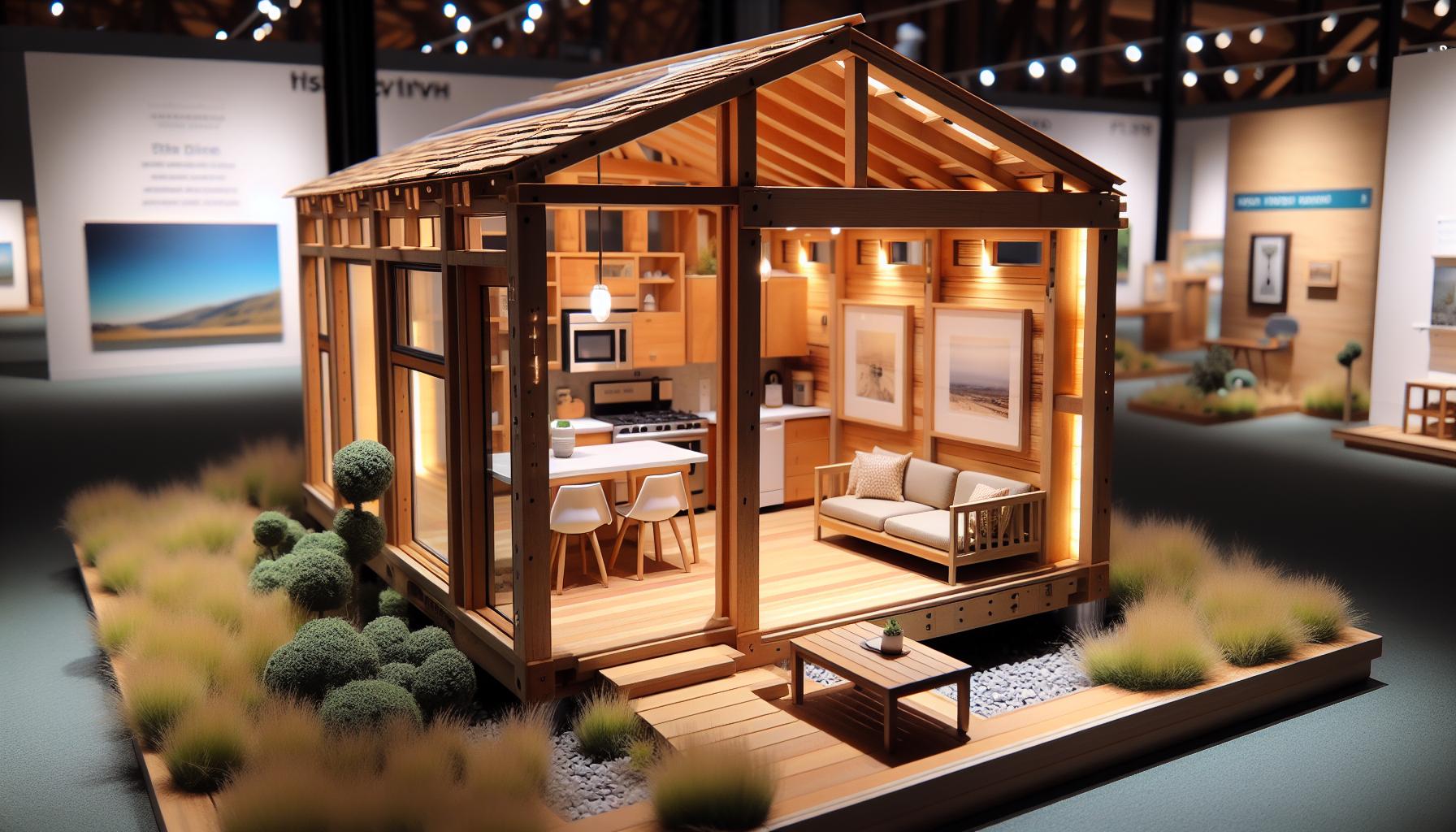
The Essentials of Building Codes and Permits in Urban Texas
Navigating the intricacies of building codes and permits is crucial for anyone interested in the tiny house movement, especially in urban environments like Houston, Texas. With the rising interest in compact living, it becomes essential to understand the legal frameworks that govern these structures to ensure compliance and a smooth development process. In texas, while tiny houses can offer an innovative housing solution, aspiring homeowners must adhere to specific regulations that can vary significantly from one area to another.
To start, tiny houses in urban Texas often fit into two categories: permanent structures and those on wheels. It’s meaningful to note that while tiny houses are defined under the state’s building codes, local zoning laws may impose additional restrictions. As an example, a tiny house on a foundation typically must adhere to the local building codes set forth by the city of Houston, which includes obtaining relevant permits and passing inspections. These steps are not just bureaucratic hoops but also ensure that the construction meets safety standards and is suitable for occupancy.
Key Building Permits and Codes
Some essential permits and codes to consider when planning your tiny house project in Houston include:
- Building Permit: Required for all construction activities to verify plans comply with local codes.
- Electrical and Plumbing Permits: Necessary if you plan to include any utilities in your tiny home.
- Certificate of Occupancy: This document certifies that the home is safe for habitation and complies with the city’s regulations.
Understanding the specific requirements set forth by the city of Houston is vital. For example, the Houston Planning Commission’s guidelines may require tiny homes to be built in accordance with specific land-use designations, which may limit where you can place your tiny house within the city limits.
Real-world Examples
In recent years, various neighborhoods in Houston have embraced choice housing options, including tiny homes, as a response to urban density issues and affordability concerns. However,residents have encountered challenges regarding zoning regulations.For example, neighborhoods such as fifth Ward and East End have seen tiny house initiatives, but each project has had to negotiate zoning laws and community acceptance. Participating in local planning meetings can provide insights and foster community support for tiny house developments.By understanding these essentials of building codes and permits,potential tiny house owners in Houston can more effectively navigate the intricate web of regulations—ensuring thier dream of compact living becomes a welcomed reality rather than a legal headache.
Finding the Right Location: Where Can You Park a Tiny House in Houston?
Finding a suitable spot to park your tiny house in Houston can be a compelling challenge, primarily due to the city’s unique zoning laws and regulations. As the tiny house movement gains popularity,many are eager to navigate the intricacies of urban living in smaller spaces. Understanding where you can legally and practically park a tiny home is crucial for prospective tiny house owners.
One of the primary options for parking a tiny house in Houston involves utilizing RV parks or mobile home communities. These locations are often equipped with essential utilities like water, electricity, and sewage connections, making them convenient for extended stays. When considering this route, don’t forget to check with local regulations and the individual park’s rules regarding tiny house specifications, as some parks may have restrictions on size or style that could impact your choices.
Exploring Other Options
Aside from RV parks, tiny house owners in Houston may explore alternative scenarios such as:
- Private Land Rentals: Many landowners may be willing to rent out a section of their property for tiny house parking. Engaging with platforms that specialize in land rentals can lead to promising opportunities.
- Co-housing communities: Some intentional communities welcome tiny houses and offer a supportive environment ideal for those looking for a tight-knit, collaborative living experience.
- backyard Living: if you’re fortunate enough to have friends or family with space,they may permit you to park your tiny house in their backyard,but be sure to adhere to local building codes and zoning regulations.
Essential Considerations
When determining the best location, take into account the following factors:
| Consideration | Description |
|---|---|
| Legal Compliance | Ensure your tiny house meets local zoning regulations and building codes. Research is key to avoiding fines and future relocation. |
| Utilities | Check how you’ll access essential services like water, waste, and power. Some locations might require you to set up independent utilities. |
| Neighborhood Support | Engaging with local communities can provide valuable insights and potentially lead to more welcoming environments for tiny house living. |
By exploring these avenues and understanding the local landscape of tiny house regulations in Houston, you will be well-equipped to find the perfect parking spot for your new home.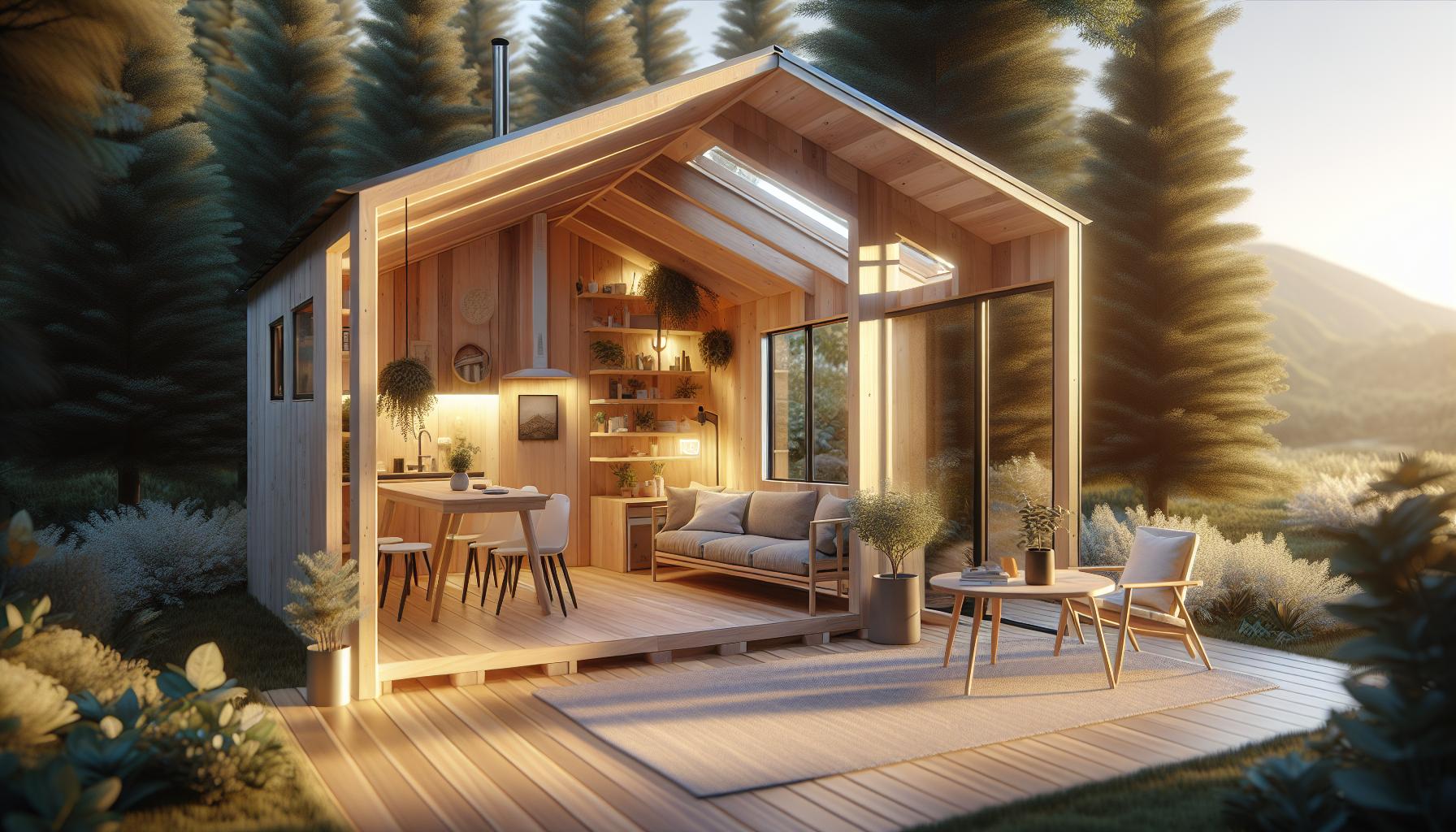
Navigating the Challenges of HOA Restrictions and Neighborhood Agreements
While tiny homes offer an innovative solution to housing affordability, navigating the complexities of Homeowners’ Association (HOA) restrictions and neighborhood agreements can be a significant hurdle for potential owners in urban areas like Houston. Before diving into the logistics of tiny home ownership,understanding the local regulations and community standards is paramount. Many HOAs have specific rules regarding the aesthetics, size, and type of structures permitted, which can complicate even the most straightforward zoning processes.
Understanding HOA Regulations
Most HOAs are established to maintain the community’s appearance and uphold property values, which can lead to strict guidelines regarding tiny homes. Here are a few considerations:
- Architectural Control: many HOAs require that any new construction aligns with existing neighborhood aesthetics. Check for style guidelines or restrictions on exterior materials.
- Size Limitations: Tiny homes typically fall below standard home size limits.Verify if your HOA has a minimum square footage requirement that excludes tiny homes.
- Setback and Lot coverage: Local zoning laws and HOAs often impose setbacks that dictate how far a home must sit from the property line, which can limit where a tiny house can be placed on your lot.
Addressing Neighborhood Agreements
Neighborhood agreements often go hand-in-hand with HOA regulations but may be influenced by informal community practices or expectations. Homeowners considering a tiny house should engage with their neighbors openly:
- Community Meetings: Attend HOA meetings to voice your interest and gauge community sentiment. Building rapport with neighbors can facilitate a smoother approval process.
- Petitions: If HOA rules seem overly restrictive, gather support from neighbors to amend regulations. Showing community backing can definitely help influence board discussions.
- Flexible Design options: Propose designs that align with neighborhood vibes, such as more customary architectural elements that might appease both HOA and neighbor concerns.
Ultimately, ensuring that your tiny house vision aligns with local laws and community expectations requires thorough research and proactive communication. Engaging with both your HOA and neighbors not only opens lines of dialog but can lead to more favorable attitudes towards innovative housing solutions such as tiny homes, thereby paving the way for their legality and acceptance in urban areas like Houston. Through careful navigation of these restrictions, it is indeed possible to embrace a more sustainable lifestyle without running afoul of HOA and neighborhood agreements.
Tiny House Livability: Utilities, Waste Management, and Sustainability
According to recent trends in sustainable living, tiny homes are not only an appealing choice for minimalists but also an innovative solution to urban housing challenges, particularly in cities like Houston.These compact dwellings require fewer resources, leading to a reduced environmental footprint. This smaller size significantly impacts utility management, waste disposal, and overall sustainability, making tiny homes a practical option for eco-conscious individuals navigating urban zoning laws.
Utilities: water and Energy Solutions
Tiny homes typically integrate efficient utility systems that can be adapted to urban settings. Many utilize connections to municipal water systems, ensuring a reliable water supply akin to traditional homes. Additionally, owners frequently enough install water-saving fixtures and appliances, which help conserve water use. Here are some common utility solutions for tiny houses:
- Municipal Water Supply: Like conventional homes, tiny houses can connect to city water, ensuring adequate supply.
- Rainwater Harvesting: Collecting rainwater can provide an eco-pleasant alternative for irrigation and non-potable uses,reducing reliance on municipal sources.
- Solar Panels: Solar energy systems are popular for tiny homes, drastically cutting electricity costs and promoting sustainability.
Waste Management Strategies
Living in a tiny house necessitates efficient waste management systems to minimize environmental impact and optimize space. Many tiny homes employ composting toilets, which significantly reduce water waste and transform human waste into usable compost. The following options help maintain cleanliness and sustainability in tiny living environments:
- Composting Toilets: These systems convert waste into compost, which can be used to nourish plants.
- Greywater Systems: Capturing water from sinks and showers can repurpose it for irrigation, further reducing water consumption.
- Recycling Programs: Many tiny home dwellers commit to strict recycling practices to minimize landfill contributions.
Sustainability Practices in Tiny living
The essence of tiny homes often lies in their design and construction, focusing on sustainability and minimalism. Many tiny homes are built from recycled or sustainable materials, emphasizing energy efficiency and durability. features such as energy-efficient appliances, LED lighting, and insulation contribute to lower energy needs. These sustainable practices not only minimize the ecological impact but also offer significant long-term savings.
| Feature | Benefit |
|---|---|
| Solar Energy Systems | Reduces electricity bills and carbon footprint. |
| composting Toilets | Minimizes water usage and fosters waste recycling. |
| Rainwater Harvesting | Provides an alternative water supply for gardening and utilities. |
| Recycled Building Materials | Supports environmental sustainability and reduces resource consumption. |
These elements collectively enhance livability in tiny homes while complying with urban regulations.As prospective homeowners in Houston ponder the question, “Are tiny Houses Legal in Houston? Navigate Urban Texas Zoning Like a Pro,” integrating these utilities and sustainability practices can streamline the building process and enhance the one-of-a-kind experience that tiny home living offers.
Embracing Minimalism: The Philosophical and Practical Benefits of Tiny Living
In a world where consumerism often dictates our lives, the tiny house movement offers a refreshing reprieve, inviting us to reconsider the true meaning of home and happiness. Embracing minimalism,particularly through the lens of tiny living,can lead to significant shifts in both ideology and practice.By adopting a simplified lifestyle, individuals often find a deeper connection to their surroundings, a reduction in stress, and a newfound appreciation for the essentials. This minimalist approach not only brings clarity and focus but also aligns perfectly with sustainable living principles, such as those required for navigating zoning laws in places like Houston.
Philosophical Benefits of Tiny Living
the philosophy of minimalism encourages us to detach from material possessions and prioritize experiences over things.Living in a tiny house typically means being more intentional about what you own. This intentionality fosters a sense of freedom—freedom from financial burdens, unnecessary clutter, and the pressures of societal expectations. By focusing on what truly matters, tiny home dwellers can cultivate richer, more fulfilling lives, embracing the idea that less is indeed more.
- Increased mindfulness: The limited space in a tiny house promotes mindfulness in daily living, encouraging individuals to appreciate every facet of their environment.
- Strong community ties: Many tiny house owners find themselves drawn to communities where mutual support and shared values thrive, reinforcing social connections.
- Environmental duty: Adopting a minimalist lifestyle frequently enough involves a commitment to sustainability, with smaller homes typically requiring fewer resources to build and maintain.
Practical Benefits of Minimalism
Practically speaking, choosing tiny living can lead to significant financial savings. By reducing the size of your living space, you can lower mortgage payments, utility costs, and maintenance expenses.For those seeking to explore the question, “Are Tiny Houses Legal in Houston? Navigate Urban Texas Zoning Like a Pro,” understanding local zoning regulations becomes critical in maximizing the benefits associated with tiny living.
| Benefit | Details |
|---|---|
| Affordability | Lower costs associated with purchasing and maintaining a smaller home. |
| Reduced Environmental Impact | Less energy consumption and smaller carbon footprint support sustainability. |
| Flexibility | Mobility allows owners to relocate easily, adapting to personal or professional changes. |
| Time Efficiency | Less time spent on cleaning and maintenance allows for more leisure and personal growth. |
As you explore tiny living options, remember that embracing minimalism is not just about downsizing; it’s about redefining what it means to live well. By navigating the legal landscape, particularly in urban areas like Houston, you can find your own path to a simpler, more meaningful life while enjoying all the philosophical and practical advantages that come with it.
Success Stories: How Tiny House Enthusiasts Navigated Legal Hurdles in Houston
In the vibrant landscape of Houston, tiny house enthusiasts have become pioneers in navigating the complex zoning laws that govern their dreams of compact living. Through determination and creativity, many individuals have successfully overcome legal obstacles, proving that with the right knowledge and strategies, tiny homes can thrive even in urban Texas.these inspiring stories serve as a blueprint for others hoping to join the tiny living movement in Houston, highlighting not just the challenges, but the tangible solutions that have been implemented.
Real-World Examples of Success
One notable success comes from a couple who transformed their vision into reality by classifying their tiny home as an Accessory Dwelling Unit (ADU). By doing so, they leveraged local regulations that allow for secondary homes on residential properties. This strategy not only provided them with a legitimate place to live but also opened the door for additional income through renting. They navigated the permitting process by engaging directly with city officials and participated in community meetings to raise awareness about the benefits of tiny homes, resulting in a more accepting neighborhood.
Another inspiring case involved a grassroots initiative that mobilized tiny house advocates to push for changes in zoning laws.By gathering support through social media platforms and organizing community discussions, the group successfully petitioned for new legislation that recognized tiny homes on wheels as legal dwellings. Their efforts culminated in a town hall meeting where residents shared personal stories about how tiny homes could address issues such as affordability and sustainability. This collaborative approach not only brought about legal acceptance but also fostered a sense of community around tiny living.
Practical Steps for Future tiny House Owners
For those looking to follow in these footsteps, here are some actionable steps to consider:
- Understand Local Zoning Laws: Research Houston’s zoning regulations and identify any opportunities for ADUs or similar classifications.
- Engage with Community Officials: Schedule meetings with local officials to discuss your plans and seek guidance on the permitting process.
- Build Community Support: Connect with local tiny house groups to share resources, experiences, and strategies for advocating for legal changes.
- Document Your Journey: Keep records of your interactions and developments, as personal stories can be powerful tools in advocating for policy reform.
By following these steps and learning from the success stories of others,potential tiny house owners in Houston can strategically navigate the complexities of urban zoning and carve out a niche for themselves in the tiny home movement. The path might potentially be filled with hurdles,but with a robust support network and clear objectives,achieving the dream of tiny living in Houston is both possible and rewarding.
Resources and Support: Communities, Workshops, and Legal Aid for Tiny Homeowners
Navigating the complexities of tiny house regulations can feel daunting, especially in urban areas like Houston, where zoning laws can significantly impact your living situation. Fortunately, a wealth of resources exists to help tiny homeowners understand their rights and access supportive communities. Engaging with local organizations and workshops can provide not only legal guidance but also valuable networking opportunities within the tiny home movement.
Community Organizations and Support Networks
For those asking,”Are tiny houses legal in Houston?” connecting with dedicated community organizations can be an essential first step. groups such as the Tiny Home Industry Association (THIA) work tirelessly to advocate for regulatory changes relevant to tiny homes, develop construction standards, and promote best practices within the industry.Their website offers a plethora of resources and guidance that can help educate potential tiny homeowners on the latest developments in zoning regulations and construction methods.You can learn more about their initiatives and join their community here (THIA).
Additionally, consider reaching out to local chapters of the tiny House Alliance USA. This institution unites various stakeholders involved in the tiny house movement and offers educational workshops that focus on critical issues,including zoning laws and construction techniques. By participating,you’ll gain access to a network of like-minded individuals and experts who can provide invaluable insights into navigating Houston’s zoning landscape (THA USA).
Workshops and Educational Resources
Participating in workshops tailored for tiny homeowners can enhance your understanding of legal requirements and design considerations. Organizations such as Operation Tiny Home offer programs that not only educate but also empower individuals to take action. Through their Pathways to Tiny Housing Program, they provide a partnership chance aimed at affordable housing initiatives, focusing on creating sustainable living solutions. By attending these workshops, you will engage directly with industry professionals who can guide you through the intricacies of urban zoning and build community relationships (Operation Tiny Home).
Legal Aid and Advocacy
Access to legal resources is vital for tiny homeowners facing zoning challenges.Numerous websites and community groups compile legal aid directories that can connect you with attorneys experienced in real estate and zoning law. As a notable example, seeking out local legal aid organizations that specialize in land use can provide personalized assistance in understanding your rights and options. Before fielding questions like, “Are tiny houses legal in Houston?” it’s beneficial to consult with legal professionals who can offer insights tailored to your unique circumstances and help you navigate potential zoning conflicts.
By leveraging these resources, tiny homeowners can more effectively navigate the regulations surrounding their preferred living arrangements, equipping themselves with the knowledge and support necessary to thrive in urban settings.Whether you’re seeking community connection, educational resources, or legal assistance, there are plenty of avenues available to help make tiny living a reality in Houston and beyond.
FAQ
are Tiny Houses Legal in Houston?
Yes, tiny houses can be legal in Houston, but they must adhere to certain zoning regulations and building codes. Local ordinances typically require tiny homes to be built on permanent foundations and comply with residential building standards.
In Houston, the legality of tiny houses largely depends on the specific zoning regulations of the area where you plan to place your home. It’s essential to check with the City of Houston Planning Department to ensure compliance with all requirements.
What Are the Zoning requirements for Tiny Houses in Houston?
Tiny houses in Houston must meet zoning regulations that vary by neighborhood.generally, they need to be established on a permanent foundation and cannot exceed specific size limits set by local codes.
Houston’s zoning laws often distinguish between traditional residential areas and those designated for other uses. Additionally, areas with strict zoning regulations may have more challenging requirements for tiny homes, so researching your specific location is crucial.
Can I live in a Tiny House on Wheels in Houston?
Living in a tiny house on wheels in Houston can be intricate due to local regulations. these homes frequently enough do not meet the definition of residential buildings and might potentially be classified as RVs.
As parking a tiny house on wheels in urban zones can be problematic, you should check with local zoning laws. Many cities require homes on wheels to be parked in designated areas or RV parks,which may limit your options for residential living.
Why Do tiny Houses Face Legal Challenges in Urban Areas?
Tiny houses often face legal challenges in urban areas like Houston due to existing zoning laws, building codes, and community standards that can be unsupportive of non-traditional housing.
Urban areas typically have established regulations for residential living to ensure safety and community standards.Thus, tiny houses, which may not fit conventional designs or sizes, can struggle to find legal placement without significant adjustments to local ordinances.
How Can I Navigate the Tiny House Regulations in Houston?
Navigating tiny house regulations in Houston involves researching local zoning laws and building codes. Start by consulting the City of Houston’s Building Code Office for specific requirements.
engaging with local tiny house communities or forums can also provide insights and experiences that can help ease the navigation of legal obstacles. Online resources such as blogs about tiny house living can shed light on practical strategies to find appropriate zoning.
What Is the Minimum size for a Tiny House in Houston?
In Houston,tiny houses typically must be at least 400 square feet to meet local building codes. This minimum size ensures that the structures provide adequate living space and meet residential standards.
Additionally, the house should have a minimum ceiling height of 6 feet 8 inches. These requirements are essential to creating a livable environment,aligning with safety regulations and community standards.
Can I Place a Tiny House on My Property in Houston?
If you own property in Houston, you may place a tiny house, provided you comply with local zoning ordinances and building codes.Approval from local authorities may be needed before installation.
It’s critically important to verify that your property is zoned for residential use and that it meets the tiny house specifications.Consulting with a local attorney or zoning expert can facilitate the approval process.
Insights and Conclusions
understanding the legal landscape for tiny houses in Houston is essential for anyone looking to navigate the complexities of urban zoning. While the appeal of minimalist living is undeniable, it’s crucial to familiarize yourself with local building codes, zoning regulations, and any restrictions specific to the property you’re considering. Whether you’re a novice or an experienced builder, remember that accomplished tiny house living involves blending your aspirations with practical realities. As you embark on this journey, remain engaged with the local community, seek out resources, and continually educate yourself about changes in regulations. The world of tiny living awaits, filled with opportunities for creativity and sustainability.Embrace the adventure, and who knows—your tiny home dream might just be a little closer than you think!
Get our latest guides, news, and insights highlighted in your Google Search & AI Overviews.


