


as the tiny home movement gains momentum, many are left wondering: are these compact dwellings actually permitted in California? Understanding the legal landscape is crucial for prospective homeowners seeking affordable housing solutions.This guide will navigate zoning laws, building codes, and permissible locations to help you make informed decisions about tiny living in the Golden State.
Understanding Tiny Home Laws: what You Need to Know in California
Navigating the labyrinth of legal frameworks surrounding tiny homes in California can feel overwhelming, but understanding these regulations is crucial for anyone interested in this minimalist lifestyle. As tiny homes continue to gain popularity, especially in the Golden State, knowing the laws that govern their construction and habitation can definitely help potential owners avoid pitfalls and enjoy the benefits of downsizing.
California Building Codes and Zoning Regulations
Tiny homes in California must comply with specific building codes and zoning regulations, which can vastly differ from one municipality to another. Generally, these homes are classified as either accessory dwelling units (adus) or standalone structures, and the regulations governing each vary substantially. Here are some key points to consider:
- Building Codes: Tiny homes must adhere to local building codes, which dictate aspects like electrical systems, plumbing, and structural integrity. As an example, homes on wheels may be subject to different standards than those built on a foundation.
- Zoning Regulations: Each city or county has its own zoning laws that may restrict where tiny homes can be placed. Some areas may permit them in residential zones as ADUs, while others might ban them entirely.
- Permits: Most jurisdictions require permits for tiny home construction or installation. Researching local regulations is essential to ensure compliance before breaking ground.
Statewide Legislation Impacting Tiny Homes
California has made strides at the state level to promote the acceptance of tiny homes through various laws designed to streamline the approval process for ADUs and reduce barriers for homeowners.These laws can significantly impact your ability to build or inhabit a tiny home. Key legislation includes:
| Law | Description |
|---|---|
| ADU Ordinance (2016) | Streamlined permit process for ADUs,allowing for easier construction in residential areas. |
| AB 68 and AB 881 (2019) | Further relax regulations around ADUs, including size limits and height restrictions. |
| SB 13 (2019) | Reduces fees for ADU permits and eliminates certain restrictive barriers. |
Understanding these laws enables potential tiny home owners to take proactive steps and avoid legal complications. To ensure compliance, consult local planning departments and become familiar with both statewide regulations and specific zoning laws in your area. Additionally, consider reaching out to local tiny home communities or organizations for further support and guidance. By staying informed and engaged with the legal landscape, you set the foundation for a successful tiny home journey in California.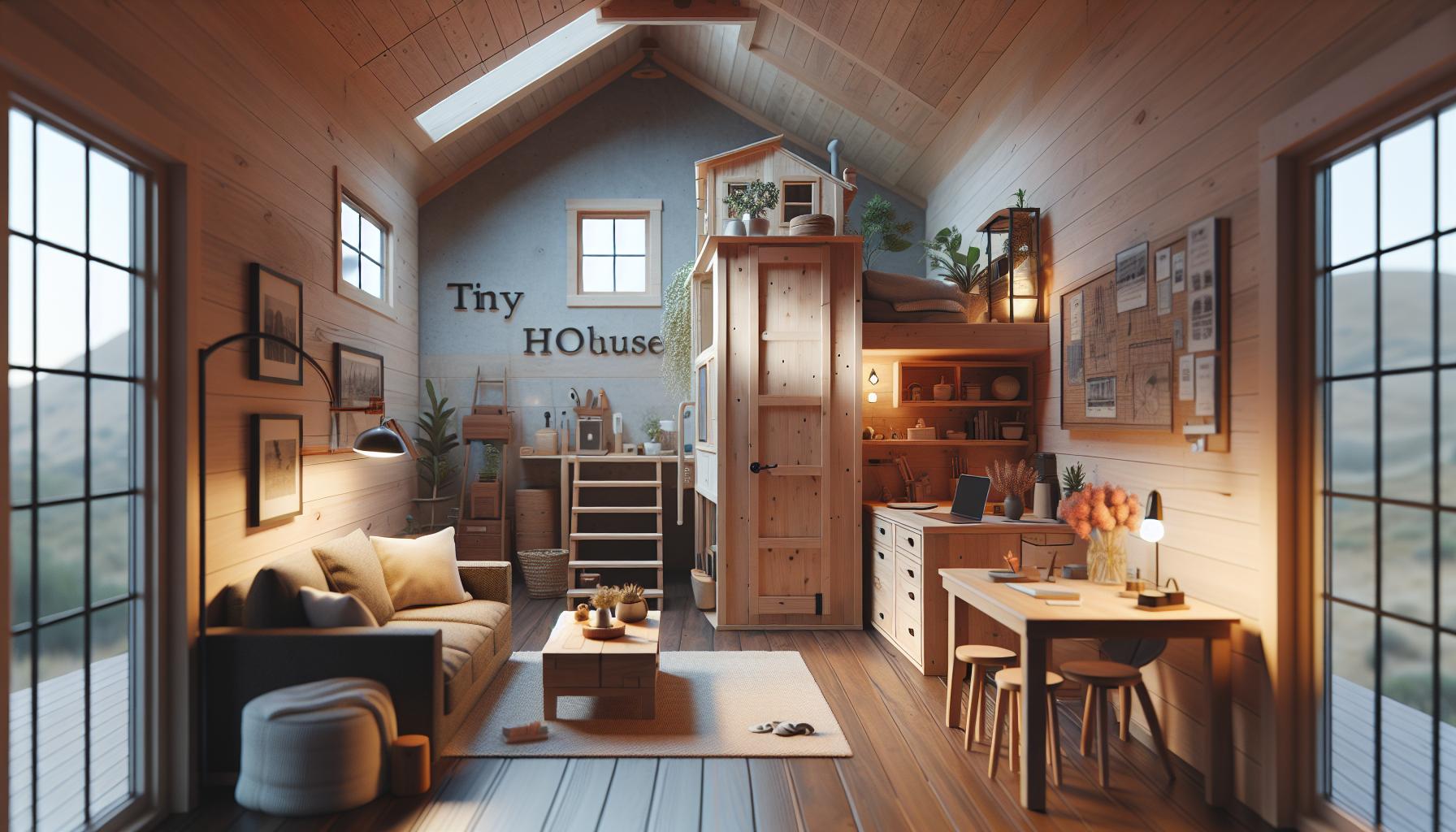
Zoning Challenges: Navigating Local Regulations for Tiny Homes
Navigating the myriad regulations surrounding tiny homes in california can feel like searching for a needle in a haystack. Many potential homeowners are excited by the idea of simplifying their lives and embracing minimalism, yet they frequently enough find themselves tangled in bureaucratic red tape. Local zoning laws can be intricate and frustrating, significantly impacting where and how you can legally place your tiny home.
Understanding Zoning Regulations
Zoning regulations vary dramatically not just from state to state, but also within regions and municipalities in California. Each city or county may have its own set of rules regarding tiny homes,which can include restrictions on their size,design,and location. As a notable example, while some areas might embrace the tiny home movement and allow them as accessory dwelling units (ADUs), others may classify them as recreational vehicles, leading to a host of compliance issues.
- Research Local Laws: Before purchasing or building a tiny home, research local zoning ordinances in the specific area you are considering. Websites of city planning departments frequently enough provide accessible resources.
- Consult with Experts: Engaging with a local real estate attorney or land use planner can provide clarity on potential zoning challenges.
- Attend Zoning Meetings: Participating in city council or planning commission meetings can offer insights into upcoming changes and current regulations.
real-World Examples
In many parts of California, such as Los Angeles and San Diego, cities have begun to recognize the benefits of tiny homes, especially as affordable housing becomes increasingly scarce.For example, Santa Monica has specific regulations allowing tiny homes on properties that already have an existing primary residence, provided that certain conditions are met. Conversely, other areas, like parts of Marin County, have been known for their strict regulations, making it virtually impractical for a tiny home to meet the existing zoning requirements.
| City | Projected Tiny Home Regulations | Notes |
|---|---|---|
| Los Angeles | Allowed as ADUs | Must comply with health and safety codes. |
| Santa Monica | Allowed with existing primary residence | Designed for affordability; limited to specific zones. |
| San Diego | Permitted under specific regulations | Encouraging innovative housing solutions. |
| Marin County | Strict limitations | Challenging environment for tiny homes. |
As you delve into the question of,”Are tiny homes legal in California?” remember that local zoning challenges can significantly affect your plans. Being proactive in understanding these regulations and potentially advocating for change could be key steps in your tiny home journey.
Building Codes and Safety Standards: Ensuring Compliance
Ensuring that your tiny home complies with relevant building codes and safety standards is not just a regulatory requirement—it is essential for safeguarding the health and safety of occupants. In California, where tiny homes have surged in popularity as an affordable housing choice, understanding and adhering to these codes is paramount. Compliance with the California Building Standards Code, coupled with local amendments, creates a framework that protects residents and sustains community integrity.
One of the key components to consider when evaluating whether tiny homes are legal in California involves understanding the specific zoning codes that govern residential structures in various locales. Many cities have adopted specific provisions or updates, which may include stipulations on minimum dwelling sizes, installation standards, and utility connections. to effectively navigate these regulations, potential tiny home owners should engage with local planning departments. For example, inhabitants of Sacramento or Los Angeles should explore their city’s specific requirements as there can be significant differences affecting everything from permitted lot sizes to the necessity of a permanent foundation versus a movable structure.
Another critical aspect to ensure compliance is understanding safety standards delineated in the International Building Code (IBC). These codes involve aspects such as structural integrity, fire safety measures, and safe egress, which are crucial for any residential structure, including tiny homes. Any renewal or updates, such as those incorporated in the 2021 IBC, which now includes provisions for special amusement areas and escape rooms, might also affect tiny home installations under certain conditions. Thus, staying informed about the latest iterations of the codes can prevent potential legal or safety issues down the line [[1]].
engaging with building codes and safety standards when considering tiny homes in California is not merely a bureaucratic step but a commitment to creating a safe living environment. It is indeed advisable to consult professional contractors familiar with local regulations or legal experts specializing in zoning laws to ensure that your tiny dwelling adheres to all necessary codes. This proactive approach minimizes risks and enhances the longevity and enjoyment of your tiny home.
Parking and Placement: Finding the Right Spot for Your Tiny Home
Navigating the world of tiny home ownership in California comes with its own set of unique challenges, and one of the most critical considerations is the matter of parking and placement. The key to enjoying your tiny home lifestyle lies in finding the right spot that not only meets legal regulations but also feels like home. With a diverse landscape ranging from urban neighborhoods to remote mountain retreats, the Golden State offers a variety of options for tiny home placement, yet understanding the legal implications and practicalities is essential.
Understanding Local Regulations
When searching for the ideal location for your tiny home, start with a thorough understanding of local zoning laws and regulations.Each city and county has its own stance on tiny homes, which can vary significantly. As an example, while some areas have embraced tiny homes and established designated zones, others may treat them like traditional mobile homes or even prohibit them altogether. Before committing to a particular spot, consult your local planning department. It’s frequently enough useful to refer to resources like the California Department of Housing and Community development, which provide guidelines specific to tiny homes.
Potential Parking Options
When it comes to parking your tiny home, here are a few potential options to consider:
- Private Land: If you own land or have family or friends who are willing to allow you to park your tiny home, this can be the simplest solution.Just ensure that you comply with zoning laws.
- Tiny Home Communities: Many areas in California feature tiny home villages that have been developed specifically for this lifestyle. These communities frequently enough provide utilities and shared amenities,making them a convenient choice.
- RV Parks: Some tiny homes are classified similarly to RVs, enabling you to stay at RV parks, but check with the park to ensure that your tiny home meets their criteria.
- Temporary or Recreational Sites: If you seek a less permanent solution, campground or recreational site rentals might be ideal for short-term living.
practical steps for Securing your Spot
Once you’ve pinpointed your preferred location, it’s time to take action to ensure everything is in order. Below are practical steps you should consider:
| Step | description |
|---|---|
| 1. confirm Zoning Regulations | Review local city and county regulations to ensure your tiny home can legally be placed in your desired location. |
| 2.obtain Necessary Permits | Secure any building or placement permits required by local authorities to avoid fines. |
| 3. Assess Utilities | Determine how you will connect to utilities or consider off-grid solutions for water and sewage. |
| 4. Create a Safety Plan | Ensure your parking area meets safety standards, including fire safety regulations, which may include maintaining a buffer zone. |
| 5. plan for Community Support | Consider joining local tiny home groups or forums for companionship and resource sharing. |
By diligent research and thoughtful planning, you can navigate the intricate landscape of tiny home placement in California, ensuring that your new abode is positioned for comfort and compliance. Finding the right spot not only affects the physical comfort of living in a tiny home but also enriches the overall experience of minimalistic living in the Golden State.
Tiny Home Communities: Exploring Options in the Golden State
Amid California’s soaring real estate prices and housing shortages, tiny homes offer a practical solution for those seeking affordable living options without sacrificing lifestyle. In recent years, the rise of tiny home communities across the Golden State has provided residents with a unique chance to embrace minimalism while enjoying a tight-knit community atmosphere. Understanding whether tiny homes are legal and how to navigate residential requirements can empower potential homeowners to join this growing trend.
Legal Landscape for Tiny Homes in California
While the state has made significant strides in recognizing and legalizing tiny homes, regulations can vary widely by city and county. Under the guidelines established in the “Are Tiny Homes Legal in California? Complete Golden State Guide,” many municipalities now permit tiny homes on permanent foundations, recognizing them as accessory dwelling units (ADUs).However, potential residents must still check local zoning laws and building codes to ensure compliance before making a purchase.
Exploring tiny Home Communities
California boasts a range of tiny home communities, each with its own unique offerings and ambiance. Here are some notable examples:
- mountainside Retreat: Nestled in the Sierras, this community offers stunning views and a focus on outdoor living, perfect for nature enthusiasts.
- Eco-village: Located in Northern California, this community prioritizes sustainability and off-grid living, appealing to environmentally-conscious individuals.
- Coastal Getaway: Just a stone’s throw from the beach, this vibrant community is ideal for those craving a laid-back, seaside lifestyle.
Each of these communities not only provides a place to live but fosters a sense of togetherness among residents.for those interested in the logistics of tiny living, visiting these communities can offer invaluable insights into everyday life in compact spaces, helping prospective owners to find the perfect fit.
Tips for Prospective Tiny Homeowners
For those considering joining a tiny home community in California, here are some actionable steps to guide your journey:
- Research local Regulations: Dive deep into local zoning laws to avoid potential pitfalls.
- Connect with Existing Residents: Engage in conversations with current community members to gain firsthand knowledge about living conditions and communal values.
- Assess financial Realities: Determine your budget not only for the home itself but also for communal dues, utilities, and maintenance costs.
By approaching the tiny home community lifestyle with an informed mindset, prospective homeowners can enjoy the many benefits of tiny living while navigating the complexities of California’s housing landscape. For a deeper understanding of legalities and options available, the “Are Tiny Homes Legal in California? Complete Golden State Guide” serves as an essential resource.
Permitting Process: How to Get Started on Your tiny Home Journey
The journey to owning a tiny home can be as thrilling as it is daunting, especially in a state like California where regulations can be intricate. Understanding the permitting process is crucial for ensuring your tiny home project not only becomes a reality but also complies with local codes. Since the legal landscape for tiny homes has evolved, knowing how to navigate the rules can keep your plans on track.
Research Local Regulations
Before diving into the permitting process, familiarize yourself with local zoning laws and building codes. Regulations can vary significantly across cities and counties in California. Begin by:
- Checking with your city or county’s planning department for specific zoning regulations.
- Identifying areas where tiny homes are permitted, which may include specific zoning districts.
- Examining height restrictions, set-back requirements, and utility hook-up specifications.
Each municipality may have a unique set of rules governing tiny homes, which makes thorough research essential. As an example, while some cities allow tiny homes on foundations, others may only permit those on wheels.
Develop Your Tiny Home Plan
Once you’re informed about the local regulations, it’s time to create detailed plans for your tiny home. This phase typically includes:
- Drafting architectural plans that comply with local building codes.
- Working with an architect or designer who has experience with tiny homes and can adequately address structural and safety requirements.
- Including specifications for utilities (water, electricity, sewage) and how they will be connected to municipal systems or alternative solutions.
Having a well-prepared plan is key to moving forward in the permitting process. Consider creating a checklist of all necessary documents and reports needed for submission, such as site surveys and engineering assessments.
Submit Your Application
With your plans finalized,the next step is to submit your permit application. This typically involves:
- Filling out the requisite forms from your local planning department.
- Paying applicable fees, which can vary based on your location and the complexity of your project.
- Presenting your plans during public hearings if required, to address community concerns.
Make sure to keep track of your application status and be prepared for possible revisions to your plans based on feedback from local officials.
Understand the Timeline and Follow Up
The permitting process can take time, frequently enough ranging from a few weeks to several months depending on the complexity of your proposal and the responsiveness of the local agency. To avoid unnecessary delays:
- Check in regularly with the planning department.
- Be responsive to any requests for additional facts or revisions.
- Have contingency plans in case of delays to keep your budget and timeline on track.
Embracing the permitting process with diligence and a proactive approach can pave the way for a smoother tiny home journey in California. Always remember to build relationships with local officials and seek advice from communities of tiny homeowners that can share their insights and experiences.
Environmental Considerations: Sustainable Living and Legal Requirements
Living sustainably has garnered traction in recent years, and tiny homes often represent a practical response to this burgeoning movement. Notably in California, where environmental concerns are acute, tiny homes stand out as both a solution to housing shortages and a commitment to more eco-friendly living. Though, understanding the legal framework around tiny homes is just as crucial as their sustainable advantages.
Eco-Friendly Dimensions
Choosing a tiny home can significantly reduce your environmental footprint. These compact dwellings use fewer resources during construction and consume less energy over time due to their small size. Homeowners enjoy lower utility bills, and many opt for solar panels—aligning with California’s push for renewable energy. Some practical measures for promoting sustainability in tiny homes include:
- Efficient Design: Incorporate energy-efficient appliances and lots of natural light to reduce electricity needs.
- Water Conservation: Implement rainwater harvesting systems and low-flow fixtures to minimize water usage.
- Recycled Materials: Use recycled or sustainably sourced materials for construction to lessen environmental impact.
Navigating Legal Requirements
While embracing sustainable living through tiny homes can seem straightforward, California’s legal landscape requires diligence. Zoning laws and building codes differ across cities,creating a complex web of regulations that can challenge prospective tiny home owners.
| Category | Typical Requirements | Example City Regulations |
|---|---|---|
| Zoning | Designated areas for tiny homes | In Los Angeles, some areas allow tiny homes on certain residential lots. |
| Building Codes | Compliance with safety and construction standards | San Francisco has specific guidelines for foundation requirements. |
| Utilities | Connection to water and electricity | santa Cruz mandates utility hookups for tiny homes built on wheels. |
Understanding these requirements is not just about legality—it’s about ensuring that your tiny home can be a sustainable sanctuary in California. To navigate these complexities effectively, potential tiny homeowners should consult legal experts and local zoning boards, ensuring compliance while maximizing the environmental benefits. This step will pave the way for a harmonious relationship between sustainable living and the regulatory environment that governs it.
Financing Your Tiny Home: Legal Options and Financial Advice
While the appeal of tiny homes continues to rise, particularly in places like California, understanding the financial landscape is crucial for prospective owners.Many individuals are attracted to the lower living costs and environmental impact associated with tiny houses, but navigating the financing options requires careful consideration and planning. With various legal prerequisites and financial products available, it’s imperative for buyers to familiarize themselves with the best routes to fund their compact dream homes.
Understanding Financing Options
Financing a tiny home can be approached through different avenues. The most common methods include:
- Mortgages: Some lenders are beginning to offer traditional mortgages for tiny homes, especially if they are on a permanent foundation.This can provide a long-term financing solution with lower interest rates.
- Personal Loans: For those looking to finance a tiny home on wheels, personal loans offer more flexibility and faster access to funds, even though they usually come with higher interest rates.
- Home Equity Lines of Credit (HELOCs): If you own a property,leveraging existing equity could be a smart way to finance your tiny house project at a potentially lower interest rate.
Legal Considerations
Before committing to a financial plan, it’s vital to ensure that your tiny home complies with local zoning and building regulations. California has unique laws and guidelines surrounding tiny homes, particularly regarding where they can be legally placed. potential buyers should:
- Research local ordinances to confirm if tiny homes are permitted in their desired area.
- Consult with local government agencies to understand necessary permits and foundation requirements.
- Explore communities and developments that specifically cater to tiny homes, which may offer more straightforward zoning pathways.
With the right financial strategy and an understanding of local building laws, the path to owning a tiny home in California can become a reality. Investors and buyers can consider reaching out to specialized lenders or financial advisors familiar with the nuances of tiny home financing to further ensure their plans align with both their financial goals and legal requirements. By embarking on this journey well-informed, owners can enjoy both the lifestyle benefits and the investment potential of their tiny home.
Faq
Are Tiny Homes Legal in California?
Yes, tiny homes are legal in California, but regulations vary by city and county. Some local governments have adopted specific zoning laws for tiny homes, while others may require permits that adhere to local building codes.
California’s diverse landscapes mean that regulations can differ widely. As an example, urban areas might have stricter building codes compared to more rural communities.It’s essential to check local zoning laws to understand what is permissible in your area. You can start by reviewing our complete guide on tiny home regulations in your region.
What is a tiny home?
A tiny home is generally defined as a small dwelling, typically measuring less than 400 square feet. These homes emphasize efficiency and minimalism, frequently enough focusing on eco-friendly living.
Tiny homes can be on wheels or fixed to a foundation, impacting their legal classification.A mobile tiny home may be considered an RV in some jurisdictions, while a permanent tiny home might follow traditional housing laws. Understanding these definitions helps clarify permitting requirements for tiny homes in California.
Can I live in a tiny home full-time in California?
Full-time living in a tiny home is possible in California, especially if it’s correctly permitted. Though, local laws dictate whether it’s allowed in particular zones or as an accessory dwelling unit (ADU).
Some cities permit tiny homes as ADUs on residential properties, while others might restrict them to specific zones. Always check with your local planning department to navigate the regulations. Resources like the California Department of Housing and Community Development can guide your research.
Why do people choose to live in tiny homes?
People choose to live in tiny homes for various reasons, including financial savings, reduced environmental impact, and a simpler lifestyle. The minimalist approach enhances focus on what truly matters, often leading to greater personal fulfillment.
Many tiny home dwellers appreciate the lower utility costs and minimal upkeep. Plus, tiny home living can foster a stronger sense of community, as many tiny house enthusiasts gather to share experiences and tips. Embracing such a lifestyle can fulfill both practical and philosophical aspirations.
What permits are required for tiny homes in California?
Permits for tiny homes in california depend significantly on their structure and location. For tiny homes on a foundation, a building permit is typically required. Tiny homes on wheels may need different permits, often categorized like RVs.
To ensure compliance, check with your local building department. Every city has unique regulations, and some might require additional inspections. Seeking guidance from professionals or local tiny home advocates can streamline your readiness and help address potential challenges.
Are tiny homes considered real estate in California?
Tiny homes can be classified as either real property or personal property, depending on their foundation. Tiny homes built on a permanent foundation are usually considered real estate, while those on wheels are often regarded as personal property.
This classification affects property taxes, zoning regulations, and permitting requirements. The distinction is essential for potential tiny home buyers and builders to understand. Connecting with a informed realtor can help navigate the complexities of tiny home ownership.
How can I find tiny home-friendly communities in California?
Finding tiny home-friendly communities involves researching cities and neighborhoods that embrace the tiny home movement. Look for areas with supportive zoning laws and established tiny housing developments.
Online resources,social media,and tiny home forums can offer valuable insights from existing residents. Many communities in California, such as those in Humboldt or Sonoma counties, actively promote tiny house living. Engaging with tiny home gatherings can also connect you with residents and advocates who share their successful experiences.
Insights and Conclusions
As we wrap up our exploration of the legality of tiny homes in California, it’s clear that navigating the intricate laws and regulations can be both a challenge and an chance for aspiring tiny house dwellers.From understanding zoning restrictions to securing the right permits, each step is pivotal in making your minimalist dream a reality.Remember, while the allure of tiny living is strong, it’s essential to approach this lifestyle with informed enthusiasm, as the legal landscape varies significantly across the golden state.
Whether you’re captivated by the sustainable aspects of tiny homes or seeking a simpler way of life, equipping yourself with knowledge will empower you in your journey. Don’t hesitate to reach out to local municipalities for specific regulations and engage with tiny home communities to share tips and experiences. Your path to tiny living may have its hurdles, but with dedication and the right information, it can also lead to a rewarding new chapter.
We encourage you to continue your research, connect with fellow enthusiasts, and immerse yourself in the joys and challenges that come with small-space living. your tiny home adventure awaits—step boldly into this liberating lifestyle and explore all that it has to offer!
Get our latest guides, news, and insights highlighted in your Google Search & AI Overviews.


