
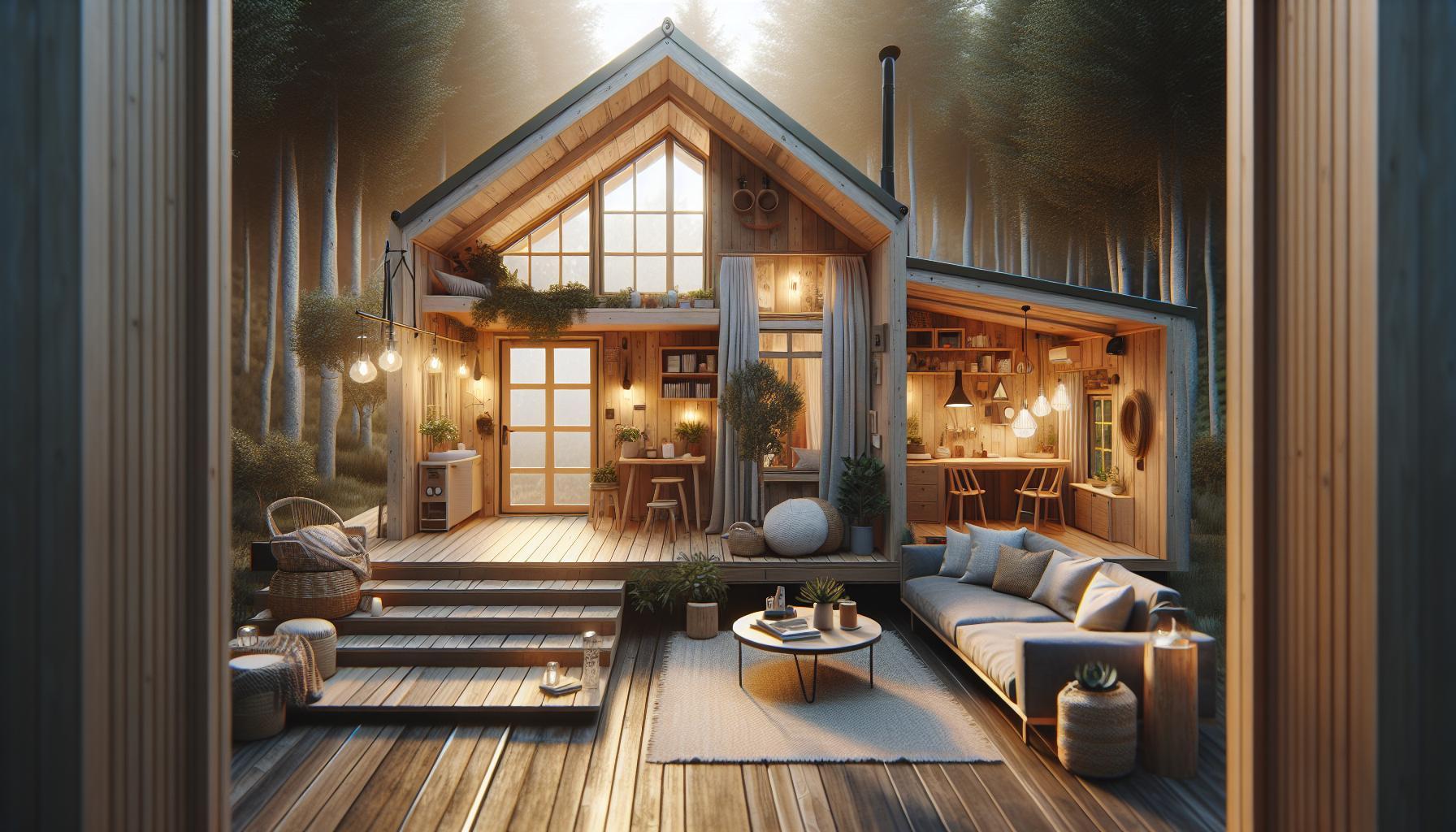

As urban populations swell and housing becomes increasingly unaffordable, the appeal of downsizing into compact living spaces rises. Miniature homes offer not just a solution to skyrocketing real estate prices but also promote a simpler, more enduring lifestyle. This shift toward minimalist living is reshaping the concept of home in profound and innovative ways.
Understanding the Tiny House Movement: Origins and Philosophies
The allure of the tiny house movement lies in its promise of simplicity and freedom, challenging societal norms about living space and material wealth. This movement emerged in the late 20th century as a response to the rising costs of housing and the desire for sustainable living. jay Shafer is often credited with popularizing this trend when he constructed his first tiny home in 1997,a quaint,chapel-like structure that exemplified both aesthetic charm and functional design. His initiative sparked a larger conversation about minimalism, sustainability, and the impact of housing on personal well-being and the surroundings.
Philosophical Foundations
At the heart of the tiny house movement is the philosophy of minimalism which advocates for a life free of excess and clutter. Followers of this movement often cite several key motivations for embracing such a lifestyle:
- Simplifying Life: Living in a smaller space encourages individuals to prioritize what truly matters, be it experiences over possessions.
- Financial Freedom: Many tiny homeowners find that downsizing leads to important reductions in mortgage and utility costs, enabling them to allocate resources for travel, education, or savings.
- Sustainability: Tiny houses typically consume fewer resources and generate a smaller ecological footprint, aligning with environmentally conscious values.
- Mobility: The compact nature of tiny homes allows for mobility and flexibility, catering to those who desire a lifestyle that changes with their aspirations.
In examining the philosophies underpinning this movement,it becomes clear that tiny homes are not merely about reducing square footage—they represent a basic shift in how we approach personal space and satisfaction. Enthusiasts often express that this lifestyle allows for deeper connections, both with themselves and their communities, as they step away from consumerism and embrace more meaningful interactions.
The Evolution of Tiny Living
As the tiny house movement gained momentum, it evolved into a broader social phenomenon that intersects with contemporary issues such as urbanization, housing shortages, and environmental concerns. the rise of social media played a crucial role in popularizing tiny homes, with platforms showcasing innovative designs and personal stories that resonate with a diverse audience seeking alternatives to traditional living.
Currently, many cities are starting to recognize the potential of tiny homes as a viable solution to housing crises. Local governments are adapting zoning laws to accommodate tiny house villages, creating communities that prioritize accessibility and sustainability. As an example, initiatives in cities across the U.S. demonstrate how collaborative living arrangements can provide not only shelter but also foster a sense of community.
In essence, tiny homes symbolize more than just a trend—they offer a viable response to modern challenges, empowering individuals to reclaim their lives from the burdens of excessive consumerism and financial strain. As we ponder whether tiny homes are the future and how miniature living is changing housing, it becomes evident that this movement invites us to rethink our definitions of home, happiness, and success.
The Benefits of Miniature Living: Sustainability and Affordability
In an era where environmental concerns and economic challenges are increasingly pressing, the allure of miniature living is hard to ignore. Tiny homes offer a compelling solution, marrying sustainability and affordability in a way that traditional housing frequently enough fails to match. By downscaling space and minimizing waste, tiny homes embody a lifestyle that not only conserves resources but also redefines our understanding of what a home should be.
Sustainability: Reducing Your Carbon Footprint
The eco-friendly nature of tiny homes cannot be overlooked. These compact dwellings require substantially fewer materials to build and operate,leading to a smaller carbon footprint compared to larger houses. Many tiny home designs incorporate sustainable practices from the ground up, including:
- energy Efficiency: Compact structures often utilize energy-efficient appliances and heating solutions, which can drastically reduce the amount of energy consumed.
- Use of Sustainable Materials: Tiny homes are frequently built using reclaimed wood, recycled materials, and non-toxic finishes, minimizing their impact on the environment.
- Minimal Land Use: Occupying less land means less disruption to ecosystems and more open space available for greenery and biodiversity.
The integration of renewable energy sources, such as solar panels, can further enhance a tiny home’s sustainability, allowing inhabitants to live with an energy-independant mindset.
Affordability: Making Homeownership Attainable
Alongside sustainability, the affordability of tiny homes presents a significant advantage in today’s housing market. The high costs of living,particularly in urban centers,make traditional single-family homes unattainable for many. Tiny homes provide a viable choice, often costing a fraction of their larger counterparts.The financial benefits include:
- Lower Initial Cost: The average tiny home price can range from $20,000 to $60,000, compared to the median new home price, which can exceed $400,000, making ownership and investment opportunities more accessible.
- Reduced Utility Bills: Keeping energy consumption low translates to lower utility bills, allowing for significant savings over time.
- lower Property Taxes: With smaller properties, homeowners often enjoy reduced property taxes, adding to the long-term financial benefits of tiny home living.
For example, a family that downsizes from a large suburban home to a tiny house can see their monthly expenses drop dramatically. This financial freedom opens the door to more opportunities — whether that’s traveling, investing, or pursuing personal passions.By embracing the concepts behind miniature living, individuals are not only opting for a sustainable lifestyle but also taking a step towards a more affordable and fulfilling life.This shift towards tiny homes could very well be a significant factor in redefining housing patterns in the future.
Navigating Legal Challenges: Zoning and Building Codes for Tiny Homes
Navigating the complex landscape of housing regulations is a critical step for anyone considering the tiny home lifestyle. With the increasing popularity of minimal living, understanding how zoning laws and building codes impact tiny homes is essential. Many enthusiasts have found that their dream of living in a small, portable dwelling can be hindered by local regulations designed for traditional housing, leading to confusion and, in some cases, legal challenges.
understanding Zoning Regulations
Zoning laws vary widely from one jurisdiction to another, which can pose significant challenges for those looking to establish a tiny home community or park. These regulations dictate how land can be used and often categorize properties based on factors like size and purpose. Here are some common zoning categories that may impact tiny homes:
- Residential Zones: Often require homes to meet minimum square footage and other standards. Many tiny homes fall short of these requirements.
- Agricultural Zones: In some areas, tiny homes may be allowed if they’re categorized as agricultural structures, but this can depend heavily on local laws.
- Temporary vs.Permanent Structures: Some places permit tiny homes as temporary dwellings on permissible land, but transitioning to permanent status can be complex.
Building Codes and Compliance
Building codes are another hurdle for tiny home builders and owners. While these codes are designed to ensure safety and livability, tiny homes often don’t fit neatly into existing frameworks. Here are some key aspects to consider when planning your tiny home:
- foundation Requirements: Many codes require homes to be built on a permanent foundation, which can conflict with the mobile nature of tiny homes.
- Safety Standards: Tiny homes must meet specific safety standards,including fire and electrical codes,which can be particularly challenging for DIY enthusiasts.
- Utilities and Hookups: It’s crucial to confirm how your tiny home will connect to local utility services, as some areas have strict requirements for water, sewage, and electricity.
| Aspect | Potential Challenge | Consideration |
|---|---|---|
| Zoning Compliance | Restrictions on land use for tiny homes | Research local zoning laws and consider alternative zones. |
| Building Codes | Meeting minimum size and safety standards | Consult with professionals or local authorities on codes. |
| Permitting | Acquiring necessary permits for construction | Work with a builder experienced in tiny homes to streamline the process. |
As the trend of tiny living grows, more communities are beginning to adapt their zoning and building codes to accommodate these smaller homes, recognizing their potential for affordable and sustainable housing. Staying informed and proactive about navigating these legal challenges will ensure that your journey towards tiny living aligns with all necessary regulations, allowing you to fully embrace the freedom and simplicity of this lifestyle.
Designing Your Tiny Dream: Essential Space-Saving Techniques
Designing your dream tiny home requires a keen eye for maximizing every inch while ensuring comfort and functionality. The transition to miniature living is not just a trend; it’s a creative response to modern housing challenges. Actually, tiny homes are reshaping the housing landscape, proving that less can indeed be more. Whether you’re seeking a minimalist lifestyle or aiming to downsize,implementing effective space-saving techniques is essential.
Innovative Storage solutions
One of the fundamental aspects of tiny home design is smart storage. Incorporating multifunctional furniture is paramount. For example, consider using ottomans that double as storage bins or beds with built-in drawers underneath. Additionally, vertical space is often underutilized; installing shelves that extend to the ceiling can dramatically increase your storage capacity without sacrificing floor space.
- Wall-mounted Units: Floating shelves and cabinets can keep floors clear.
- Under-Stair Storage: Utilize the area beneath ladders for bins or books.
- Multi-Purpose pieces: Look for items that serve more than one function, such as a dining table that folds into a console.
Smart Layout Design
The layout of your tiny home should promote flow and functionality. Open floor plans are particularly effective as they create a sense of space and versatility. Use zoning techniques, such as area rugs, to define different spaces within an open layout. Additionally, consider clear or collapsible dividers to maintain an open feel while providing necessary privacy when needed.
Real-World Examples
Sustainable designs are also gaining traction in tiny home construction.Homes that feature expandable sections or modular features allow residents to adjust their living space as needed. As a notable example, tiny homes built on trailers can easily relocate, while those with expandable rooms provide room for guests or hobbies without permanent commitment.
By embracing these essential space-saving techniques, you can create a tiny home that doesn’t just meet your needs but exceeds expectations. As the movement towards miniature living continues to grow, exploring these innovative strategies will be crucial in making the most of your small space.
overcoming Challenges: Common Hurdles in Tiny house Living
The allure of tiny homes frequently enough overshadows the complexities of minimalist living, making it essential to recognize that this lifestyle is not without its challenges. Individuals embarking on this journey might envision the freedom that comes with reduced space and lower costs, yet they frequently enough encounter a series of obstacles that can test their resolve. Understanding these common hurdles can equip potential tiny home dwellers with the strategies needed to navigate the unique lifestyle that comes with miniature living.
Space Limitations
One of the most significant challenges of living in a tiny home is coping with limited space. Downsizing from a traditional dwelling requires a profound commitment to decluttering and re-evaluating one’s lifestyle.
- Smart Storage Solutions: Maximizing vertical space with shelves and multi-functional furniture can help utilize every inch of the home effectively.
- Regular Decluttering: Establishing a routine for regular decluttering ensures that residents maintain an organized living space,aligning with their minimalist values.
As families or individuals downsize, some find that they struggle with the emotional aspects of letting go of belongings that hold sentimental value. By establishing clear criteria for what to keep—such as necessity, utility, or joy—residents can make these tough decisions more manageable.
Zoning and Legal Issues
In many areas, tiny homes encounter obstacles related to zoning laws and building codes. These regulations can vary widely, complicating the ability to find suitable land for a tiny home.
- Research Local Ordinances: Prospective tiny home dwellers must thoroughly research zoning laws in their desired location to identify potential restrictions.
- Consider Alternative Living Arrangements: Options such as tiny house RVs can provide greater flexibility in terms of placement and legality.
Some pioneers have turned to advocacy, working within their communities to promote more inclusive policies that accommodate this burgeoning movement towards compact living.
Social and community Challenges
The transition to tiny living can also come with social hurdles. the shift to a smaller living environment may isolate individuals who are used to a more extensive social network.
- Engage with Local Tiny house Communities: Networking with other tiny house enthusiasts can create a support system and enhance the social experience.
- Join Online Forums and Social Media Groups: These platforms can provide encouragement,sharing of ideas,and resources on tiny living.
By participating in these communities, residents can exchange strategies for overcoming potential loneliness and learn from the experiences of others who have embraced the tiny house movement.
the journey toward minimalist living presents its share of challenges, from space constraints and legal matters to social adjustments. Each obstacle can serve as an opportunity for growth and adaptation, ultimately leading to a more fulfilling and intentional lifestyle. By addressing these common difficulties proactively, aspiring tiny home dwellers can pave the way for a smoother transition into their new way of life, continually affirming the potential of tiny homes as a sustainable future in housing.
Tiny Homes and community: Building Connections in Smaller Spaces
In an era where the fast-paced lifestyle often leaves little room for meaningful connections, the growing popularity of tiny homes is reshaping not only living arrangements but also the essence of community. These compact dwellings, exemplifying minimalism and efficiency, are fostering closer ties among residents, creating spaces where neighbors are no longer just passersby but integral members of a supportive network.
The Benefits of Tiny Home Communities
tiny homes frequently enough thrive in intentional communities, where like-minded individuals choose to live in proximity. These communities nurture a sense of belonging and facilitate interaction. By living in smaller spaces, residents are more inclined to engage with their surroundings and their neighbors. here are some notable benefits of tiny home communities:
- Enhanced Social Interaction: Smaller living environments naturally encourage more frequent social engagement, from communal meals to shared activities.
- Resource Sharing: Many tiny home communities offer shared facilities such as gardens, kitchens, and workshops, reducing individual costs while enhancing community collaboration.
- Environmental Impact: Living in tiny homes minimizes resource consumption, leading to a collective commitment to sustainability among residents.
Communities like *Tiny Estates* and *EcoVillage* not only prioritize sustainable living but also emphasize cooperative governance, where residents actively participate in decision-making processes. This collaborative approach to living makes every voice heard, reinforcing the bonds between neighbors and creating an environment of mutual respect and trust.
Creating Lasting Connections
The intimacy of tiny house living paves the way for deep-rooted relationships. Residents often partake in organized events such as potlucks,gardening clubs,or movie nights,all of which cultivate friendship and solidarity. Each interaction creates shared memories and strengthens the community fabric.
| Community Activity | Purpose | Example |
|---|---|---|
| Weekly potluck | foster camaraderie and share culinary traditions | Residents gather to share homecooked meals and recipes |
| Gardening Projects | Promote sustainability and reward teamwork | Collective efforts to maintain a community garden |
| Skill-Sharing Workshops | Encourage personal growth and resourcefulness | Residents teach each other crafts, cooking, or DIY projects |
The movement towards tiny homes isn’t just about downsizing—it’s a lifestyle that embraces the beauty of simplicity and the importance of community. As more individuals and families embrace this trend, they inadvertently lead a renaissance in how we conceptualize home, not just as a physical structure, but as a vibrant community connected through shared experiences and aspirations.
financing Your Tiny Adventure: Options and Considerations
The appeal of tiny homes is not merely a trend; it’s a lifestyle revolution that has captivated many who seek simplicity,sustainability,and affordability.However, while the prospect of downsizing may seem enticing, the journey to homeownership in this minimalist realm requires navigating a variety of financing options tailored for compact living.
Understanding Your Financing Options
Securing financing for a tiny home can come with unique challenges compared to traditional mortgages for larger houses. Since many tiny homes do not fit the conventional definition of real estate, it’s essential to be aware of various funding avenues:
- Personal Loans: These unsecured loans can provide the necessary funds without requiring collateral. They often have higher interest rates, so it’s crucial to shop around for the best terms.
- RV and Vehicle Loans: If your tiny home is built on wheels, some lenders offer RV loans designed specifically for mobile properties. This option can provide lower interest rates compared to personal loans.
- Traditional Mortgages: Some banks and credit unions are starting to recognize the value of tiny homes and may provide traditional loans, but often you will need a larger down payment and a good credit score.
- Seller Financing: In some cases, sellers may be open to financing the home directly, allowing you to negotiate monthly payments or terms that work for your budget.
- Grants and Subsidies: Certain local governments or non-profit organizations may provide assistance programs aimed at affordable housing, making it worth your while to research potential grants.
Vital Considerations
When considering financing for your tiny home, it’s essential to take into account several factors that could influence your decision:
- Budgeting: Create a clear budget, factoring in not just the cost of the home but also land acquisition, utility setup, and maintenance expenses.
- Location: The location of your tiny home can impact financing options. Some areas may have more flexible zoning laws that could allow for easier financing.
- Resale Value: while tiny homes are generally lower-cost, understanding the potential resale value is critical. Research similar homes in your area for insights.
- Community Living: Many tiny home owners choose to live in communities that offer shared amenities. Evaluate membership fees or purchase costs associated with these communities.
To provide a clearer understanding of financing paths, here’s a simplified comparison of various options:
| Financing Type | Pros | cons |
|---|---|---|
| Personal Loan | No collateral required; rapid approval | higher interest rates |
| RV Loan | Lower interest rates for mobile homes | Not suitable for permanent structures |
| Traditional Mortgage | lower interest rates; possibility of tax benefits | Strict requirements; potential for higher down payment |
| Seller Financing | Flexible terms; direct negotiation | Depends on seller’s willingness; varies widely |
| Grants/Subsidies | Could significantly lower costs | Highly competitive; requires thorough research |
As tiny living continues to redefine the housing landscape, understanding these financing avenues can empower you to make informed decisions about your future home. Exploring every option while considering your financial strategy is crucial to successfully embarking on your tiny adventure.
The Future of Tiny Homes: trends Shaping Tomorrow’s Housing Landscape
In an age where urbanization is on the rise and housing markets are increasingly strained, tiny homes have emerged as a beacon of innovative living, challenging our perceptions of space and comfort. The concept of miniature living is not merely a trend; it’s a response to growing societal demands for multifaceted solutions to housing. As more people seek sustainable, affordable, and minimalistic lifestyles, the future of this movement appears ascendant, driven by a variety of transformative trends.
Sustainability at the Core
More than just a trendy choice, tiny homes embody sustainability. their compact design allows for reduced energy consumption and minimal waste, appealing to the environmentally conscious. As we advance toward more stringent environmental regulations, tiny homes will likely lead the way in eco-friendly construction practices. Some features that are becoming standard in this evolution include:
- Renewable Energy Solutions: Solar panels and wind turbines are becoming commonplace, enabling homeowners to harness natural energy.
- Water Management Systems: Rainwater harvesting and greywater recycling systems help minimize water use.
- Recycled Materials: Builders are increasingly turning to reclaimed materials to reduce their carbon footprint.
As environmental awareness continues to rise, the integration of green technology in tiny homes will not only entice eco-conscious consumers but also encourage larger builders to adopt similar practices.
Technology Integration
The surge of smart technology has revolutionized how we interact with our living spaces, and tiny homes are no exception. Innovatively designed to maximize functionality while minimizing size, these homes often integrate high-tech solutions that enhance living experience. Key advancements on the horizon include:
- Smart Home Automation: Lighting, heating, and security can be monitored and controlled remotely, conserving energy and ensuring safety.
- space-Optimizing Designs: Multifunctional furniture and foldable designs help maximize every inch of space.
- 3D Printing: This technology allows for rapid, cost-effective construction, making tiny homes more accessible than ever.
These technological innovations not only make tiny homes more livable but also align with the global shift towards digital convenience and efficiency.
Community-Oriented Living
Another aspect shaping the future of tiny homes is the rise of community-focused living arrangements. Tiny home communities are sprouting across the globe, fostering a sense of belonging and mutual support among residents. This trend is driven by several factors:
- Shared Resources: Communities frequently enough pool resources, such as gardens, tools, and recreational areas, reducing individual financial burdens.
- social Connectivity: With smaller living spaces,residents are encouraged to interact more,promoting a communal lifestyle.
- Affordability: By living in communities, homeowners can share costs, making housing more accessible.
As the loneliness epidemic grows, these tiny home communities may pave the way for more connected living experiences, reshaping how we think about our neighborhoods and social structures.
| Trend | Description |
|---|---|
| Sustainability | Focus on eco-friendly materials and renewable energy sources. |
| Technology Integration | Adoption of smart home technology to enhance living efficiency. |
| Community Living | Growth of tiny home communities fostering social interaction. |
As we look to the horizon, it’s clear that the tiny home movement is not just a passing phase; it’s a formidable force reshaping the housing landscape. With sustainability,technology,and community as driving forces,tiny homes are well-positioned to redefine what it means to live well in the modern age.
Frequently Asked Questions
Are Tiny Homes the Future? How Miniature Living Is Changing Housing?
yes, tiny homes are shaping the future of housing by promoting sustainability, affordability, and minimalist living. They represent a shift towards smaller, more efficient living spaces, appealing to those seeking a simpler lifestyle within a limited footprint.
Tiny homes challenge conventional views on space, encouraging residents to focus on essential needs rather than excess.As housing prices skyrocket, many individuals are drawn to this movement not only for financial reasons but for the freedom it offers. Additionally,tiny homes often have a lower environmental impact,aligning with growing trends toward sustainability.
What are the benefits of living in a tiny home?
Living in a tiny home offers several benefits,including reduced living costs,simplified lifestyles,and minimal environmental impact. Residents often experience greater financial freedom and increased time for personal activities.
Many tiny homeowners appreciate the challenge of downsizing, which helps them prioritize what truly matters. This lifestyle encourages a close-knit community ethos, often facilitated by tiny home villages. Moreover, by minimizing consumption, residents lower their carbon footprint, making tiny homes an eco-friendly choice.
How can I start my journey towards tiny house living?
To start your journey towards tiny house living, research and educate yourself about the tiny home movement to determine if it’s the right fit for you. Begin by evaluating your needs and setting a realistic budget.
Consider attending tiny house workshops or connect with a local tiny house community for support. Engaging with online forums and resources can also provide valuable insights into design options, construction methods, and zoning laws. Remember, proper planning can help you avoid common pitfalls and enable a successful transition to this unique lifestyle.
Why does the tiny house movement appeal to so many people?
The tiny house movement appeals to many due to its focus on financial freedom, sustainability, and a minimalist lifestyle. It resonates with those looking to escape the consumer-driven culture and reduce stress by simplifying their living situation.
This movement empowers individuals to prioritize experiences over possessions, leading to enhanced overall satisfaction. Additionally, with rising housing costs, tiny homes represent a viable solution for affordable housing, particularly for younger generations facing economic challenges.
Can I legally place a tiny home on my property?
Legally placing a tiny home on your property depends on local zoning laws and regulations.it’s crucial to check your city or county’s regulations about tiny homes, as rules differ vastly across regions.
Before purchasing or building a tiny home,contact your local zoning office for specific requirements. Some areas may have restrictions on size,use,or even construction methods. Understanding these regulations will help avoid potential legal issues and enable you to enjoy your tiny living experience fully.
What are the challenges of tiny house living?
Challenges of tiny house living include limited space, potential zoning restrictions, and a steep learning curve in downsizing belongings. Adapting to a smaller lifestyle requires a significant mindset shift and thorough planning.
Moreover,individuals may face challenges related to storage and multifunctional furniture. It’s essential to develop clever solutions to make the most of every square inch. By recognizing these challenges early on and researching effective strategies, individuals can enjoy the abundant benefits of tiny living while minimizing stress.
How are tiny homes changing the housing market?
Tiny homes are changing the housing market by introducing innovative design solutions, raising awareness about sustainability, and creating more affordable housing options. They challenge traditional notions of home ownership and inspire new urban developments.
This movement encourages innovative approaches to housing, pushing builders to create smarter, more efficient homes. Tiny homes are also prompting discussions about affordable housing solutions that can address current societal challenges. As communities embrace this shift, we may see more planned developments focused on minimalistic living.
the Conclusion
the tiny house movement presents a compelling vision for modern living, appealing to those seeking simplicity and sustainability. By shrinking our living spaces, we can unlock the freedom from overwhelming mortgages, reduce our environmental footprint, and foster a closer connection to community and nature. However, it’s essential to navigate the complexities of zoning laws, building codes, and financing options—realities that every aspiring tiny homeowner must address.As you consider whether tiny homes might be the ideal solution for your lifestyle, weigh the idealistic aspirations against practical challenges. Engage with your community for support, research local regulations, and embrace the minimalist philosophy that values experiences over possessions. Delve deeper into the nuances of tiny living, explore innovative designs, or share your journey and insights; the conversation around tiny homes is just beginning. Your experience and curiosity can contribute to a broader understanding of how miniature living is reshaping the future of housing. Embrace the journey, and happy exploring!
Get our latest guides, news, and insights highlighted in your Google Search & AI Overviews.
