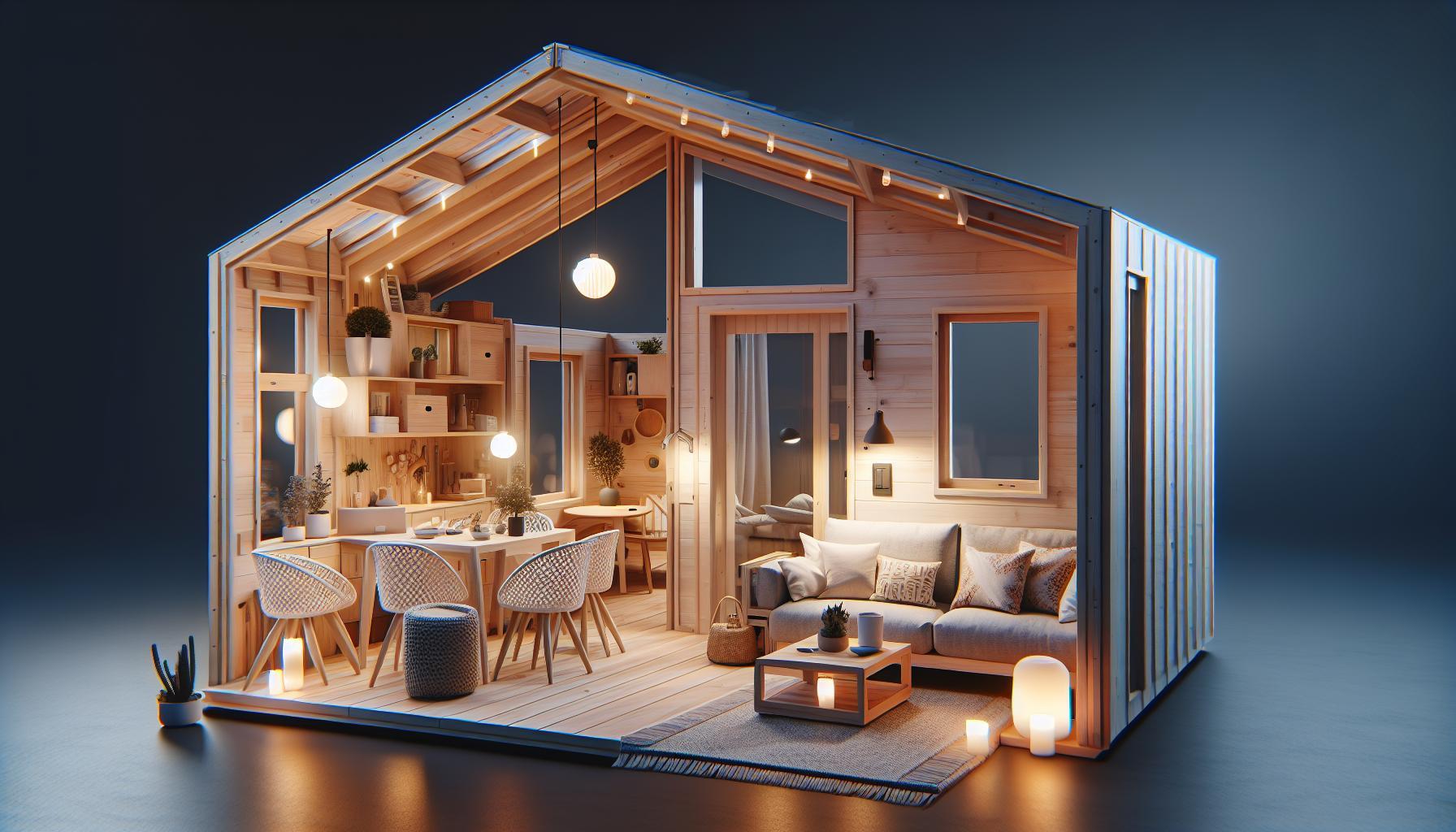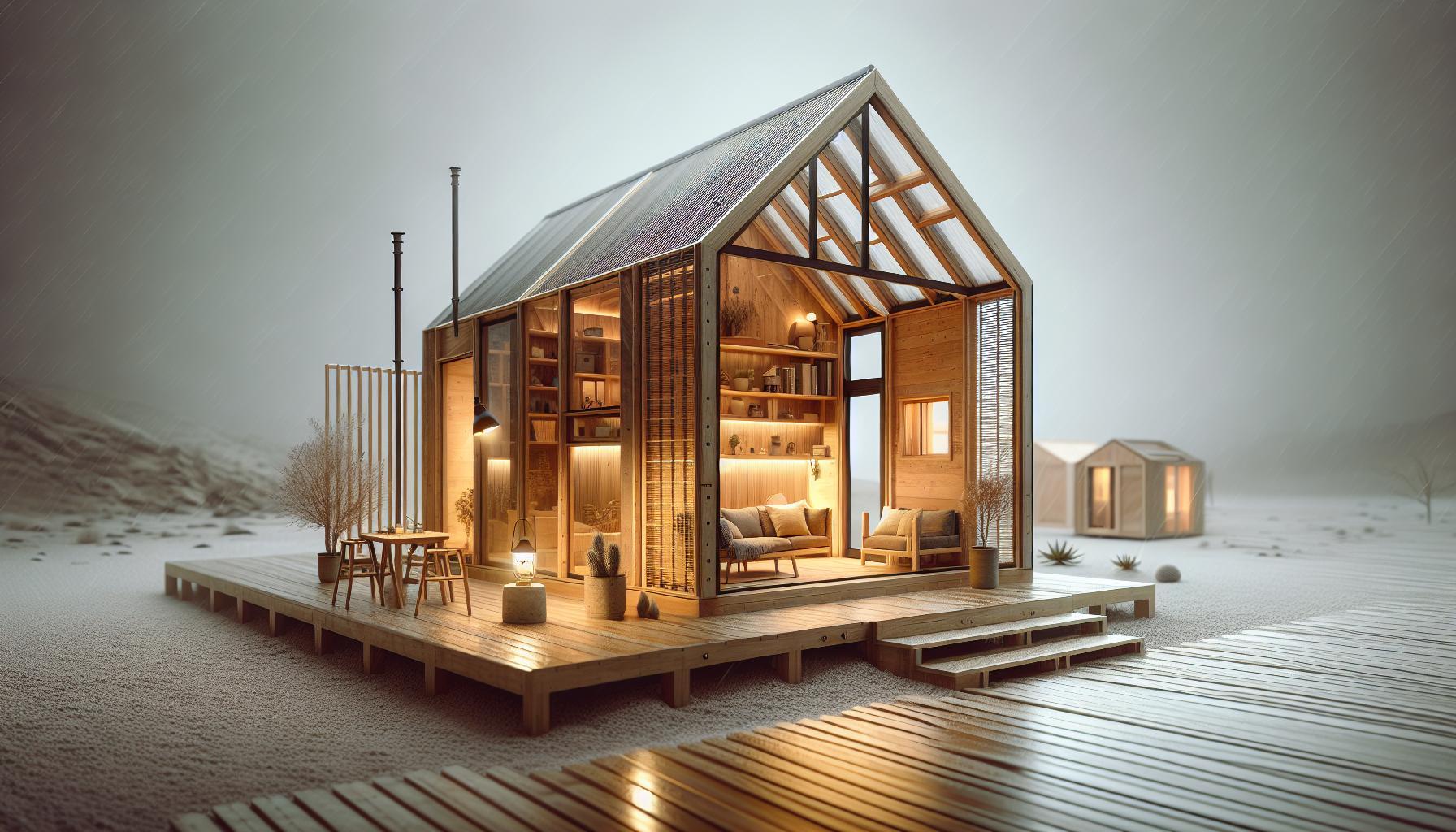

As extreme weather events become more common, teh safety of small living spaces raises critical concerns.Are these compact homes truly equipped to withstand storms? Understanding effective weather-proofing strategies is essential for tiny house enthusiasts seeking security and peace of mind in their unique dwellings. Let’s explore how to keep your tiny sanctuary safe.
Understanding the Vulnerabilities of Tiny Houses in Extreme weather
While tiny houses offer a minimalist lifestyle that manny find appealing, they can also present unique vulnerabilities when confronted with extreme weather conditions. Unlike conventional homes, these compact dwellings often lack the structural fortitude necessary to withstand high winds, heavy rains, and severe temperature fluctuations. Understanding these vulnerabilities is crucial for prospective tiny house owners who want to ensure the safety and longevity of their investments.
Common Vulnerabilities
Tiny homes typically have lightweight structures and are often built on wheels, wich can make them less stable than conventional houses during storms. Some of the primary vulnerabilities include:
- Wind Resistance: Tiny houses may not have the same wind ratings as traditional homes, making them susceptible to high winds, especially if not anchored properly.
- Water Drainage: With limited elevation and roofing systems, tiny houses can face drainage issues, leading to flooding or water damage.
- Insulation Quality: many tiny homes utilize less robust insulation materials, which can lead to increased risks of heat loss in winter or overheating in summer.
- Foundation Stability: The mobile nature of tiny homes means they are often not permanently anchored, making them vulnerable to shifting ground or erosion.
Enhancing Safety and Longevity
to mitigate these risks, consider implementing various weather-proofing strategies. As an example, installing hurricane straps can help secure the home to its foundation, providing much-needed stability in storm conditions. Additionally,equipping the tiny house with high-quality insulation can not only protect against extreme temperatures but also prevent potential water intrusion through frost heave or condensation.
Another practical step is optimizing drainage around the house. This can involve elevating the home slightly off the ground or ensuring that the landscaping slopes away from the foundation. A well-designed gutter system can also redirect water away from the structure during heavy rainfall.
Keeping informed about local weather patterns can be a crucial factor in the safety of tiny home living. By understanding the potential risks specific to the area, tiny house dwellers can better prepare their homes and personal belongings for extreme weather, ultimately enhancing the question of whether tiny houses are safe in storms and what strategies work effectively.
By integrating these strategies, tiny home owners can substantially enhance their homes’ resilience against the elements, ensuring that their tiny retreats can weather any storm.
Key Weather-Proofing Techniques for Tiny House Owners

While many see tiny houses as quaint, eco-amiable homes, the question of safety in severe weather looms large for potential owners. When considering tiny living, especially in storm-prone areas, implementing effective weather-proofing measures is essential to ensure safety and comfort. Below are key techniques that can significantly enhance the durability and resilience of tiny homes against harsh weather conditions.
Structural Reinforcements
One of the frist steps in weather-proofing a tiny house is to ensure its structure can withstand various weather challenges. This can be achieved through:
- Hurricane Ties: These metal connectors fasten the roof to the walls, providing added stability against strong winds.
- Reinforced Beams: Using thicker, stronger beams can help the structure resist severe weather impacts.
- Proper Anchoring: For homes on trailers, investing in quality tie-down systems helps secure the house during high winds.
Temperature and Moisture Management
Along with structural integrity, managing the internal environment of a tiny house is vital for comfort and safety during storms.This can include:
- Insulation: utilizing high-quality insulation materials—like spray foam or rigid foam panels—can keep the interior temperature stable.
- Vapor Barriers: Installing vapor barriers prevents moisture from entering the walls, reducing mold and rot risks.
- Passive Ventilation: Adding windows or air vents that promote airflow can help regulate humidity levels inside the home.
Exterior Protection Strategies
The outer shell of a tiny house plays a critical role in protecting against environmental influences. Consider the following strategies:
- Impact-Resistant Materials: Opting for impact-resistant siding and roofs can help shield against flying debris during storms.
- Storm Shutters: Installing shutters can protect windows from high winds and heavy rain, significantly reducing the chance of breakage.
- Elevated Foundations: Building on stilts or raised foundations can minimize flooding risks in areas prone to heavy rainfall.
Emergency preparedness
preparation before a storm is essential for ensuring the safety of tiny house owners. Implement these practices:
- Create an Emergency Kit: Assemble supplies such as water, non-perishable food, medications, and a first-aid kit.
- Develop an Evacuation Plan: Know your exit routes and have a plan for relocating if necessary.
- Stay Informed: Invest in a weather radio or a reliable app to receive alerts about severe weather conditions promptly.
By integrating these weather-proofing strategies,tiny house owners can significantly enhance their homes’ resilience to storms. Not only does this provide peace of mind, but it ensures a secure living environment, allowing residents to enjoy the benefits of tiny living without the constant fear of weather-related threats.
How to Choose the right Location for Storm Resilience

Choosing a location for your tiny house is not just about aesthetics or convenience; it can be a matter of safety during storm season. The increasing frequency of extreme weather events has raised the stakes for homeowners, especially those in smaller, vulnerable structures. Understanding the geographical and environmental factors that contribute to storm resilience is crucial for anyone asking, “Are tiny houses safe in storms?” Selecting the right site can enhance your tiny house’s ability to withstand harsh conditions.
Assessing Natural Hazards
Before finalizing your tiny house location, it’s essential to conduct a thorough assessment of the natural hazards present in the area. Factors such as flood zones, hurricane paths, and tornado risk should all play a meaningful role in your decision-making process. You can typically find this information through local government resources or specialized mapping services. Pay attention to:
- Flood Zone Designations: Areas identified as high-risk for flooding should be avoided. Elevate your tiny house if you choose a location near water.
- Wind Exposure: Locations with high exposure to winds, especially in open plains, are more susceptible to storm damage. Consider areas with natural windbreaks.
- Earthquake and Landslide risks: Geologically unstable areas could present additional challenges during severe weather.
When evaluating these hazards, it may also be beneficial to consult with local environmental experts or agencies. They can provide insights into ancient storm patterns and the frequency of severe weather events, which is critical for understanding potential risks.
Consideration of Elevation and Topography
The elevation and topography of your chosen site can significantly impact your tiny house’s resilience against storms. A higher elevation often reduces the risk of flooding, while sloped terrain can facilitate proper drainage away from your structure. Additionally,the surrounding landscape can provide natural protection; for example,positioning your tiny house near a hill can help deflect strong winds.
it’s advisable to evaluate potential sites for:
| Site Feature | Impact on Storm Resilience |
|---|---|
| Elevation | Lowers risk of flooding; enhances drainage |
| Proximity to Trees | Potential windbreaks; risk of falling branches during storms |
| Soil Composition | Affects stability and drainage; sandy soils allow better drainage |
Ultimately,by carefully selecting a location that minimizes risks associated with storms,you can improve the safety and longevity of your tiny house. The decision should be a combination of thorough research, practical site evaluations, and even considerations of long-term climate reports to ensure your tiny home is not just cozy and efficient, but also storm-ready.
Building materials That Enhance Safety and Durability

Building a tiny house can be an exciting venture, but ensuring its safety in extreme weather conditions is paramount.In regions prone to storms and severe weather, selecting the right building materials is crucial for enhancing the structure’s resilience. Consideration of materials not only contributes to the durability of the house but also helps in weather-proofing strategies that can significantly reduce the risk of damage during heavy winds, rain, or snow.
Choosing Resilient Materials
Using resilient materials is essential for the construction of tiny homes designed to withstand extreme weather.Here are some materials that stand out for their safety and durability:
- Steel Framing: Steel is increasingly popular for its strength and resistance to extreme weather.Unlike wood, steel doesn’t warp or rot and can resist high winds and structural impact.
- Concrete: Concrete is another excellent option, offering stability and durability. It is indeed highly resistant to fire and water damage, making it ideal for areas vulnerable to flooding.
- Insulated Panels: Structural insulated panels (SIPs) provide superior insulation and enhanced structural integrity. They can reduce air leakage, which is crucial during storms.
- hurricane Straps: While not a building material in the traditional sense, installing hurricane straps can significantly increase the safety of a tiny home by reinforcing the roof and walls against high winds.
Weather-Resistant Exterior Treatments
Along with the core materials, applying weather-resistant treatments can further enhance the durability of a tiny house. As a notable example, using water-repellent coatings and wind-resistant siding materials can protect the structure from moisture intrusion and wind damage. Options like fiber cement or vinyl siding are not only durable but also require minimal maintenance.
Real-world Examples
Many tiny house owners have successfully implemented these materials and strategies. As a notable example, one homeowner in Florida rebuilt their tiny house using a steel frame and insulated panels after facing damage from a hurricane. This choice not only provided enhanced safety during subsequent storms but also improved energy efficiency, reducing their overall energy costs.
By carefully selecting durable building materials and incorporating effective weather-proofing strategies,tiny houses can provide a safe haven during storms,proving that downsizing living doesn’t mean compromising on safety. Continuing to innovate in building materials and techniques will only improve the resilience of tiny homes against nature’s fury.
Effective Roof Designs to Withstand Heavy Rain and Wind

the effectiveness of roof designs in combating heavy rain and wind is crucial, especially for tiny houses that often face unique challenges due to their size and structure. A well-designed roof not only protects from the elements but can also enhance the overall resilience of a tiny home during storms.With proper materials and architectural shapes, homeowners can ensure their living spaces remain safe and secure.
Key roof Styles for Storm resilience
When considering roof designs, specific styles are particularly effective at withstanding severe weather conditions. some of the most resilient roof types include:
- Gable Roof: This classic triangular shape allows rain and snow to easily slide off, reducing the risk of water accumulation and potential leaks.
- Hip Roof: With slopes on all four sides, a hip roof is inherently stable against strong winds, providing excellent protection as it distributes wind loads evenly.
- A-frame Roof: similar to gable roofs but with steeper angles, A-frame designs channel heavy rain and snow efficiently while also preventing wind uplift.
- Flat Roof with Proper Drainage: While typically less common for tiny homes, flat roofs equipped with effective drainage systems can withstand heavy rainfall, provided they’re built to handle pooling water.
Material Considerations
Beyond shape, the choice of roofing material plays a significant role in durability and storm resistance. Homeowners should consider the following materials:
| Material Type | Benefits | Considerations |
|---|---|---|
| Metal Roofing | Highly durable, resists wind, snow, and fire. | Can be more expensive upfront; requires insulation against noise. |
| Asphalt Shingles | Cost-effective, easy to install, and available in various styles. | Less durable under extreme conditions; may need replacement after severe storms. |
| Slate or Tile | Long-lasting and very resilient to wind and rain. | Can be heavy and costly; requires a strong structural support. |
Implementing Additional Safety Features
Incorporating features like wind-resistant roofs or using straps and ties can further enhance stability. Reinforcing roof edges and ensuring insulation helps prevent heat loss during cold storms, making tiny houses not only safe but also efficient. Homeowners should prioritize regular maintenance checks to ensure their roofing systems remain free of debris and damage, especially before storm seasons. By investing in the right roof design and materials, tiny houses can be a safe haven even amidst the fiercest storms, aligning perfectly with strategies outlined in discussions about their safety during adverse weather conditions.
Incorporating Sustainable Features for Greater Weather Resistance
In the face of increasingly volatile weather patterns, the design of tiny houses increasingly integrates sustainable features that not only minimize environmental impact but also enhance resilience against storms. Incorporating these elements is essential for ensuring that small living spaces can withstand the rigors of severe weather events. From innovative roofing solutions to flood-resistant materials, the choices made during the design process play a vital role in safeguarding tiny homes.
Smart material Selection
Utilizing materials that offer durability and weather resistance is fundamental for anyone considering a tiny house. Some of the top sustainable options include:
- fiber-Cement siding: Known for its strength and low maintenance, this material resists many weather conditions, including heavy rainfall and strong winds.
- Steel Roofing: With its ability to shed snow and resist wind, steel is an excellent choice for tiny houses situated in storm-prone areas.
- Hempcrete: A combination of hemp fibers and lime, hempcrete is not only eco-friendly but also boasts excellent insulating properties, helping to regulate temperature during extreme weather.
Elevating Foundations
A key strategy for enhancing weather resilience is elevating the foundation of the tiny house. This approach can mitigate flood risks and reduce wear from harsh weather conditions. Especially in flood-prone areas,using pilings or raised platforms can protect the home from water damage while also allowing for ventilation and cooling.
Integrated Renewable energy Systems
Incorporating renewable energy sources, such as solar panels or wind turbines, not only contributes to sustainability but also ensures that the home remains functional during power outages caused by storms. As a notable example, solar battery systems can keep essential appliances running even when the grid is down, providing security and peace of mind during severe weather.
| Feature | benefits |
|---|---|
| fiber-Cement Siding | Durable against moisture and pests, low maintenance |
| Steel Roofing | Long-lasting, wind and snow resistant |
| Elevated Foundations | Reduces flood risk, promotes airflow |
| Renewable Energy Systems | Energy independence, reduced utility costs |
By thoughtfully incorporating these sustainable features, tiny house builders can enhance their homes’ resilience against storms. Not only does this lead to increased safety, but it also contributes to a more sustainable future. Exploring additional weather-proofing strategies allows homeowners to remain confident that their tiny abodes will stand strong against nature’s fury.
Preparing Your Tiny House for Storm Season: A Step-by-Step Guide
When storm season approaches, tiny house owners may feel a unique blend of excitement and concern. The compact nature of a tiny house offers both advantages and challenges when it comes to weatherproofing. Understanding how to prepare your dwelling is essential for ensuring your safety and comfort during inclement weather. Here’s a extensive step-by-step guide to getting your tiny house storm-ready.
Assessing Your Location
before diving into preparations, take a moment to evaluate your geographical context. Understanding the types of storms you may face—be it hurricanes, tornadoes, or heavy rains—will determine your specific needs. A few considerations include:
- Proximity to water: If you live near a body of water, flooding might potentially be a concern.
- Wind patterns: Research wind zones in your area to determine the structural integrity necessary for your tiny home.
- Tree coverage: Be aware of nearby trees that could pose a risk during storms, as falling branches might damage your roof or sides.
Securing Your Tiny Home
Onc you understand the potential risks, it’s time to fortify your tiny house. Here are some practical measures:
- Anchor Your Home: Use anchors or tie-down systems to secure your tiny house to its foundation, reducing the risk of displacement during strong winds.
- Inspect Windows and Doors: Ensure all windows and doors are sealed properly. Consider installing storm shutters or impact-resistant glass to protect against debris.
- Roof Maintenance: Inspect your roof for any vulnerabilities, such as loose shingles or leaks. A solid roof can definitely help prevent water damage.
Stocking Essential Supplies
Being well-prepared means having the right supplies on hand. Create a checklist of items to keep in your tiny house throughout storm season:
| Essential Item | Purpose |
|---|---|
| First Aid Kit | Medical emergencies during storms |
| Non-Perishable Food | Sustenance if you get cut off |
| Water Supply | Crucial for hydration and cooking |
| Battery-Powered Radio | Stay updated on weather conditions |
| Flashlights & Batteries | Emergency lighting |
Creating an Emergency Plan
No weatherproofing strategy is complete without an emergency plan. Formulate a to-do list that includes:
- evacuation Routes: Identify the safest routes away from your area. Make sure to have a map handy or download a reliable app.
- dialog Plan: Establish who you will contact to check in during a storm and how you will communicate if cell service is disrupted.
- PET Preparedness: Plan for your pets, including food, carriers, and a safe space for them during storms.
By following these steps, you can significantly enhance the safety of your tiny house during storm season. Each measure contributes to a more secure living situation, allowing you to weather the storm without the worry of whether tiny houses are safe in storms.
Real-Life Experiences: Tiny House Owners Share Storm Survival Strategies
In the face of severe weather events, the resilience of tiny house owners is nothing short of inspiring. many have transformed their limited spaces into havens that withstand fierce storms,employing a variety of innovative survival strategies. From reinforcing foundations to implementing smart design features, these individuals have successfully navigated the challenges posed by Mother Nature, demonstrating that tiny homes can indeed be safe during storms with the right precautions.
Fortifying the Foundation
A common theme among tiny house dwellers is the emphasis on secure foundations. many owners report opting for anchored foundations that allow their homes to withstand high winds and flooding.As an example, a couple living in a tiny house in Florida shared how they used concrete piers to elevate their home, providing both stability and protection against potential water damage. This elevation also offered the added benefit of better air circulation, which can aid in moisture control during humid weather conditions.
Weather-Resistant Materials
Tiny house owners frequently leverage durable materials for external construction.
- Metal Roofing: This choice significantly reduces the risk of wind damage compared to traditional shingles.
- Treated Wood and Composite Siding: These materials resist rot and insect damage, which are crucial in storm-prone areas.
- Double-Glazed Windows: Not only do they improve insulation, but they also provide protection against flying debris during storms.
In Louisiana,a tiny house owner reported that installing hurricane-rated windows not only shielded their home from high winds but also lowered their insurance premiums.
Creating a Storm Plan
Preparation doesn’t stop at construction; it’s vital to have a plan in place for storm evacuation. Many tiny house residents recommend creating a clear checklist that includes emergency supplies, critical documents, and an evacuation route. For example, a community of tiny house owners in Oregon developed a shared emergency protocol, pairing up with neighbors to ensure they can assist each other during intense weather events. This mutual support proved invaluable when a series of storms threatened the area, allowing everyone to remain calm and organized.
Real-Life Table of Strategies
To summarize some practical approaches used by tiny house owners,here’s a concise overview:
| Strategy | Description | Benefit |
|---|---|---|
| Elevated Foundation | Using concrete pillars or piers for stability and flood protection. | Prevents water damage and keeps the home secure. |
| Durable Materials | Utilizing weather-resistant materials for exterior surfaces. | Enhances the durability of the tiny home against storms. |
| Emergency Preparedness | Creating a detailed evacuation plan and emergency kit. | Ensures safety and readiness in the event of extreme weather. |
Through these real-life experiences, tiny house owners illustrate that with foresight and preparation, their homes can not only survive storms but thrive in the face of adversity. Whether it’s from structural reinforcements or proactive community efforts, these lessons remind us that safety can coexist beautifully within the compact walls of a tiny home.
Faq
Are Tiny Houses Safe in Storms?
Tiny houses can be safe in storms, but their safety greatly depends on design features and location. To enhance safety, consider weather-proofing strategies like strong foundations, durable materials, and proper anchoring systems.
Living in a tiny house requires thoughtful planning, especially in storm-prone areas. Strategic placement on higher ground or away from large trees can mitigate risks. It’s crucial to explore local building codes to ensure your tiny home meets safety standards during harsh weather conditions.
What Weather-Proofing Strategies Work for Tiny Houses?
Effective weather-proofing strategies for tiny houses include using materials designed to withstand high winds, securing windows with storm shutters, and ensuring proper insulation to handle temperature extremes.
By employing wind-resistant designs and investing in high-quality roofing, you can significantly reduce damage from storms. Additionally, consulting with construction professionals can definitely help tailor these strategies to your specific home while ensuring compliance with local regulations.
Why Do Tiny Houses Face Unique Weather Challenges?
Tiny houses face unique weather challenges due to their smaller size and often lightweight construction, which can make them more susceptible to wind and flooding compared to traditional homes.
Moreover, the mobile nature of many tiny houses means they frequently enough lack the permanent foundation that provides stability against severe weather. As a result, implementing robust weather-proofing measures becomes crucial for safety and longevity.
Can I Make a Tiny House Hurricane-Resistant?
Yes, you can make a tiny house hurricane-resistant by utilizing hurricane ties, reinforced framing, and proper anchoring techniques to help it withstand extreme winds and flying debris.
Consider also using heavier materials for the exterior and roof to enhance sturdiness. For best results, consult builders experienced in hurricane-safe constructions to align with local building codes and climate considerations.
How Do I Prepare My Tiny House for a Storm?
Preparing your tiny house for a storm involves securing loose items, checking your insurance, and ensuring your home is anchored securely to its foundation.
additionally, having an emergency kit with supplies and a plan for evacuation can enhance safety. Regular maintenance checks of roofs, gutters, and windows can also prevent storm-related damage.
What is the Best Location for a Tiny House in Storm-Prone Areas?
The best location for a tiny house in storm-prone areas is on elevated or flat land away from large trees and bodies of water, which can help minimize flood and wind risks.
Choosing a site with natural windbreaks, such as hills or buildings, can also add an extra layer of protection. Always refer to local zoning laws when selecting your tiny home location to ensure compliance.
Are there Benefits to Building a Storm-Resistant Tiny House?
Building a storm-resistant tiny house offers numerous benefits, including enhanced safety, lower insurance costs, and increased resale value.
Moreover, adopting environmentally friendly practices while designing to withstand storms can contribute to sustainability.Not only do these features protect your investment, but they also provide peace of mind during extreme weather events.
Final Thoughts
As we conclude our exploration of tiny house safety in storms, it’s clear that while the allure of minimalist living is strong, preparing for severe weather is essential. By understanding the importance of proper anchoring, choosing durable materials, and implementing effective drainage systems, tiny house owners can significantly enhance their homes’ ability to withstand challenging conditions.
Emphasizing strategies such as utilizing eco-friendly weather-resistant siding and securing adequate insurance can also offer peace of mind for those who choose this lifestyle. Remember, while the freedom of tiny living comes with its own set of challenges, being informed empowers you to make choices that align with your safety and comfort.We invite you to dive deeper into each strategy discussed, and also to connect with fellow tiny house enthusiasts in forums or local meetups to share experiences and solutions. Embrace the journey of learning and adaptation, and let your tiny house be a sanctuary that reflects both your aspirations and practical needs in a world that is ever-changing. Keep exploring, stay curious, and happy tiny living!
Get our latest guides, news, and insights highlighted in your Google Search & AI Overviews.